The Laurels
At a Glance
The information you need to decide whether this home warrants a closer look.
Residential homes
Staff warmth score
of reviewers answered yes
Good to know
- Registered beds36
- SpecialismsCaring for adults over 65 yrs, Dementia
- Last inspected2019-09-17
Save The Laurels to your shortlist
Keep a running list, add visit notes, and compare homes side-by-side. Free account — it takes a minute.
STAGE 4 — RESEARCHING CARE HOMES
Visit homes. Compare them side by side. Choose with confidence.
Most of us will view care homes the way we view houses, impression, atmosphere, the feeling in the corridor. We go home, try to remember what we saw, and make a permanent decision from a blurred memory.

The DCC shortlist gives every home you visit a structured record: the same twelve questions, answered the same way, every time. When you’re ready to choose, pull any two homes side by side and compare them directly. Same criteria, same evidence, your notes and your scores.
The Evidence
What the review data, the inspection reports, and the dementia-care evidence base tell us about this home.
What families say
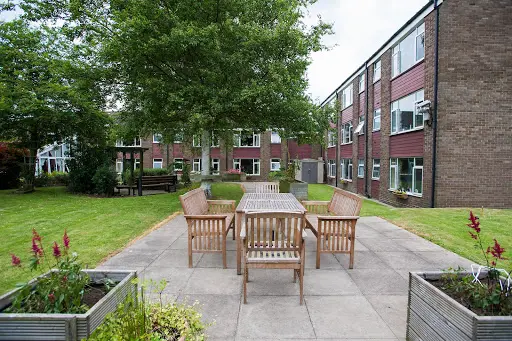
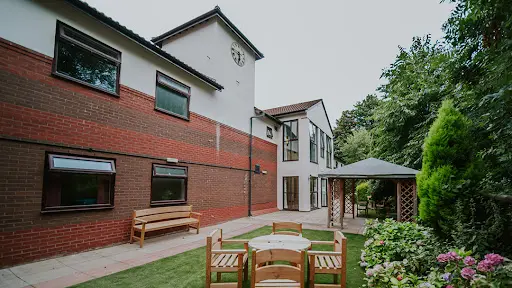
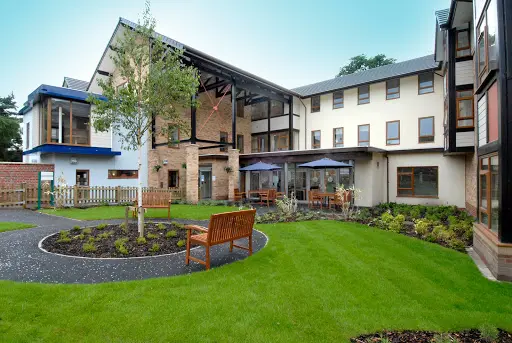
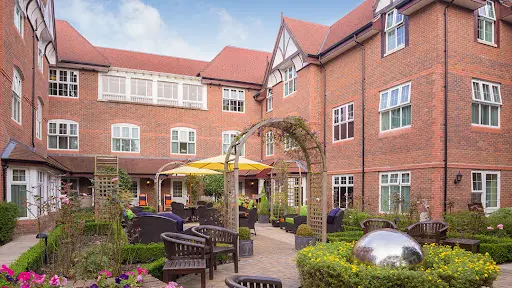
People often mention the regular activities and entertainments that bring energy to each week. The garden offers a peaceful spot for those who prefer quieter moments outdoors. There's a sense that residents can choose their own pace here, whether joining in with organised events or simply enjoying the surroundings.
The eight family priority themes
- Staff warmth55
- Compassion & dignity55
- Cleanliness55
- Activities & engagement50
- Food quality50
- Healthcare50
- Management & leadership60
- Resident happiness55
What inspectors found
Inspected 2019-09-17
Is this home safe?
Is the care effective?
The home was rated Good for effectiveness at its October 2020 inspection. The home is registered to care for adults over 65 and people living with dementia. No specific evidence about dementia training, care plan quality, GP access, or food provision was included in the published inspection summary.Is this home caring?
The home was rated Good for caring at its October 2020 inspection. No inspector observations of staff interactions, no resident testimony, and no family quotes were included in the published findings. The Good caring rating is therefore present as a conclusion but without the specific evidence that would let you evaluate it independently.Is the home responsive?
The home was rated Good for responsiveness at its October 2020 inspection. The home is registered as a dementia specialism. No detail about the activity programme, one-to-one engagement, end-of-life planning, or how the home responds to individual preferences was included in the published summary.Is the home well-led?
The home was rated Good for leadership at its October 2020 inspection, having previously been rated Requires Improvement. A named registered manager, Ms Michele Jackson, is recorded as in post. No observations about management visibility, staff culture, or governance processes were included in the published summary. The improvement from Requires Improvement suggests that governance issues were previously identified and subsequently addressed.
Source: CQC inspection report →
What the evidence base says
The Laurels provides specialist dementia care alongside general support for adults over 65. For those living with dementia, the team understands how to provide reassuring routines while still encouraging independence where possible. The combination of structured activities and peaceful spaces helps residents feel secure. All areas worth probing directly during a visit.
The DCC Verdict
Our editorial view, built from the three lenses: what families tell us, what inspectors record, and how the home sits against good dementia-care practice.
DCC Family Score
The Laurels Care Home holds a Good rating across all five inspection domains, improved from Requires Improvement, which is a meaningful step forward. However, the published inspection text contains very little specific detail, so scores reflect the rating level rather than direct observed evidence.
Homes in North West typically score 68–82.The three-lens summary
What families tell us
People often mention the regular activities and entertainments that bring energy to each week. The garden offers a peaceful spot for those who prefer quieter moments outdoors. There's a sense that residents can choose their own pace here, whether joining in with organised events or simply enjoying the surroundings.
What inspectors have recorded
The care team works closely with local health services to make sure each resident gets exactly what they need. Staff create individual care plans that adapt as needs change. While the frontline care is consistently good, some families have mentioned wanting clearer updates from management about their loved ones.
How it sits against good practice
Sometimes the smallest details – a well-cooked meal, a chat in the garden – make all the difference in daily life.
Worth a visit
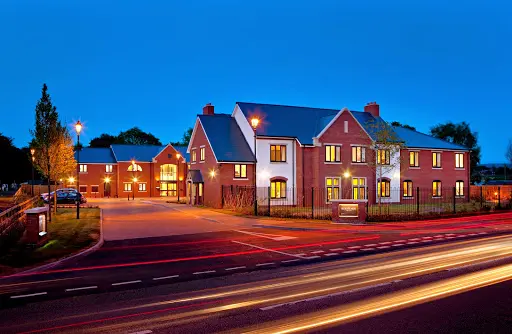
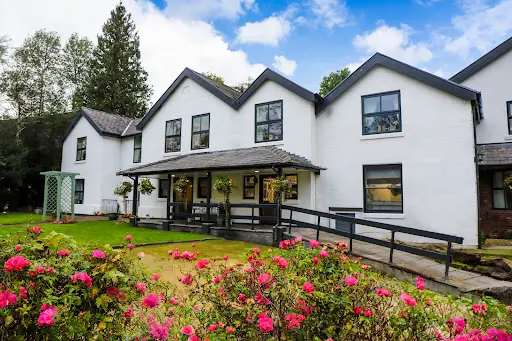
The Laurels Care Home on Canal Road in Congleton was rated Good across all five inspection domains at its last full inspection in October 2020, having previously been rated Requires Improvement. A monitoring review carried out in July 2023 found no evidence that the rating needed to change. The improvement from Requires Improvement is a meaningful signal that the management team identified problems and addressed them, and the home has held its Good rating since. The main limitation here is that the published inspection summary contains almost no specific detail: no inspector observations, no resident or family quotes, and no specific evidence about dementia care, staffing, food, activities, or the physical environment. That means this report cannot verify most of the things families rightly care about. The inspection is also now several years old. Before you make a decision, visit in person, ask to see the dementia unit at a quieter time of day, and request last week's actual staffing rota so you can see how many permanent staff were on duty overnight.
The three questions to ask when you visitSave this home. Compare it against your shortlist.
Let our analysis show you how The Laurels measures up against the other homes you’re considering. Free account.
In Their Own Words
How The Laurels describes itself — collected from its own website. DCC has not edited or independently verified the content in this tab.
Where everyday care meets genuine warmth in Congleton
Residential home in Congleton: True Peace of Mind
Finding the right care home means looking beyond the basics to discover somewhere that truly understands what matters. The Laurels Care Home in Congleton brings together thoughtful daily care with a real focus on keeping life interesting. Set in the heart of this North West town, it's a place where residents find both comfort and companionship.
Who they care for
The Laurels provides specialist dementia care alongside general support for adults over 65.
For those living with dementia, the team understands how to provide reassuring routines while still encouraging independence where possible. The combination of structured activities and peaceful spaces helps residents feel secure.
“Sometimes the smallest details – a well-cooked meal, a chat in the garden – make all the difference in daily life.”
DCC does not edit or curate content in this tab. For independently curated information, see The Evidence and DCC Verdict.
The DCC Verdict
Our editorial view, built from the three lenses: what families tell us, what inspectors record, and how the home sits against good dementia-care practice.
DCC Family Score
The Laurels Care Home holds a Good rating across all five inspection domains, improved from Requires Improvement, which is a meaningful step forward. However, the published inspection text contains very little specific detail, so scores reflect the rating level rather than direct observed evidence.
Homes in North West typically score 68–82.The three-lens summary
What families tell us
People often mention the regular activities and entertainments that bring energy to each week. The garden offers a peaceful spot for those who prefer quieter moments outdoors. There's a sense that residents can choose their own pace here, whether joining in with organised events or simply enjoying the surroundings.
What inspectors have recorded
The care team works closely with local health services to make sure each resident gets exactly what they need. Staff create individual care plans that adapt as needs change. While the frontline care is consistently good, some families have mentioned wanting clearer updates from management about their loved ones.
How it sits against good practice
Sometimes the smallest details – a well-cooked meal, a chat in the garden – make all the difference in daily life.
Worth a visit
The Laurels Care Home on Canal Road in Congleton was rated Good across all five inspection domains at its last full inspection in October 2020, having previously been rated Requires Improvement. A monitoring review carried out in July 2023 found no evidence that the rating needed to change. The improvement from Requires Improvement is a meaningful signal that the management team identified problems and addressed them, and the home has held its Good rating since. The main limitation here is that the published inspection summary contains almost no specific detail: no inspector observations, no resident or family quotes, and no specific evidence about dementia care, staffing, food, activities, or the physical environment. That means this report cannot verify most of the things families rightly care about. The inspection is also now several years old. Before you make a decision, visit in person, ask to see the dementia unit at a quieter time of day, and request last week's actual staffing rota so you can see how many permanent staff were on duty overnight.
The three questions to ask when you visitSave this home. Compare it against your shortlist.
Let our analysis show you how The Laurels measures up against the other homes you’re considering. Free account.
In Their Own Words
How The Laurels describes itself — collected from its own website. DCC has not edited or independently verified the content in this tab.
Where everyday care meets genuine warmth in Congleton
Residential home in Congleton: True Peace of Mind
Finding the right care home means looking beyond the basics to discover somewhere that truly understands what matters. The Laurels Care Home in Congleton brings together thoughtful daily care with a real focus on keeping life interesting. Set in the heart of this North West town, it's a place where residents find both comfort and companionship.
Who they care for
The Laurels provides specialist dementia care alongside general support for adults over 65.
For those living with dementia, the team understands how to provide reassuring routines while still encouraging independence where possible. The combination of structured activities and peaceful spaces helps residents feel secure.
Management & ethos
The care team works closely with local health services to make sure each resident gets exactly what they need. Staff create individual care plans that adapt as needs change. While the frontline care is consistently good, some families have mentioned wanting clearer updates from management about their loved ones.
The home & environment
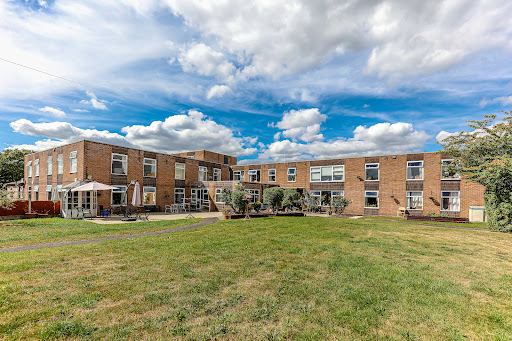
The kitchen serves proper home-cooked meals, with mealtimes becoming something to look forward to. Everything's kept clean and well-maintained, creating spaces where residents feel comfortable spending their days.
“Sometimes the smallest details – a well-cooked meal, a chat in the garden – make all the difference in daily life.”
DCC does not edit or curate content in this tab. For independently curated information, see The Evidence and DCC Verdict.