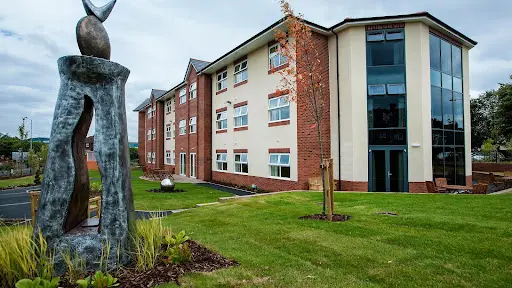
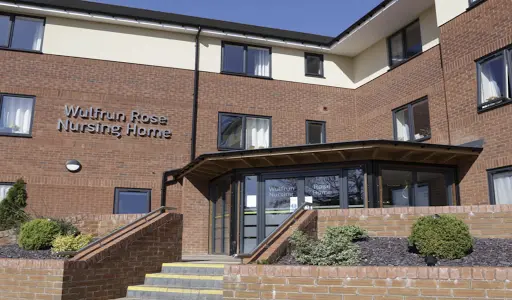
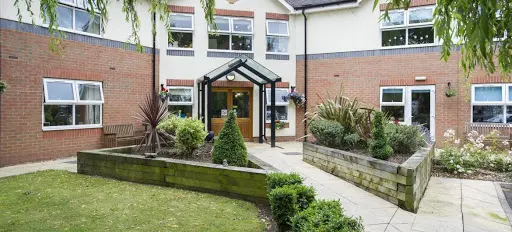
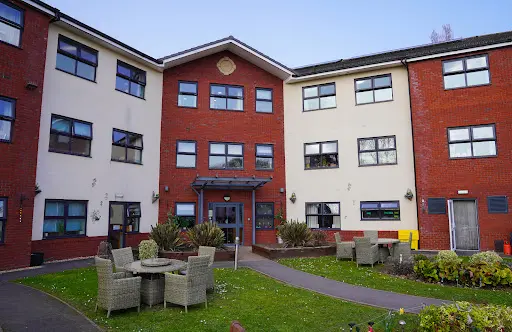
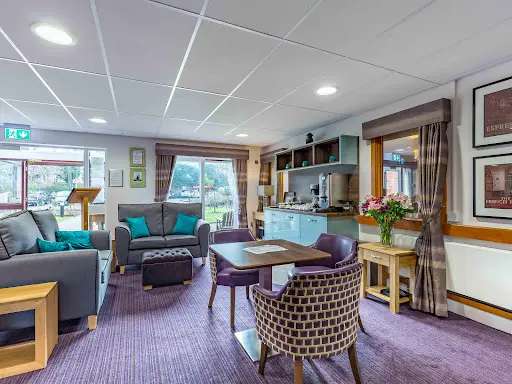
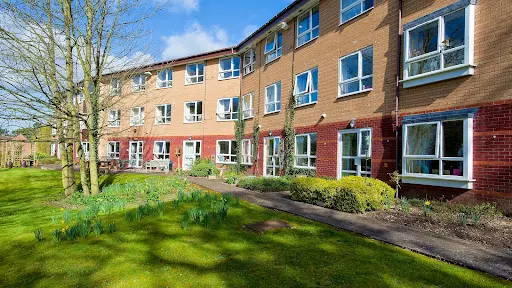
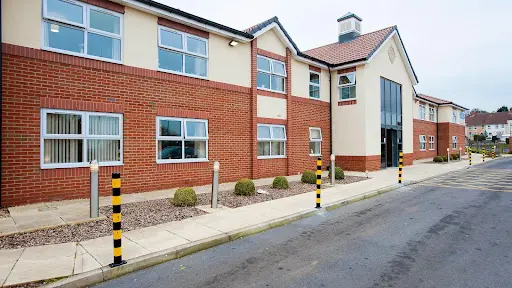
The Croft Residential Home
At a Glance
The information you need to decide whether this home warrants a closer look.
Residential homes
Staff warmth score
of reviewers answered yes
Good to know
- Registered beds24
- SpecialismsCaring for adults over 65 yrs, Dementia
- Last inspected2020-03-11
Save The Croft Residential Home to your shortlist
Keep a running list, add visit notes, and compare homes side-by-side. Free account — it takes a minute.
STAGE 4 — RESEARCHING CARE HOMES
Visit homes. Compare them side by side. Choose with confidence.
Most of us will view care homes the way we view houses, impression, atmosphere, the feeling in the corridor. We go home, try to remember what we saw, and make a permanent decision from a blurred memory.

The DCC shortlist gives every home you visit a structured record: the same twelve questions, answered the same way, every time. When you’re ready to choose, pull any two homes side by side and compare them directly. Same criteria, same evidence, your notes and your scores.
The Evidence
What the review data, the inspection reports, and the dementia-care evidence base tell us about this home.
What families say
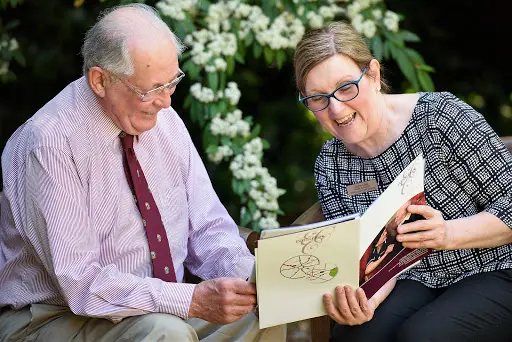
Visitors describe finding their relatives settled and content here, with a sense that the atmosphere itself contributes to wellbeing. The staff's passion for their work shows through in everyday interactions, creating an environment where residents feel valued and cared for.
The eight family priority themes
- Staff warmth85
- Compassion & dignity88
- Cleanliness72
- Activities & engagement80
- Food quality65
- Healthcare68
- Management & leadership85
- Resident happiness78
What inspectors found
Inspected 2020-03-11
Is this home safe?
Is the care effective?
The home was rated Good for Effective at the January 2020 inspection. This indicates that inspectors were satisfied that staff had appropriate training and skills, that care plans reflected individual needs, and that residents had access to healthcare professionals. The home specialises in dementia care, so dementia-specific training would have been assessed as part of this domain. No specific detail about training content, GP access frequency, or care plan review cycles is recorded in the published summary.Is this home caring?
Caring was rated Outstanding at the January 2020 inspection, the highest possible rating. This is the domain most directly tied to how your parent would feel day to day: whether staff are kind, whether privacy is respected, and whether your parent's independence is actively supported. An Outstanding rating in Caring requires inspectors to find clear and specific evidence across all of these areas, not just general compliance. This was the joint strongest domain for the home alongside Responsive and Well-led.Is the home responsive?
Responsive was rated Outstanding at the January 2020 inspection. This domain covers whether care is tailored to individuals, whether activities are meaningful and varied, and whether the home responds well to changing needs including at the end of life. An Outstanding rating here indicates inspectors found specific evidence that the home does more than follow a standard programme and actively shapes care and activity around each person. The published summary does not describe specific activities or individual examples in detail.Is the home well-led?
Well-led was rated Outstanding at the January 2020 inspection. The home is run by Croft Residential Limited, with a registered manager and a nominated individual named on the registration. An Outstanding well-led rating requires inspectors to find clear evidence of a positive staff culture, robust governance systems, and leadership that is visible and accountable to both staff and residents. This rating, combined with the improvement from Good at the previous inspection, suggests a home with active and improving leadership at the time of the assessment.
Source: CQC inspection report →
What the evidence base says
The Croft provides residential care for adults over 65, including those living with dementia. The home maintains health protocols including infection control procedures. For residents with dementia, the caring approach of the staff becomes especially important. The team understands how to create moments of joy and connection, whether through special visits from therapy animals or other engaging activities. All areas worth probing directly during a visit.
The DCC Verdict
Our editorial view, built from the three lenses: what families tell us, what inspectors record, and how the home sits against good dementia-care practice.
DCC Family Score
The Croft Residential Home earned an Outstanding overall rating at its January 2020 inspection, with particular strength in caring, responsiveness, and leadership. Scores for food and healthcare are held back by limited specific detail in the published report.
Homes in West Midlands typically score 68–82.The three-lens summary
What families tell us
Visitors describe finding their relatives settled and content here, with a sense that the atmosphere itself contributes to wellbeing. The staff's passion for their work shows through in everyday interactions, creating an environment where residents feel valued and cared for.
What inspectors have recorded
The management team takes a hands-on approach, staying closely involved in maintaining standards throughout the home. This dedication filters down through the whole team, with staff consistently described as caring in their approach to residents. While families have noted that staffing levels can sometimes affect specific care tasks like oral hygiene support, the overall impression is of a leadership team committed to continuous improvement.
How it sits against good practice
Sometimes the most important things can't be measured — like staff who genuinely enjoy coming to work each day.
Worth a visit
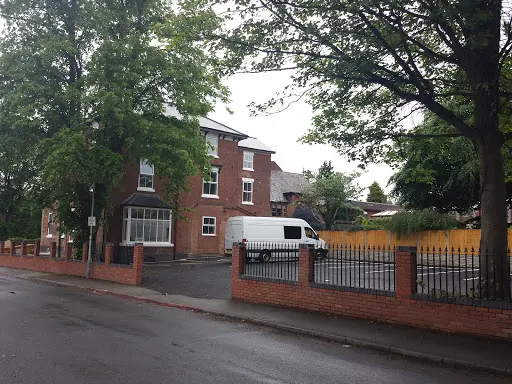
The Croft Residential Home on Castlecroft Road in Wolverhampton was rated Outstanding overall at its inspection in January 2020, having previously been rated Good. Inspectors rated Caring, Responsive, and Well-led as Outstanding, and Safe and Effective as Good. This places the home among a small proportion of care homes in England to have achieved the highest possible overall rating, and the improvement from its previous inspection suggests a home that was actively developing its practice rather than standing still. The main caveat for you as a family is that this inspection took place in January 2020, which means the findings are now more than five years old. A review carried out in July 2023 did not find reason to reassess the rating, which is a positive signal, but it is not a full reinspection. Staff teams, managers, and ownership can all change over five years, and what was true then may not fully reflect what your parent would experience today. When you visit, ask to meet the current manager, check how long the core care staff have been in post, and ask directly what has changed since 2020.
The three questions to ask when you visitSave this home. Compare it against your shortlist.
Let our analysis show you how The Croft Residential Home measures up against the other homes you’re considering. Free account.
In Their Own Words
How The Croft Residential Home describes itself — collected from its own website. DCC has not edited or independently verified the content in this tab.
Where caring staff bring genuine warmth to daily life
Residential home in Wolverhampton: True Peace of Mind
Walking into The Croft Residential Home in Wolverhampton, families often comment on the warmth that seems to radiate from the staff themselves. This West Midlands care home has built its reputation on something quite simple — people who genuinely care about the work they do. It's the kind of place where staff members arrive each morning with real enthusiasm for the day ahead.
Who they care for
The Croft provides residential care for adults over 65, including those living with dementia. The home maintains health protocols including infection control procedures.
For residents with dementia, the caring approach of the staff becomes especially important. The team understands how to create moments of joy and connection, whether through special visits from therapy animals or other engaging activities.
“Sometimes the most important things can't be measured — like staff who genuinely enjoy coming to work each day.”
DCC does not edit or curate content in this tab. For independently curated information, see The Evidence and DCC Verdict.
The DCC Verdict
Our editorial view, built from the three lenses: what families tell us, what inspectors record, and how the home sits against good dementia-care practice.
DCC Family Score
The Croft Residential Home earned an Outstanding overall rating at its January 2020 inspection, with particular strength in caring, responsiveness, and leadership. Scores for food and healthcare are held back by limited specific detail in the published report.
Homes in West Midlands typically score 68–82.The three-lens summary
What families tell us
Visitors describe finding their relatives settled and content here, with a sense that the atmosphere itself contributes to wellbeing. The staff's passion for their work shows through in everyday interactions, creating an environment where residents feel valued and cared for.
What inspectors have recorded
The management team takes a hands-on approach, staying closely involved in maintaining standards throughout the home. This dedication filters down through the whole team, with staff consistently described as caring in their approach to residents. While families have noted that staffing levels can sometimes affect specific care tasks like oral hygiene support, the overall impression is of a leadership team committed to continuous improvement.
How it sits against good practice
Sometimes the most important things can't be measured — like staff who genuinely enjoy coming to work each day.
Worth a visit
The Croft Residential Home on Castlecroft Road in Wolverhampton was rated Outstanding overall at its inspection in January 2020, having previously been rated Good. Inspectors rated Caring, Responsive, and Well-led as Outstanding, and Safe and Effective as Good. This places the home among a small proportion of care homes in England to have achieved the highest possible overall rating, and the improvement from its previous inspection suggests a home that was actively developing its practice rather than standing still. The main caveat for you as a family is that this inspection took place in January 2020, which means the findings are now more than five years old. A review carried out in July 2023 did not find reason to reassess the rating, which is a positive signal, but it is not a full reinspection. Staff teams, managers, and ownership can all change over five years, and what was true then may not fully reflect what your parent would experience today. When you visit, ask to meet the current manager, check how long the core care staff have been in post, and ask directly what has changed since 2020.
The three questions to ask when you visitSave this home. Compare it against your shortlist.
Let our analysis show you how The Croft Residential Home measures up against the other homes you’re considering. Free account.
In Their Own Words
How The Croft Residential Home describes itself — collected from its own website. DCC has not edited or independently verified the content in this tab.
Where caring staff bring genuine warmth to daily life
Residential home in Wolverhampton: True Peace of Mind
Walking into The Croft Residential Home in Wolverhampton, families often comment on the warmth that seems to radiate from the staff themselves. This West Midlands care home has built its reputation on something quite simple — people who genuinely care about the work they do. It's the kind of place where staff members arrive each morning with real enthusiasm for the day ahead.
Who they care for
The Croft provides residential care for adults over 65, including those living with dementia. The home maintains health protocols including infection control procedures.
For residents with dementia, the caring approach of the staff becomes especially important. The team understands how to create moments of joy and connection, whether through special visits from therapy animals or other engaging activities.
Management & ethos
The management team takes a hands-on approach, staying closely involved in maintaining standards throughout the home. This dedication filters down through the whole team, with staff consistently described as caring in their approach to residents. While families have noted that staffing levels can sometimes affect specific care tasks like oral hygiene support, the overall impression is of a leadership team committed to continuous improvement.
“Sometimes the most important things can't be measured — like staff who genuinely enjoy coming to work each day.”
DCC does not edit or curate content in this tab. For independently curated information, see The Evidence and DCC Verdict.