Southlands Place

At a Glance
The information you need to decide whether this home warrants a closer look.
Nursing homes
Staff warmth score
of reviewers answered yes
Good to know
- Registered beds72
- SpecialismsCaring for adults over 65 yrs, Caring for adults under 65 yrs, Dementia, Physical disabilities
- Last inspected2022-08-06
Save Southlands Place to your shortlist
Keep a running list, add visit notes, and compare homes side-by-side. Free account — it takes a minute.
STAGE 4 — RESEARCHING CARE HOMES
Visit homes. Compare them side by side. Choose with confidence.
Most of us will view care homes the way we view houses, impression, atmosphere, the feeling in the corridor. We go home, try to remember what we saw, and make a permanent decision from a blurred memory.

The DCC shortlist gives every home you visit a structured record: the same twelve questions, answered the same way, every time. When you’re ready to choose, pull any two homes side by side and compare them directly. Same criteria, same evidence, your notes and your scores.
The Evidence
What the review data, the inspection reports, and the dementia-care evidence base tell us about this home.
What families say
Visitors describe finding their loved ones engaged in activities or chatting with staff who clearly know them well. The daily programme includes everything from music performances to visits from therapy animals, with staff making sure everyone who wants to join in can do so. Families mention how respectful and attentive the care teams are, taking time to understand what makes each resident comfortable.
The eight family priority themes
- Staff warmth72
- Compassion & dignity72
- Cleanliness70
- Activities & engagement65
- Food quality65
- Healthcare70
- Management & leadership75
- Resident happiness68
What inspectors found
Inspected 2022-08-06
Is this home safe?
Is the care effective?
The Effective domain was rated Good at the January 2025 inspection. The published report does not describe specific findings about care planning, staff training, GP access, medication management, or nutritional support. The home lists dementia as a specialism and is registered for nursing care, suggesting that some clinical infrastructure is in place, but the inspection text provides no detail about how these are delivered in practice.Is this home caring?
The Caring domain was rated Good at the January 2025 inspection. No specific inspector observations, resident quotes, or family testimony are included in the published findings. The published text does not describe how staff interact with residents, how dignity is maintained during personal care, or how the home supports people to retain independence. The Good rating indicates inspectors were satisfied, but the basis for that judgement is not visible in the published report.Is the home responsive?
The Responsive domain was rated Good at the January 2025 inspection. The published text contains no detail about the activity programme, how individual preferences are incorporated into daily life, how the home supports people who cannot join group activities, or how end-of-life care is approached. For a home with a dementia specialism and 72 beds, responsiveness to individual need is a complex requirement, but the inspection provides no window into how it is achieved here.Is the home well-led?
The Well-led domain was rated Good at the January 2025 inspection, up from a previous Requires Improvement rating. A named registered manager, Mrs Fiona Elizabeth Yurteri, is confirmed as in post, and Ms Rachel Harvey is the nominated individual for Aria Healthcare Group LTD. The published inspection text does not describe the management culture, governance systems, how the home learns from incidents, or how families are kept informed and involved. The improvement from Requires Improvement is a positive signal about leadership stability and responsiveness.
Source: CQC inspection report →
What the evidence base says
The home provides nursing care for adults both under and over 65, with particular experience supporting people with dementia and physical disabilities. Staff show real understanding of how to support residents with dementia, creating routines that provide comfort and including everyone in daily activities at their own pace. The structured programme helps maintain engagement while respecting individual needs. All areas worth probing directly during a visit.
The DCC Verdict
Our editorial view, built from the three lenses: what families tell us, what inspectors record, and how the home sits against good dementia-care practice.
DCC Family Score
Southlands Place has improved from Requires Improvement to a Good rating across all five domains, which is a meaningful positive step. However, the published inspection text contains very limited specific detail, so scores reflect confirmed improvement and a Good rating rather than rich, verified evidence of what daily life looks like for your parent.
Homes in South East typically score 68–82.The three-lens summary
What families tell us
Visitors describe finding their loved ones engaged in activities or chatting with staff who clearly know them well. The daily programme includes everything from music performances to visits from therapy animals, with staff making sure everyone who wants to join in can do so. Families mention how respectful and attentive the care teams are, taking time to understand what makes each resident comfortable.
What inspectors have recorded
The manager and deputy are visible presences who families find approachable when they need to discuss care. Regular communication keeps relatives informed about their loved ones' wellbeing and any medical developments. Staff supervision appears thorough, with teams working together to ensure consistent care standards. One family did report concerns about medical assessment delays that resulted in serious consequences, highlighting the importance of families staying actively involved in healthcare decisions.
How it sits against good practice
For many families, Southlands Place has become a trusted partner in a difficult journey. If you're considering care options, visiting could help you understand whether this approach feels right for your loved one.
Worth a visit
Southlands Place, a 72-bed nursing home on Hastings Road in Bexhill-on-Sea, was rated Good across all five inspection domains at its most recent assessment on 6 January 2025, with the report published on 3 February 2025. This is a meaningful improvement: the home was previously rated Requires Improvement, and achieving Good across every domain suggests the management team has addressed earlier concerns in a systematic way. A named registered manager is confirmed in post, and the home is registered to provide nursing care for people with dementia, physical disabilities, and a range of other needs across a wide age range. The main limitation of this report is the very limited specific detail available in the published inspection text. There are no direct observations, resident or family quotes, or descriptions of day-to-day care practice to draw on, which means this Family View cannot tell you much about what life actually feels like inside Southlands Place. Before deciding, arrange a visit at a mealtime if possible, ask to see last month's actual activity records rather than a template schedule, and ask the manager directly: how many permanent staff are on the dementia unit after 8pm, and what proportion of shifts rely on agency cover?
The three questions to ask when you visitSave this home. Compare it against your shortlist.
Let our analysis show you how Southlands Place measures up against the other homes you’re considering. Free account.
In Their Own Words
How Southlands Place describes itself — collected from its own website. DCC has not edited or independently verified the content in this tab.
Where kindness meets proper care every single day
Southlands Place – Expert Care in Bexhill On Sea
When families visit Southlands Place in Bexhill On Sea, they often mention feeling instantly reassured by the warmth they encounter. This care home has built its reputation on combining genuine friendliness with professional nursing care. The bright, modern spaces create a comfortable environment where residents receive support for dementia, physical disabilities, and the varied needs that come with aging.
Who they care for
The home provides nursing care for adults both under and over 65, with particular experience supporting people with dementia and physical disabilities.
Staff show real understanding of how to support residents with dementia, creating routines that provide comfort and including everyone in daily activities at their own pace. The structured programme helps maintain engagement while respecting individual needs.
“For many families, Southlands Place has become a trusted partner in a difficult journey. If you're considering care options, visiting could help you understand whether this approach feels right for your loved one.”
DCC does not edit or curate content in this tab. For independently curated information, see The Evidence and DCC Verdict.
The DCC Verdict
Our editorial view, built from the three lenses: what families tell us, what inspectors record, and how the home sits against good dementia-care practice.
DCC Family Score
Southlands Place has improved from Requires Improvement to a Good rating across all five domains, which is a meaningful positive step. However, the published inspection text contains very limited specific detail, so scores reflect confirmed improvement and a Good rating rather than rich, verified evidence of what daily life looks like for your parent.
Homes in South East typically score 68–82.The three-lens summary
What families tell us
Visitors describe finding their loved ones engaged in activities or chatting with staff who clearly know them well. The daily programme includes everything from music performances to visits from therapy animals, with staff making sure everyone who wants to join in can do so. Families mention how respectful and attentive the care teams are, taking time to understand what makes each resident comfortable.
What inspectors have recorded
The manager and deputy are visible presences who families find approachable when they need to discuss care. Regular communication keeps relatives informed about their loved ones' wellbeing and any medical developments. Staff supervision appears thorough, with teams working together to ensure consistent care standards. One family did report concerns about medical assessment delays that resulted in serious consequences, highlighting the importance of families staying actively involved in healthcare decisions.
How it sits against good practice
For many families, Southlands Place has become a trusted partner in a difficult journey. If you're considering care options, visiting could help you understand whether this approach feels right for your loved one.
Worth a visit
Southlands Place, a 72-bed nursing home on Hastings Road in Bexhill-on-Sea, was rated Good across all five inspection domains at its most recent assessment on 6 January 2025, with the report published on 3 February 2025. This is a meaningful improvement: the home was previously rated Requires Improvement, and achieving Good across every domain suggests the management team has addressed earlier concerns in a systematic way. A named registered manager is confirmed in post, and the home is registered to provide nursing care for people with dementia, physical disabilities, and a range of other needs across a wide age range. The main limitation of this report is the very limited specific detail available in the published inspection text. There are no direct observations, resident or family quotes, or descriptions of day-to-day care practice to draw on, which means this Family View cannot tell you much about what life actually feels like inside Southlands Place. Before deciding, arrange a visit at a mealtime if possible, ask to see last month's actual activity records rather than a template schedule, and ask the manager directly: how many permanent staff are on the dementia unit after 8pm, and what proportion of shifts rely on agency cover?
The three questions to ask when you visitSave this home. Compare it against your shortlist.
Let our analysis show you how Southlands Place measures up against the other homes you’re considering. Free account.
In Their Own Words
How Southlands Place describes itself — collected from its own website. DCC has not edited or independently verified the content in this tab.
Where kindness meets proper care every single day
Southlands Place – Expert Care in Bexhill On Sea
When families visit Southlands Place in Bexhill On Sea, they often mention feeling instantly reassured by the warmth they encounter. This care home has built its reputation on combining genuine friendliness with professional nursing care. The bright, modern spaces create a comfortable environment where residents receive support for dementia, physical disabilities, and the varied needs that come with aging.
Who they care for
The home provides nursing care for adults both under and over 65, with particular experience supporting people with dementia and physical disabilities.
Staff show real understanding of how to support residents with dementia, creating routines that provide comfort and including everyone in daily activities at their own pace. The structured programme helps maintain engagement while respecting individual needs.
Management & ethos
The manager and deputy are visible presences who families find approachable when they need to discuss care. Regular communication keeps relatives informed about their loved ones' wellbeing and any medical developments. Staff supervision appears thorough, with teams working together to ensure consistent care standards. One family did report concerns about medical assessment delays that resulted in serious consequences, highlighting the importance of families staying actively involved in healthcare decisions.
The home & environment
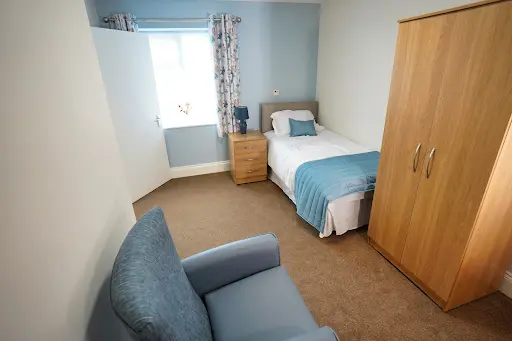
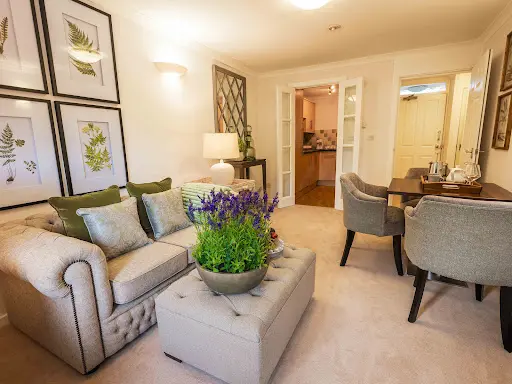
The home feels fresh and well-maintained, with bright communal spaces and thoughtful touches throughout. Residents have en-suite bathrooms and access to equipment like bath lifts that help maintain independence. The kitchen team gets particular praise for working around specific dietary needs — whether that's managing diabetes, coeliac requirements, or simply personal preferences.
“For many families, Southlands Place has become a trusted partner in a difficult journey. If you're considering care options, visiting could help you understand whether this approach feels right for your loved one.”
DCC does not edit or curate content in this tab. For independently curated information, see The Evidence and DCC Verdict.