Silk Court care home, Bethnal Green

At a Glance
The information you need to decide whether this home warrants a closer look.
Residential homes
Staff warmth score
of reviewers answered yes
Good to know
- Registered beds51
- SpecialismsCaring for adults over 65 yrs, Dementia
- Last inspected2020-06-03
Save Silk Court care home, Bethnal Green to your shortlist
Keep a running list, add visit notes, and compare homes side-by-side. Free account — it takes a minute.
STAGE 4 — RESEARCHING CARE HOMES
Visit homes. Compare them side by side. Choose with confidence.
Most of us will view care homes the way we view houses, impression, atmosphere, the feeling in the corridor. We go home, try to remember what we saw, and make a permanent decision from a blurred memory.

The DCC shortlist gives every home you visit a structured record: the same twelve questions, answered the same way, every time. When you’re ready to choose, pull any two homes side by side and compare them directly. Same criteria, same evidence, your notes and your scores.
The Evidence
What the review data, the inspection reports, and the dementia-care evidence base tell us about this home.
What families say
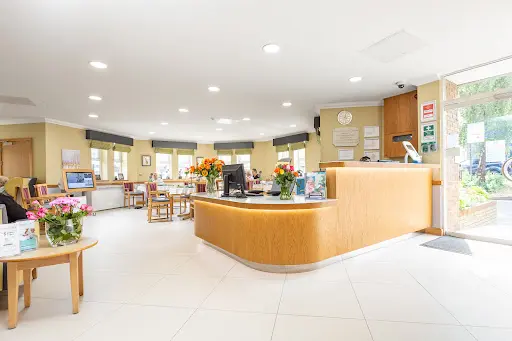
The atmosphere strikes a balance between clinical professionalism and genuine engagement. Residents join in with activities that match their interests and abilities — staff encourage participation without pushing. People describe the home as spacious and warm, where privacy during personal care is consistently respected.
The eight family priority themes
- Staff warmth55
- Compassion & dignity55
- Cleanliness55
- Activities & engagement50
- Food quality50
- Healthcare55
- Management & leadership60
- Resident happiness55
What inspectors found
Inspected 2020-06-03
Is this home safe?
Is the care effective?
The Effective domain is rated Good, covering care planning, staff training, access to healthcare, and food and nutrition. Dementia care is listed as a specialism, which means staff should be trained to a higher standard than in a general residential home. The published report does not include specific detail about dementia training content, how frequently care plans are reviewed, whether families are included in those reviews, or how the home manages GP access and health monitoring. No examples of good practice in these areas are described in the available text.Is this home caring?
The Caring domain is rated Good, covering staff warmth, dignity, respect, and how the home supports independence. This is the domain most closely linked to day-to-day quality of life. The published summary contains no inspector observations of staff interactions, no resident or relative quotes, and no specific examples of how dignity or respect are maintained in practice. Good is a positive rating, but without observational detail it is difficult to assess what this looks like on an ordinary Tuesday afternoon.Is the home responsive?
The Responsive domain is rated Good, covering activities, individual engagement, and how the home meets the specific needs of each person, including at the end of life. The published report contains no specific information about the activity programme, what one-to-one engagement looks like for residents who cannot participate in groups, or how the home adapts care as dementia progresses. For a 51-bed home with a dementia specialism, the absence of this detail in the published summary is a gap worth exploring.Is the home well-led?
The Well-led domain is rated Good, and the home has a named registered manager (Ms Renae Dixon) and a nominated individual (Mr Daniel Ryan) from Anchor Hanover Group. Management and governance are the focus of this domain, including whether the home learns from incidents, supports staff to raise concerns, and has a stable leadership team. The published report contains no specific detail about manager tenure, staff turnover, how the home responded to the decline from Outstanding, or what governance systems are in place. The decline from Outstanding to Good is itself a signal worth investigating.
Source: CQC inspection report →
What the evidence base says
Silk Court specialises in dementia care for adults over 65. The team understands the complexities of dementia, from supporting new residents to settle in through to making difficult healthcare decisions. Staff here recognise that dementia affects everyone differently. They offer both group activities and one-to-one time, adapting their approach to each person's abilities and mood that day. All areas worth probing directly during a visit.
The DCC Verdict
Our editorial view, built from the three lenses: what families tell us, what inspectors record, and how the home sits against good dementia-care practice.
DCC Family Score
Silk Court Care Home holds a Good rating across all five inspection domains, but the published report contains very limited specific detail, so scores reflect the rating level rather than rich observed evidence. This means Sarah should treat the score as a starting point and gather more information directly from the home.
Homes in London typically score 68–82.The three-lens summary
What families tell us
The atmosphere strikes a balance between clinical professionalism and genuine engagement. Residents join in with activities that match their interests and abilities — staff encourage participation without pushing. People describe the home as spacious and warm, where privacy during personal care is consistently respected.
What inspectors have recorded
Communication stands out here. When health concerns arise, staff contact families promptly and explain what's happening clearly. The team works closely with NHS services, documenting everything properly and escalating concerns when needed. One family did raise concerns about transparency in certain processes, though others describe open dialogue about care decisions.
How it sits against good practice
Every care home journey is unique, and visiting Silk Court will help you understand if it feels right for your family.
Worth a visit
Silk Court Care Home, at 16 Ivimey Street in Bethnal Green, was rated Good across all five inspection domains at its last inspection in February 2022. The home is run by Anchor Hanover Group, one of the larger not-for-profit care providers in England, and has a named registered manager in post. It specialises in dementia care and has 51 beds. Notably, the home's overall rating has declined from a previous Outstanding, which means the inspection found it was no longer meeting the higher bar it once did. The main uncertainty here is significant: the published inspection summary contains very little specific detail about what inspectors actually observed inside the home. There are no recorded quotes from residents or relatives, no descriptions of staff interactions, and no data on staffing ratios or activities. A Good rating is a positive baseline, but it tells you relatively little on its own. Before you make a decision, visit the home in person, ask to see last week's actual staffing rota (not the template), speak to the registered manager about what changed since the Outstanding rating, and spend time watching how staff interact with residents in communal areas.
The three questions to ask when you visitSave this home. Compare it against your shortlist.
Let our analysis show you how Silk Court care home, Bethnal Green measures up against the other homes you’re considering. Free account.
In Their Own Words
How Silk Court care home, Bethnal Green describes itself — collected from its own website. DCC has not edited or independently verified the content in this tab.
Where clinical confidence meets genuine warmth in dementia care
Dedicated residential home Support in London
When dementia changes everything, finding the right care feels overwhelming. Silk Court Care Home in London brings together professional clinical standards with the everyday warmth that matters. Families here talk about clear communication and residents who stay engaged with life, though like anywhere, experiences can vary.
Who they care for
Silk Court specialises in dementia care for adults over 65. The team understands the complexities of dementia, from supporting new residents to settle in through to making difficult healthcare decisions.
Staff here recognise that dementia affects everyone differently. They offer both group activities and one-to-one time, adapting their approach to each person's abilities and mood that day.
“Every care home journey is unique, and visiting Silk Court will help you understand if it feels right for your family.”
DCC does not edit or curate content in this tab. For independently curated information, see The Evidence and DCC Verdict.
The DCC Verdict
Our editorial view, built from the three lenses: what families tell us, what inspectors record, and how the home sits against good dementia-care practice.
DCC Family Score
Silk Court Care Home holds a Good rating across all five inspection domains, but the published report contains very limited specific detail, so scores reflect the rating level rather than rich observed evidence. This means Sarah should treat the score as a starting point and gather more information directly from the home.
Homes in London typically score 68–82.The three-lens summary
What families tell us
The atmosphere strikes a balance between clinical professionalism and genuine engagement. Residents join in with activities that match their interests and abilities — staff encourage participation without pushing. People describe the home as spacious and warm, where privacy during personal care is consistently respected.
What inspectors have recorded
Communication stands out here. When health concerns arise, staff contact families promptly and explain what's happening clearly. The team works closely with NHS services, documenting everything properly and escalating concerns when needed. One family did raise concerns about transparency in certain processes, though others describe open dialogue about care decisions.
How it sits against good practice
Every care home journey is unique, and visiting Silk Court will help you understand if it feels right for your family.
Worth a visit
Silk Court Care Home, at 16 Ivimey Street in Bethnal Green, was rated Good across all five inspection domains at its last inspection in February 2022. The home is run by Anchor Hanover Group, one of the larger not-for-profit care providers in England, and has a named registered manager in post. It specialises in dementia care and has 51 beds. Notably, the home's overall rating has declined from a previous Outstanding, which means the inspection found it was no longer meeting the higher bar it once did. The main uncertainty here is significant: the published inspection summary contains very little specific detail about what inspectors actually observed inside the home. There are no recorded quotes from residents or relatives, no descriptions of staff interactions, and no data on staffing ratios or activities. A Good rating is a positive baseline, but it tells you relatively little on its own. Before you make a decision, visit the home in person, ask to see last week's actual staffing rota (not the template), speak to the registered manager about what changed since the Outstanding rating, and spend time watching how staff interact with residents in communal areas.
The three questions to ask when you visitSave this home. Compare it against your shortlist.
Let our analysis show you how Silk Court care home, Bethnal Green measures up against the other homes you’re considering. Free account.
In Their Own Words
How Silk Court care home, Bethnal Green describes itself — collected from its own website. DCC has not edited or independently verified the content in this tab.
Where clinical confidence meets genuine warmth in dementia care
Dedicated residential home Support in London
When dementia changes everything, finding the right care feels overwhelming. Silk Court Care Home in London brings together professional clinical standards with the everyday warmth that matters. Families here talk about clear communication and residents who stay engaged with life, though like anywhere, experiences can vary.
Who they care for
Silk Court specialises in dementia care for adults over 65. The team understands the complexities of dementia, from supporting new residents to settle in through to making difficult healthcare decisions.
Staff here recognise that dementia affects everyone differently. They offer both group activities and one-to-one time, adapting their approach to each person's abilities and mood that day.
Management & ethos
Communication stands out here. When health concerns arise, staff contact families promptly and explain what's happening clearly. The team works closely with NHS services, documenting everything properly and escalating concerns when needed. One family did raise concerns about transparency in certain processes, though others describe open dialogue about care decisions.
The home & environment
The home maintains high standards of cleanliness throughout, with infection control practices that families notice and appreciate. Spaces feel clean, tidy and well-kept.
“Every care home journey is unique, and visiting Silk Court will help you understand if it feels right for your family.”
DCC does not edit or curate content in this tab. For independently curated information, see The Evidence and DCC Verdict.