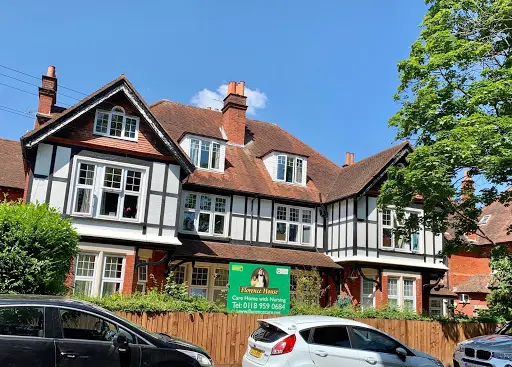
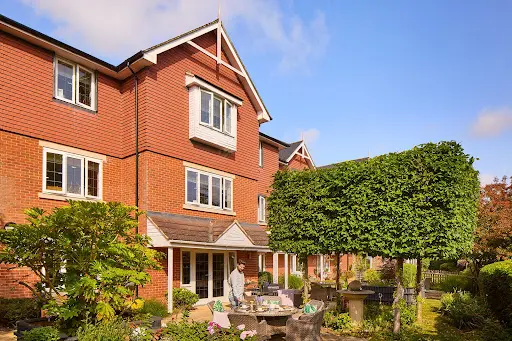
Sandown Park Care Home
At a Glance
The information you need to decide whether this home warrants a closer look.
Nursing homes
Staff warmth score
of reviewers answered yes
Good to know
- Registered beds95
- SpecialismsCaring for adults over 65 yrs, Caring for adults under 65 yrs, Dementia
- Last inspected2018-03-04
Save Sandown Park Care Home to your shortlist
Keep a running list, add visit notes, and compare homes side-by-side. Free account — it takes a minute.
STAGE 4 — RESEARCHING CARE HOMES
Visit homes. Compare them side by side. Choose with confidence.
Most of us will view care homes the way we view houses, impression, atmosphere, the feeling in the corridor. We go home, try to remember what we saw, and make a permanent decision from a blurred memory.

The DCC shortlist gives every home you visit a structured record: the same twelve questions, answered the same way, every time. When you’re ready to choose, pull any two homes side by side and compare them directly. Same criteria, same evidence, your notes and your scores.
The Evidence
What the review data, the inspection reports, and the dementia-care evidence base tell us about this home.
What families say
Some families have seen their relatives settle into life at the home, appearing content in their new surroundings. The staff seem to create a welcoming atmosphere for visitors, with several relatives commenting on the polite and responsive nature of the team.
The eight family priority themes
- Staff warmth85
- Compassion & dignity88
- Cleanliness72
- Activities & engagement82
- Food quality68
- Healthcare72
- Management & leadership85
- Resident happiness80
What inspectors found
Inspected 2018-03-04
Is this home safe?
Is the care effective?
The home was rated Good for effectiveness at the January 2018 inspection. This covers training, care planning, healthcare access, and nutritional support. Dementia is listed as a registered specialism, which requires the provider to demonstrate relevant staff competence. No specific detail about training content, GP visit frequency, care plan quality, or food provision is recorded in the published summary available here.Is this home caring?
The home received an Outstanding rating for caring at the January 2018 inspection. This is the highest rating available and requires inspectors to find strong, specific evidence of warmth, dignity, compassion, and respect in day-to-day staff interactions. To achieve Outstanding in this domain, inspectors typically need to observe multiple unprompted examples of kind, unhurried care and gather testimony from residents and families. No specific quotes or observations are reproduced in the published summary available here.Is the home responsive?
The home received an Outstanding rating for responsiveness at the January 2018 inspection. This domain covers how well the home tailors care to individual needs, the range and quality of activities, how complaints are handled, and how the home supports people at the end of life. An Outstanding rating here requires inspectors to find specific evidence that the home goes beyond a standard programme and genuinely shapes daily life around each person. No specific examples of activities, individual care adjustments, or complaint outcomes are reproduced in the published summary available here.Is the home well-led?
The home received an Outstanding rating for leadership at the January 2018 inspection. The registered manager is named as Ms Shahnaaz Mohamad and the nominated individual as Mrs Helen Gidlow. The home is operated by Healthcare Homes (LSC) Limited. An Outstanding well-led rating requires inspectors to find a positive, open culture where staff feel supported, governance systems are robust, and the home learns from mistakes. No specific examples of management practice, staff feedback, or governance processes are reproduced in the published summary available here.
Source: CQC inspection report →
What the evidence base says
The home cares for adults across different age groups, both under and over 65. They also provide specialist dementia care alongside their general residential services. For residents living with dementia, the home offers dedicated support as part of their specialist services. The team has experience caring for people at different stages of their dementia journey. All areas worth probing directly during a visit.
The DCC Verdict
Our editorial view, built from the three lenses: what families tell us, what inspectors record, and how the home sits against good dementia-care practice.
DCC Family Score
Sandown Park Care Home scored well above average, reflecting Outstanding ratings in caring, responsiveness, and leadership. However, because the published inspection report text contains very limited specific detail beyond ratings and domain outcomes, several scores rely on the rating level rather than direct inspector observations or testimony.
Homes in South East typically score 68–82.The three-lens summary
What families tell us
Some families have seen their relatives settle into life at the home, appearing content in their new surroundings. The staff seem to create a welcoming atmosphere for visitors, with several relatives commenting on the polite and responsive nature of the team.
What inspectors have recorded
How it sits against good practice
Families considering Sandown Park might want to visit and see how the home could work for their own situation.
Worth a visit
Sandown Park Care Home at 61 Vale Road, Windsor, was rated Outstanding overall at its last inspection in January 2018, having improved from a previous rating of Good. Inspectors rated the home Outstanding for caring, responsiveness, and leadership, and Good for safety and effectiveness. An Outstanding caring rating is the highest available and requires inspectors to find specific, compelling evidence that staff treat the people who live there with genuine warmth, dignity, and respect. The main uncertainty is that the full published report text is not available here, which means specific inspector observations, resident testimony, and detailed findings cannot be confirmed or quoted. The inspection also took place in early 2018, which is now several years ago. A great deal can change in a care home over that time, including management, staffing, and ownership culture. When you visit, ask to speak to the registered manager about what has changed since the inspection, request to see last week's actual staffing rota (including night shifts), and spend time in a communal area watching how staff interact with residents without being prompted.
The three questions to ask when you visitSave this home. Compare it against your shortlist.
Let our analysis show you how Sandown Park Care Home measures up against the other homes you’re considering. Free account.
In Their Own Words
How Sandown Park Care Home describes itself — collected from its own website. DCC has not edited or independently verified the content in this tab.
Staff who welcome families warmly in Windsor care setting
Nursing home in Windsor: True Peace of Mind
When families first arrive at Sandown Park Care Home in Windsor, they often find staff members who understand how difficult this transition can be. The home provides care for adults both under and over 65, including those living with dementia. Relatives have noticed how approachable the team can be during visits.
Who they care for
The home cares for adults across different age groups, both under and over 65. They also provide specialist dementia care alongside their general residential services.
For residents living with dementia, the home offers dedicated support as part of their specialist services. The team has experience caring for people at different stages of their dementia journey.
“Families considering Sandown Park might want to visit and see how the home could work for their own situation.”
DCC does not edit or curate content in this tab. For independently curated information, see The Evidence and DCC Verdict.
The DCC Verdict
Our editorial view, built from the three lenses: what families tell us, what inspectors record, and how the home sits against good dementia-care practice.
DCC Family Score
Sandown Park Care Home scored well above average, reflecting Outstanding ratings in caring, responsiveness, and leadership. However, because the published inspection report text contains very limited specific detail beyond ratings and domain outcomes, several scores rely on the rating level rather than direct inspector observations or testimony.
Homes in South East typically score 68–82.The three-lens summary
What families tell us
Some families have seen their relatives settle into life at the home, appearing content in their new surroundings. The staff seem to create a welcoming atmosphere for visitors, with several relatives commenting on the polite and responsive nature of the team.
What inspectors have recorded
How it sits against good practice
Families considering Sandown Park might want to visit and see how the home could work for their own situation.
Worth a visit
Sandown Park Care Home at 61 Vale Road, Windsor, was rated Outstanding overall at its last inspection in January 2018, having improved from a previous rating of Good. Inspectors rated the home Outstanding for caring, responsiveness, and leadership, and Good for safety and effectiveness. An Outstanding caring rating is the highest available and requires inspectors to find specific, compelling evidence that staff treat the people who live there with genuine warmth, dignity, and respect. The main uncertainty is that the full published report text is not available here, which means specific inspector observations, resident testimony, and detailed findings cannot be confirmed or quoted. The inspection also took place in early 2018, which is now several years ago. A great deal can change in a care home over that time, including management, staffing, and ownership culture. When you visit, ask to speak to the registered manager about what has changed since the inspection, request to see last week's actual staffing rota (including night shifts), and spend time in a communal area watching how staff interact with residents without being prompted.
The three questions to ask when you visitSave this home. Compare it against your shortlist.
Let our analysis show you how Sandown Park Care Home measures up against the other homes you’re considering. Free account.
In Their Own Words
How Sandown Park Care Home describes itself — collected from its own website. DCC has not edited or independently verified the content in this tab.
Staff who welcome families warmly in Windsor care setting
Nursing home in Windsor: True Peace of Mind
When families first arrive at Sandown Park Care Home in Windsor, they often find staff members who understand how difficult this transition can be. The home provides care for adults both under and over 65, including those living with dementia. Relatives have noticed how approachable the team can be during visits.
Who they care for
The home cares for adults across different age groups, both under and over 65. They also provide specialist dementia care alongside their general residential services.
For residents living with dementia, the home offers dedicated support as part of their specialist services. The team has experience caring for people at different stages of their dementia journey.
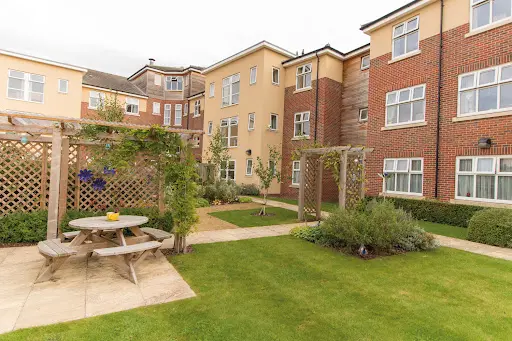
The home & environment
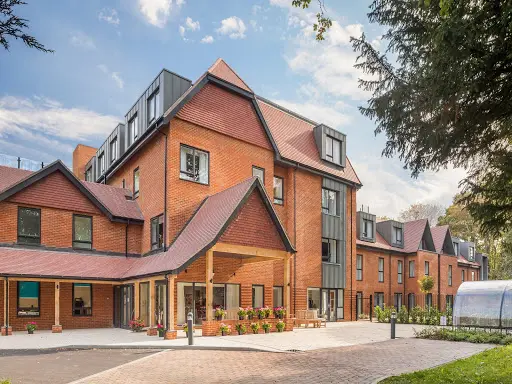
The individual rooms are kept clean and properly maintained, giving residents their own well-looked-after space. The home maintains these private areas to a good standard.
“Families considering Sandown Park might want to visit and see how the home could work for their own situation.”
DCC does not edit or curate content in this tab. For independently curated information, see The Evidence and DCC Verdict.