Rosedale Centre
At a Glance
The information you need to decide whether this home warrants a closer look.
Residential homes
Staff warmth score
of reviewers answered yes
Good to know
- Registered beds44
- SpecialismsCaring for adults over 65 yrs, Caring for adults under 65 yrs, Dementia, Mental health conditions, Physical disabilities, Sensory impairment
- Last inspected2022-11-16
Save Rosedale Centre to your shortlist
Keep a running list, add visit notes, and compare homes side-by-side. Free account — it takes a minute.
STAGE 4 — RESEARCHING CARE HOMES
Visit homes. Compare them side by side. Choose with confidence.
Most of us will view care homes the way we view houses, impression, atmosphere, the feeling in the corridor. We go home, try to remember what we saw, and make a permanent decision from a blurred memory.

The DCC shortlist gives every home you visit a structured record: the same twelve questions, answered the same way, every time. When you’re ready to choose, pull any two homes side by side and compare them directly. Same criteria, same evidence, your notes and your scores.
The Evidence
What the review data, the inspection reports, and the dementia-care evidence base tell us about this home.
What families say
When residents connect well with staff here, families describe real warmth and patience during recovery. The atmosphere can feel supportive and encouraging, particularly for those working hard to regain mobility after hospital stays.
The eight family priority themes
- Staff warmth72
- Compassion & dignity72
- Cleanliness70
- Activities & engagement62
- Food quality62
- Healthcare68
- Management & leadership74
- Resident happiness68
What inspectors found
Inspected 2022-11-16
Is this home safe?
Is the care effective?
The Effective domain was rated Good, covering care planning, staff training, healthcare access, and nutritional support. The home lists dementia as a specialism, which means inspectors would have assessed whether dementia-specific training and care planning were in place. The published summary does not describe specific training content, care plan formats, GP access arrangements, or examples of health monitoring. The Good rating indicates the inspectors were satisfied with the overall standard.Is this home caring?
The Caring domain was rated Good, which is the domain most directly concerned with staff warmth, dignity, and respect. Inspectors assess whether staff know residents as individuals, address them by their preferred names, support their independence, and respond to distress appropriately. The published summary does not include direct quotes from residents or relatives, nor any specific inspector observations of staff interactions. The Good rating indicates that the standard was met across the home at the time of inspection.Is the home responsive?
The Responsive domain was rated Good, covering activities, individual engagement, and end-of-life care planning. The home offers care for people with dementia, mental health conditions, physical disabilities, and sensory impairments, meaning the activity and engagement offer needs to be appropriately tailored. The published summary does not describe specific activities, individual engagement approaches, or end-of-life planning arrangements. The Good rating indicates inspectors found the standard was met.Is the home well-led?
The Well-led domain was rated Good, an improvement from the previous inspection when the home was rated Requires Improvement. The home has a named registered manager, Mrs Kelly-Marie Bloomfield, and a named nominated individual, Mrs Rebecca Gray, both of which are recorded by the regulator. The home is operated by Stockton-on-Tees Borough Council, a local authority provider. The published summary does not describe the management culture, staff satisfaction, governance processes, or how the home uses feedback from residents and families. The improved rating suggests the governance gaps identified previously had been addressed.
Source: CQC inspection report →
What the evidence base says
The centre cares for adults of all ages with physical disabilities, sensory impairments, mental health conditions and dementia. Their rehabilitation programme includes physiotherapy support, with several residents achieving measurable mobility improvements during their stay. For residents with dementia, the centre provides specialist support alongside their rehabilitation services. Families considering the home should discuss assessment procedures thoroughly to ensure their relative's needs are fully understood. All areas worth probing directly during a visit.
The DCC Verdict
Our editorial view, built from the three lenses: what families tell us, what inspectors record, and how the home sits against good dementia-care practice.
DCC Family Score
Rosedale Centre scores 71 out of 100, reflecting a genuine improvement from its previous Requires Improvement rating to a full Good across all five inspection domains. The score is held back by limited specific detail in the published report, meaning several important areas for families cannot be verified from the inspection text alone.
Homes in North East typically score 68–82.The three-lens summary
What families tell us
When residents connect well with staff here, families describe real warmth and patience during recovery. The atmosphere can feel supportive and encouraging, particularly for those working hard to regain mobility after hospital stays.
What inspectors have recorded
Communication experiences vary significantly between families. While some find staff responsive and cheerful when answering questions, others have encountered gaps between care teams and management that affected their relative's assessment or care planning.
How it sits against good practice
If you're considering Rosedale Centre for rehabilitation care, it's worth asking detailed questions about their assessment process and how they'll communicate with you throughout your relative's stay.
Worth a visit
Rosedale Centre, at 122 Marske Lane, Stockton-on-Tees, was rated Good at its inspection in November 2022, with all five domains (safe, effective, caring, responsive, and well-led) receiving Good ratings. This is a meaningful improvement from a previous Requires Improvement rating, which suggests the leadership team has made real changes. The home is run by Stockton-on-Tees Borough Council and has a named registered manager and nominated individual on record, which points to a stable governance structure. The main limitation here is that the published inspection summary contains very little specific detail: no direct quotes from residents or relatives, no descriptions of staff interactions, and no specifics on food, activities, or night staffing. A Good rating tells you the inspectors were broadly satisfied, but it does not tell you what daily life actually looks like for your mum or dad. Before making a decision, visit in person during the afternoon (when activity should be at its peak), ask to see last month's actual activity records and a sample week of menus, and ask the manager directly how many permanent staff cover nights across the 44 beds.
The three questions to ask when you visitSave this home. Compare it against your shortlist.
Let our analysis show you how Rosedale Centre measures up against the other homes you’re considering. Free account.
In Their Own Words
How Rosedale Centre describes itself — collected from its own website. DCC has not edited or independently verified the content in this tab.
Rehabilitation success stories alongside questions about care consistency
Compassionate Care in Stockton-on-Tees at Rosedale Centre
Rosedale Centre in Stockton-on-Tees specialises in short-term rehabilitation, with several residents making remarkable recoveries — from wheelchair to walking frame, or regaining independence after serious health events. The centre supports people with complex needs including dementia and physical disabilities, though some families have raised concerns about assessment processes and communication that deserve careful consideration.
Who they care for
The centre cares for adults of all ages with physical disabilities, sensory impairments, mental health conditions and dementia. Their rehabilitation programme includes physiotherapy support, with several residents achieving measurable mobility improvements during their stay.
For residents with dementia, the centre provides specialist support alongside their rehabilitation services. Families considering the home should discuss assessment procedures thoroughly to ensure their relative's needs are fully understood.
“If you're considering Rosedale Centre for rehabilitation care, it's worth asking detailed questions about their assessment process and how they'll communicate with you throughout your relative's stay.”
DCC does not edit or curate content in this tab. For independently curated information, see The Evidence and DCC Verdict.
The DCC Verdict
Our editorial view, built from the three lenses: what families tell us, what inspectors record, and how the home sits against good dementia-care practice.
DCC Family Score
Rosedale Centre scores 71 out of 100, reflecting a genuine improvement from its previous Requires Improvement rating to a full Good across all five inspection domains. The score is held back by limited specific detail in the published report, meaning several important areas for families cannot be verified from the inspection text alone.
Homes in North East typically score 68–82.The three-lens summary
What families tell us
When residents connect well with staff here, families describe real warmth and patience during recovery. The atmosphere can feel supportive and encouraging, particularly for those working hard to regain mobility after hospital stays.
What inspectors have recorded
Communication experiences vary significantly between families. While some find staff responsive and cheerful when answering questions, others have encountered gaps between care teams and management that affected their relative's assessment or care planning.
How it sits against good practice
If you're considering Rosedale Centre for rehabilitation care, it's worth asking detailed questions about their assessment process and how they'll communicate with you throughout your relative's stay.
Worth a visit
Rosedale Centre, at 122 Marske Lane, Stockton-on-Tees, was rated Good at its inspection in November 2022, with all five domains (safe, effective, caring, responsive, and well-led) receiving Good ratings. This is a meaningful improvement from a previous Requires Improvement rating, which suggests the leadership team has made real changes. The home is run by Stockton-on-Tees Borough Council and has a named registered manager and nominated individual on record, which points to a stable governance structure. The main limitation here is that the published inspection summary contains very little specific detail: no direct quotes from residents or relatives, no descriptions of staff interactions, and no specifics on food, activities, or night staffing. A Good rating tells you the inspectors were broadly satisfied, but it does not tell you what daily life actually looks like for your mum or dad. Before making a decision, visit in person during the afternoon (when activity should be at its peak), ask to see last month's actual activity records and a sample week of menus, and ask the manager directly how many permanent staff cover nights across the 44 beds.
The three questions to ask when you visitSave this home. Compare it against your shortlist.
Let our analysis show you how Rosedale Centre measures up against the other homes you’re considering. Free account.
In Their Own Words
How Rosedale Centre describes itself — collected from its own website. DCC has not edited or independently verified the content in this tab.
Rehabilitation success stories alongside questions about care consistency
Compassionate Care in Stockton-on-Tees at Rosedale Centre
Rosedale Centre in Stockton-on-Tees specialises in short-term rehabilitation, with several residents making remarkable recoveries — from wheelchair to walking frame, or regaining independence after serious health events. The centre supports people with complex needs including dementia and physical disabilities, though some families have raised concerns about assessment processes and communication that deserve careful consideration.
Who they care for
The centre cares for adults of all ages with physical disabilities, sensory impairments, mental health conditions and dementia. Their rehabilitation programme includes physiotherapy support, with several residents achieving measurable mobility improvements during their stay.
For residents with dementia, the centre provides specialist support alongside their rehabilitation services. Families considering the home should discuss assessment procedures thoroughly to ensure their relative's needs are fully understood.
Management & ethos
Communication experiences vary significantly between families. While some find staff responsive and cheerful when answering questions, others have encountered gaps between care teams and management that affected their relative's assessment or care planning.
The home & environment
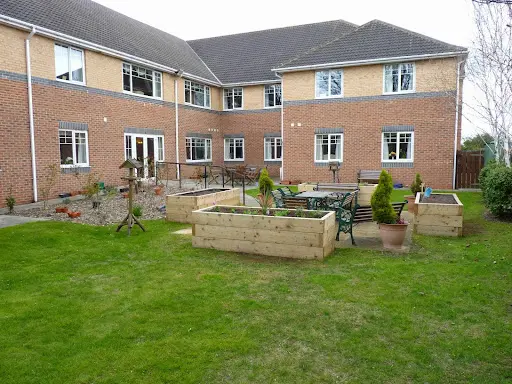
The home-cooked meals get consistent praise for both taste and presentation — proper food that helps with recovery. Rooms have been described as comfortable, though some residents would appreciate more control over their environment.
“If you're considering Rosedale Centre for rehabilitation care, it's worth asking detailed questions about their assessment process and how they'll communicate with you throughout your relative's stay.”
DCC does not edit or curate content in this tab. For independently curated information, see The Evidence and DCC Verdict.