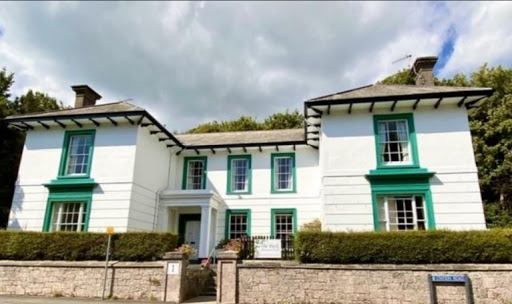
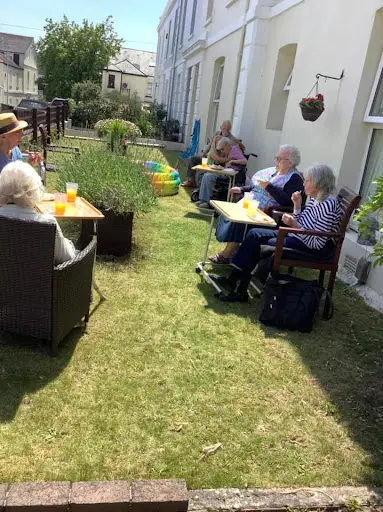
Redmount Residential Home
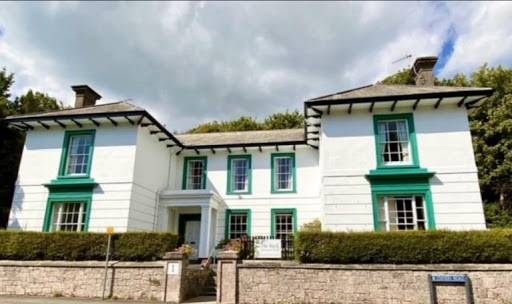
At a Glance
The information you need to decide whether this home warrants a closer look.
Residential homes
Staff warmth score
of reviewers answered yes
Good to know
- Registered beds36
- SpecialismsCaring for adults over 65 yrs, Dementia, Mental health conditions, Physical disabilities
- Last inspected2023-03-08
Save Redmount Residential Home to your shortlist
Keep a running list, add visit notes, and compare homes side-by-side. Free account — it takes a minute.
STAGE 4 — RESEARCHING CARE HOMES
Visit homes. Compare them side by side. Choose with confidence.
Most of us will view care homes the way we view houses, impression, atmosphere, the feeling in the corridor. We go home, try to remember what we saw, and make a permanent decision from a blurred memory.

The DCC shortlist gives every home you visit a structured record: the same twelve questions, answered the same way, every time. When you’re ready to choose, pull any two homes side by side and compare them directly. Same criteria, same evidence, your notes and your scores.
The Evidence
What the review data, the inspection reports, and the dementia-care evidence base tell us about this home.
What families say
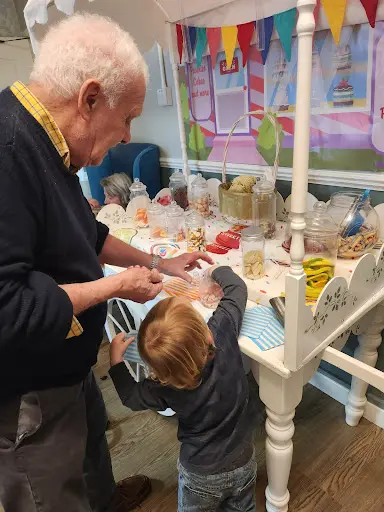
Families describe how their loved ones have settled into life here, forming friendships and participating in the community. The structured programme of music, arts and social events helps residents stay engaged throughout their day. People notice how the atmosphere supports those with dementia to feel secure and socially connected.
The eight family priority themes
- Staff warmth70
- Compassion & dignity72
- Cleanliness70
- Activities & engagement60
- Food quality55
- Healthcare65
- Management & leadership45
- Resident happiness68
What inspectors found
Inspected 2023-03-08
Is this home safe?
Is the care effective?
The Effective domain was rated Good at the January 2023 inspection. This covers training, care planning, healthcare access, and nutrition. The published report text does not include specific observations about care plan quality, GP access arrangements, or dementia training content, so families are working primarily from the rating rather than detailed inspector observations. The home's registration to care for people with dementia implies some specialist provision, but the extent of that provision is not described in the available text.Is this home caring?
Inspectors rated the Caring domain as Good at the January 2023 inspection. This domain covers staff warmth, dignity, respect, and how well staff treat the people in their care as individuals. The published report text does not include specific inspector observations, resident testimony, or relative feedback in the version available, so families are relying on the rating itself rather than the granular detail that would allow a fuller picture. The Good rating indicates inspectors were satisfied that care interactions met the required standard.Is the home responsive?
The Responsive domain was rated Good at the January 2023 inspection. Responsiveness covers how well the home tailors care to individual needs, whether activities are meaningful, and how end-of-life care is handled. The published text does not include specific detail about the activities programme, individual engagement, or complaint handling processes. The Good rating indicates inspectors found the home met the required standard across these areas, but the evidence base available to families is limited.Is the home well-led?
The Well-led domain was rated Requires Improvement at the January 2023 inspection, the only domain not to achieve a Good rating. This is notable because the overall rating improved to Good, meaning the other four domains were strong enough to offset this finding. The registered manager is Mrs Nicola Jayne Howis, with Mr Scott David Davies as nominated individual. The specific reasons for the Requires Improvement rating are not described in the published text available, so it is not possible to identify which governance or leadership concerns were raised.
Source: CQC inspection report →
What the evidence base says
Redmount specialises in supporting adults over 65 with dementia, mental health conditions and physical disabilities. The home provides residential care with expertise in managing the complex needs that often accompany these conditions. The dementia care here focuses on helping residents maintain social connections and daily structure. Families report that their loved ones with dementia have found stability and companionship within the community. All areas worth probing directly during a visit.
The DCC Verdict
Our editorial view, built from the three lenses: what families tell us, what inspectors record, and how the home sits against good dementia-care practice.
DCC Family Score
Redmount Residential Care Home scores 72 out of 100, reflecting solid Good ratings across safety, care quality, and compassion, held back by a Requires Improvement rating in Well-led, which raises questions about governance and management oversight that families should probe directly on a visit.
Homes in South West typically score 68–82.The three-lens summary
What families tell us
Families describe how their loved ones have settled into life here, forming friendships and participating in the community. The structured programme of music, arts and social events helps residents stay engaged throughout their day. People notice how the atmosphere supports those with dementia to feel secure and socially connected.
What inspectors have recorded
The care team — from nurses to housekeeping staff — work together with a consistent approach that families appreciate. Communication between departments appears coordinated, with kitchen, domestic and laundry teams all contributing to residents' daily comfort. Families mention feeling heard and supported in their own journey.
How it sits against good practice
For families facing difficult decisions about dementia or mental health care, visiting Redmount could help you understand if this supportive environment might work for your loved one.
Worth a visit
Redmount Residential Care Home in Buckfastleigh, Devon, was rated Good overall at its most recent inspection in January 2023, with Good ratings across Safe, Effective, Caring, and Responsive. This is a meaningful improvement from the previous Requires Improvement rating, suggesting the home has made real progress. The home cares for up to 36 people, including those living with dementia, mental health conditions, and physical disabilities. The one area of concern is the Well-led domain, which remains rated Requires Improvement. This means inspectors identified gaps in management oversight or governance that had not yet been fully resolved. Because leadership quality is one of the strongest predictors of how a home performs over time, this is worth taking seriously on a visit. Ask to speak with the registered manager about what specific improvements are being made, how they monitor quality day to day, and how they have addressed the concerns raised at inspection. The published report text is limited in detail, so many questions about staffing, activities, food, and dementia-specific care will need to be answered by the home directly.
The three questions to ask when you visitSave this home. Compare it against your shortlist.
Let our analysis show you how Redmount Residential Home measures up against the other homes you’re considering. Free account.
In Their Own Words
How Redmount Residential Home describes itself — collected from its own website. DCC has not edited or independently verified the content in this tab.
A place where life continues with meaning and connection
Compassionate Care in Buckfastleigh at Redmount Residential Care Home
Families searching for dementia care in Buckfastleigh often discover something reassuring at Redmount Residential Care Home. This South West care home creates an environment where residents with dementia and mental health conditions find their days filled with purpose. The team here understands that good care means more than meeting physical needs — it's about maintaining dignity and fostering genuine connections.
Who they care for
Redmount specialises in supporting adults over 65 with dementia, mental health conditions and physical disabilities. The home provides residential care with expertise in managing the complex needs that often accompany these conditions.
The dementia care here focuses on helping residents maintain social connections and daily structure. Families report that their loved ones with dementia have found stability and companionship within the community.
“For families facing difficult decisions about dementia or mental health care, visiting Redmount could help you understand if this supportive environment might work for your loved one.”
DCC does not edit or curate content in this tab. For independently curated information, see The Evidence and DCC Verdict.
The DCC Verdict
Our editorial view, built from the three lenses: what families tell us, what inspectors record, and how the home sits against good dementia-care practice.
DCC Family Score
Redmount Residential Care Home scores 72 out of 100, reflecting solid Good ratings across safety, care quality, and compassion, held back by a Requires Improvement rating in Well-led, which raises questions about governance and management oversight that families should probe directly on a visit.
Homes in South West typically score 68–82.The three-lens summary
What families tell us
Families describe how their loved ones have settled into life here, forming friendships and participating in the community. The structured programme of music, arts and social events helps residents stay engaged throughout their day. People notice how the atmosphere supports those with dementia to feel secure and socially connected.
What inspectors have recorded
The care team — from nurses to housekeeping staff — work together with a consistent approach that families appreciate. Communication between departments appears coordinated, with kitchen, domestic and laundry teams all contributing to residents' daily comfort. Families mention feeling heard and supported in their own journey.
How it sits against good practice
For families facing difficult decisions about dementia or mental health care, visiting Redmount could help you understand if this supportive environment might work for your loved one.
Worth a visit
Redmount Residential Care Home in Buckfastleigh, Devon, was rated Good overall at its most recent inspection in January 2023, with Good ratings across Safe, Effective, Caring, and Responsive. This is a meaningful improvement from the previous Requires Improvement rating, suggesting the home has made real progress. The home cares for up to 36 people, including those living with dementia, mental health conditions, and physical disabilities. The one area of concern is the Well-led domain, which remains rated Requires Improvement. This means inspectors identified gaps in management oversight or governance that had not yet been fully resolved. Because leadership quality is one of the strongest predictors of how a home performs over time, this is worth taking seriously on a visit. Ask to speak with the registered manager about what specific improvements are being made, how they monitor quality day to day, and how they have addressed the concerns raised at inspection. The published report text is limited in detail, so many questions about staffing, activities, food, and dementia-specific care will need to be answered by the home directly.
The three questions to ask when you visitSave this home. Compare it against your shortlist.
Let our analysis show you how Redmount Residential Home measures up against the other homes you’re considering. Free account.
In Their Own Words
How Redmount Residential Home describes itself — collected from its own website. DCC has not edited or independently verified the content in this tab.
A place where life continues with meaning and connection
Compassionate Care in Buckfastleigh at Redmount Residential Care Home
Families searching for dementia care in Buckfastleigh often discover something reassuring at Redmount Residential Care Home. This South West care home creates an environment where residents with dementia and mental health conditions find their days filled with purpose. The team here understands that good care means more than meeting physical needs — it's about maintaining dignity and fostering genuine connections.
Who they care for
Redmount specialises in supporting adults over 65 with dementia, mental health conditions and physical disabilities. The home provides residential care with expertise in managing the complex needs that often accompany these conditions.
The dementia care here focuses on helping residents maintain social connections and daily structure. Families report that their loved ones with dementia have found stability and companionship within the community.
Management & ethos
The care team — from nurses to housekeeping staff — work together with a consistent approach that families appreciate. Communication between departments appears coordinated, with kitchen, domestic and laundry teams all contributing to residents' daily comfort. Families mention feeling heard and supported in their own journey.
“For families facing difficult decisions about dementia or mental health care, visiting Redmount could help you understand if this supportive environment might work for your loved one.”
DCC does not edit or curate content in this tab. For independently curated information, see The Evidence and DCC Verdict.