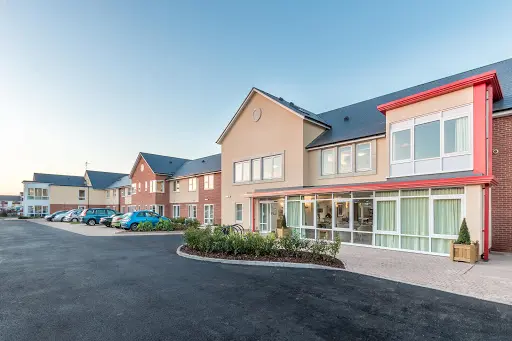
Primecare Residential Care Home
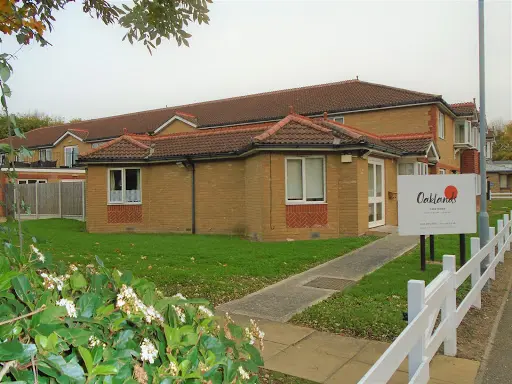
At a Glance
The information you need to decide whether this home warrants a closer look.
Residential homes
Staff warmth score
of reviewers answered yes
Good to know
- Registered beds42
- SpecialismsCaring for adults over 65 yrs, Caring for adults under 65 yrs, Dementia, Sensory impairment
- Last inspected2021-11-11
Save Primecare Residential Care Home to your shortlist
Keep a running list, add visit notes, and compare homes side-by-side. Free account — it takes a minute.
STAGE 4 — RESEARCHING CARE HOMES
Visit homes. Compare them side by side. Choose with confidence.
Most of us will view care homes the way we view houses, impression, atmosphere, the feeling in the corridor. We go home, try to remember what we saw, and make a permanent decision from a blurred memory.

The DCC shortlist gives every home you visit a structured record: the same twelve questions, answered the same way, every time. When you’re ready to choose, pull any two homes side by side and compare them directly. Same criteria, same evidence, your notes and your scores.
The Evidence
What the review data, the inspection reports, and the dementia-care evidence base tell us about this home.
What families say
Visitors have noticed staff taking time to interact patiently with residents, showing genuine engagement in their daily care. The home maintains a clean, well-kept environment that families appreciate when visiting.
The eight family priority themes
- Staff warmth72
- Compassion & dignity72
- Cleanliness72
- Activities & engagement65
- Food quality65
- Healthcare70
- Management & leadership75
- Resident happiness70
What inspectors found
Inspected 2021-11-11
Is this home safe?
Is the care effective?
The February 2024 inspection rated Effective as Good. The home is registered to provide care for people living with dementia, adults over and under 65, and people with sensory impairments, which means staff should be equipped to meet a range of complex needs. No specific information is available in the published report about care plan quality, GP access, medication management, or dementia-specific training content.Is this home caring?
The February 2024 inspection rated Caring as Good. No specific observations from inspectors about staff interactions, use of preferred names, response to distress, or the pace of care are included in the published report. No resident or family quotes are available in the published findings.Is the home responsive?
The February 2024 inspection rated Responsive as Good. The home is registered for dementia care, care for adults of varying ages, and sensory impairments, which implies a commitment to meeting individual needs. No specific information is available in the published report about the activity programme, one-to-one engagement, individualised care approaches, or end-of-life planning.Is the home well-led?
The February 2024 inspection rated Well-led as Good. Mrs Michelle Louise Seymour is the named Registered Manager and Mrs Emma Marie Jones is the Nominated Individual, indicating a clear leadership structure. The home has improved from a previous Requires Improvement rating, which suggests management has been effective in identifying and addressing earlier concerns. No specific information about manager visibility, staff culture, governance processes, or family communication mechanisms is included in the published report.
Source: CQC inspection report →
What the evidence base says
The home cares for adults both under and over 65, including those with sensory impairments. They offer specialist dementia support alongside their general residential care services. Primecare includes dementia care among their specialist services. Given the complex nature of dementia support, families should ask detailed questions about staff training and specific care approaches during visits. All areas worth probing directly during a visit.
The DCC Verdict
Our editorial view, built from the three lenses: what families tell us, what inspectors record, and how the home sits against good dementia-care practice.
DCC Family Score
Primecare at 62 Downs Grove improved from Requires Improvement to Good across all five domains at its most recent inspection, which is a meaningful positive step. However, the published report contains very limited specific detail, so scores reflect a confirmed positive direction rather than strong evidenced performance in any individual theme.
Homes in East typically score 68–82.The three-lens summary
What families tell us
Visitors have noticed staff taking time to interact patiently with residents, showing genuine engagement in their daily care. The home maintains a clean, well-kept environment that families appreciate when visiting.
What inspectors have recorded
Staff generally keep families informed through visits and phone updates about their loved ones. However, some families have experienced concerning responses to serious incidents, suggesting the need for thorough questions about safeguarding procedures and management accountability before making any decisions.
How it sits against good practice
With such varied experiences reported, visiting Primecare and asking direct questions about their care practices will help you understand if this is the right choice for your family.
Worth a visit
Primecare at 62 Downs Grove in Basildon was rated Good at its most recent inspection in February 2024, with the report published in May 2024. This is a positive result, and it represents a meaningful improvement from a previous Requires Improvement rating. All five inspection domains, covering safety, effectiveness, care quality, responsiveness, and leadership, were rated Good. A registered manager and a nominated individual are both named, which indicates an accountable leadership structure is in place. The main uncertainty here is that the published report text is extremely limited and contains almost no specific observations, resident or family quotes, or detail about day-to-day practice. A Good rating is reassuring as a baseline, but it tells you relatively little about what life actually looks like for your parent inside this home. Before making a decision, visit at different times of day, including a mealtime, ask to see last week's staffing rota, and find out specifically what dementia training staff have completed. The checklist above sets out the 21 areas the inspection did not address in detail: use those questions directly with the manager.
The three questions to ask when you visitSave this home. Compare it against your shortlist.
Let our analysis show you how Primecare Residential Care Home measures up against the other homes you’re considering. Free account.
In Their Own Words
How Primecare Residential Care Home describes itself — collected from its own website. DCC has not edited or independently verified the content in this tab.
Basildon care home with specialist support for varied needs
Primecare – Expert Care in Basildon
Primecare in East Basildon provides residential care for adults of all ages, including those under 65 with complex needs. The home specialises in supporting people with sensory impairments and dementia, alongside general residential care. While some families have found comfort in the staff's patience and the clean environment, others have raised serious concerns about care standards that potential residents should carefully consider.
Who they care for
The home cares for adults both under and over 65, including those with sensory impairments. They offer specialist dementia support alongside their general residential care services.
Primecare includes dementia care among their specialist services. Given the complex nature of dementia support, families should ask detailed questions about staff training and specific care approaches during visits.
“With such varied experiences reported, visiting Primecare and asking direct questions about their care practices will help you understand if this is the right choice for your family.”
DCC does not edit or curate content in this tab. For independently curated information, see The Evidence and DCC Verdict.
The DCC Verdict
Our editorial view, built from the three lenses: what families tell us, what inspectors record, and how the home sits against good dementia-care practice.
DCC Family Score
Primecare at 62 Downs Grove improved from Requires Improvement to Good across all five domains at its most recent inspection, which is a meaningful positive step. However, the published report contains very limited specific detail, so scores reflect a confirmed positive direction rather than strong evidenced performance in any individual theme.
Homes in East typically score 68–82.The three-lens summary
What families tell us
Visitors have noticed staff taking time to interact patiently with residents, showing genuine engagement in their daily care. The home maintains a clean, well-kept environment that families appreciate when visiting.
What inspectors have recorded
Staff generally keep families informed through visits and phone updates about their loved ones. However, some families have experienced concerning responses to serious incidents, suggesting the need for thorough questions about safeguarding procedures and management accountability before making any decisions.
How it sits against good practice
With such varied experiences reported, visiting Primecare and asking direct questions about their care practices will help you understand if this is the right choice for your family.
Worth a visit
Primecare at 62 Downs Grove in Basildon was rated Good at its most recent inspection in February 2024, with the report published in May 2024. This is a positive result, and it represents a meaningful improvement from a previous Requires Improvement rating. All five inspection domains, covering safety, effectiveness, care quality, responsiveness, and leadership, were rated Good. A registered manager and a nominated individual are both named, which indicates an accountable leadership structure is in place. The main uncertainty here is that the published report text is extremely limited and contains almost no specific observations, resident or family quotes, or detail about day-to-day practice. A Good rating is reassuring as a baseline, but it tells you relatively little about what life actually looks like for your parent inside this home. Before making a decision, visit at different times of day, including a mealtime, ask to see last week's staffing rota, and find out specifically what dementia training staff have completed. The checklist above sets out the 21 areas the inspection did not address in detail: use those questions directly with the manager.
The three questions to ask when you visitSave this home. Compare it against your shortlist.
Let our analysis show you how Primecare Residential Care Home measures up against the other homes you’re considering. Free account.
In Their Own Words
How Primecare Residential Care Home describes itself — collected from its own website. DCC has not edited or independently verified the content in this tab.
Basildon care home with specialist support for varied needs
Primecare – Expert Care in Basildon
Primecare in East Basildon provides residential care for adults of all ages, including those under 65 with complex needs. The home specialises in supporting people with sensory impairments and dementia, alongside general residential care. While some families have found comfort in the staff's patience and the clean environment, others have raised serious concerns about care standards that potential residents should carefully consider.
Who they care for
The home cares for adults both under and over 65, including those with sensory impairments. They offer specialist dementia support alongside their general residential care services.
Primecare includes dementia care among their specialist services. Given the complex nature of dementia support, families should ask detailed questions about staff training and specific care approaches during visits.
Management & ethos
Staff generally keep families informed through visits and phone updates about their loved ones. However, some families have experienced concerning responses to serious incidents, suggesting the need for thorough questions about safeguarding procedures and management accountability before making any decisions.
The home & environment
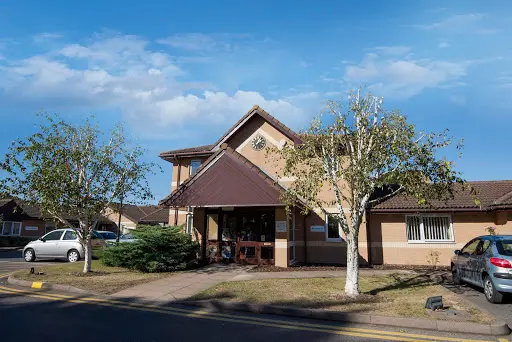
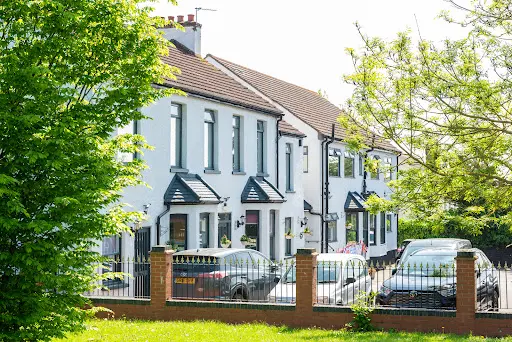
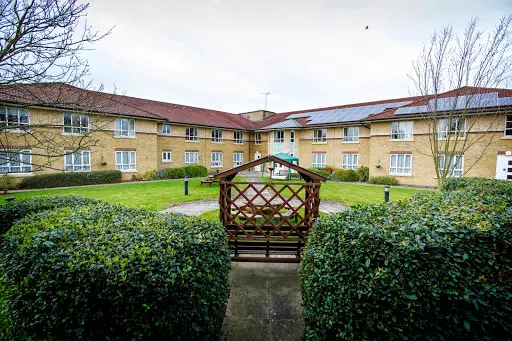
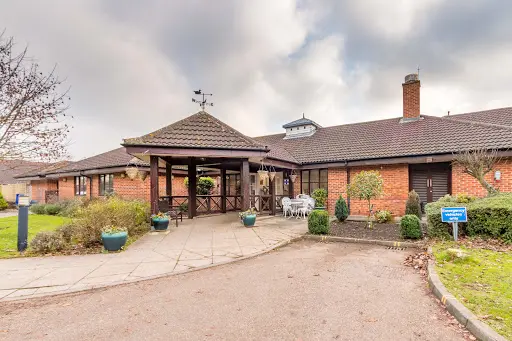
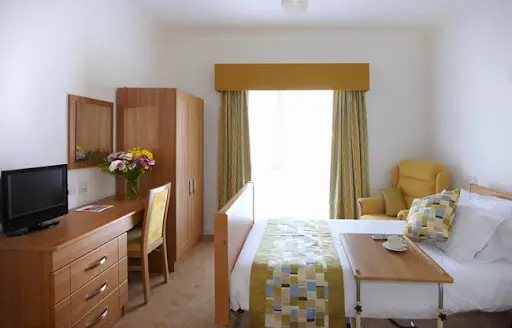
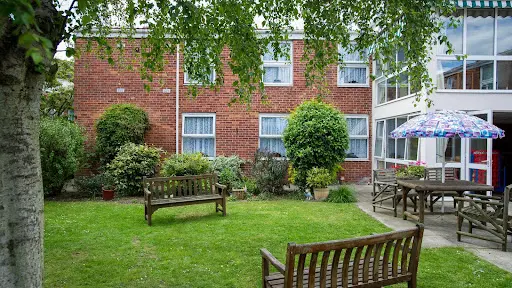
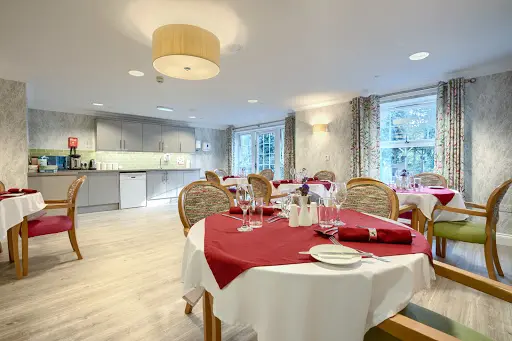
The premises are consistently described as clean and properly maintained. Additional services like hairdressing and personal care treatments are available, though families should ask about professional standards and quality control for these paid services.
“With such varied experiences reported, visiting Primecare and asking direct questions about their care practices will help you understand if this is the right choice for your family.”
DCC does not edit or curate content in this tab. For independently curated information, see The Evidence and DCC Verdict.