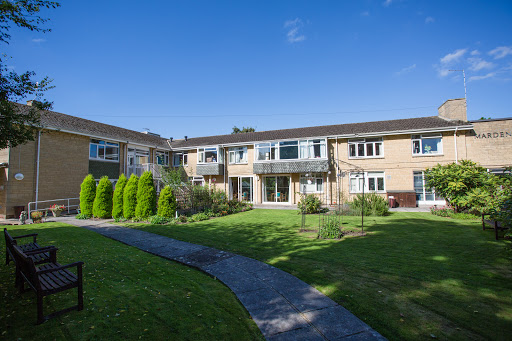
OSJCT Marden Court
At a Glance
The information you need to decide whether this home warrants a closer look.
Residential homes
Staff warmth score
of reviewers answered yes
Good to know
- Registered beds28
- SpecialismsCaring for adults over 65 yrs, Caring for adults under 65 yrs, Dementia, Mental health conditions
- Last inspected2019-06-21
Save OSJCT Marden Court to your shortlist
Keep a running list, add visit notes, and compare homes side-by-side. Free account — it takes a minute.
STAGE 4 — RESEARCHING CARE HOMES
Visit homes. Compare them side by side. Choose with confidence.
Most of us will view care homes the way we view houses, impression, atmosphere, the feeling in the corridor. We go home, try to remember what we saw, and make a permanent decision from a blurred memory.

The DCC shortlist gives every home you visit a structured record: the same twelve questions, answered the same way, every time. When you’re ready to choose, pull any two homes side by side and compare them directly. Same criteria, same evidence, your notes and your scores.
The Evidence
What the review data, the inspection reports, and the dementia-care evidence base tell us about this home.
What families say
Visitors frequently mention how friendly and dedicated the staff are, taking time to really get to know each resident. The home has a pleasant, welcoming atmosphere that helps people feel at ease. Many families notice their relatives seem genuinely happy and well-settled in their new surroundings.
The eight family priority themes
- Staff warmth72
- Compassion & dignity72
- Cleanliness72
- Activities & engagement68
- Food quality68
- Healthcare70
- Management & leadership75
- Resident happiness70
What inspectors found
Inspected 2019-06-21
Is this home safe?
Is the care effective?
The Effective domain was rated Good at the December 2023 inspection, covering areas such as staff training, care planning, and access to healthcare. The published summary does not include specific examples of how care plans are written or reviewed, what dementia training staff have completed, or how the home works with GPs and other health professionals. The improvement from Requires Improvement suggests that training or care planning gaps identified previously have been addressed. No direct evidence of care plan quality, GP access frequency, or dietary provision is available in the published text.Is this home caring?
The Caring domain was rated Good at the December 2023 inspection. This domain covers staff warmth, dignity, respect, and support for independence. The published summary does not include any direct observations of staff interactions, resident or relative testimony, or specific examples of how dignity is maintained. The improvement from Requires Improvement is a meaningful signal, suggesting that concerns about care quality or staff behaviour identified at an earlier inspection have been resolved. No specific evidence of how staff address residents by preferred names, respond to distress, or support residents to remain independent is available in the public record.Is the home responsive?
The Responsive domain was rated Good at the December 2023 inspection. This domain covers activities, individual engagement, responsiveness to complaints, and end-of-life care. The published summary does not include any detail about the activities programme, how the home tailors engagement for residents with more advanced dementia, or how complaints are handled. No mention is made of one-to-one activities, outdoor access, or how end-of-life preferences are recorded and respected. The Good rating and upward trend are positive signals, but the absence of specific evidence means this domain cannot be assessed in detail from the published report alone.Is the home well-led?
The Well-led domain was rated Good at the December 2023 inspection, up from Requires Improvement at a previous assessment. A named registered manager, Mr Dean Philip Palfrey, is confirmed as in post, alongside a nominated individual representing the provider organisation, The Orders of St. John Care Trust. The published summary does not include specific detail about governance processes, how the management team engages with staff or residents, or how the home monitors and improves its own quality. The upward trend from Requires Improvement to Good across all domains is the strongest signal of effective leadership available in the public record.
Source: CQC inspection report →
What the evidence base says
The home welcomes adults of all ages, providing specialist support for people living with dementia and mental health conditions. For residents with dementia, the team understands the importance of maintaining familiar routines and connections. The regular activities and community outings help provide structure and engagement throughout the week. All areas worth probing directly during a visit.
The DCC Verdict
Our editorial view, built from the three lenses: what families tell us, what inspectors record, and how the home sits against good dementia-care practice.
DCC Family Score
OSJCT Marden Court has improved from Requires Improvement to a Good rating across all five domains, which is a meaningful step forward. However, the published inspection report contains very little specific detail, so most scores reflect a confirmed positive direction rather than strong, observable evidence.
Homes in South West typically score 68–82.The three-lens summary
What families tell us
Visitors frequently mention how friendly and dedicated the staff are, taking time to really get to know each resident. The home has a pleasant, welcoming atmosphere that helps people feel at ease. Many families notice their relatives seem genuinely happy and well-settled in their new surroundings.
What inspectors have recorded
The team shows real dedication to residents' daily needs, with staff who are attentive and responsive. Families appreciate how the home keeps them informed about their loved ones. While most find the care compassionate, it's worth asking about staff training and consistency when you visit.
How it sits against good practice
Getting a feel for daily life at Marden Court will help you decide if it's the right fit for your family.
Worth a visit
OSJCT Marden Court, a 28-bed care home in Calne run by The Orders of St. John Care Trust, was rated Good across all five inspection domains at its most recent assessment in December 2023. This is a genuine improvement: the home previously held a Requires Improvement rating, and achieving Good across every domain suggests that the issues identified earlier have been addressed. The home supports adults over and under 65, including people living with dementia and mental health conditions. The main uncertainty here is that the published inspection report contains very little specific detail. No direct observations, resident or relative quotes, or examples of practice are available in the published summary. This means the Good ratings are confirmed but not richly evidenced in the public record. Before choosing this home for your parent, visit in person and ask the specific questions listed in the checklist below, particularly around staffing levels after 8pm, how dementia training is delivered, what one-to-one engagement looks like for residents who cannot join group activities, and how the home keeps families informed about day-to-day changes.
The three questions to ask when you visitSave this home. Compare it against your shortlist.
Let our analysis show you how OSJCT Marden Court measures up against the other homes you’re considering. Free account.
In Their Own Words
How OSJCT Marden Court describes itself — collected from its own website. DCC has not edited or independently verified the content in this tab.
A friendly community where residents enjoy outings and daily comforts
OSJCT Marden Court – Your Trusted residential home
When you're looking for residential care that keeps life feeling normal and connected, OSJCT Marden Court in Calne offers a welcoming environment where residents stay engaged with the wider community. This South West care home provides support for adults of all ages, including those living with dementia or mental health conditions. Families often comment on the warm atmosphere and how settled their loved ones seem here.
Who they care for
The home welcomes adults of all ages, providing specialist support for people living with dementia and mental health conditions.
For residents with dementia, the team understands the importance of maintaining familiar routines and connections. The regular activities and community outings help provide structure and engagement throughout the week.
“Getting a feel for daily life at Marden Court will help you decide if it's the right fit for your family.”
DCC does not edit or curate content in this tab. For independently curated information, see The Evidence and DCC Verdict.
The DCC Verdict
Our editorial view, built from the three lenses: what families tell us, what inspectors record, and how the home sits against good dementia-care practice.
DCC Family Score
OSJCT Marden Court has improved from Requires Improvement to a Good rating across all five domains, which is a meaningful step forward. However, the published inspection report contains very little specific detail, so most scores reflect a confirmed positive direction rather than strong, observable evidence.
Homes in South West typically score 68–82.The three-lens summary
What families tell us
Visitors frequently mention how friendly and dedicated the staff are, taking time to really get to know each resident. The home has a pleasant, welcoming atmosphere that helps people feel at ease. Many families notice their relatives seem genuinely happy and well-settled in their new surroundings.
What inspectors have recorded
The team shows real dedication to residents' daily needs, with staff who are attentive and responsive. Families appreciate how the home keeps them informed about their loved ones. While most find the care compassionate, it's worth asking about staff training and consistency when you visit.
How it sits against good practice
Getting a feel for daily life at Marden Court will help you decide if it's the right fit for your family.
Worth a visit
OSJCT Marden Court, a 28-bed care home in Calne run by The Orders of St. John Care Trust, was rated Good across all five inspection domains at its most recent assessment in December 2023. This is a genuine improvement: the home previously held a Requires Improvement rating, and achieving Good across every domain suggests that the issues identified earlier have been addressed. The home supports adults over and under 65, including people living with dementia and mental health conditions. The main uncertainty here is that the published inspection report contains very little specific detail. No direct observations, resident or relative quotes, or examples of practice are available in the published summary. This means the Good ratings are confirmed but not richly evidenced in the public record. Before choosing this home for your parent, visit in person and ask the specific questions listed in the checklist below, particularly around staffing levels after 8pm, how dementia training is delivered, what one-to-one engagement looks like for residents who cannot join group activities, and how the home keeps families informed about day-to-day changes.
The three questions to ask when you visitSave this home. Compare it against your shortlist.
Let our analysis show you how OSJCT Marden Court measures up against the other homes you’re considering. Free account.
In Their Own Words
How OSJCT Marden Court describes itself — collected from its own website. DCC has not edited or independently verified the content in this tab.
A friendly community where residents enjoy outings and daily comforts
OSJCT Marden Court – Your Trusted residential home
When you're looking for residential care that keeps life feeling normal and connected, OSJCT Marden Court in Calne offers a welcoming environment where residents stay engaged with the wider community. This South West care home provides support for adults of all ages, including those living with dementia or mental health conditions. Families often comment on the warm atmosphere and how settled their loved ones seem here.
Who they care for
The home welcomes adults of all ages, providing specialist support for people living with dementia and mental health conditions.
For residents with dementia, the team understands the importance of maintaining familiar routines and connections. The regular activities and community outings help provide structure and engagement throughout the week.
Management & ethos
The team shows real dedication to residents' daily needs, with staff who are attentive and responsive. Families appreciate how the home keeps them informed about their loved ones. While most find the care compassionate, it's worth asking about staff training and consistency when you visit.
The home & environment
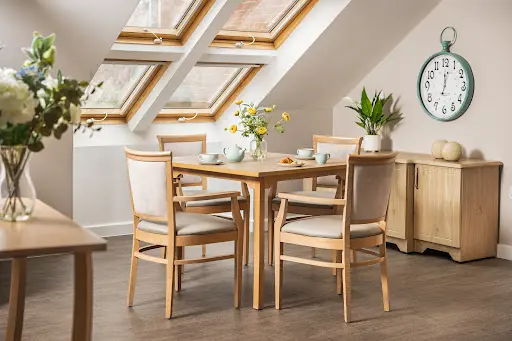
The home maintains clean, comfortable spaces throughout, with food and drinks available whenever residents want them. There's a varied menu to suit different tastes. Regular entertainment programmes and community outings give residents plenty to look forward to, from day trips to visiting performers.
“Getting a feel for daily life at Marden Court will help you decide if it's the right fit for your family.”
DCC does not edit or curate content in this tab. For independently curated information, see The Evidence and DCC Verdict.