OSJCT Brookside Care Home
At a Glance
The information you need to decide whether this home warrants a closer look.
Residential homes
Staff warmth score
of reviewers answered yes
Good to know
- Registered beds50
- SpecialismsCaring for adults over 65 yrs, Caring for adults under 65 yrs, Dementia, Mental health conditions
- Last inspected2019-10-15
Save OSJCT Brookside Care Home to your shortlist
Keep a running list, add visit notes, and compare homes side-by-side. Free account — it takes a minute.
STAGE 4 — RESEARCHING CARE HOMES
Visit homes. Compare them side by side. Choose with confidence.
Most of us will view care homes the way we view houses, impression, atmosphere, the feeling in the corridor. We go home, try to remember what we saw, and make a permanent decision from a blurred memory.

The DCC shortlist gives every home you visit a structured record: the same twelve questions, answered the same way, every time. When you’re ready to choose, pull any two homes side by side and compare them directly. Same criteria, same evidence, your notes and your scores.
The Evidence
What the review data, the inspection reports, and the dementia-care evidence base tell us about this home.
What families say
Families describe walking into a notably positive emotional environment, where the warmth feels authentic rather than forced. Residents maintain their independence here, with staff supporting them to move freely while staying safe. The home hosts social events and structured activities that bring people together, from entertainment programmes to special occasions that draw the whole community.
The eight family priority themes
- Staff warmth75
- Compassion & dignity85
- Cleanliness65
- Activities & engagement65
- Food quality60
- Healthcare65
- Management & leadership70
- Resident happiness70
What inspectors found
Inspected 2019-10-15
Is this home safe?
Is the care effective?
The effective domain was rated Good at the August 2019 inspection. This suggests inspectors found satisfactory care planning, training, and healthcare access. The published summary does not describe specific care plan content, dementia training programmes, GP visiting arrangements, or how food quality and dietary needs are managed. No concerns were raised in this domain.Is this home caring?
The caring domain was rated Outstanding at the August 2019 inspection, the highest rating available. This is the strongest signal in the entire report and indicates inspectors found clear evidence of compassion, dignity, respect, and person-centred interaction that exceeded what is normally expected. The published summary does not include the specific observations, resident quotes, or relative feedback that would normally accompany an Outstanding grade, because only a brief overview has been made available.Is the home responsive?
The responsive domain was rated Good at the August 2019 inspection. This suggests inspectors were satisfied that the home responded to individual needs and preferences, offered meaningful activities, and had processes for handling complaints. The published summary does not describe the activities programme, one-to-one engagement for residents who cannot join group activities, or how end-of-life preferences are recorded and honoured.Is the home well-led?
The well-led domain was rated Good at the August 2019 inspection. A registered manager, Ms Dawn Wallburton, and a nominated individual, Mr James Norman Robson, are named in the registration record. The published summary does not include specific observations about management visibility, staff culture, governance processes, or how the home handles complaints and quality monitoring. The home's overall rating has declined from a previous Outstanding to Good, which is a change worth discussing directly with the current management team.
Source: CQC inspection report →
What the evidence base says
Brookside provides specialist care for people living with dementia and mental health conditions, supporting both younger adults under 65 and older residents. For those living with dementia, the home's emphasis on maintaining a warm, welcoming atmosphere can help reduce anxiety and confusion. Staff understand the importance of familiar routines and genuine human connection in dementia care. All areas worth probing directly during a visit.
The DCC Verdict
Our editorial view, built from the three lenses: what families tell us, what inspectors record, and how the home sits against good dementia-care practice.
DCC Family Score
The Outstanding rating for caring lifts the overall score meaningfully, reflecting strong evidence of warmth and dignity. However, the inspection report text is thin on specific detail across most other themes, so several scores reflect general compliance rather than observed excellence.
Homes in South West typically score 68–82.The three-lens summary
What families tell us
Families describe walking into a notably positive emotional environment, where the warmth feels authentic rather than forced. Residents maintain their independence here, with staff supporting them to move freely while staying safe. The home hosts social events and structured activities that bring people together, from entertainment programmes to special occasions that draw the whole community.
What inspectors have recorded
Staff put residents' needs and wellbeing at the centre of their approach, responding to individual preferences and requirements. The way they greet everyone with warmth suggests a culture that values human connection.
How it sits against good practice
Sometimes the smallest gestures — a genuine smile, a warm greeting — tell you everything about a place's values.
Worth a visit
OSJCT Brookside on Ruskin Avenue in Melksham was rated Good overall at its last inspection in August 2019, with an Outstanding rating for caring, the highest grade available. That Outstanding caring rating is genuinely significant: it signals that inspectors found evidence of compassion, dignity, and respect that went clearly beyond standard expectations. The home is registered for 50 beds and supports people living with dementia, mental health conditions, and a range of care needs across both older and younger adults. The most important caveat is that the last inspection took place in August 2019, more than five years ago, and this home previously held an Outstanding overall rating before declining to Good. That trajectory is worth discussing with the manager when you visit. The published report summary is brief and does not include specific observations, quotes, or detail on staffing ratios, food, activities, or night cover. Before making a decision, ask to see the current staffing rota, the activities programme for the past month, and whether families are included in care plan reviews. Visit at a mealtime if you can, and walk the corridors to judge the pace and warmth of staff interactions for yourself.
The three questions to ask when you visitSave this home. Compare it against your shortlist.
Let our analysis show you how OSJCT Brookside Care Home measures up against the other homes you’re considering. Free account.
In Their Own Words
How OSJCT Brookside Care Home describes itself — collected from its own website. DCC has not edited or independently verified the content in this tab.
Where warmth and genuine smiles make all the difference
OSJCT Brookside – Expert Care in Melksham
The first thing families notice about Brookside in Melksham is how staff greet everyone — residents and visitors alike — with real warmth and visible smiles. This OSJCT care home creates an atmosphere where people feel genuinely welcomed, whether they're arriving for a first visit or have called it home for years. That welcoming spirit seems to flow through everything they do.
Who they care for
Brookside provides specialist care for people living with dementia and mental health conditions, supporting both younger adults under 65 and older residents.
For those living with dementia, the home's emphasis on maintaining a warm, welcoming atmosphere can help reduce anxiety and confusion. Staff understand the importance of familiar routines and genuine human connection in dementia care.
“Sometimes the smallest gestures — a genuine smile, a warm greeting — tell you everything about a place's values.”
DCC does not edit or curate content in this tab. For independently curated information, see The Evidence and DCC Verdict.
The DCC Verdict
Our editorial view, built from the three lenses: what families tell us, what inspectors record, and how the home sits against good dementia-care practice.
DCC Family Score
The Outstanding rating for caring lifts the overall score meaningfully, reflecting strong evidence of warmth and dignity. However, the inspection report text is thin on specific detail across most other themes, so several scores reflect general compliance rather than observed excellence.
Homes in South West typically score 68–82.The three-lens summary
What families tell us
Families describe walking into a notably positive emotional environment, where the warmth feels authentic rather than forced. Residents maintain their independence here, with staff supporting them to move freely while staying safe. The home hosts social events and structured activities that bring people together, from entertainment programmes to special occasions that draw the whole community.
What inspectors have recorded
Staff put residents' needs and wellbeing at the centre of their approach, responding to individual preferences and requirements. The way they greet everyone with warmth suggests a culture that values human connection.
How it sits against good practice
Sometimes the smallest gestures — a genuine smile, a warm greeting — tell you everything about a place's values.
Worth a visit
OSJCT Brookside on Ruskin Avenue in Melksham was rated Good overall at its last inspection in August 2019, with an Outstanding rating for caring, the highest grade available. That Outstanding caring rating is genuinely significant: it signals that inspectors found evidence of compassion, dignity, and respect that went clearly beyond standard expectations. The home is registered for 50 beds and supports people living with dementia, mental health conditions, and a range of care needs across both older and younger adults. The most important caveat is that the last inspection took place in August 2019, more than five years ago, and this home previously held an Outstanding overall rating before declining to Good. That trajectory is worth discussing with the manager when you visit. The published report summary is brief and does not include specific observations, quotes, or detail on staffing ratios, food, activities, or night cover. Before making a decision, ask to see the current staffing rota, the activities programme for the past month, and whether families are included in care plan reviews. Visit at a mealtime if you can, and walk the corridors to judge the pace and warmth of staff interactions for yourself.
The three questions to ask when you visitSave this home. Compare it against your shortlist.
Let our analysis show you how OSJCT Brookside Care Home measures up against the other homes you’re considering. Free account.
In Their Own Words
How OSJCT Brookside Care Home describes itself — collected from its own website. DCC has not edited or independently verified the content in this tab.
Where warmth and genuine smiles make all the difference
OSJCT Brookside – Expert Care in Melksham
The first thing families notice about Brookside in Melksham is how staff greet everyone — residents and visitors alike — with real warmth and visible smiles. This OSJCT care home creates an atmosphere where people feel genuinely welcomed, whether they're arriving for a first visit or have called it home for years. That welcoming spirit seems to flow through everything they do.
Who they care for
Brookside provides specialist care for people living with dementia and mental health conditions, supporting both younger adults under 65 and older residents.
For those living with dementia, the home's emphasis on maintaining a warm, welcoming atmosphere can help reduce anxiety and confusion. Staff understand the importance of familiar routines and genuine human connection in dementia care.
Management & ethos
Staff put residents' needs and wellbeing at the centre of their approach, responding to individual preferences and requirements. The way they greet everyone with warmth suggests a culture that values human connection.
The home & environment
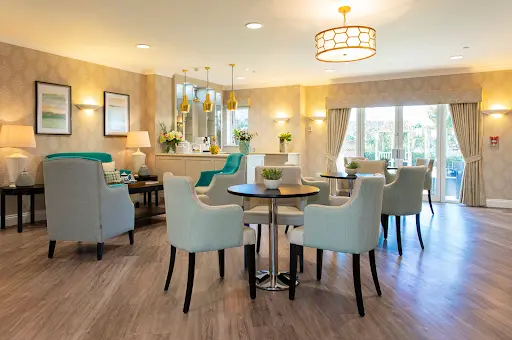
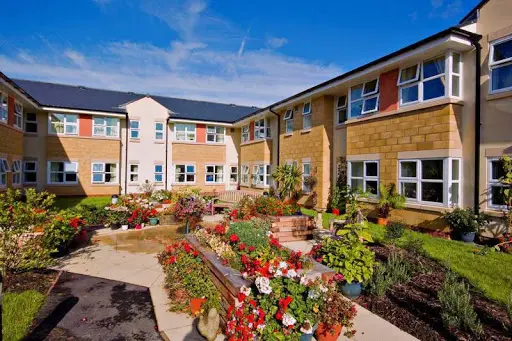
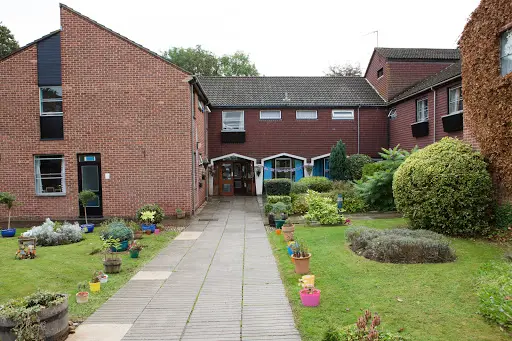
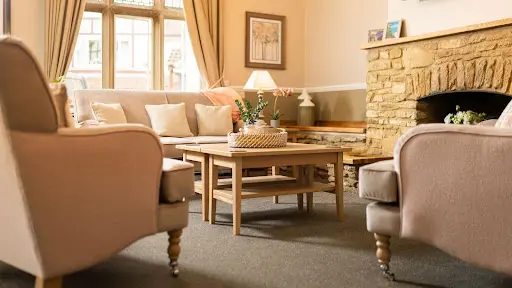
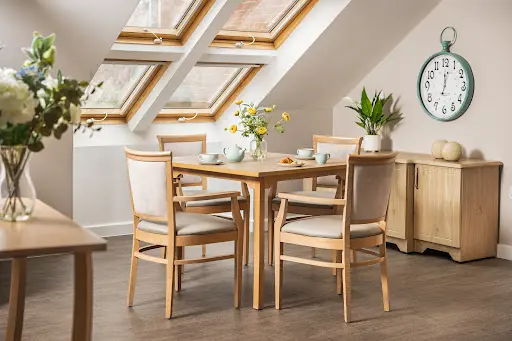
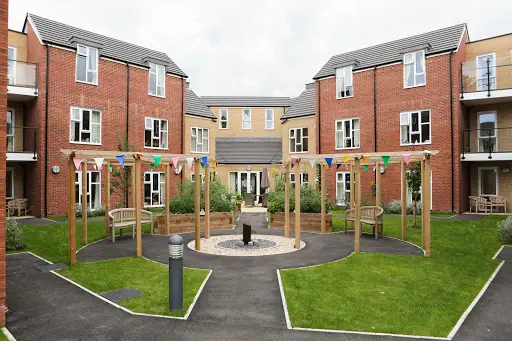
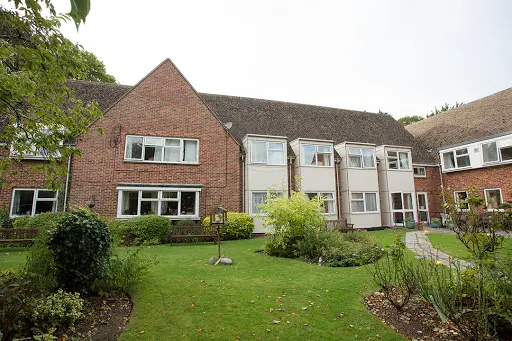
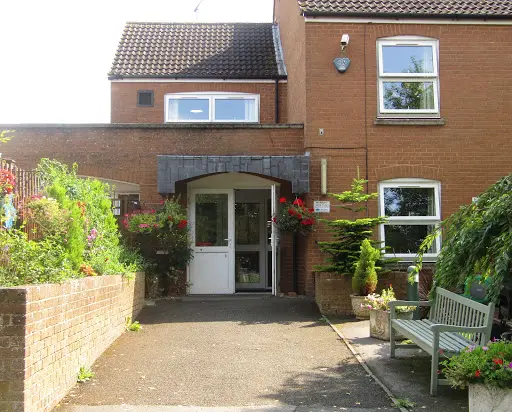
The home is consistently noted for being very clean and well-maintained throughout. Families mention good variety in the meals, suggesting thought goes into nutrition and choice. The gardens provide attractive outdoor space that visitors particularly appreciate.
“Sometimes the smallest gestures — a genuine smile, a warm greeting — tell you everything about a place's values.”
DCC does not edit or curate content in this tab. For independently curated information, see The Evidence and DCC Verdict.