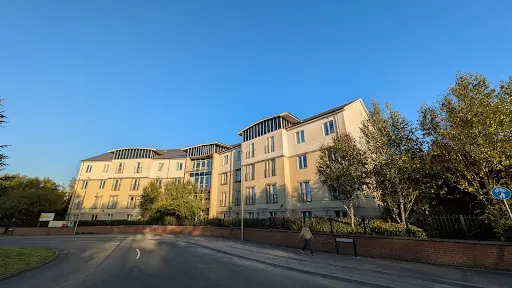
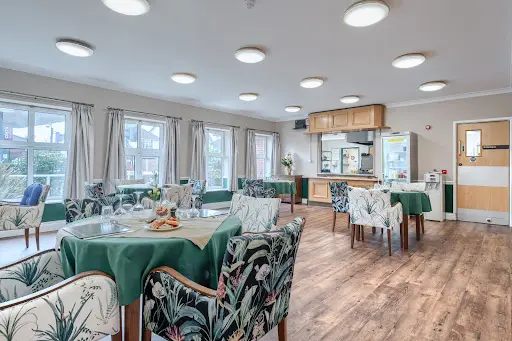
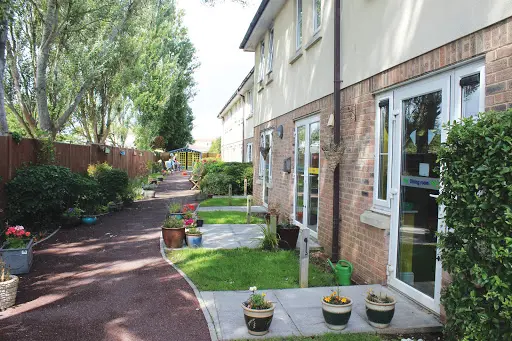
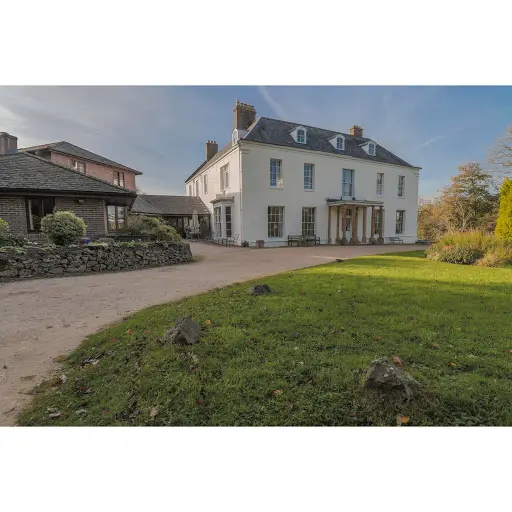
Moorlands Residential Home
At a Glance
The information you need to decide whether this home warrants a closer look.
Residential homes
Staff warmth score
of reviewers answered yes
Good to know
- Registered beds16
- SpecialismsCaring for adults over 65 yrs, Dementia
- Last inspected2022-12-06
Save Moorlands Residential Home to your shortlist
Keep a running list, add visit notes, and compare homes side-by-side. Free account — it takes a minute.
STAGE 4 — RESEARCHING CARE HOMES
Visit homes. Compare them side by side. Choose with confidence.
Most of us will view care homes the way we view houses, impression, atmosphere, the feeling in the corridor. We go home, try to remember what we saw, and make a permanent decision from a blurred memory.

The DCC shortlist gives every home you visit a structured record: the same twelve questions, answered the same way, every time. When you’re ready to choose, pull any two homes side by side and compare them directly. Same criteria, same evidence, your notes and your scores.
The Evidence
What the review data, the inspection reports, and the dementia-care evidence base tell us about this home.
What families say
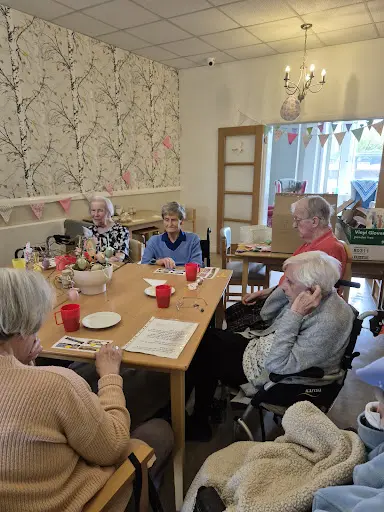
What stands out here is how residents seem to thrive. One family watched their relative's whole personality brighten after moving in — they started becoming themselves again. Another family shared that their relative has been genuinely happy here for over a decade.
The eight family priority themes
- Staff warmth55
- Compassion & dignity55
- Cleanliness55
- Activities & engagement50
- Food quality50
- Healthcare55
- Management & leadership60
- Resident happiness55
What inspectors found
Inspected 2022-12-06
Is this home safe?
Is the care effective?
The home was rated Good for Effective at its November 2022 inspection. Dementia is listed as a specialism, implying inspectors were satisfied that the service had appropriate knowledge and processes for supporting people with the condition. A Good rating in this domain covers care planning, staff training, healthcare access, and nutrition. However, the published report text includes no specific evidence about how care plans are written or reviewed, what dementia training staff receive, or how the home manages healthcare needs such as GP access and medication reviews.Is this home caring?
The home was rated Good for Caring at its November 2022 inspection. This domain covers the warmth and dignity of day-to-day interactions between staff and residents. A Good rating means inspectors did not find evidence of poor practice in this area. However, the published text includes no inspector observations of staff interactions, no resident testimony about how they feel treated, and no family quotes about their experience of the home's culture. For a 16-bed home with a dementia specialism, the quality of individual relationships between staff and residents is everything — and this report cannot tell you what those feel like.Is the home responsive?
The home was rated Good for Responsive at its November 2022 inspection. This domain covers whether the home provides meaningful, individualised activities and responds to residents' changing needs and preferences. Dementia is listed as a specialism, which implies some tailoring of provision. However, the published text contains no description of the activities programme, no information about how individual interests are identified or met, and no reference to how the home supports residents who are unable to join group activities — a significant gap for a home supporting people with dementia.Is the home well-led?
The home was rated Good for Well-led at its November 2022 inspection. A named registered manager, Ms Jayne Dadzitis, and a nominated individual, Mrs Janani Selvarajah, are recorded. The provider is Ritzi Care Homes Ltd. The Good rating indicates inspectors were satisfied with governance, accountability, and leadership culture at the time of the visit. A monitoring review in July 2023 found no new concerns. However, the published text includes no specific detail about manager visibility, staff culture, how the home handles complaints, or how it learns from incidents.
Source: CQC inspection report →
What the evidence base says
Moorlands provides specialist dementia care as well as general residential care for people over 65. For those living with dementia, the stable, long-serving team here means consistent, familiar faces — something that can make a real difference to daily comfort and wellbeing. All areas worth probing directly during a visit.
The DCC Verdict
Our editorial view, built from the three lenses: what families tell us, what inspectors record, and how the home sits against good dementia-care practice.
DCC Family Score
Moorlands Residential Home achieved a Good rating across all five domains at its November 2022 inspection, but the published report contains very limited specific detail — observations, quotes, and evidence are largely absent from the available text, placing most scores in the 'present but generic' band.
Homes in South West typically score 68–82.The three-lens summary
What families tell us
What stands out here is how residents seem to thrive. One family watched their relative's whole personality brighten after moving in — they started becoming themselves again. Another family shared that their relative has been genuinely happy here for over a decade.
What inspectors have recorded
The team at Moorlands includes staff who've been there for years, getting to know each resident as an individual. This kind of continuity matters — it means residents are cared for by people who truly understand them.
How it sits against good practice
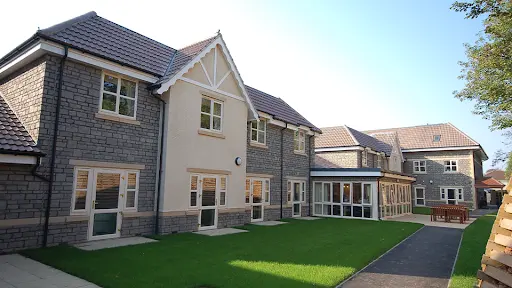
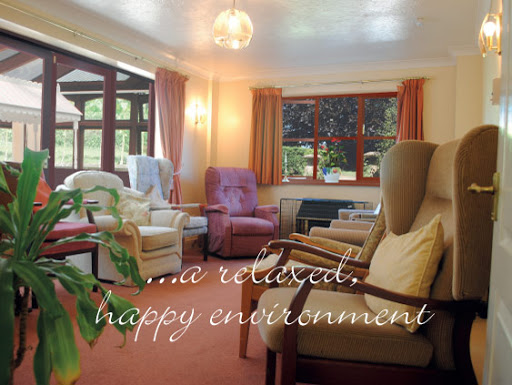
If you're looking for somewhere that feels genuinely homely, it's worth arranging a visit to see for yourself.
Worth a visit
Moorlands Residential Home, a 16-bed residential home for adults over 65 including those living with dementia in Merriott, Somerset, was rated Good across all five inspection domains at its most recent inspection in November 2022. The rating has been stable across four inspections, and a further monitoring review in July 2023 found no reason to reassess. A consistent Good across every domain is a meaningful baseline — it tells you that inspectors found no significant failures in safety, care, or leadership at the time they visited. However, the published report text available for this home is exceptionally brief. There are no inspector observations, no resident or family quotes, no specific examples of how staff interact with people living with dementia, and no detail about the environment, food, activities, or night staffing. This means the Good rating tells you the floor — not the ceiling. When you visit, treat it as your information-gathering opportunity: watch how staff speak to residents in corridors, ask how many permanent staff were on last night, check whether the environment has dementia-friendly features such as clear signage and safe walking routes, and ask to see the activities schedule for the past fortnight. The rating is reassuring, but the detail you need to make your decision must come from the home itself.
The three questions to ask when you visitSave this home. Compare it against your shortlist.
Let our analysis show you how Moorlands Residential Home measures up against the other homes you’re considering. Free account.
In Their Own Words
How Moorlands Residential Home describes itself — collected from its own website. DCC has not edited or independently verified the content in this tab.
Where caring staff help residents rediscover themselves
Residential home in Merriott: True Peace of Mind
Sometimes the right care home can make all the difference. At Moorlands Residential Home in Merriott, families have watched their loved ones not just settle in, but actually flourish. This homely residential home specialises in dementia care alongside general care for those over 65.
Who they care for
Moorlands provides specialist dementia care as well as general residential care for people over 65.
For those living with dementia, the stable, long-serving team here means consistent, familiar faces — something that can make a real difference to daily comfort and wellbeing.
“If you're looking for somewhere that feels genuinely homely, it's worth arranging a visit to see for yourself.”
DCC does not edit or curate content in this tab. For independently curated information, see The Evidence and DCC Verdict.
The DCC Verdict
Our editorial view, built from the three lenses: what families tell us, what inspectors record, and how the home sits against good dementia-care practice.
DCC Family Score
Moorlands Residential Home achieved a Good rating across all five domains at its November 2022 inspection, but the published report contains very limited specific detail — observations, quotes, and evidence are largely absent from the available text, placing most scores in the 'present but generic' band.
Homes in South West typically score 68–82.The three-lens summary
What families tell us
What stands out here is how residents seem to thrive. One family watched their relative's whole personality brighten after moving in — they started becoming themselves again. Another family shared that their relative has been genuinely happy here for over a decade.
What inspectors have recorded
The team at Moorlands includes staff who've been there for years, getting to know each resident as an individual. This kind of continuity matters — it means residents are cared for by people who truly understand them.
How it sits against good practice
If you're looking for somewhere that feels genuinely homely, it's worth arranging a visit to see for yourself.
Worth a visit
Moorlands Residential Home, a 16-bed residential home for adults over 65 including those living with dementia in Merriott, Somerset, was rated Good across all five inspection domains at its most recent inspection in November 2022. The rating has been stable across four inspections, and a further monitoring review in July 2023 found no reason to reassess. A consistent Good across every domain is a meaningful baseline — it tells you that inspectors found no significant failures in safety, care, or leadership at the time they visited. However, the published report text available for this home is exceptionally brief. There are no inspector observations, no resident or family quotes, no specific examples of how staff interact with people living with dementia, and no detail about the environment, food, activities, or night staffing. This means the Good rating tells you the floor — not the ceiling. When you visit, treat it as your information-gathering opportunity: watch how staff speak to residents in corridors, ask how many permanent staff were on last night, check whether the environment has dementia-friendly features such as clear signage and safe walking routes, and ask to see the activities schedule for the past fortnight. The rating is reassuring, but the detail you need to make your decision must come from the home itself.
The three questions to ask when you visitSave this home. Compare it against your shortlist.
Let our analysis show you how Moorlands Residential Home measures up against the other homes you’re considering. Free account.
In Their Own Words
How Moorlands Residential Home describes itself — collected from its own website. DCC has not edited or independently verified the content in this tab.
Where caring staff help residents rediscover themselves
Residential home in Merriott: True Peace of Mind
Sometimes the right care home can make all the difference. At Moorlands Residential Home in Merriott, families have watched their loved ones not just settle in, but actually flourish. This homely residential home specialises in dementia care alongside general care for those over 65.
Who they care for
Moorlands provides specialist dementia care as well as general residential care for people over 65.
For those living with dementia, the stable, long-serving team here means consistent, familiar faces — something that can make a real difference to daily comfort and wellbeing.
Management & ethos
The team at Moorlands includes staff who've been there for years, getting to know each resident as an individual. This kind of continuity matters — it means residents are cared for by people who truly understand them.
“If you're looking for somewhere that feels genuinely homely, it's worth arranging a visit to see for yourself.”
DCC does not edit or curate content in this tab. For independently curated information, see The Evidence and DCC Verdict.