Larchfield House
At a Glance
The information you need to decide whether this home warrants a closer look.
Nursing homes, Rehabilitation (illness/injury)
Staff warmth score
of reviewers answered yes
Good to know
- Registered beds98
- SpecialismsCaring for adults over 65 yrs, Caring for adults under 65 yrs, Dementia
- Last inspected2019-05-16
Save Larchfield House to your shortlist
Keep a running list, add visit notes, and compare homes side-by-side. Free account — it takes a minute.
STAGE 4 — RESEARCHING CARE HOMES
Visit homes. Compare them side by side. Choose with confidence.
Most of us will view care homes the way we view houses, impression, atmosphere, the feeling in the corridor. We go home, try to remember what we saw, and make a permanent decision from a blurred memory.

The DCC shortlist gives every home you visit a structured record: the same twelve questions, answered the same way, every time. When you’re ready to choose, pull any two homes side by side and compare them directly. Same criteria, same evidence, your notes and your scores.
The Evidence
What the review data, the inspection reports, and the dementia-care evidence base tell us about this home.
What families say
Visitors often comment on the warm reception they receive, with staff across different departments consistently showing genuine friendliness alongside their professional approach. The home runs regular afternoon activities and inclusive celebrations that bring residents together, creating opportunities for connection and enjoyment throughout the week.
The eight family priority themes
- Staff warmth72
- Compassion & dignity72
- Cleanliness72
- Activities & engagement65
- Food quality65
- Healthcare72
- Management & leadership75
- Resident happiness70
What inspectors found
Inspected 2019-05-16
Is this home safe?
Is the care effective?
The inspection rated this domain as Good. The home is registered to provide nursing care and rehabilitation alongside dementia care, which implies that qualified clinical staff and care planning processes are in place. No specific detail about dementia training content, care plan quality, GP access frequency, or how food quality is managed is available in the published summary.Is this home caring?
The inspection rated this domain as Good. No specific observations about staff warmth, use of preferred names, response to distress, or the pace of care are recorded in the published summary. Staff warmth and compassion are the two highest-weighted themes in DCC family review data, accounting for 57.3% and 55.2% of positive reviews respectively, which makes the absence of specific detail here particularly important to address through a visit.Is the home responsive?
The inspection rated this domain as Good. Larchfield House is registered with dementia as a specialism, which means the inspection will have considered whether care is personalised to individual needs. No detail about the activity programme, one-to-one engagement for people who cannot join groups, or how individual preferences are recorded and acted upon is available in the published summary.Is the home well-led?
The inspection rated this domain as Good. A registered manager and a nominated individual are both named, indicating an accountable leadership structure. The improvement from Requires Improvement to Good across the whole home suggests that leadership has been effective in addressing earlier shortcomings. No detail about manager visibility, staff culture, how the home handles complaints, or how it learns from incidents is available in the published summary.
Source: CQC inspection report →
What the evidence base says
Larchfield House welcomes adults both under and over 65, offering specialised support for those living with dementia. This inclusive approach means the home can support people at different life stages and with varying care needs. For those living with dementia, the team provides thoughtful care within the home's structured, well-managed environment. Staff maintain their professional, friendly approach while ensuring residents with dementia feel included in the home's regular activities and celebrations. All areas worth probing directly during a visit.
The DCC Verdict
Our editorial view, built from the three lenses: what families tell us, what inspectors record, and how the home sits against good dementia-care practice.
DCC Family Score
Larchfield House scores 74 out of 100, reflecting a genuine improvement from a previous Requires Improvement rating to a Good rating across all five inspection domains. The score sits in the positive-but-general band because the published report text does not include specific observations, resident testimony, or detailed examples that would push individual themes higher.
Homes in South East typically score 68–82.The three-lens summary
What families tell us
Visitors often comment on the warm reception they receive, with staff across different departments consistently showing genuine friendliness alongside their professional approach. The home runs regular afternoon activities and inclusive celebrations that bring residents together, creating opportunities for connection and enjoyment throughout the week.
What inspectors have recorded
The management team runs a well-organised home where staff clearly understand their roles and responsibilities. Families appreciate the professional yet caring approach that runs through the whole team, from reception through to nursing staff, creating consistency in the quality of care.
How it sits against good practice
If you're looking for somewhere that combines professional standards with genuine warmth, Larchfield House welcomes visits from families exploring care options.
Worth a visit
Larchfield House in Maidenhead was rated Good at its most recent inspection in February 2025, with Good ratings recorded across all five domains: Safe, Effective, Caring, Responsive, and Well-led. Importantly, this represents an improvement from a previous Requires Improvement rating, which is a meaningful signal that the leadership team identified problems and acted on them. The home is a 98-bed nursing home registered to care for people living with dementia, adults over and under 65, and people requiring rehabilitation after illness or injury. The main limitation for families is that the published inspection summary is brief and contains almost no specific observations, resident testimony, or detailed examples. A Good rating is a positive foundation, but it tells you relatively little about what daily life actually looks like for your mum or dad. Before making a decision, visit in person and ask to speak to a senior member of staff about night staffing ratios, how agency staff use is managed across 98 beds, and what one-to-one activities are available for people who cannot join group sessions. Ask to see last week's actual staffing rota, not a template, and walk through the dementia unit yourself to observe how staff and residents interact when no one is being watched.
The three questions to ask when you visitSave this home. Compare it against your shortlist.
Let our analysis show you how Larchfield House measures up against the other homes you’re considering. Free account.
In Their Own Words
How Larchfield House describes itself — collected from its own website. DCC has not edited or independently verified the content in this tab.
Where professional care meets genuine warmth and community
Compassionate Care in Maidenhead at Larchfield House
At Larchfield House in Maidenhead, families notice something reassuring from the moment they walk through the door. The home brings together attentive, professional care with a welcoming atmosphere that helps residents feel part of a real community. Supporting adults of all ages, including those living with dementia, the team here understands that good care starts with treating everyone with dignity and respect.
Who they care for
Larchfield House welcomes adults both under and over 65, offering specialised support for those living with dementia. This inclusive approach means the home can support people at different life stages and with varying care needs.
For those living with dementia, the team provides thoughtful care within the home's structured, well-managed environment. Staff maintain their professional, friendly approach while ensuring residents with dementia feel included in the home's regular activities and celebrations.
“If you're looking for somewhere that combines professional standards with genuine warmth, Larchfield House welcomes visits from families exploring care options.”
DCC does not edit or curate content in this tab. For independently curated information, see The Evidence and DCC Verdict.
The DCC Verdict
Our editorial view, built from the three lenses: what families tell us, what inspectors record, and how the home sits against good dementia-care practice.
DCC Family Score
Larchfield House scores 74 out of 100, reflecting a genuine improvement from a previous Requires Improvement rating to a Good rating across all five inspection domains. The score sits in the positive-but-general band because the published report text does not include specific observations, resident testimony, or detailed examples that would push individual themes higher.
Homes in South East typically score 68–82.The three-lens summary
What families tell us
Visitors often comment on the warm reception they receive, with staff across different departments consistently showing genuine friendliness alongside their professional approach. The home runs regular afternoon activities and inclusive celebrations that bring residents together, creating opportunities for connection and enjoyment throughout the week.
What inspectors have recorded
The management team runs a well-organised home where staff clearly understand their roles and responsibilities. Families appreciate the professional yet caring approach that runs through the whole team, from reception through to nursing staff, creating consistency in the quality of care.
How it sits against good practice
If you're looking for somewhere that combines professional standards with genuine warmth, Larchfield House welcomes visits from families exploring care options.
Worth a visit
Larchfield House in Maidenhead was rated Good at its most recent inspection in February 2025, with Good ratings recorded across all five domains: Safe, Effective, Caring, Responsive, and Well-led. Importantly, this represents an improvement from a previous Requires Improvement rating, which is a meaningful signal that the leadership team identified problems and acted on them. The home is a 98-bed nursing home registered to care for people living with dementia, adults over and under 65, and people requiring rehabilitation after illness or injury. The main limitation for families is that the published inspection summary is brief and contains almost no specific observations, resident testimony, or detailed examples. A Good rating is a positive foundation, but it tells you relatively little about what daily life actually looks like for your mum or dad. Before making a decision, visit in person and ask to speak to a senior member of staff about night staffing ratios, how agency staff use is managed across 98 beds, and what one-to-one activities are available for people who cannot join group sessions. Ask to see last week's actual staffing rota, not a template, and walk through the dementia unit yourself to observe how staff and residents interact when no one is being watched.
The three questions to ask when you visitSave this home. Compare it against your shortlist.
Let our analysis show you how Larchfield House measures up against the other homes you’re considering. Free account.
In Their Own Words
How Larchfield House describes itself — collected from its own website. DCC has not edited or independently verified the content in this tab.
Where professional care meets genuine warmth and community
Compassionate Care in Maidenhead at Larchfield House
At Larchfield House in Maidenhead, families notice something reassuring from the moment they walk through the door. The home brings together attentive, professional care with a welcoming atmosphere that helps residents feel part of a real community. Supporting adults of all ages, including those living with dementia, the team here understands that good care starts with treating everyone with dignity and respect.
Who they care for
Larchfield House welcomes adults both under and over 65, offering specialised support for those living with dementia. This inclusive approach means the home can support people at different life stages and with varying care needs.
For those living with dementia, the team provides thoughtful care within the home's structured, well-managed environment. Staff maintain their professional, friendly approach while ensuring residents with dementia feel included in the home's regular activities and celebrations.
Management & ethos
The management team runs a well-organised home where staff clearly understand their roles and responsibilities. Families appreciate the professional yet caring approach that runs through the whole team, from reception through to nursing staff, creating consistency in the quality of care.
The home & environment
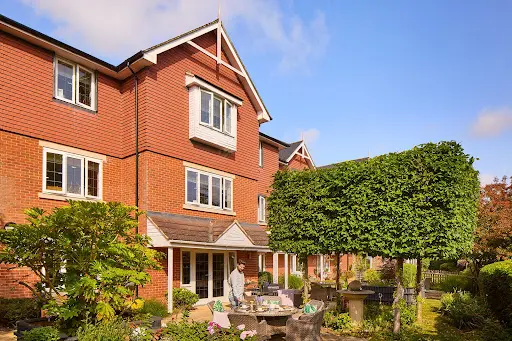
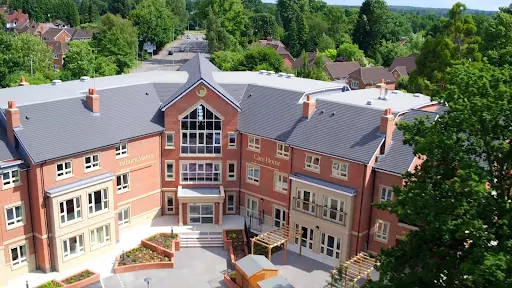
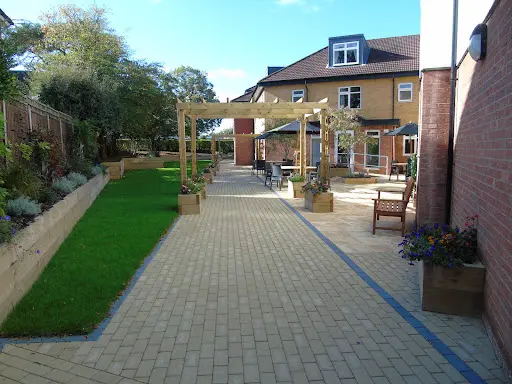
The home maintains high standards of cleanliness throughout, with families regularly noting how well-kept everything looks. This attention to the environment creates a pleasant, comfortable space where residents can feel at home.
“If you're looking for somewhere that combines professional standards with genuine warmth, Larchfield House welcomes visits from families exploring care options.”
DCC does not edit or curate content in this tab. For independently curated information, see The Evidence and DCC Verdict.