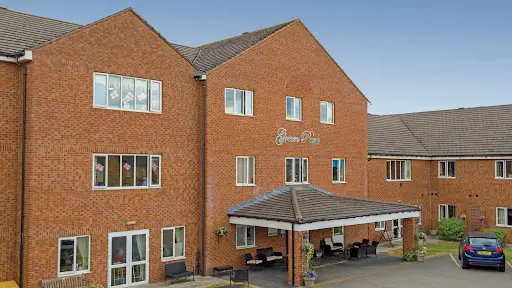
Keate House Care Home
At a Glance
The information you need to decide whether this home warrants a closer look.
Residential homes
Staff warmth score
of reviewers answered yes
Good to know
- Registered beds54
- SpecialismsCaring for adults over 65 yrs, Dementia
- Last inspected2020-02-08
Save Keate House Care Home to your shortlist
Keep a running list, add visit notes, and compare homes side-by-side. Free account — it takes a minute.
STAGE 4 — RESEARCHING CARE HOMES
Visit homes. Compare them side by side. Choose with confidence.
Most of us will view care homes the way we view houses, impression, atmosphere, the feeling in the corridor. We go home, try to remember what we saw, and make a permanent decision from a blurred memory.

The DCC shortlist gives every home you visit a structured record: the same twelve questions, answered the same way, every time. When you’re ready to choose, pull any two homes side by side and compare them directly. Same criteria, same evidence, your notes and your scores.
The Evidence
What the review data, the inspection reports, and the dementia-care evidence base tell us about this home.
What families say
Families talk about the difference it makes when staff actually recognise what's happening with their loved one — knowing when something's part of dementia's natural progression and when it needs medical attention. There's a real sense that residents can be themselves here, with activities offered but never pushed on anyone who'd rather just have a quiet day.
The eight family priority themes
- Staff warmth72
- Compassion & dignity74
- Cleanliness70
- Activities & engagement85
- Food quality65
- Healthcare70
- Management & leadership72
- Resident happiness72
What inspectors found
Inspected 2020-02-08
Is this home safe?
Is the care effective?
The Effective domain was rated Good. This covers training, care planning, healthcare access, and nutrition. The home specialises in dementia care, which means inspectors would have looked at whether staff have dementia-specific training and whether care plans capture individual histories and preferences. The published summary does not record specific training content, GP visit frequency, or how often care plans are reviewed with families. A Good rating indicates the essentials were in place.Is this home caring?
The Caring domain was rated Good. Inspectors assess this by observing interactions between staff and residents, reviewing whether people are addressed by preferred names, and checking whether dignity and privacy are maintained. The published summary does not include specific observations or resident and family quotes from this inspection. A Good rating means inspectors found no significant concerns and saw sufficient evidence of respectful, kind interactions.Is the home responsive?
The Responsive domain was rated Outstanding, which is the highest possible rating and is awarded to fewer than one in ten care homes in England. Inspectors award Outstanding in Responsive when they find clear, specific evidence that activities and engagement are genuinely tailored to individual preferences, histories, and abilities, rather than being a standard group programme applied to everyone. The home specialises in dementia care, making this rating particularly significant. The published summary does not reproduce the specific examples inspectors used to justify the Outstanding award, but the rating itself is strong independent evidence.Is the home well-led?
The Well-led domain was rated Good. The home is run by a named registered manager and has a nominated individual, both recorded in the inspection data. The home improved from Requires Improvement to Good between its second and third inspections, which suggests leadership made meaningful changes in response to earlier findings. The published summary does not record specific examples of how the management team operates, how staff are supported, or how the home handles complaints and incidents.
Source: CQC inspection report →
What the evidence base says
The home specialises in dementia care for adults over 65, with staff who understand the condition's many faces and challenges. Families particularly value how the team distinguishes between dementia's expected changes and new health concerns that need GP input. They work with each person's own patterns and preferences, giving extra support during the settling-in period when some residents naturally struggle with the change. All areas worth probing directly during a visit.
The DCC Verdict
Our editorial view, built from the three lenses: what families tell us, what inspectors record, and how the home sits against good dementia-care practice.
DCC Family Score
Keate House scores well overall, lifted significantly by its Outstanding rating for responsiveness, which reflects strong individualised activities and person-centred engagement. The remaining domains are rated Good but the published inspection text is limited in specific detail, so several scores reflect positive but general evidence rather than vivid, observable examples.
Homes in North West typically score 68–82.The three-lens summary
What families tell us
Families talk about the difference it makes when staff actually recognise what's happening with their loved one — knowing when something's part of dementia's natural progression and when it needs medical attention. There's a real sense that residents can be themselves here, with activities offered but never pushed on anyone who'd rather just have a quiet day.
What inspectors have recorded
What stands out is how flexible the team is with families — unrestricted visiting, helping arrange video calls for relatives abroad, and working with whatever each family needs. Being independently owned seems to shape the whole approach here, with families noticing how different it feels from larger chain homes.
How it sits against good practice
If you're looking for dementia care that feels genuinely flexible and family-focused, Keate House might be worth exploring.
Worth a visit
Keate House Residential Home in Lymm was rated Good overall at its last inspection in January 2021, having improved from a previous Requires Improvement rating. Four domains, Safe, Effective, Caring, and Well-led, were rated Good, and the Responsive domain was rated Outstanding, which is a genuinely uncommon award that reflects strong, individually tailored engagement for the people who live here. The home specialises in dementia care for adults over 65 and has 54 beds. The main limitation for families reading this report is that the published inspection summary is brief and contains little specific observed detail beyond the domain ratings themselves. The last inspection took place in January 2021, which means the findings are now over three years old. A review in July 2023 found no reason to change the ratings, but that review was a desk-based data check rather than a fresh on-site visit. Before you decide, visit in person, ask to see last week's actual staffing rota, find out what night staffing looks like for 54 residents, and ask how the Outstanding activities rating translates into daily life for someone with advanced dementia who may not be able to join a group.
The three questions to ask when you visitSave this home. Compare it against your shortlist.
Let our analysis show you how Keate House Care Home measures up against the other homes you’re considering. Free account.
In Their Own Words
How Keate House Care Home describes itself — collected from its own website. DCC has not edited or independently verified the content in this tab.
Where dementia expertise meets genuine family flexibility
Keate House Residential Home – Your Trusted residential home
When families describe their relief at finding the right dementia care, they often talk about that moment when everything just clicks. At Keate House in Lymm, that clicking seems to happen because this family-run home understands something crucial — every person with dementia is still themselves, with their own preferences and rhythms.
Who they care for
The home specialises in dementia care for adults over 65, with staff who understand the condition's many faces and challenges.
Families particularly value how the team distinguishes between dementia's expected changes and new health concerns that need GP input. They work with each person's own patterns and preferences, giving extra support during the settling-in period when some residents naturally struggle with the change.
“If you're looking for dementia care that feels genuinely flexible and family-focused, Keate House might be worth exploring.”
DCC does not edit or curate content in this tab. For independently curated information, see The Evidence and DCC Verdict.
The DCC Verdict
Our editorial view, built from the three lenses: what families tell us, what inspectors record, and how the home sits against good dementia-care practice.
DCC Family Score
Keate House scores well overall, lifted significantly by its Outstanding rating for responsiveness, which reflects strong individualised activities and person-centred engagement. The remaining domains are rated Good but the published inspection text is limited in specific detail, so several scores reflect positive but general evidence rather than vivid, observable examples.
Homes in North West typically score 68–82.The three-lens summary
What families tell us
Families talk about the difference it makes when staff actually recognise what's happening with their loved one — knowing when something's part of dementia's natural progression and when it needs medical attention. There's a real sense that residents can be themselves here, with activities offered but never pushed on anyone who'd rather just have a quiet day.
What inspectors have recorded
What stands out is how flexible the team is with families — unrestricted visiting, helping arrange video calls for relatives abroad, and working with whatever each family needs. Being independently owned seems to shape the whole approach here, with families noticing how different it feels from larger chain homes.
How it sits against good practice
If you're looking for dementia care that feels genuinely flexible and family-focused, Keate House might be worth exploring.
Worth a visit
Keate House Residential Home in Lymm was rated Good overall at its last inspection in January 2021, having improved from a previous Requires Improvement rating. Four domains, Safe, Effective, Caring, and Well-led, were rated Good, and the Responsive domain was rated Outstanding, which is a genuinely uncommon award that reflects strong, individually tailored engagement for the people who live here. The home specialises in dementia care for adults over 65 and has 54 beds. The main limitation for families reading this report is that the published inspection summary is brief and contains little specific observed detail beyond the domain ratings themselves. The last inspection took place in January 2021, which means the findings are now over three years old. A review in July 2023 found no reason to change the ratings, but that review was a desk-based data check rather than a fresh on-site visit. Before you decide, visit in person, ask to see last week's actual staffing rota, find out what night staffing looks like for 54 residents, and ask how the Outstanding activities rating translates into daily life for someone with advanced dementia who may not be able to join a group.
The three questions to ask when you visitSave this home. Compare it against your shortlist.
Let our analysis show you how Keate House Care Home measures up against the other homes you’re considering. Free account.
In Their Own Words
How Keate House Care Home describes itself — collected from its own website. DCC has not edited or independently verified the content in this tab.
Where dementia expertise meets genuine family flexibility
Keate House Residential Home – Your Trusted residential home
When families describe their relief at finding the right dementia care, they often talk about that moment when everything just clicks. At Keate House in Lymm, that clicking seems to happen because this family-run home understands something crucial — every person with dementia is still themselves, with their own preferences and rhythms.
Who they care for
The home specialises in dementia care for adults over 65, with staff who understand the condition's many faces and challenges.
Families particularly value how the team distinguishes between dementia's expected changes and new health concerns that need GP input. They work with each person's own patterns and preferences, giving extra support during the settling-in period when some residents naturally struggle with the change.
Management & ethos
What stands out is how flexible the team is with families — unrestricted visiting, helping arrange video calls for relatives abroad, and working with whatever each family needs. Being independently owned seems to shape the whole approach here, with families noticing how different it feels from larger chain homes.
The home & environment
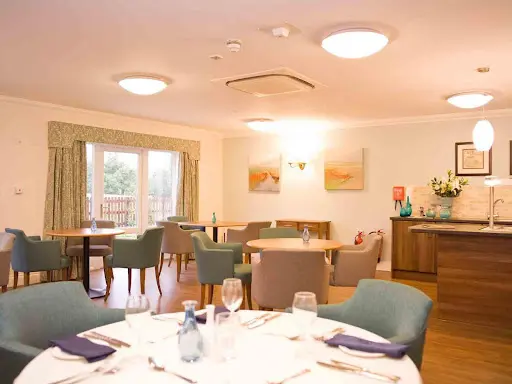
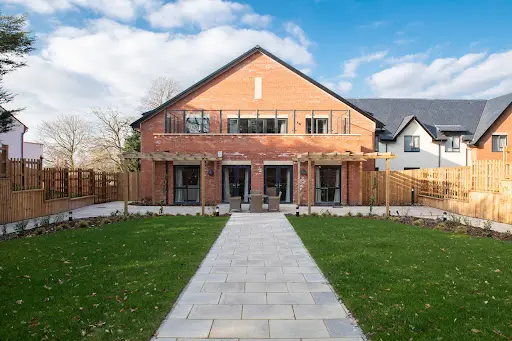
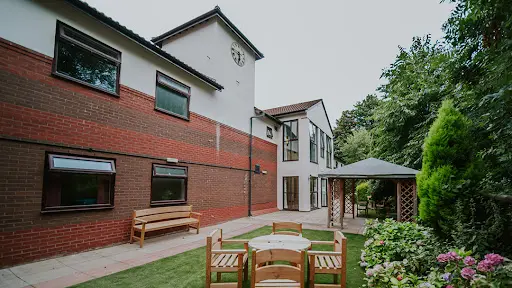
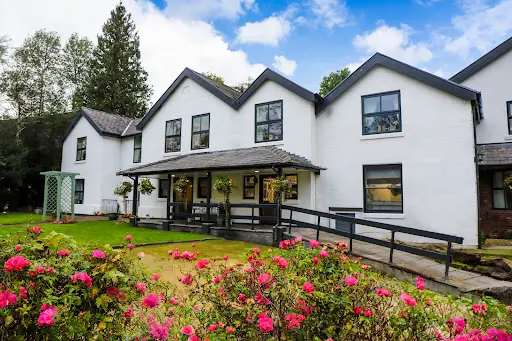
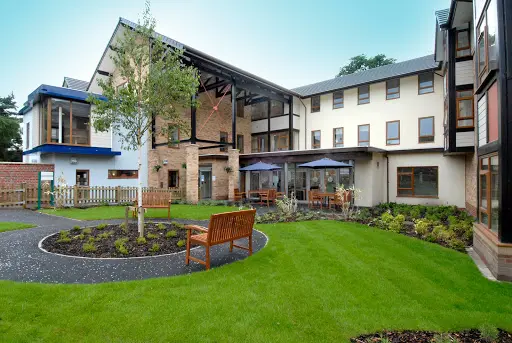
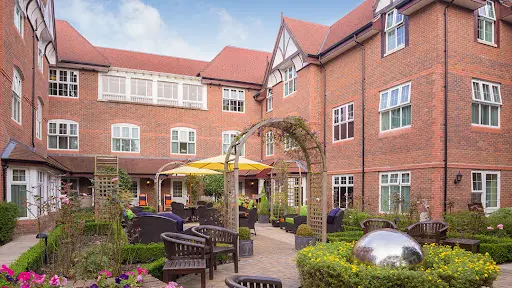
The home itself gives residents plenty of space to wander or settle, with gardens to enjoy and individual rooms for privacy. Families mention good food throughout their reviews, and there's even a pub and salon on site for those little touches that make life feel more normal.
“If you're looking for dementia care that feels genuinely flexible and family-focused, Keate House might be worth exploring.”
DCC does not edit or curate content in this tab. For independently curated information, see The Evidence and DCC Verdict.