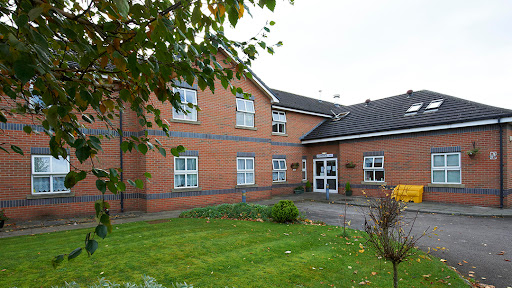
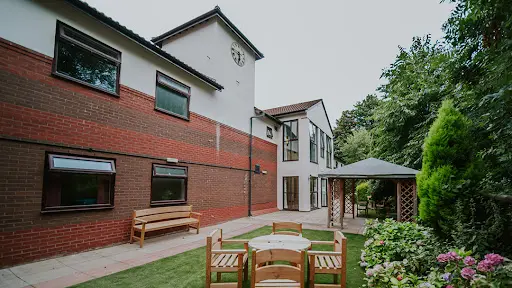
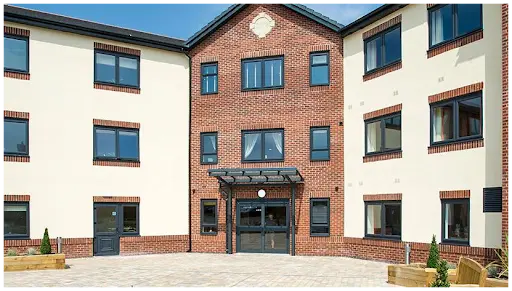
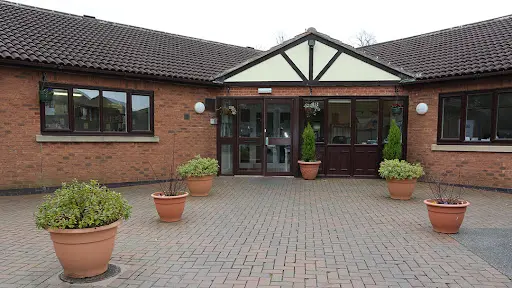
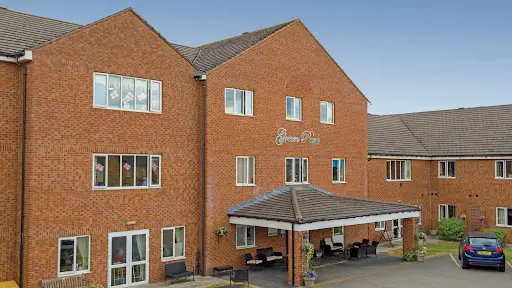
Ingersley Court Care Home – Minster Care Group
At a Glance
The information you need to decide whether this home warrants a closer look.
Residential homes
Staff warmth score
of reviewers answered yes
Good to know
- Registered beds46
- SpecialismsCaring for adults over 65 yrs, Caring for adults under 65 yrs, Dementia, Physical disabilities
- Last inspected2020-02-21
Save Ingersley Court Care Home – Minster Care Group to your shortlist
Keep a running list, add visit notes, and compare homes side-by-side. Free account — it takes a minute.
STAGE 4 — RESEARCHING CARE HOMES
Visit homes. Compare them side by side. Choose with confidence.
Most of us will view care homes the way we view houses, impression, atmosphere, the feeling in the corridor. We go home, try to remember what we saw, and make a permanent decision from a blurred memory.

The DCC shortlist gives every home you visit a structured record: the same twelve questions, answered the same way, every time. When you’re ready to choose, pull any two homes side by side and compare them directly. Same criteria, same evidence, your notes and your scores.
The Evidence
What the review data, the inspection reports, and the dementia-care evidence base tell us about this home.
What families say
The care assistants create an atmosphere where kindness shapes every interaction. Families describe staff who are genuinely approachable, making those difficult early days feel less daunting for everyone involved.
The eight family priority themes
- Staff warmth72
- Compassion & dignity72
- Cleanliness70
- Activities & engagement55
- Food quality55
- Healthcare65
- Management & leadership74
- Resident happiness68
What inspectors found
Inspected 2020-02-21
Is this home safe?
Is the care effective?
The Effective domain was rated Good. This domain covers whether staff have the skills and training to meet residents' needs, whether care plans are kept up to date, and whether residents receive appropriate healthcare including GP access and nutritional support. Ingersley Court lists dementia as a specialism, which means inspectors would have assessed dementia-specific practice as part of this domain. The published summary does not record specific training programmes, care plan review schedules, or examples of healthcare coordination.Is this home caring?
The Caring domain was rated Good. This is the domain most directly concerned with whether staff are kind, whether your parent's dignity is respected, and whether they are treated as an individual rather than a task to complete. The inspection covered privacy, dignity, and independence. No direct quotes from residents or relatives are included in the published summary, and no specific staff interactions are described.Is the home responsive?
The Responsive domain was rated Good. This domain covers whether care is tailored to individual needs, whether there is a meaningful activity programme, and whether the home responds well when things go wrong or when needs change. It also covers end-of-life care planning. The home supports people living with dementia and physical disabilities, both of which require highly individualised responsive care. The published summary provides no examples of specific activities, no description of how individual needs are assessed, and no information about end-of-life practice.Is the home well-led?
The Well-led domain was rated Good, and the home moved from Requires Improvement to Good overall, which indicates meaningful improvement under current leadership. A named Registered Manager, Christine Valerie Wootton, is recorded as in post, along with a Nominated Individual, Paul Nicholls. The improvement trajectory is the strongest piece of positive evidence available, as it suggests a leadership team that can identify problems, act on feedback, and sustain change. No specific detail about governance processes, staff culture, or how the manager is experienced by residents and staff is included in the published summary.
Source: CQC inspection report →
What the evidence base says
The home supports adults under 65, those living with dementia, older adults, and people with physical disabilities. This broad expertise means they're equipped to handle complex needs, including situations where someone faces multiple health challenges at once. Families have seen measurable improvements in their loved ones' physical abilities even as dementia progresses. The combination of skilled dementia care and rehabilitation support helps residents maintain as much independence as possible. All areas worth probing directly during a visit.
The DCC Verdict
Our editorial view, built from the three lenses: what families tell us, what inspectors record, and how the home sits against good dementia-care practice.
DCC Family Score
Ingersley Court improved from Requires Improvement to Good across all five inspection domains, which is a meaningful positive shift. However, because the published report contains very little specific detail beyond summary ratings, most scores sit in the 55-74 range reflecting positive but unverified evidence.
Homes in North West typically score 68–82.The three-lens summary
What families tell us
The care assistants create an atmosphere where kindness shapes every interaction. Families describe staff who are genuinely approachable, making those difficult early days feel less daunting for everyone involved.
What inspectors have recorded
What stands out is how the team delivers consistent, thoughtful service that families can count on. The staff's friendly approach seems to run through the whole home, creating the kind of environment where both physical recovery and emotional wellbeing can flourish.
How it sits against good practice
Sometimes the best care comes from places that understand recovery isn't just physical — it's about kindness, patience, and seeing the whole person.
Worth a visit
Ingersley Court Residential Care Home in Macclesfield was rated Good across all five inspection domains at its last inspection in December 2019, published February 2020. Importantly, this represented an improvement from a previous Requires Improvement rating, which means inspectors found evidence that the home identified what was going wrong and put it right. The home supports up to 46 people, including those living with dementia and physical disabilities, and is run by Croftwood Care UK Limited with a named Registered Manager in post. The main limitation here is that the published inspection summary contains very little specific detail: no direct quotes from residents or relatives, no staffing numbers, and no description of daily life inside the home. The inspection was also carried out in December 2019, which means findings are now over five years old and the most recent review in July 2023 simply confirmed no reason to re-inspect rather than producing new evidence. Before visiting, it is worth asking the manager what has changed since 2019, how many permanent staff are on the dementia unit, and whether you can speak to a relative of a current resident.
The three questions to ask when you visitSave this home. Compare it against your shortlist.
Let our analysis show you how Ingersley Court Care Home – Minster Care Group measures up against the other homes you’re considering. Free account.
In Their Own Words
How Ingersley Court Care Home – Minster Care Group describes itself — collected from its own website. DCC has not edited or independently verified the content in this tab.
Where recovery meets kindness for those facing physical and cognitive challenges
Ingersley Court Residential Care Home – Your Trusted residential home
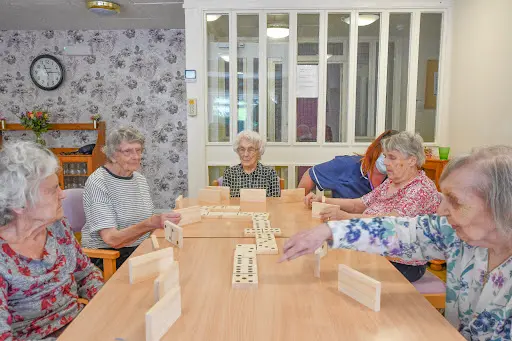
When someone you love needs both dementia support and physical rehabilitation, finding the right place feels overwhelming. Ingersley Court Residential Care Home in Macclesfield brings together skilled care for both body and mind, supporting adults of all ages through some of life's toughest transitions. Families here talk about watching real recovery happen — the kind that comes from patient, attentive care.
Who they care for
The home supports adults under 65, those living with dementia, older adults, and people with physical disabilities. This broad expertise means they're equipped to handle complex needs, including situations where someone faces multiple health challenges at once.
Families have seen measurable improvements in their loved ones' physical abilities even as dementia progresses. The combination of skilled dementia care and rehabilitation support helps residents maintain as much independence as possible.
“Sometimes the best care comes from places that understand recovery isn't just physical — it's about kindness, patience, and seeing the whole person.”
DCC does not edit or curate content in this tab. For independently curated information, see The Evidence and DCC Verdict.
The DCC Verdict
Our editorial view, built from the three lenses: what families tell us, what inspectors record, and how the home sits against good dementia-care practice.
DCC Family Score
Ingersley Court improved from Requires Improvement to Good across all five inspection domains, which is a meaningful positive shift. However, because the published report contains very little specific detail beyond summary ratings, most scores sit in the 55-74 range reflecting positive but unverified evidence.
Homes in North West typically score 68–82.The three-lens summary
What families tell us
The care assistants create an atmosphere where kindness shapes every interaction. Families describe staff who are genuinely approachable, making those difficult early days feel less daunting for everyone involved.
What inspectors have recorded
What stands out is how the team delivers consistent, thoughtful service that families can count on. The staff's friendly approach seems to run through the whole home, creating the kind of environment where both physical recovery and emotional wellbeing can flourish.
How it sits against good practice
Sometimes the best care comes from places that understand recovery isn't just physical — it's about kindness, patience, and seeing the whole person.
Worth a visit
Ingersley Court Residential Care Home in Macclesfield was rated Good across all five inspection domains at its last inspection in December 2019, published February 2020. Importantly, this represented an improvement from a previous Requires Improvement rating, which means inspectors found evidence that the home identified what was going wrong and put it right. The home supports up to 46 people, including those living with dementia and physical disabilities, and is run by Croftwood Care UK Limited with a named Registered Manager in post. The main limitation here is that the published inspection summary contains very little specific detail: no direct quotes from residents or relatives, no staffing numbers, and no description of daily life inside the home. The inspection was also carried out in December 2019, which means findings are now over five years old and the most recent review in July 2023 simply confirmed no reason to re-inspect rather than producing new evidence. Before visiting, it is worth asking the manager what has changed since 2019, how many permanent staff are on the dementia unit, and whether you can speak to a relative of a current resident.
The three questions to ask when you visitSave this home. Compare it against your shortlist.
Let our analysis show you how Ingersley Court Care Home – Minster Care Group measures up against the other homes you’re considering. Free account.
In Their Own Words
How Ingersley Court Care Home – Minster Care Group describes itself — collected from its own website. DCC has not edited or independently verified the content in this tab.
Where recovery meets kindness for those facing physical and cognitive challenges
Ingersley Court Residential Care Home – Your Trusted residential home
When someone you love needs both dementia support and physical rehabilitation, finding the right place feels overwhelming. Ingersley Court Residential Care Home in Macclesfield brings together skilled care for both body and mind, supporting adults of all ages through some of life's toughest transitions. Families here talk about watching real recovery happen — the kind that comes from patient, attentive care.
Who they care for
The home supports adults under 65, those living with dementia, older adults, and people with physical disabilities. This broad expertise means they're equipped to handle complex needs, including situations where someone faces multiple health challenges at once.
Families have seen measurable improvements in their loved ones' physical abilities even as dementia progresses. The combination of skilled dementia care and rehabilitation support helps residents maintain as much independence as possible.
Management & ethos
What stands out is how the team delivers consistent, thoughtful service that families can count on. The staff's friendly approach seems to run through the whole home, creating the kind of environment where both physical recovery and emotional wellbeing can flourish.
“Sometimes the best care comes from places that understand recovery isn't just physical — it's about kindness, patience, and seeing the whole person.”
DCC does not edit or curate content in this tab. For independently curated information, see The Evidence and DCC Verdict.