Hembury Fort House

At a Glance
The information you need to decide whether this home warrants a closer look.
Residential homes
Staff warmth score
of reviewers answered yes
Good to know
- Registered beds25
- SpecialismsCaring for adults over 65 yrs, Dementia, Physical disabilities
- Last inspected2018-10-13
Save Hembury Fort House to your shortlist
Keep a running list, add visit notes, and compare homes side-by-side. Free account — it takes a minute.
STAGE 4 — RESEARCHING CARE HOMES
Visit homes. Compare them side by side. Choose with confidence.
Most of us will view care homes the way we view houses, impression, atmosphere, the feeling in the corridor. We go home, try to remember what we saw, and make a permanent decision from a blurred memory.

The DCC shortlist gives every home you visit a structured record: the same twelve questions, answered the same way, every time. When you’re ready to choose, pull any two homes side by side and compare them directly. Same criteria, same evidence, your notes and your scores.
The Evidence
What the review data, the inspection reports, and the dementia-care evidence base tell us about this home.
What families say
Families talk about the relief of seeing previously unsettled relatives find calm here. Where other places couldn't ease that constant searching for home, something about the approach at Hembury Fort House helps residents feel genuinely comfortable. The difference shows in how relaxed families feel during visits.
The eight family priority themes
- Staff warmth72
- Compassion & dignity72
- Cleanliness65
- Activities & engagement82
- Food quality60
- Healthcare65
- Management & leadership70
- Resident happiness75
What inspectors found
Inspected 2018-10-13
Is this home safe?
Is the care effective?
The Effective domain was rated Good at the September 2018 inspection. The home specialises in dementia care, which implies some structured approach to training and care planning, but the published summary does not describe the content of dementia training, how often care plans are reviewed, or how the home coordinates with GPs and other health professionals. Food quality, dietary preferences, and nutrition monitoring are not covered in the available findings.Is this home caring?
The Caring domain was rated Good at the September 2018 inspection. This means inspectors found the standard of kindness, dignity, and respect to be satisfactory. No direct quotes from residents or relatives are recorded in the published summary, and no specific inspector observations about named practices, such as preferred names being used or staff knocking before entering rooms, are available. The small size of the home (25 beds) can support genuine relationship-building between staff and residents.Is the home responsive?
The Responsive domain was rated Outstanding at the September 2018 inspection. This is the home's strongest result and means inspectors found something meaningfully above the standard expected of a Good provider in how it responds to individual needs, preferences, and wishes. Outstanding is awarded to fewer than 5% of rated services in any domain, so this is a genuine signal of strength. The published summary does not detail the specific practices that earned this rating, such as named activities, one-to-one sessions, or complaint handling, so the detail must be sought from the home directly.Is the home well-led?
The Well-Led domain was rated Good at the September 2018 inspection. The home is run by Mrs C White and Mrs A Taylor, with Mrs Caroline White named as the registered manager. A July 2023 review of available information found no reason to reassess the rating, suggesting no significant concerns had been raised in the intervening period. The published summary does not describe the management culture, governance processes, or how staff are supported and empowered to raise concerns.
Source: CQC inspection report →
What the evidence base says
The home specialises in dementia care alongside support for physical disabilities, caring for adults over 65. Their experience shows particularly in supporting residents through advanced stages of illness. Staff demonstrate genuine knowledge of how dementia affects behaviour and communication. They work closely with families to understand each person's history and preferences, using this insight to provide care that feels right for the individual. All areas worth probing directly during a visit.
The DCC Verdict
Our editorial view, built from the three lenses: what families tell us, what inspectors record, and how the home sits against good dementia-care practice.
DCC Family Score
Hembury Fort House scores well above average on activities and resident happiness, reflecting its Outstanding rating for responsiveness. Scores in other areas reflect the age of the inspection and the limited specific detail available in the published findings.
Homes in South West typically score 68–82.The three-lens summary
What families tell us
Families talk about the relief of seeing previously unsettled relatives find calm here. Where other places couldn't ease that constant searching for home, something about the approach at Hembury Fort House helps residents feel genuinely comfortable. The difference shows in how relaxed families feel during visits.
What inspectors have recorded
The owner takes an active role in care decisions and maintains an open-door approach with families. Staff show real understanding of dementia's impact, adjusting their approach to match individual needs and behavioural patterns. Most families describe consistently kind, professional care from the team.
How it sits against good practice
If you're weighing up options for someone dear to you, visiting Hembury Fort House could help you understand their approach to dementia care firsthand.
Worth a visit
Hembury Fort House, a 25-bed residential home in the Devon village of Broadhembury near Honiton, was rated Good overall at its inspection in September 2018. Inspectors rated all five domains Good, with one exception: Responsive was rated Outstanding, meaning inspectors found something genuinely above the norm in how the home tailors life and activities to the individual people who live there. The home specialises in dementia care, care for older adults, and support for people with physical disabilities, and is run by its registered managers. The main uncertainty here is age. The inspection took place in September 2018, which means the published findings are now over six years old. A lot can change in a care home over that time, including staffing, management, and the physical environment. A review of available information was carried out in July 2023 and found no reason to reassess the rating, which is a cautious reassurance, but it is not the same as a fresh inspection. When you visit, ask the manager what has changed since 2018, request to see recent staffing rotas (including night shifts), and ask specifically how one-to-one activities are provided for residents who cannot take part in group sessions.
The three questions to ask when you visitSave this home. Compare it against your shortlist.
Let our analysis show you how Hembury Fort House measures up against the other homes you’re considering. Free account.
In Their Own Words
How Hembury Fort House describes itself — collected from its own website. DCC has not edited or independently verified the content in this tab.
Where dignity matters most in life's later chapters
Hembury Fort House – Expert Care in Honiton
When someone you love faces dementia's challenges, finding the right support feels overwhelming. Hembury Fort House in Honiton offers specialist dementia care in a peaceful countryside setting, where families describe seeing their loved ones settle in ways they hadn't experienced elsewhere. The home focuses on understanding each resident as an individual, particularly through the complexities of memory conditions.
Who they care for
The home specialises in dementia care alongside support for physical disabilities, caring for adults over 65. Their experience shows particularly in supporting residents through advanced stages of illness.
Staff demonstrate genuine knowledge of how dementia affects behaviour and communication. They work closely with families to understand each person's history and preferences, using this insight to provide care that feels right for the individual.
“If you're weighing up options for someone dear to you, visiting Hembury Fort House could help you understand their approach to dementia care firsthand.”
DCC does not edit or curate content in this tab. For independently curated information, see The Evidence and DCC Verdict.
The DCC Verdict
Our editorial view, built from the three lenses: what families tell us, what inspectors record, and how the home sits against good dementia-care practice.
DCC Family Score
Hembury Fort House scores well above average on activities and resident happiness, reflecting its Outstanding rating for responsiveness. Scores in other areas reflect the age of the inspection and the limited specific detail available in the published findings.
Homes in South West typically score 68–82.The three-lens summary
What families tell us
Families talk about the relief of seeing previously unsettled relatives find calm here. Where other places couldn't ease that constant searching for home, something about the approach at Hembury Fort House helps residents feel genuinely comfortable. The difference shows in how relaxed families feel during visits.
What inspectors have recorded
The owner takes an active role in care decisions and maintains an open-door approach with families. Staff show real understanding of dementia's impact, adjusting their approach to match individual needs and behavioural patterns. Most families describe consistently kind, professional care from the team.
How it sits against good practice
If you're weighing up options for someone dear to you, visiting Hembury Fort House could help you understand their approach to dementia care firsthand.
Worth a visit
Hembury Fort House, a 25-bed residential home in the Devon village of Broadhembury near Honiton, was rated Good overall at its inspection in September 2018. Inspectors rated all five domains Good, with one exception: Responsive was rated Outstanding, meaning inspectors found something genuinely above the norm in how the home tailors life and activities to the individual people who live there. The home specialises in dementia care, care for older adults, and support for people with physical disabilities, and is run by its registered managers. The main uncertainty here is age. The inspection took place in September 2018, which means the published findings are now over six years old. A lot can change in a care home over that time, including staffing, management, and the physical environment. A review of available information was carried out in July 2023 and found no reason to reassess the rating, which is a cautious reassurance, but it is not the same as a fresh inspection. When you visit, ask the manager what has changed since 2018, request to see recent staffing rotas (including night shifts), and ask specifically how one-to-one activities are provided for residents who cannot take part in group sessions.
The three questions to ask when you visitSave this home. Compare it against your shortlist.
Let our analysis show you how Hembury Fort House measures up against the other homes you’re considering. Free account.
In Their Own Words
How Hembury Fort House describes itself — collected from its own website. DCC has not edited or independently verified the content in this tab.
Where dignity matters most in life's later chapters
Hembury Fort House – Expert Care in Honiton
When someone you love faces dementia's challenges, finding the right support feels overwhelming. Hembury Fort House in Honiton offers specialist dementia care in a peaceful countryside setting, where families describe seeing their loved ones settle in ways they hadn't experienced elsewhere. The home focuses on understanding each resident as an individual, particularly through the complexities of memory conditions.
Who they care for
The home specialises in dementia care alongside support for physical disabilities, caring for adults over 65. Their experience shows particularly in supporting residents through advanced stages of illness.
Staff demonstrate genuine knowledge of how dementia affects behaviour and communication. They work closely with families to understand each person's history and preferences, using this insight to provide care that feels right for the individual.
Management & ethos
The owner takes an active role in care decisions and maintains an open-door approach with families. Staff show real understanding of dementia's impact, adjusting their approach to match individual needs and behavioural patterns. Most families describe consistently kind, professional care from the team.
The home & environment
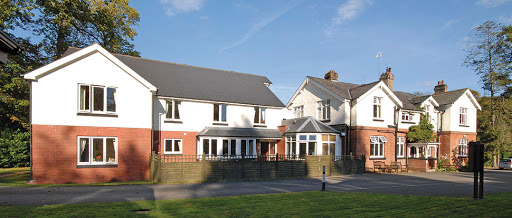
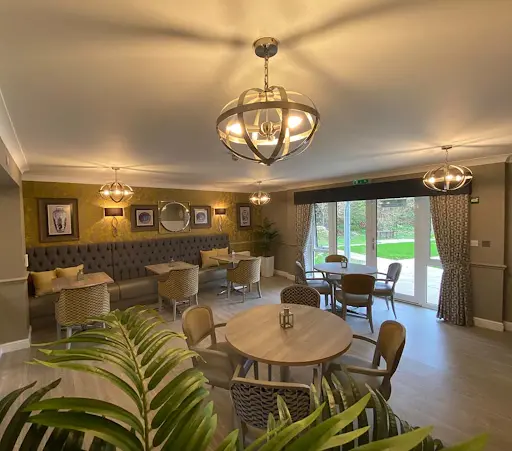
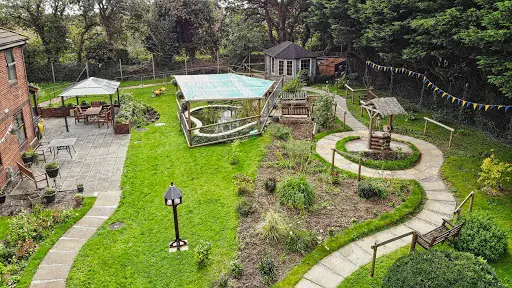
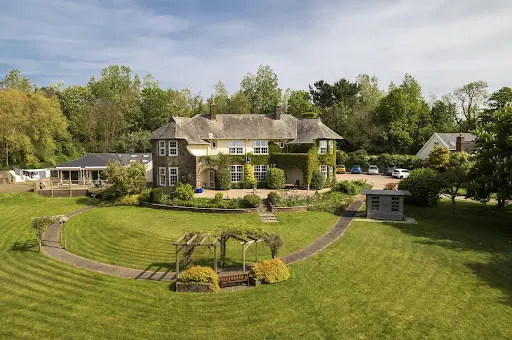
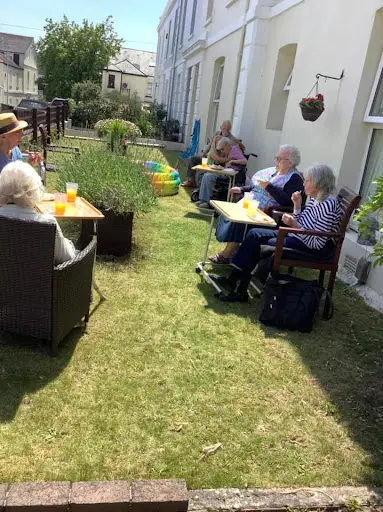
The home maintains immaculate standards throughout, with bright rooms featuring ensuite facilities. Set in countryside surroundings, residents can enjoy accessible gardens when weather permits. The peaceful setting adds to the sense of calm that families value.
“If you're weighing up options for someone dear to you, visiting Hembury Fort House could help you understand their approach to dementia care firsthand.”
DCC does not edit or curate content in this tab. For independently curated information, see The Evidence and DCC Verdict.