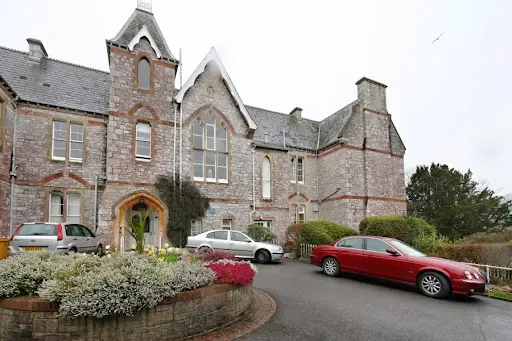
Hatt House
At a Glance
The information you need to decide whether this home warrants a closer look.
Residential homes
Staff warmth score
of reviewers answered yes
Good to know
- Registered beds24
- SpecialismsCaring for adults over 65 yrs, Dementia, Mental health conditions, Physical disabilities, Sensory impairment
- Last inspected2021-09-01
Save Hatt House to your shortlist
Keep a running list, add visit notes, and compare homes side-by-side. Free account — it takes a minute.
STAGE 4 — RESEARCHING CARE HOMES
Visit homes. Compare them side by side. Choose with confidence.
Most of us will view care homes the way we view houses, impression, atmosphere, the feeling in the corridor. We go home, try to remember what we saw, and make a permanent decision from a blurred memory.

The DCC shortlist gives every home you visit a structured record: the same twelve questions, answered the same way, every time. When you’re ready to choose, pull any two homes side by side and compare them directly. Same criteria, same evidence, your notes and your scores.
The Evidence
What the review data, the inspection reports, and the dementia-care evidence base tell us about this home.
What families say
The eight family priority themes
- Staff warmth60
- Compassion & dignity60
- Cleanliness62
- Activities & engagement55
- Food quality55
- Healthcare58
- Management & leadership60
- Resident happiness58
What inspectors found
Inspected 2021-09-01
Is this home safe?
Is the care effective?
The Effective domain was rated Good at the September 2021 inspection, covering training, care planning, healthcare access, and nutrition. For a home specialising in dementia, this indicates inspectors were satisfied that staff had the knowledge and tools to support residents' needs at that point. No specific information about dementia training programmes, GP visit frequency, or how care plans are structured was available from the inspection text. Food quality and mealtime experience, which matter significantly to families, also fell within this domain but could not be specifically assessed.Is this home caring?
The Caring domain was rated Good at the September 2021 inspection, which covers staff warmth, compassion, dignity, and respect for independence. This is the domain most directly reflecting the day-to-day human experience of living in the home. Staff warmth and compassion together account for over 55% of the weighting in our Family Score, reflecting how central this is to what families tell us they value most. No inspector observations about how staff speak to residents, how they respond to distress, or whether residents are addressed by preferred names were available from the inspection text.Is the home responsive?
The Responsive domain was rated Good at the September 2021 inspection, covering activities, engagement, individual care, and end-of-life planning. For a 24-bed home with a dementia specialism, responsiveness means adapting care to each person's changing needs and ensuring they have a meaningful daily life, not just physical care. No specific detail about the activities programme, how it is tailored to individual residents, or how end-of-life wishes are documented and honoured was available from the inspection text.Is the home well-led?
The Well-Led domain was rated Good at the September 2021 inspection, indicating inspectors were satisfied with governance, management culture, accountability, and staff support at that time. For a small 24-bed home, strong leadership is particularly significant — the manager's presence, tenure, and relationship with staff directly shape the day-to-day experience of every person living there. No information about the current manager, staff turnover rates, how the home uses feedback from residents and families, or recent governance practices was available from the inspection text.
Source: CQC inspection report →
What the evidence base says
The team at Hatt House supports residents with dementia, mental health conditions, physical disabilities and sensory impairments. They welcome adults over 65 who need varying levels of care. Dementia care is one of the specialisms here. The home provides support for residents living with different stages of dementia. All areas worth probing directly during a visit.
The DCC Verdict
Our editorial view, built from the three lenses: what families tell us, what inspectors record, and how the home sits against good dementia-care practice.
DCC Family Score
This home holds a Good rating across all five domains, which is a positive baseline, but because the full inspection text was unavailable, no specific observations, quotes, or direct evidence could be verified — so the Family Score reflects the rating's implied quality, not confirmed detail.
Homes in South West typically score 68–82.Worth a visit
This small, 24-bed residential home in Torquay was rated Good across all five inspection domains at its most recent assessment in September 2021, covering safety, effectiveness, caring, responsiveness, and leadership. That is a genuinely positive baseline — fewer than half of all registered care homes in England currently hold Good or better across every domain. The home supports adults over 65 with dementia, mental health conditions, physical disabilities, and sensory impairment, which reflects meaningful specialism breadth for a home of this size. However, the most important thing to know before making a decision is that this inspection is now over three years old, and the full inspection report text was not available for this analysis. That means no staff quotes, no resident testimony, no inspector observations, and no specific practice examples could be verified. A Good rating from 2021 tells you where this home stood then — it cannot tell you what it looks like today. When you visit, ask specifically: how many staff are on overnight, how often your parent's care plan would be reviewed with your involvement, and what the current manager's tenure is. Sit in a communal area for at least 30 minutes and watch how staff interact with residents who are not asking for anything.
The three questions to ask when you visitSave this home. Compare it against your shortlist.
Let our analysis show you how Hatt House measures up against the other homes you’re considering. Free account.
In Their Own Words
How Hatt House describes itself — collected from its own website. DCC has not edited or independently verified the content in this tab.
A relaxed Torquay setting where residents feel genuinely content
Dedicated residential home Support in Torquay
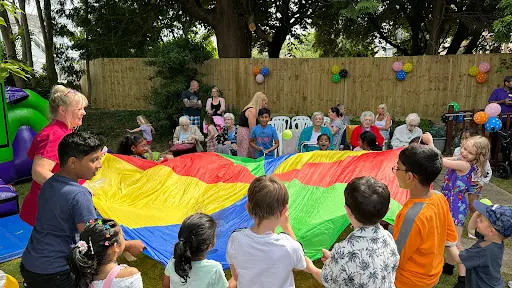
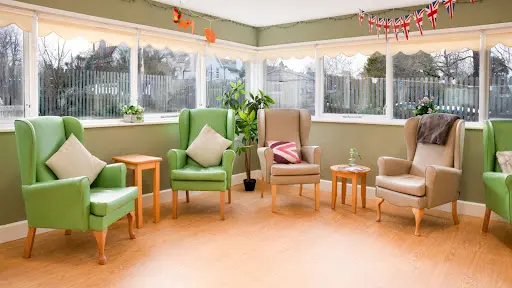
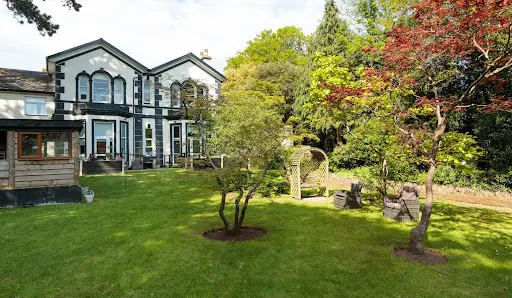
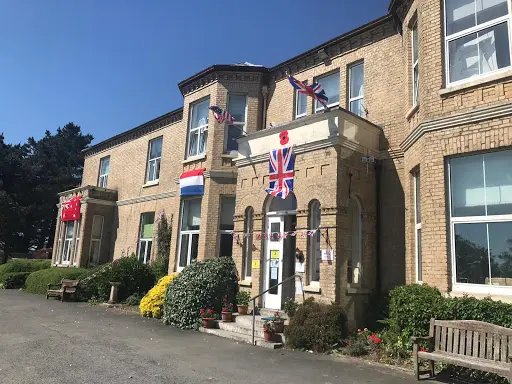
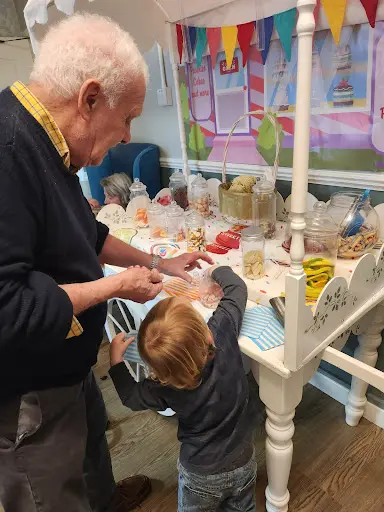
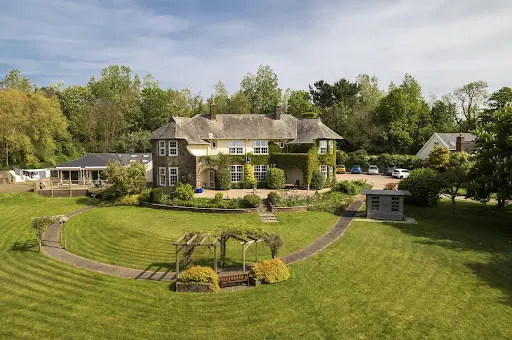
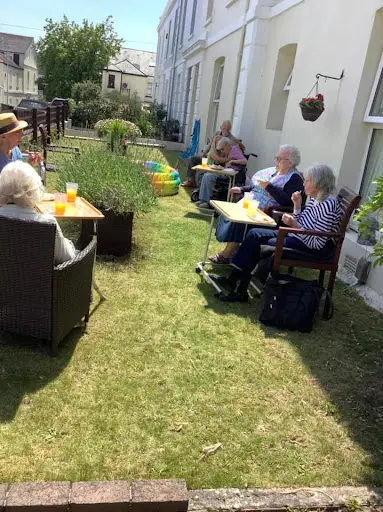
When families visit Hatt House in Torquay, they often notice how settled the residents seem. This care home provides support for people with various needs, including dementia and physical disabilities. The atmosphere feels calm and welcoming, with residents appearing comfortable in their surroundings.
Who they care for
The team at Hatt House supports residents with dementia, mental health conditions, physical disabilities and sensory impairments. They welcome adults over 65 who need varying levels of care.
Dementia care is one of the specialisms here. The home provides support for residents living with different stages of dementia.
“If you're considering care options in the Torquay area, visiting Hatt House could help you get a feel for whether it might suit your loved one.”
DCC does not edit or curate content in this tab. For independently curated information, see The Evidence and DCC Verdict.
The DCC Verdict
Our editorial view, built from the three lenses: what families tell us, what inspectors record, and how the home sits against good dementia-care practice.
DCC Family Score
This home holds a Good rating across all five domains, which is a positive baseline, but because the full inspection text was unavailable, no specific observations, quotes, or direct evidence could be verified — so the Family Score reflects the rating's implied quality, not confirmed detail.
Homes in South West typically score 68–82.Worth a visit
This small, 24-bed residential home in Torquay was rated Good across all five inspection domains at its most recent assessment in September 2021, covering safety, effectiveness, caring, responsiveness, and leadership. That is a genuinely positive baseline — fewer than half of all registered care homes in England currently hold Good or better across every domain. The home supports adults over 65 with dementia, mental health conditions, physical disabilities, and sensory impairment, which reflects meaningful specialism breadth for a home of this size. However, the most important thing to know before making a decision is that this inspection is now over three years old, and the full inspection report text was not available for this analysis. That means no staff quotes, no resident testimony, no inspector observations, and no specific practice examples could be verified. A Good rating from 2021 tells you where this home stood then — it cannot tell you what it looks like today. When you visit, ask specifically: how many staff are on overnight, how often your parent's care plan would be reviewed with your involvement, and what the current manager's tenure is. Sit in a communal area for at least 30 minutes and watch how staff interact with residents who are not asking for anything.
The three questions to ask when you visitSave this home. Compare it against your shortlist.
Let our analysis show you how Hatt House measures up against the other homes you’re considering. Free account.
In Their Own Words
How Hatt House describes itself — collected from its own website. DCC has not edited or independently verified the content in this tab.
A relaxed Torquay setting where residents feel genuinely content
Dedicated residential home Support in Torquay
When families visit Hatt House in Torquay, they often notice how settled the residents seem. This care home provides support for people with various needs, including dementia and physical disabilities. The atmosphere feels calm and welcoming, with residents appearing comfortable in their surroundings.
Who they care for
The team at Hatt House supports residents with dementia, mental health conditions, physical disabilities and sensory impairments. They welcome adults over 65 who need varying levels of care.
Dementia care is one of the specialisms here. The home provides support for residents living with different stages of dementia.
“If you're considering care options in the Torquay area, visiting Hatt House could help you get a feel for whether it might suit your loved one.”
DCC does not edit or curate content in this tab. For independently curated information, see The Evidence and DCC Verdict.