Gifford House Care Home
At a Glance
The information you need to decide whether this home warrants a closer look.
Nursing homes
Staff warmth score
of reviewers answered yes
Good to know
- Registered beds102
- SpecialismsCaring for adults over 65 yrs, Dementia, Physical disabilities, Sensory impairment
- Last inspected2023-11-11
Save Gifford House Care Home to your shortlist
Keep a running list, add visit notes, and compare homes side-by-side. Free account — it takes a minute.
STAGE 4 — RESEARCHING CARE HOMES
Visit homes. Compare them side by side. Choose with confidence.
Most of us will view care homes the way we view houses, impression, atmosphere, the feeling in the corridor. We go home, try to remember what we saw, and make a permanent decision from a blurred memory.

The DCC shortlist gives every home you visit a structured record: the same twelve questions, answered the same way, every time. When you’re ready to choose, pull any two homes side by side and compare them directly. Same criteria, same evidence, your notes and your scores.
The Evidence
What the review data, the inspection reports, and the dementia-care evidence base tell us about this home.
What families say
Families describe feeling welcome when they visit, finding staff approachable for everyday questions and updates. Some carers stand out for their willingness to help families stay connected, with reports of staff helping arrange video calls and regular contact.
The eight family priority themes
- Staff warmth70
- Compassion & dignity70
- Cleanliness70
- Activities & engagement60
- Food quality55
- Healthcare65
- Management & leadership48
- Resident happiness68
What inspectors found
Inspected 2023-11-11
Is this home safe?
Is the care effective?
The Effective domain was rated Good, covering training, care planning, healthcare access, nutrition, and hydration. The home specialises in dementia care, which means inspectors would have looked at whether staff have appropriate training to support people living with dementia. No specific detail about care plan content, GP access frequency, or food quality is included in the published summary. A Good rating indicates inspectors found the home broadly meeting standards in these areas.Is this home caring?
The Caring domain was rated Good, which covers staff warmth, dignity, respect, and how well staff support residents' independence. This is one of the most significant ratings for families choosing a home. The published inspection text does not include specific observations of staff interactions, named examples of dignity being upheld, or direct quotes from residents or relatives. A Good rating indicates the inspectors did not find cause for concern in this area.Is the home responsive?
The Responsive domain was rated Good, covering activities, individual engagement, and how well the home responds to complaints and individual preferences. The home's specialisms include dementia and sensory impairment, which means responsiveness to individual need is particularly important. No specific activities are described in the published text, and there is no detail about whether the home provides one-to-one engagement for people who cannot join group activities. A Good rating indicates inspectors found broadly satisfactory provision.Is the home well-led?
The Well-led domain was rated Requires Improvement at the September 2023 inspection, meaning this was the one area where inspectors found things that needed to be addressed. The home is run by AMS Care Limited, with a registered manager and a nominated individual named in the inspection record. The published text does not describe what specific concerns were identified under Well-led, what actions were required, or what the home's response has been. The overall rating improved from Requires Improvement to Good despite the Well-led rating remaining at Requires Improvement.
Source: CQC inspection report →
What the evidence base says
The home provides care for residents over 65 with various needs, including physical disabilities and sensory impairments. They also offer specialist dementia care. For residents living with dementia, the home's design includes features to support orientation and wellbeing. The staff team has experience caring for people at different stages of their dementia journey. All areas worth probing directly during a visit.
The DCC Verdict
Our editorial view, built from the three lenses: what families tell us, what inspectors record, and how the home sits against good dementia-care practice.
DCC Family Score
Gifford House Care Home scores 72 out of 100 on the DCC Family Score, reflecting a genuine improvement from its previous rating and solid Good ratings across four domains, offset by a Requires Improvement in well-led, which is the one area where the inspection found things still need to be put right.
Homes in East typically score 68–82.The three-lens summary
What families tell us
Families describe feeling welcome when they visit, finding staff approachable for everyday questions and updates. Some carers stand out for their willingness to help families stay connected, with reports of staff helping arrange video calls and regular contact.
What inspectors have recorded
How it sits against good practice
Every family's experience matters, and finding the right fit takes time and careful consideration.
Worth a visit
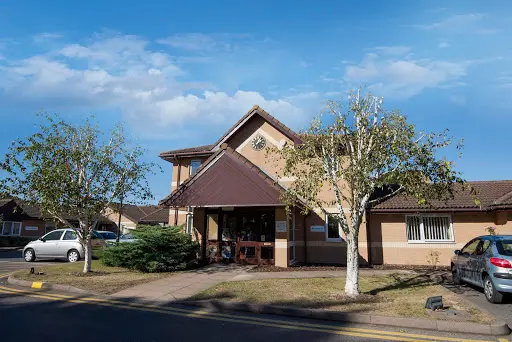
Gifford House Care Home, on London Road in Basildon, was rated Good overall at its most recent inspection on 26 September 2023, with Good ratings across Safe, Effective, Caring, and Responsive domains. This is a genuine improvement from its previous overall rating of Requires Improvement, which suggests the home has made real progress. The home is a 102-bed nursing home with specialisms in dementia, physical disabilities, and sensory impairment, so it has experience with complex care needs. The one area of concern is the Well-led domain, which was still rated Requires Improvement at the time of inspection. This matters because weak leadership is one of the strongest predictors of whether a home maintains quality over time. The published inspection text is brief and does not include specific observations, staff or resident quotes, or detail about what was found in each domain. That limits what can be said with confidence. On a visit, ask to speak to the manager directly, ask how they have addressed the Well-led concerns, and request sight of the action plan they submitted to the regulator in response.
The three questions to ask when you visitSave this home. Compare it against your shortlist.
Let our analysis show you how Gifford House Care Home measures up against the other homes you’re considering. Free account.
In Their Own Words
How Gifford House Care Home describes itself — collected from its own website. DCC has not edited or independently verified the content in this tab.
Dedicated staff care in a purpose-built environment with thoughtful facilities
Nursing home in Basildon: True Peace of Mind
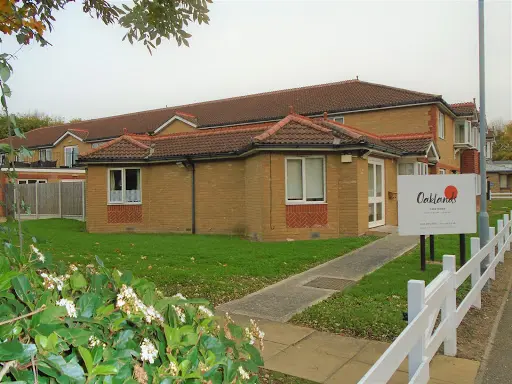
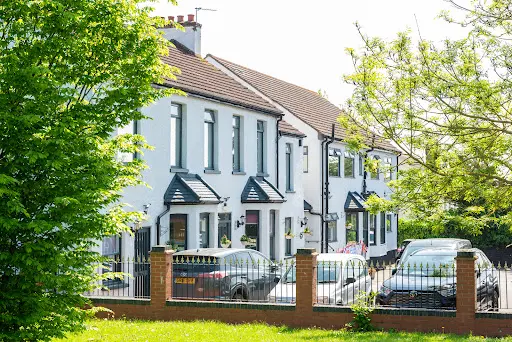
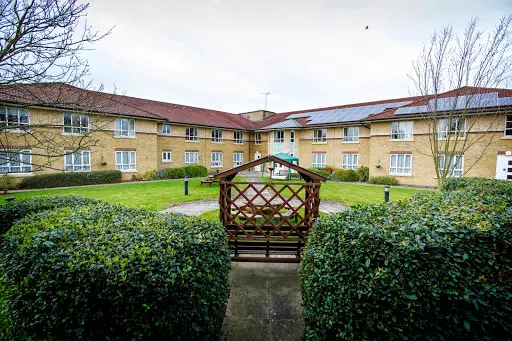
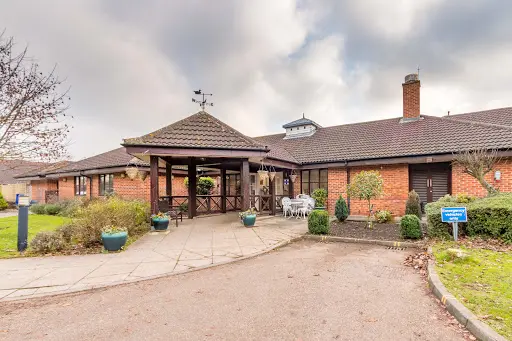
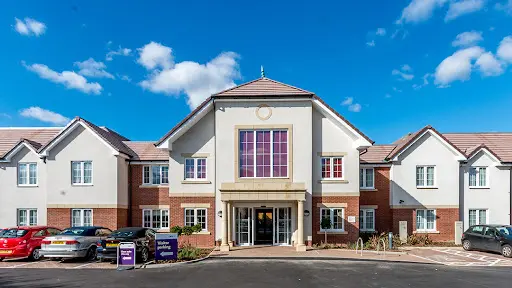
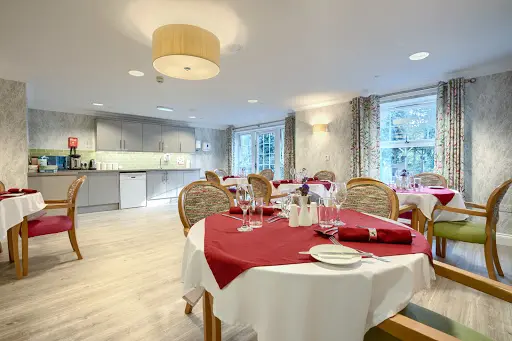
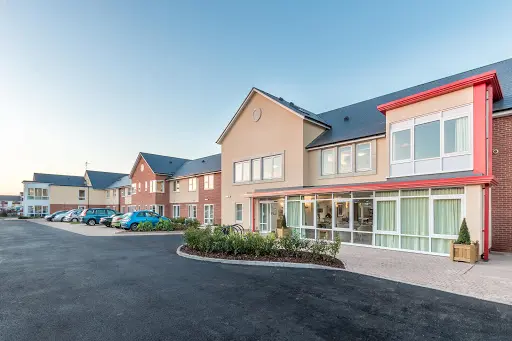
When families visit Gifford House Care Home in Basildon, they often comment on how the building itself seems designed with residents in mind. From the gardens to the on-site hairdresser, the facilities create opportunities for comfort and connection. While experiences vary, many families speak warmly of individual staff members who show real dedication to residents' wellbeing.
Who they care for
The home provides care for residents over 65 with various needs, including physical disabilities and sensory impairments. They also offer specialist dementia care.
For residents living with dementia, the home's design includes features to support orientation and wellbeing. The staff team has experience caring for people at different stages of their dementia journey.
“Every family's experience matters, and finding the right fit takes time and careful consideration.”
DCC does not edit or curate content in this tab. For independently curated information, see The Evidence and DCC Verdict.
The DCC Verdict
Our editorial view, built from the three lenses: what families tell us, what inspectors record, and how the home sits against good dementia-care practice.
DCC Family Score
Gifford House Care Home scores 72 out of 100 on the DCC Family Score, reflecting a genuine improvement from its previous rating and solid Good ratings across four domains, offset by a Requires Improvement in well-led, which is the one area where the inspection found things still need to be put right.
Homes in East typically score 68–82.The three-lens summary
What families tell us
Families describe feeling welcome when they visit, finding staff approachable for everyday questions and updates. Some carers stand out for their willingness to help families stay connected, with reports of staff helping arrange video calls and regular contact.
What inspectors have recorded
How it sits against good practice
Every family's experience matters, and finding the right fit takes time and careful consideration.
Worth a visit
Gifford House Care Home, on London Road in Basildon, was rated Good overall at its most recent inspection on 26 September 2023, with Good ratings across Safe, Effective, Caring, and Responsive domains. This is a genuine improvement from its previous overall rating of Requires Improvement, which suggests the home has made real progress. The home is a 102-bed nursing home with specialisms in dementia, physical disabilities, and sensory impairment, so it has experience with complex care needs. The one area of concern is the Well-led domain, which was still rated Requires Improvement at the time of inspection. This matters because weak leadership is one of the strongest predictors of whether a home maintains quality over time. The published inspection text is brief and does not include specific observations, staff or resident quotes, or detail about what was found in each domain. That limits what can be said with confidence. On a visit, ask to speak to the manager directly, ask how they have addressed the Well-led concerns, and request sight of the action plan they submitted to the regulator in response.
The three questions to ask when you visitSave this home. Compare it against your shortlist.
Let our analysis show you how Gifford House Care Home measures up against the other homes you’re considering. Free account.
In Their Own Words
How Gifford House Care Home describes itself — collected from its own website. DCC has not edited or independently verified the content in this tab.
Dedicated staff care in a purpose-built environment with thoughtful facilities
Nursing home in Basildon: True Peace of Mind
When families visit Gifford House Care Home in Basildon, they often comment on how the building itself seems designed with residents in mind. From the gardens to the on-site hairdresser, the facilities create opportunities for comfort and connection. While experiences vary, many families speak warmly of individual staff members who show real dedication to residents' wellbeing.
Who they care for
The home provides care for residents over 65 with various needs, including physical disabilities and sensory impairments. They also offer specialist dementia care.
For residents living with dementia, the home's design includes features to support orientation and wellbeing. The staff team has experience caring for people at different stages of their dementia journey.
The home & environment
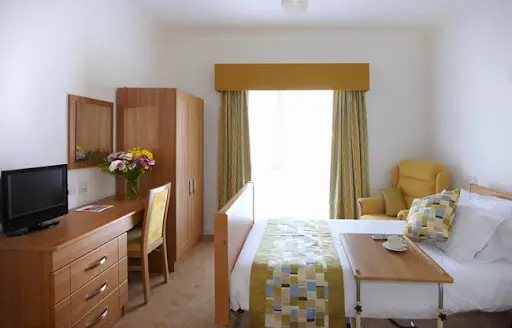
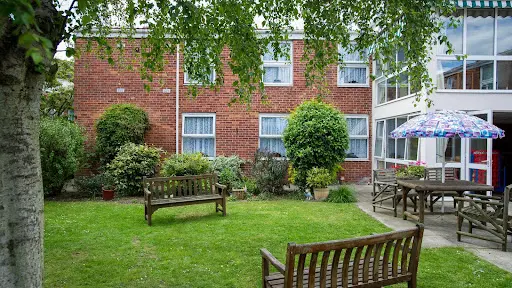
The home features gardens and water features that residents enjoy, along with practical amenities like an on-site hairdresser. Families report that residents are kept clean and well-fed, with the physical environment maintained to support daily comfort.
“Every family's experience matters, and finding the right fit takes time and careful consideration.”
DCC does not edit or curate content in this tab. For independently curated information, see The Evidence and DCC Verdict.