Flowers Manor Care Home
At a Glance
The information you need to decide whether this home warrants a closer look.
Residential homes
Staff warmth score
of reviewers answered yes
Good to know
- Registered beds66
- SpecialismsCaring for adults over 65 yrs, Dementia, Sensory impairment
- Last inspected2024-02-05
Save Flowers Manor Care Home to your shortlist
Keep a running list, add visit notes, and compare homes side-by-side. Free account — it takes a minute.
STAGE 4 — RESEARCHING CARE HOMES
Visit homes. Compare them side by side. Choose with confidence.
Most of us will view care homes the way we view houses, impression, atmosphere, the feeling in the corridor. We go home, try to remember what we saw, and make a permanent decision from a blurred memory.

The DCC shortlist gives every home you visit a structured record: the same twelve questions, answered the same way, every time. When you’re ready to choose, pull any two homes side by side and compare them directly. Same criteria, same evidence, your notes and your scores.
The Evidence
What the review data, the inspection reports, and the dementia-care evidence base tell us about this home.
What families say
Visitors consistently notice how residents seem engaged and content here, whether they're joining in dance sessions or simply enjoying conversations in the comfortable lounges. Staff take time to learn what makes each person tick, creating those small moments of connection that matter so much.
The eight family priority themes
- Staff warmth72
- Compassion & dignity72
- Cleanliness70
- Activities & engagement65
- Food quality60
- Healthcare65
- Management & leadership75
- Resident happiness70
What inspectors found
Inspected 2024-02-05 Report published 2024-02-05
Is this home safe?
Is the care effective?
The Effective domain was rated Good at the February 2024 inspection. This domain covers whether staff have the right training, whether care plans are detailed and kept up to date, whether people's health needs are monitored, and whether nutrition and hydration are well managed. The home lists dementia and sensory impairment as specialisms, which means inspectors would have considered whether staff training reflects those specific needs. No concerns were recorded, but the published summary does not describe the content of training programmes, the frequency of care plan reviews, or how GP and specialist input is arranged.Is this home caring?
The Caring domain was rated Good at the February 2024 inspection. This is the domain that most directly reflects whether staff are kind, whether your parent is treated with dignity, and whether their independence is supported. A Good rating here means inspectors were satisfied with what they observed, but the published summary does not include specific observations of staff interactions, any direct quotes from people living at the home or their families, or examples of how staff respond to distress or support people to make their own choices.Is the home responsive?
The Responsive domain was rated Good at the February 2024 inspection. This domain covers whether the home meets individual needs, whether activities are meaningful and varied, and whether people can shape their own daily lives. It also covers complaint handling and end-of-life care planning. No concerns were recorded, but the published summary does not describe what activities are on offer, how they are adapted for people with advanced dementia or sensory impairment, or how the home responds when someone's needs change.Is the home well-led?
The Well-led domain was rated Good at the February 2024 inspection. The home is run by Elmfield Care Limited, with a named registered manager, Miss Esther Jane Cambridge, and a nominated individual, Mr James Norman Robson, both identified in the inspection record. A Good rating under this domain indicates inspectors were satisfied that governance systems were functioning, that staff were supported, and that the home had a positive culture. No concerns about leadership stability or accountability were recorded in the published summary.
Source: CQC inspection report →
What the evidence base says
The home cares for people over 65, with particular experience supporting those living with dementia and sensory impairments. While families speak warmly about dementia care here, the home's approach focuses on creating structure through daily activities and maintaining a sense of security through consistent, friendly staff presence. All areas worth probing directly during a visit.
The DCC Verdict
Our editorial view, built from the three lenses: what families tell us, what inspectors record, and how the home sits against good dementia-care practice.
DCC Family Score
Flowers Manor was rated Good across all five inspection domains in February 2024, reflecting a consistent, broadly positive picture. The score sits in the mid-70s because, while no serious concerns were found, the published inspection report provides limited specific observations, direct quotes, or detailed evidence across most themes.
Homes in South West typically score 68–82.The three-lens summary
What families tell us
Visitors consistently notice how residents seem engaged and content here, whether they're joining in dance sessions or simply enjoying conversations in the comfortable lounges. Staff take time to learn what makes each person tick, creating those small moments of connection that matter so much.
What inspectors have recorded
The team here seems to understand that good care means keeping families in the loop. They're approachable when relatives have questions and create an atmosphere where external visitors — from family members to activity coordinators — feel genuinely welcome to be part of daily life.
How it sits against good practice
For many families, what stands out is simply knowing their relative is somewhere clean, friendly, and properly looked after.
Worth a visit
Flowers Manor, on Wood Lane in Chippenham, was rated Good across all five inspection domains when assessed in February 2024, with the report published in June 2024. The home, run by Elmfield Care Limited, supports up to 66 people, including those living with dementia and sensory impairments. A named registered manager and nominated individual were in post, indicating a clear leadership structure. All domains, covering safety, effective care, staff kindness, responsiveness to individual needs, and leadership, met the standard inspectors require for a Good rating. The main limitation of this Family View is that the published inspection summary is brief and does not include specific observations, direct quotes from people living at the home or their families, or detailed evidence across the themes that matter most to families, such as staff warmth at night, activity provision for people with advanced dementia, or how the home communicates when something changes. On a visit, ask to see last week's actual staffing rota (not just the template), find out how many permanent staff work nights, ask what a typical day looks like for someone who cannot join group activities, and ask when your parent's care plan would next be reviewed and who would be involved in that.
The three questions to ask when you visitSave this home. Compare it against your shortlist.
Let our analysis show you how Flowers Manor Care Home measures up against the other homes you’re considering. Free account.
In Their Own Words
How Flowers Manor Care Home describes itself — collected from its own website. DCC has not edited or independently verified the content in this tab.
Where smiling staff and spotless rooms create real comfort
Flowers Manor – Expert Care in Chippenham
When families first visit Flowers Manor in Chippenham, they often mention how friendly everyone seems — from the care team to the residents themselves. This welcoming atmosphere runs through the whole home, where bright spaces and structured daily activities help people feel genuinely settled. It's the kind of place where families find themselves staying longer than planned, just chatting over a cup of tea.
Who they care for
The home cares for people over 65, with particular experience supporting those living with dementia and sensory impairments.
While families speak warmly about dementia care here, the home's approach focuses on creating structure through daily activities and maintaining a sense of security through consistent, friendly staff presence.
“For many families, what stands out is simply knowing their relative is somewhere clean, friendly, and properly looked after.”
DCC does not edit or curate content in this tab. For independently curated information, see The Evidence and DCC Verdict.
The DCC Verdict
Our editorial view, built from the three lenses: what families tell us, what inspectors record, and how the home sits against good dementia-care practice.
DCC Family Score
Flowers Manor was rated Good across all five inspection domains in February 2024, reflecting a consistent, broadly positive picture. The score sits in the mid-70s because, while no serious concerns were found, the published inspection report provides limited specific observations, direct quotes, or detailed evidence across most themes.
Homes in South West typically score 68–82.The three-lens summary
What families tell us
Visitors consistently notice how residents seem engaged and content here, whether they're joining in dance sessions or simply enjoying conversations in the comfortable lounges. Staff take time to learn what makes each person tick, creating those small moments of connection that matter so much.
What inspectors have recorded
The team here seems to understand that good care means keeping families in the loop. They're approachable when relatives have questions and create an atmosphere where external visitors — from family members to activity coordinators — feel genuinely welcome to be part of daily life.
How it sits against good practice
For many families, what stands out is simply knowing their relative is somewhere clean, friendly, and properly looked after.
Worth a visit
Flowers Manor, on Wood Lane in Chippenham, was rated Good across all five inspection domains when assessed in February 2024, with the report published in June 2024. The home, run by Elmfield Care Limited, supports up to 66 people, including those living with dementia and sensory impairments. A named registered manager and nominated individual were in post, indicating a clear leadership structure. All domains, covering safety, effective care, staff kindness, responsiveness to individual needs, and leadership, met the standard inspectors require for a Good rating. The main limitation of this Family View is that the published inspection summary is brief and does not include specific observations, direct quotes from people living at the home or their families, or detailed evidence across the themes that matter most to families, such as staff warmth at night, activity provision for people with advanced dementia, or how the home communicates when something changes. On a visit, ask to see last week's actual staffing rota (not just the template), find out how many permanent staff work nights, ask what a typical day looks like for someone who cannot join group activities, and ask when your parent's care plan would next be reviewed and who would be involved in that.
The three questions to ask when you visitSave this home. Compare it against your shortlist.
Let our analysis show you how Flowers Manor Care Home measures up against the other homes you’re considering. Free account.
In Their Own Words
How Flowers Manor Care Home describes itself — collected from its own website. DCC has not edited or independently verified the content in this tab.
Where smiling staff and spotless rooms create real comfort
Flowers Manor – Expert Care in Chippenham
When families first visit Flowers Manor in Chippenham, they often mention how friendly everyone seems — from the care team to the residents themselves. This welcoming atmosphere runs through the whole home, where bright spaces and structured daily activities help people feel genuinely settled. It's the kind of place where families find themselves staying longer than planned, just chatting over a cup of tea.
Who they care for
The home cares for people over 65, with particular experience supporting those living with dementia and sensory impairments.
While families speak warmly about dementia care here, the home's approach focuses on creating structure through daily activities and maintaining a sense of security through consistent, friendly staff presence.
Management & ethos
The team here seems to understand that good care means keeping families in the loop. They're approachable when relatives have questions and create an atmosphere where external visitors — from family members to activity coordinators — feel genuinely welcome to be part of daily life.
The home & environment
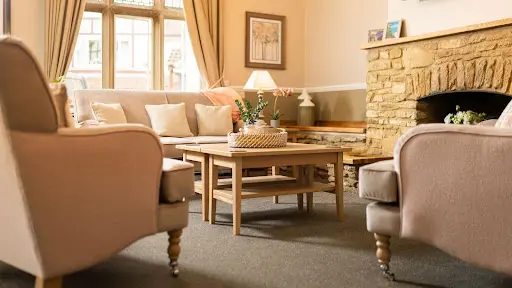
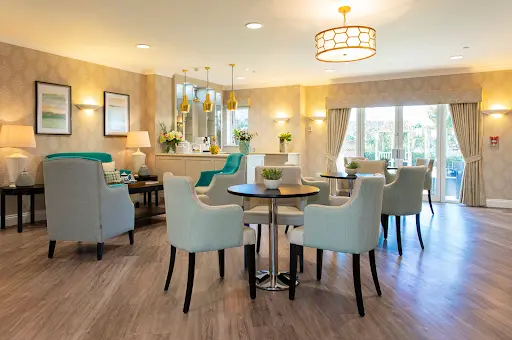
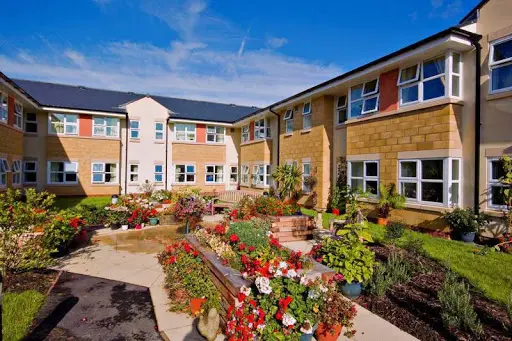
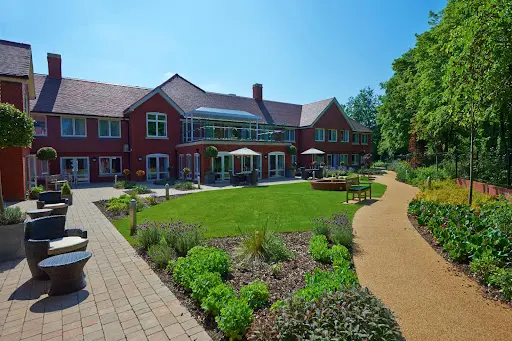
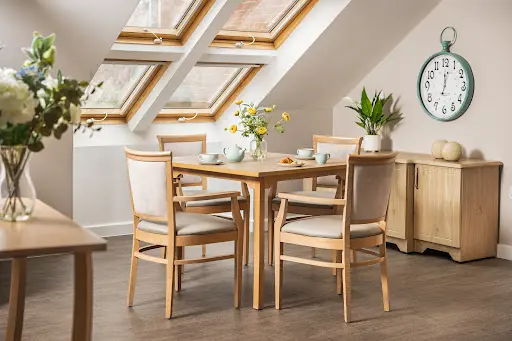
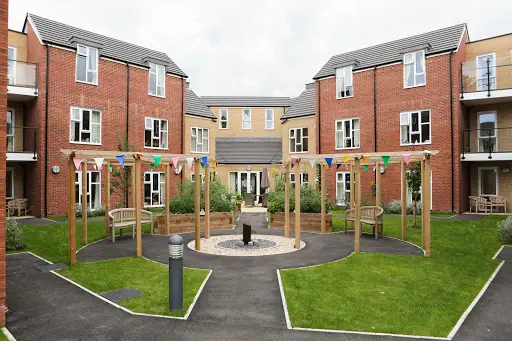
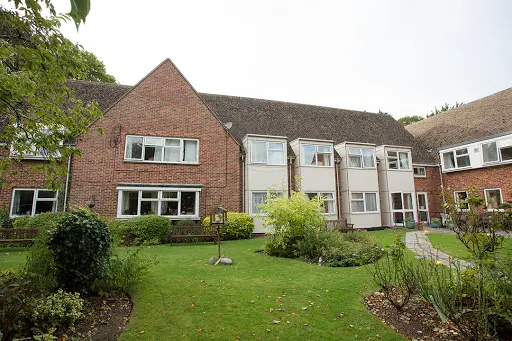
The home stays remarkably clean and fresh, with bright rooms that feel inviting rather than clinical. Meals get particular praise — well-presented food with proper variety that people actually look forward to. There's space to wander safely outdoors when the weather's nice.
“For many families, what stands out is simply knowing their relative is somewhere clean, friendly, and properly looked after.”
DCC does not edit or curate content in this tab. For independently curated information, see The Evidence and DCC Verdict.