Elwick Grange Care Home – Care UK
At a Glance
The information you need to decide whether this home warrants a closer look.
Residential homes
Staff warmth score
of reviewers answered yes
Good to know
- Registered beds60
- SpecialismsCaring for adults over 65 yrs, Caring for adults under 65 yrs, Dementia, Learning disabilities, Mental health conditions, Physical disabilities
- Last inspected2023-06-28
Save Elwick Grange Care Home – Care UK to your shortlist
Keep a running list, add visit notes, and compare homes side-by-side. Free account — it takes a minute.
STAGE 4 — RESEARCHING CARE HOMES
Visit homes. Compare them side by side. Choose with confidence.
Most of us will view care homes the way we view houses, impression, atmosphere, the feeling in the corridor. We go home, try to remember what we saw, and make a permanent decision from a blurred memory.

The DCC shortlist gives every home you visit a structured record: the same twelve questions, answered the same way, every time. When you’re ready to choose, pull any two homes side by side and compare them directly. Same criteria, same evidence, your notes and your scores.
The Evidence
What the review data, the inspection reports, and the dementia-care evidence base tell us about this home.
What families say
Families talk about staff who really get to know each resident — their sense of humour, what makes them comfortable, the little things that matter. There's a warmth in how people describe the interactions here, with staff creating an atmosphere where residents feel relaxed enough to joke around and be themselves.
The eight family priority themes
- Staff warmth72
- Compassion & dignity72
- Cleanliness72
- Activities & engagement68
- Food quality68
- Healthcare70
- Management & leadership74
- Resident happiness70
What inspectors found
Inspected 2023-06-28
Is this home safe?
Is the care effective?
The Effective domain was rated Good at the February 2026 inspection. This domain covers how well the home uses training, care plans, healthcare access, and nutrition to meet residents' needs. The home lists dementia as a specialism, which means inspectors would have looked at whether staff have relevant dementia training and whether care plans reflect individual histories and preferences. The published text does not describe what inspectors specifically found in any of these areas.Is this home caring?
The Caring domain was rated Good at the February 2026 inspection. This is the domain that most directly reflects whether staff are kind, unhurried, and respectful in their day-to-day interactions with residents. It also covers dignity, privacy, and whether residents are supported to maintain independence where they can. The published report contains no direct inspector observations of staff interactions, no resident or relative quotes, and no specific examples of caring practice. The Good rating indicates inspectors were satisfied, but families will not find the confirming detail here that makes a home feel real.Is the home responsive?
The Responsive domain was rated Good at the February 2026 inspection. This domain covers whether the home tailors its care and activities to individuals, responds to changing needs, supports residents' independence, and has end-of-life plans in place. Elwick Grange supports people with a wide range of needs, including dementia, learning disabilities, mental health conditions, and physical disabilities, which makes individual responsiveness particularly important. The published findings do not describe the activities programme, how one-to-one time is provided, or how the home approaches end-of-life care.Is the home well-led?
The Well-led domain was rated Good at the February 2026 inspection. This domain covers management visibility, staff culture, governance systems, and whether the home learns from incidents and complaints. Elwick Grange has a named registered manager, Wendy Winspear, and a nominated individual, Rachel Louise Harvey, both formally registered with the regulator. The home is run by Care UK Community Partnerships Ltd, a large national provider. The published report does not describe the management culture, how staff are supported to raise concerns, or what governance systems are in place beyond the formal registration of named leaders.
Source: CQC inspection report →
What the evidence base says
Elwick Grange cares for adults both under and over 65, supporting people with dementia, learning disabilities, mental health conditions and physical disabilities. This broad experience means they're set up to handle different care needs under one roof. For residents with dementia, the home provides specialist support alongside their other services. Staff work to keep residents engaged and participating in daily life, adapting their approach to each person's needs. All areas worth probing directly during a visit.
The DCC Verdict
Our editorial view, built from the three lenses: what families tell us, what inspectors record, and how the home sits against good dementia-care practice.
DCC Family Score
Elwick Grange was rated Good across all five domains at its most recent inspection in February 2026, which is a positive baseline. However, the published report text contains very limited specific detail, so most scores reflect a confirmed Good rating without the direct observations, quotes, or named examples that would push them higher.
Homes in North East typically score 68–82.The three-lens summary
What families tell us
Families talk about staff who really get to know each resident — their sense of humour, what makes them comfortable, the little things that matter. There's a warmth in how people describe the interactions here, with staff creating an atmosphere where residents feel relaxed enough to joke around and be themselves.
What inspectors have recorded
Staff here seem to understand those crucial early days when everything feels uncertain. Families mention how supported they felt from that very first contact, with staff who actively help residents engage in activities and stay connected to what they enjoy.
How it sits against good practice
Sometimes the best sign of good care is when families say their loved one settled in without any fuss — and that's what keeps coming through about Elwick Grange.
Worth a visit
Elwick Grange, on Elwick Road in Hartlepool, was rated Good across all five inspection domains at its most recent assessment in February 2026, published in March 2026. The home is run by Care UK Community Partnerships Ltd, a large national provider, and has a named registered manager in post. It supports a wide range of needs, including dementia, learning disabilities, mental health conditions, and physical disabilities, across 60 beds. A consistent Good rating across every domain is a genuinely positive signal, and having accountable, named leadership registered with the regulator is an important foundation. The main limitation here is that the published inspection report contains very little specific detail. There are no direct quotes from residents or relatives, no inspector observations of daily life, and no data on staffing ratios or activity programmes. This means the Good rating is confirmed but not yet explained in the detail families need. Before visiting, prepare a short list of specific questions: ask to see last week's staffing rota and count how many permanent versus agency staff worked on the dementia unit, especially on nights. Ask the manager what one-to-one time looks like for a resident who cannot join group activities. The answers to those questions will tell you more than the rating alone.
The three questions to ask when you visitSave this home. Compare it against your shortlist.
Let our analysis show you how Elwick Grange Care Home – Care UK measures up against the other homes you’re considering. Free account.
In Their Own Words
How Elwick Grange Care Home – Care UK describes itself — collected from its own website. DCC has not edited or independently verified the content in this tab.
Where residents settle quickly and families feel genuinely welcomed
Elwick Grange – Your Trusted residential home
When families describe how fast their loved ones settled at Elwick Grange in Hartlepool, you can hear the relief in their words. This care home supports adults across different age groups and conditions, from learning disabilities to dementia care. What stands out is how naturally residents seem to find their place here.
Who they care for
Elwick Grange cares for adults both under and over 65, supporting people with dementia, learning disabilities, mental health conditions and physical disabilities. This broad experience means they're set up to handle different care needs under one roof.
For residents with dementia, the home provides specialist support alongside their other services. Staff work to keep residents engaged and participating in daily life, adapting their approach to each person's needs.
“Sometimes the best sign of good care is when families say their loved one settled in without any fuss — and that's what keeps coming through about Elwick Grange.”
DCC does not edit or curate content in this tab. For independently curated information, see The Evidence and DCC Verdict.
The DCC Verdict
Our editorial view, built from the three lenses: what families tell us, what inspectors record, and how the home sits against good dementia-care practice.
DCC Family Score
Elwick Grange was rated Good across all five domains at its most recent inspection in February 2026, which is a positive baseline. However, the published report text contains very limited specific detail, so most scores reflect a confirmed Good rating without the direct observations, quotes, or named examples that would push them higher.
Homes in North East typically score 68–82.The three-lens summary
What families tell us
Families talk about staff who really get to know each resident — their sense of humour, what makes them comfortable, the little things that matter. There's a warmth in how people describe the interactions here, with staff creating an atmosphere where residents feel relaxed enough to joke around and be themselves.
What inspectors have recorded
Staff here seem to understand those crucial early days when everything feels uncertain. Families mention how supported they felt from that very first contact, with staff who actively help residents engage in activities and stay connected to what they enjoy.
How it sits against good practice
Sometimes the best sign of good care is when families say their loved one settled in without any fuss — and that's what keeps coming through about Elwick Grange.
Worth a visit
Elwick Grange, on Elwick Road in Hartlepool, was rated Good across all five inspection domains at its most recent assessment in February 2026, published in March 2026. The home is run by Care UK Community Partnerships Ltd, a large national provider, and has a named registered manager in post. It supports a wide range of needs, including dementia, learning disabilities, mental health conditions, and physical disabilities, across 60 beds. A consistent Good rating across every domain is a genuinely positive signal, and having accountable, named leadership registered with the regulator is an important foundation. The main limitation here is that the published inspection report contains very little specific detail. There are no direct quotes from residents or relatives, no inspector observations of daily life, and no data on staffing ratios or activity programmes. This means the Good rating is confirmed but not yet explained in the detail families need. Before visiting, prepare a short list of specific questions: ask to see last week's staffing rota and count how many permanent versus agency staff worked on the dementia unit, especially on nights. Ask the manager what one-to-one time looks like for a resident who cannot join group activities. The answers to those questions will tell you more than the rating alone.
The three questions to ask when you visitSave this home. Compare it against your shortlist.
Let our analysis show you how Elwick Grange Care Home – Care UK measures up against the other homes you’re considering. Free account.
In Their Own Words
How Elwick Grange Care Home – Care UK describes itself — collected from its own website. DCC has not edited or independently verified the content in this tab.
Where residents settle quickly and families feel genuinely welcomed
Elwick Grange – Your Trusted residential home
When families describe how fast their loved ones settled at Elwick Grange in Hartlepool, you can hear the relief in their words. This care home supports adults across different age groups and conditions, from learning disabilities to dementia care. What stands out is how naturally residents seem to find their place here.
Who they care for
Elwick Grange cares for adults both under and over 65, supporting people with dementia, learning disabilities, mental health conditions and physical disabilities. This broad experience means they're set up to handle different care needs under one roof.
For residents with dementia, the home provides specialist support alongside their other services. Staff work to keep residents engaged and participating in daily life, adapting their approach to each person's needs.
Management & ethos
Staff here seem to understand those crucial early days when everything feels uncertain. Families mention how supported they felt from that very first contact, with staff who actively help residents engage in activities and stay connected to what they enjoy.
The home & environment
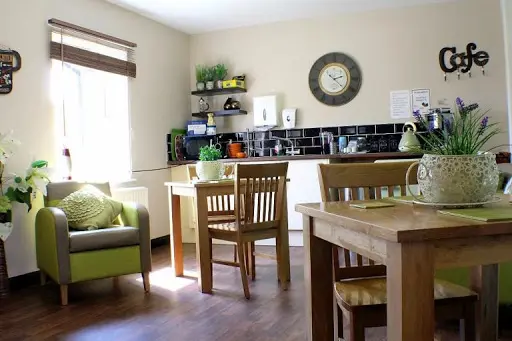
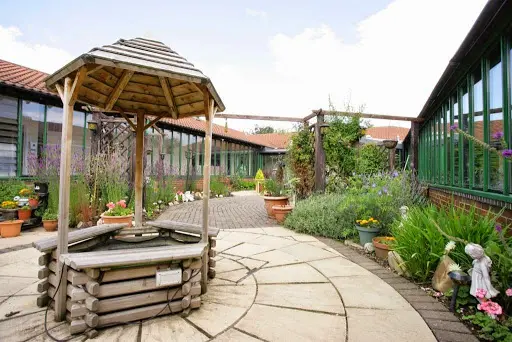
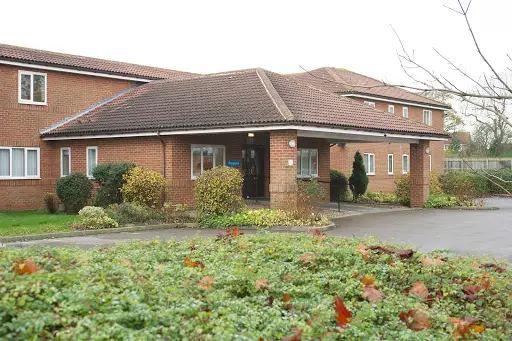
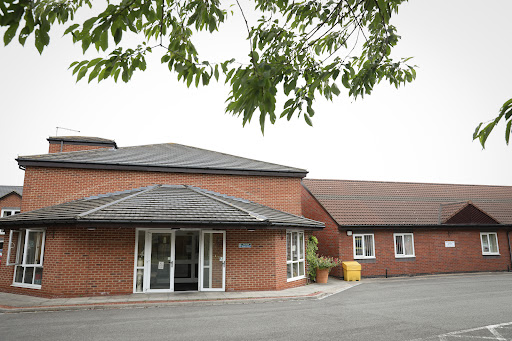
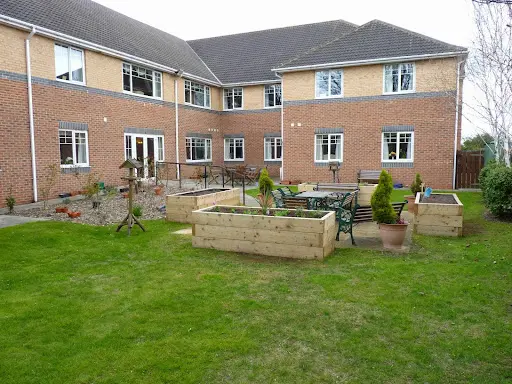
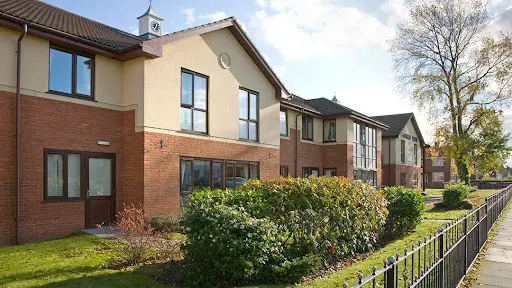
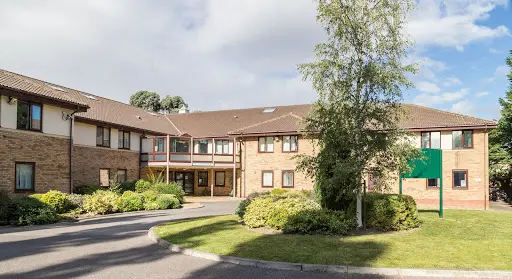
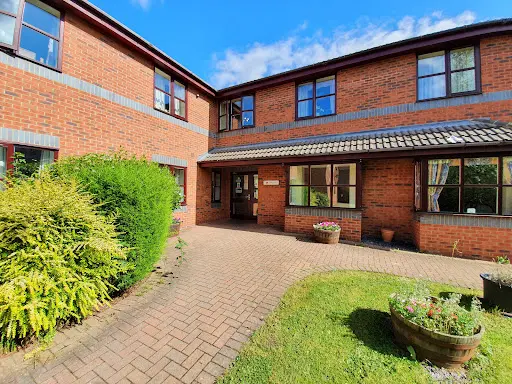
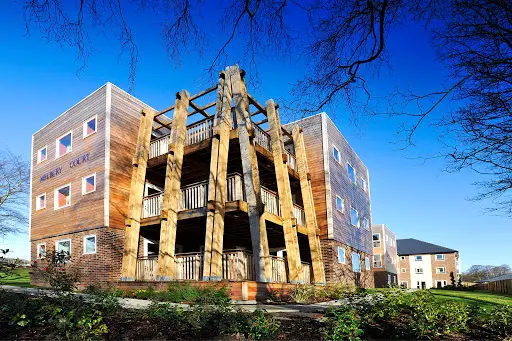
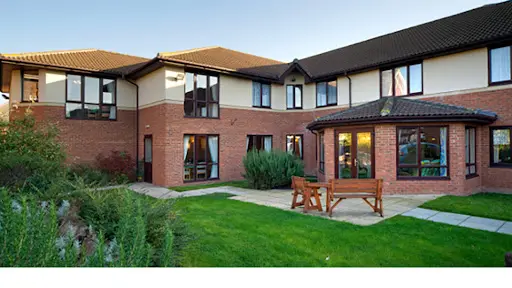
The home keeps everything spotless, with families consistently noting how clean and well-maintained the spaces are. There are pleasant communal areas where residents gather, with natural touches that make the environment feel less institutional.
“Sometimes the best sign of good care is when families say their loved one settled in without any fuss — and that's what keeps coming through about Elwick Grange.”
DCC does not edit or curate content in this tab. For independently curated information, see The Evidence and DCC Verdict.