East Street Residential Care Home

At a Glance
The information you need to decide whether this home warrants a closer look.
Residential homes
Staff warmth score
of reviewers answered yes
Good to know
- Registered beds54
- SpecialismsCaring for adults over 65 yrs, Caring for adults under 65 yrs, Dementia, Learning disabilities, Physical disabilities, Sensory impairment
- Last inspected2019-08-23
Save East Street Residential Care Home to your shortlist
Keep a running list, add visit notes, and compare homes side-by-side. Free account — it takes a minute.
STAGE 4 — RESEARCHING CARE HOMES
Visit homes. Compare them side by side. Choose with confidence.
Most of us will view care homes the way we view houses, impression, atmosphere, the feeling in the corridor. We go home, try to remember what we saw, and make a permanent decision from a blurred memory.

The DCC shortlist gives every home you visit a structured record: the same twelve questions, answered the same way, every time. When you’re ready to choose, pull any two homes side by side and compare them directly. Same criteria, same evidence, your notes and your scores.
The Evidence
What the review data, the inspection reports, and the dementia-care evidence base tell us about this home.
What families say
The eight family priority themes
- Staff warmth72
- Compassion & dignity72
- Cleanliness70
- Activities & engagement88
- Food quality72
- Healthcare88
- Management & leadership72
- Resident happiness75
What inspectors found
Inspected 2019-08-23
Is this home safe?
Is the care effective?
The Effective domain was rated Outstanding at the June 2019 inspection. This is the highest possible rating and covers care planning, healthcare access, staff training, nutrition, and how well the home translates assessments into day-to-day care. Inspectors do not award Outstanding in this domain without finding specific, detailed evidence across multiple areas. The published summary does not reproduce that detail, but the rating itself carries significant evidential weight. The home is registered for dementia care, and dementia-specific training is assessed within this domain.Is this home caring?
The Caring domain was rated Good at the June 2019 inspection. This domain covers staff warmth, dignity, respect, and whether residents are treated as individuals. A Good rating means inspectors found positive evidence across these areas, though the published summary does not include direct observations of staff interactions, use of preferred names, or resident and family quotes. No concerns were recorded in this domain.Is the home responsive?
The Responsive domain was rated Outstanding at the June 2019 inspection. This domain covers how well the home tailors its care and activities to individuals, how it responds to changing needs, and how it approaches end-of-life care. An Outstanding rating here is particularly significant for a home supporting people with dementia, learning disabilities, and physical disabilities, because responsiveness to individual need is harder to achieve across a diverse population. The published summary does not reproduce specific examples, but the rating reflects strong inspector evidence.Is the home well-led?
The Well-led domain was rated Good at the June 2019 inspection. A named registered manager, Mrs Sarah Jane Coull, and a named nominated individual, Mrs Kirstie Leigh Barnes, are both recorded, indicating a clear and accountable leadership structure at the time of inspection. A Good Well-led rating means inspectors found the governance and culture to be sound. The published summary does not describe the manager's tenure, how staff are supported to raise concerns, or how the home uses quality audits to drive improvement.
Source: CQC inspection report →
What the evidence base says
The team here supports people with varied needs — from sensory impairments to learning disabilities. They care for both younger and older adults, adapting their approach to suit each person's requirements. For those living with dementia, the home provides specialist support alongside their broader care services. Staff understand the importance of creating a secure, familiar environment. All areas worth probing directly during a visit.
The DCC Verdict
Our editorial view, built from the three lenses: what families tell us, what inspectors record, and how the home sits against good dementia-care practice.
DCC Family Score
Eastleigh Care Homes scores 79 out of 100, reflecting an Outstanding overall rating with particular strengths in how care is organised and how well your parent would be kept engaged and stimulated. Scores for warmth, cleanliness, and food are positive but held back by limited specific detail in the published inspection findings.
Homes in South West typically score 68–82.Worth a visit
Eastleigh Care Homes on East Street in South Molton was rated Outstanding at its last inspection in June 2019, with particular excellence recognised in Effective care and Responsive care. This is a meaningful achievement: only a small proportion of care homes nationally reach Outstanding, and the home had improved from its previous Good rating, which tells you the team was actively working to get better rather than standing still. The home supports a wide range of needs including dementia, learning disabilities, and physical disabilities across 54 beds. The main caution is the age of these findings: the inspection took place in June 2019, which means the published evidence is now several years old. A great deal can change in a care home over that period, including managers, staffing levels, and the mix of residents. The published summary is also brief, so while the domain ratings are genuinely informative, specific detail about night staffing, agency use, mealtimes, and family communication is missing. When you visit, ask the manager what has changed since 2019 and request to see the most recent internal quality audits.
The three questions to ask when you visitSave this home. Compare it against your shortlist.
Let our analysis show you how East Street Residential Care Home measures up against the other homes you’re considering. Free account.
In Their Own Words
How East Street Residential Care Home describes itself — collected from its own website. DCC has not edited or independently verified the content in this tab.
Caring staff create a warm, secure environment for diverse needs
Residential home in South Molton: True Peace of Mind
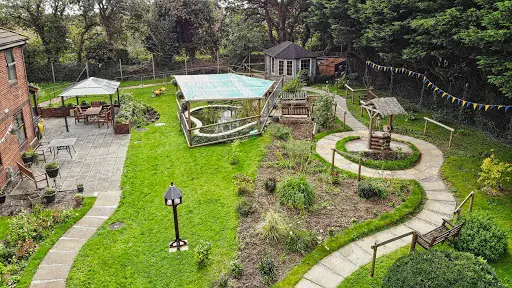
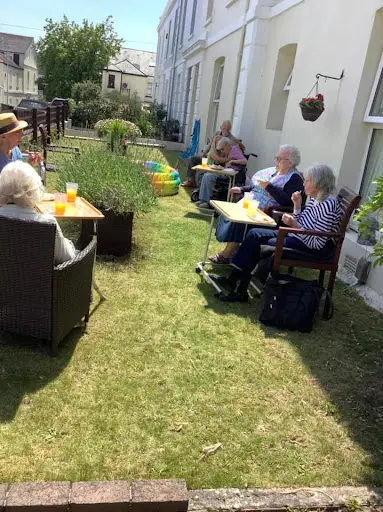
When you're looking for specialist care that covers both physical and learning disabilities, finding the right fit matters deeply. Eastleigh Care Homes in South Molton provides support for adults of all ages, including those with dementia and sensory impairments. The home offers a clean, comfortable environment where staff show genuine warmth toward residents.
Who they care for
The team here supports people with varied needs — from sensory impairments to learning disabilities. They care for both younger and older adults, adapting their approach to suit each person's requirements.
For those living with dementia, the home provides specialist support alongside their broader care services. Staff understand the importance of creating a secure, familiar environment.
“If you're considering Eastleigh for someone you love, visiting in person will give you the clearest picture of what they offer.”
DCC does not edit or curate content in this tab. For independently curated information, see The Evidence and DCC Verdict.
The DCC Verdict
Our editorial view, built from the three lenses: what families tell us, what inspectors record, and how the home sits against good dementia-care practice.
DCC Family Score
Eastleigh Care Homes scores 79 out of 100, reflecting an Outstanding overall rating with particular strengths in how care is organised and how well your parent would be kept engaged and stimulated. Scores for warmth, cleanliness, and food are positive but held back by limited specific detail in the published inspection findings.
Homes in South West typically score 68–82.Worth a visit
Eastleigh Care Homes on East Street in South Molton was rated Outstanding at its last inspection in June 2019, with particular excellence recognised in Effective care and Responsive care. This is a meaningful achievement: only a small proportion of care homes nationally reach Outstanding, and the home had improved from its previous Good rating, which tells you the team was actively working to get better rather than standing still. The home supports a wide range of needs including dementia, learning disabilities, and physical disabilities across 54 beds. The main caution is the age of these findings: the inspection took place in June 2019, which means the published evidence is now several years old. A great deal can change in a care home over that period, including managers, staffing levels, and the mix of residents. The published summary is also brief, so while the domain ratings are genuinely informative, specific detail about night staffing, agency use, mealtimes, and family communication is missing. When you visit, ask the manager what has changed since 2019 and request to see the most recent internal quality audits.
The three questions to ask when you visitSave this home. Compare it against your shortlist.
Let our analysis show you how East Street Residential Care Home measures up against the other homes you’re considering. Free account.
In Their Own Words
How East Street Residential Care Home describes itself — collected from its own website. DCC has not edited or independently verified the content in this tab.
Caring staff create a warm, secure environment for diverse needs
Residential home in South Molton: True Peace of Mind
When you're looking for specialist care that covers both physical and learning disabilities, finding the right fit matters deeply. Eastleigh Care Homes in South Molton provides support for adults of all ages, including those with dementia and sensory impairments. The home offers a clean, comfortable environment where staff show genuine warmth toward residents.
Who they care for
The team here supports people with varied needs — from sensory impairments to learning disabilities. They care for both younger and older adults, adapting their approach to suit each person's requirements.
For those living with dementia, the home provides specialist support alongside their broader care services. Staff understand the importance of creating a secure, familiar environment.
“If you're considering Eastleigh for someone you love, visiting in person will give you the clearest picture of what they offer.”
DCC does not edit or curate content in this tab. For independently curated information, see The Evidence and DCC Verdict.