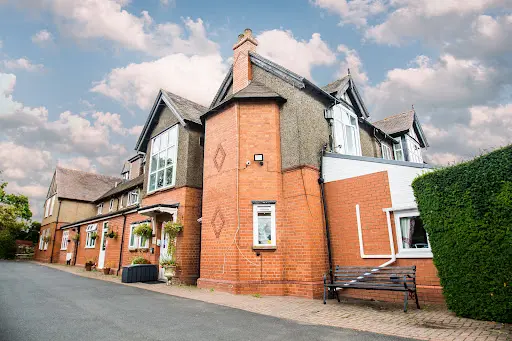
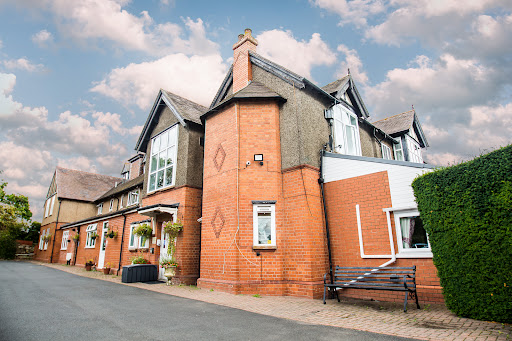
Dorset House Nursing Home
At a Glance
The information you need to decide whether this home warrants a closer look.
Nursing homes
Staff warmth score
of reviewers answered yes
Good to know
- Registered beds42
- SpecialismsCaring for adults over 65 yrs, Dementia, Physical disabilities, Sensory impairment
- Last inspected2019-08-22
Save Dorset House Nursing Home to your shortlist
Keep a running list, add visit notes, and compare homes side-by-side. Free account — it takes a minute.
STAGE 4 — RESEARCHING CARE HOMES
Visit homes. Compare them side by side. Choose with confidence.
Most of us will view care homes the way we view houses, impression, atmosphere, the feeling in the corridor. We go home, try to remember what we saw, and make a permanent decision from a blurred memory.

The DCC shortlist gives every home you visit a structured record: the same twelve questions, answered the same way, every time. When you’re ready to choose, pull any two homes side by side and compare them directly. Same criteria, same evidence, your notes and your scores.
The Evidence
What the review data, the inspection reports, and the dementia-care evidence base tell us about this home.
What families say
What strikes visitors is how staff treat each resident as an individual with their own choices and autonomy. The team comes across as genuinely warm and professional, creating an atmosphere where residents feel comfortable settling in and making themselves at home.
The eight family priority themes
- Staff warmth72
- Compassion & dignity72
- Cleanliness68
- Activities & engagement45
- Food quality55
- Healthcare68
- Management & leadership70
- Resident happiness65
What inspectors found
Inspected 2019-08-22
Is this home safe?
Is the care effective?
The Effective domain was rated Good at the July 2019 inspection. This covers staff training, care planning, healthcare access, and nutrition. No specific shortfalls were identified. The published summary does not include detail about GP visit frequency, dementia training content, how often care plans are reviewed, or whether families are involved in reviews. Food quality is not addressed in the available text.Is this home caring?
The Caring domain was rated Good at the July 2019 inspection. This covers staff warmth, dignity, respect, and whether people living at the home feel heard and treated as individuals. No shortfalls were identified. The published summary does not include direct inspector observations of staff-resident interactions, resident testimony about how they are treated, or specific examples of dignity being upheld or compromised.Is the home responsive?
The Responsive domain was rated Requires Improvement at the July 2019 inspection. This is the domain covering activities, individual engagement, how well the home responds to each person's preferences, and end-of-life planning. The published summary does not specify what the failings were, which makes it difficult to assess how serious they were or whether they have since been addressed. A monitoring review in July 2023 found no evidence requiring a change to the overall rating, but Responsive was not re-inspected.Is the home well-led?
The Well-led domain was rated Good at the July 2019 inspection. The home has a named registered manager (Mrs Karen Jayne Johnson) and a nominated individual (Mr John Peter Frederick Fennell). This structure suggests accountability lines were clear at the time of the inspection. The published summary does not include detail about how the manager monitors quality, how staff are supported to raise concerns, or how the home handles complaints.
Source: CQC inspection report →
What the evidence base says
Dorset House provides specialist care for people over 65 with physical disabilities, sensory impairments and dementia. The home adapts its support to meet different needs while maintaining that personal touch. For residents living with dementia, the team focuses on maintaining independence and respecting individual choices. The structured activities and music programme help create meaningful moments throughout the day. All areas worth probing directly during a visit.
The DCC Verdict
Our editorial view, built from the three lenses: what families tell us, what inspectors record, and how the home sits against good dementia-care practice.
DCC Family Score
Dorset House scored 68 out of 100. Four domains were rated Good at the last inspection, giving reasonable confidence in day-to-day care quality, but the Requires Improvement rating for Responsive care pulls the score down and means questions about activities, individual engagement, and end-of-life planning are worth pressing on a visit.
Homes in West Midlands typically score 68–82.The three-lens summary
What families tell us
What strikes visitors is how staff treat each resident as an individual with their own choices and autonomy. The team comes across as genuinely warm and professional, creating an atmosphere where residents feel comfortable settling in and making themselves at home.
What inspectors have recorded
The staff team earns consistent praise for their friendly, open approach from both families and visiting healthcare professionals. There's a real focus on getting to know each resident as a person and supporting them to live life on their own terms.
How it sits against good practice
It's worth arranging a visit to see how the team brings this person-centred philosophy to life.
Worth a visit
Dorset House in Droitwich was rated Good overall at its last inspection in July 2019, with Good ratings across Safe, Effective, Caring, and Well-led. The home is a 42-bed nursing home with specialisms in dementia, physical disabilities, and sensory impairment, run by Rotherwood Healthcare, with a named registered manager in post. A monitoring review in July 2023 found no evidence requiring a reassessment of the rating, which suggests no major concerns have emerged since the inspection, though this is not the same as a fresh full inspection. The one area that stood out as below standard was Responsive care, which was rated Requires Improvement. This is the domain covering activities, individual engagement, and how well the home responds to each person's preferences and needs. For a home specialising in dementia care, this matters a great deal, because meaningful daily occupation is one of the strongest protective factors against distress and deterioration. The published report does not explain in detail what the specific failings were, so before visiting you should ask the manager directly what changed after the 2019 inspection, what the current activities programme looks like, and how staff support people who cannot join group sessions. The inspection is now over five years old, which adds uncertainty across every domain. Treat the Good ratings as a reasonable baseline, not a current guarantee.
The three questions to ask when you visitSave this home. Compare it against your shortlist.
Let our analysis show you how Dorset House Nursing Home measures up against the other homes you’re considering. Free account.
In Their Own Words
How Dorset House Nursing Home describes itself — collected from its own website. DCC has not edited or independently verified the content in this tab.
Where residents keep their independence and find contentment
Dedicated nursing home Support in Droitwich
Families visiting Dorset House in Droitwich often comment on how their relatives seem genuinely settled and content. This care home takes a refreshingly personal approach, where residents maintain their independence and daily life follows their preferences, not rigid schedules. It's the kind of place where people find their feet and rediscover happiness.
Who they care for
Dorset House provides specialist care for people over 65 with physical disabilities, sensory impairments and dementia. The home adapts its support to meet different needs while maintaining that personal touch.
For residents living with dementia, the team focuses on maintaining independence and respecting individual choices. The structured activities and music programme help create meaningful moments throughout the day.
“It's worth arranging a visit to see how the team brings this person-centred philosophy to life.”
DCC does not edit or curate content in this tab. For independently curated information, see The Evidence and DCC Verdict.
The DCC Verdict
Our editorial view, built from the three lenses: what families tell us, what inspectors record, and how the home sits against good dementia-care practice.
DCC Family Score
Dorset House scored 68 out of 100. Four domains were rated Good at the last inspection, giving reasonable confidence in day-to-day care quality, but the Requires Improvement rating for Responsive care pulls the score down and means questions about activities, individual engagement, and end-of-life planning are worth pressing on a visit.
Homes in West Midlands typically score 68–82.The three-lens summary
What families tell us
What strikes visitors is how staff treat each resident as an individual with their own choices and autonomy. The team comes across as genuinely warm and professional, creating an atmosphere where residents feel comfortable settling in and making themselves at home.
What inspectors have recorded
The staff team earns consistent praise for their friendly, open approach from both families and visiting healthcare professionals. There's a real focus on getting to know each resident as a person and supporting them to live life on their own terms.
How it sits against good practice
It's worth arranging a visit to see how the team brings this person-centred philosophy to life.
Worth a visit
Dorset House in Droitwich was rated Good overall at its last inspection in July 2019, with Good ratings across Safe, Effective, Caring, and Well-led. The home is a 42-bed nursing home with specialisms in dementia, physical disabilities, and sensory impairment, run by Rotherwood Healthcare, with a named registered manager in post. A monitoring review in July 2023 found no evidence requiring a reassessment of the rating, which suggests no major concerns have emerged since the inspection, though this is not the same as a fresh full inspection. The one area that stood out as below standard was Responsive care, which was rated Requires Improvement. This is the domain covering activities, individual engagement, and how well the home responds to each person's preferences and needs. For a home specialising in dementia care, this matters a great deal, because meaningful daily occupation is one of the strongest protective factors against distress and deterioration. The published report does not explain in detail what the specific failings were, so before visiting you should ask the manager directly what changed after the 2019 inspection, what the current activities programme looks like, and how staff support people who cannot join group sessions. The inspection is now over five years old, which adds uncertainty across every domain. Treat the Good ratings as a reasonable baseline, not a current guarantee.
The three questions to ask when you visitSave this home. Compare it against your shortlist.
Let our analysis show you how Dorset House Nursing Home measures up against the other homes you’re considering. Free account.
In Their Own Words
How Dorset House Nursing Home describes itself — collected from its own website. DCC has not edited or independently verified the content in this tab.
Where residents keep their independence and find contentment
Dedicated nursing home Support in Droitwich
Families visiting Dorset House in Droitwich often comment on how their relatives seem genuinely settled and content. This care home takes a refreshingly personal approach, where residents maintain their independence and daily life follows their preferences, not rigid schedules. It's the kind of place where people find their feet and rediscover happiness.
Who they care for
Dorset House provides specialist care for people over 65 with physical disabilities, sensory impairments and dementia. The home adapts its support to meet different needs while maintaining that personal touch.
For residents living with dementia, the team focuses on maintaining independence and respecting individual choices. The structured activities and music programme help create meaningful moments throughout the day.
Management & ethos
The staff team earns consistent praise for their friendly, open approach from both families and visiting healthcare professionals. There's a real focus on getting to know each resident as a person and supporting them to live life on their own terms.
The home & environment
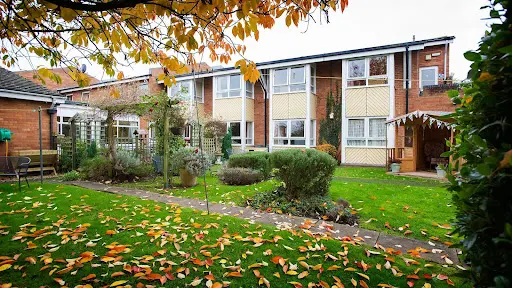
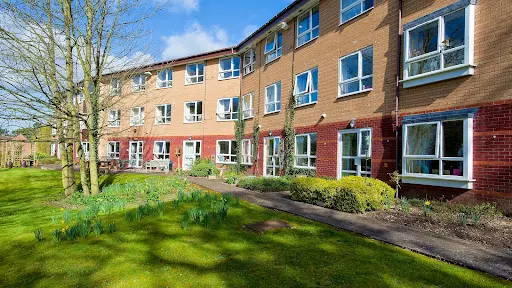
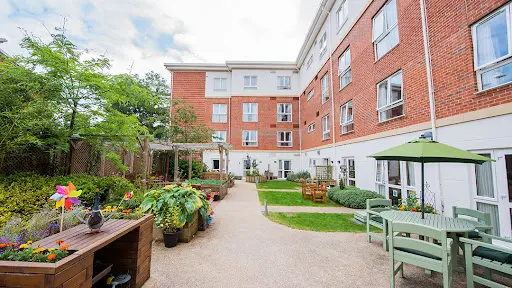
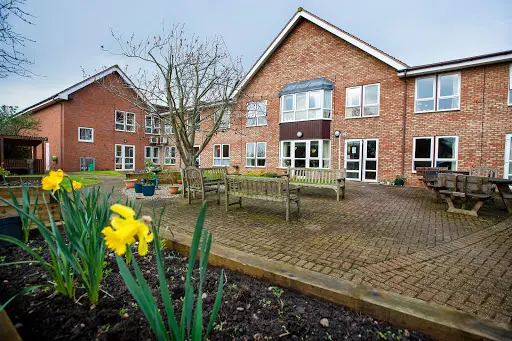
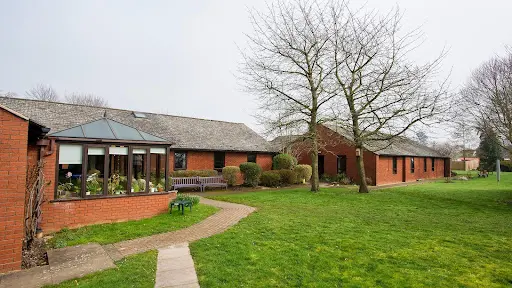
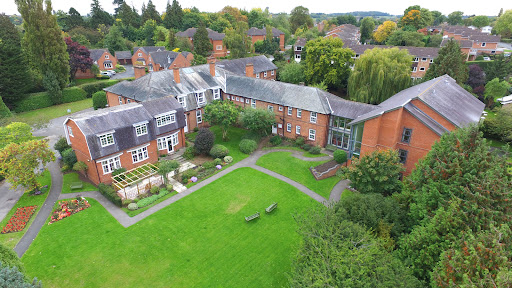
The garden provides a lovely space for residents to enjoy fresh air and socialise. Music and structured activities bring meaningful enrichment to daily life, giving residents things to look forward to and ways to stay engaged.
“It's worth arranging a visit to see how the team brings this person-centred philosophy to life.”
DCC does not edit or curate content in this tab. For independently curated information, see The Evidence and DCC Verdict.