Davers Court Care Home – Care UK
At a Glance
The information you need to decide whether this home warrants a closer look.
Residential homes
Staff warmth score
of reviewers answered yes
Good to know
- Registered beds60
- SpecialismsCaring for adults over 65 yrs, Caring for adults under 65 yrs, Dementia, Physical disabilities
- Last inspected2022-11-17
Save Davers Court Care Home – Care UK to your shortlist
Keep a running list, add visit notes, and compare homes side-by-side. Free account — it takes a minute.
STAGE 4 — RESEARCHING CARE HOMES
Visit homes. Compare them side by side. Choose with confidence.
Most of us will view care homes the way we view houses, impression, atmosphere, the feeling in the corridor. We go home, try to remember what we saw, and make a permanent decision from a blurred memory.

The DCC shortlist gives every home you visit a structured record: the same twelve questions, answered the same way, every time. When you’re ready to choose, pull any two homes side by side and compare them directly. Same criteria, same evidence, your notes and your scores.
The Evidence
What the review data, the inspection reports, and the dementia-care evidence base tell us about this home.
What families say
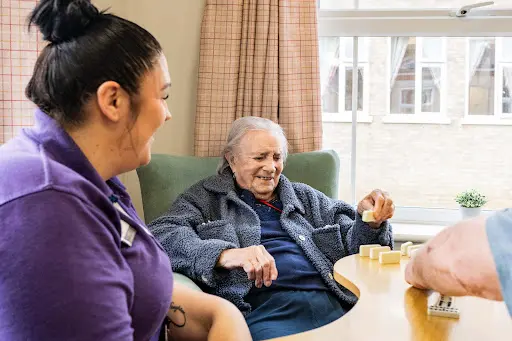
Families describe a warm reception from the moment they arrive, with staff taking time to understand each resident as an individual. People mention feeling genuinely welcomed, whether they're visiting for the first time or returning after rehabilitation. The atmosphere encourages residents to maintain their independence while knowing support is always there.
The eight family priority themes
- Staff warmth72
- Compassion & dignity72
- Cleanliness70
- Activities & engagement65
- Food quality60
- Healthcare68
- Management & leadership45
- Resident happiness68
What inspectors found
Inspected 2022-11-17
Is this home safe?
Is the care effective?
The Effective domain was rated Good. This covers training, care planning, healthcare access, and nutrition. The published text does not provide specific detail about what dementia training staff have completed, how often care plans are reviewed, or how the home manages GP and specialist access. The home lists dementia as a specialism, which implies some specific provision, but the inspection summary does not describe what that looks like in practice. Food quality and dietary management are also not described.Is this home caring?
The Caring domain was rated Good, indicating inspectors found staff interactions to be respectful and dignified. No specific observations, quotes from residents, or descriptions of staff behaviour are included in the published text. The rating covers warmth, dignity, privacy, and how staff support independence. Given that 57.3% of positive family reviews across our data set specifically mention staff warmth, this is the area families care most about and the area where the published inspection provides the least detail.Is the home responsive?
The Responsive domain was rated Good. This domain covers activities, engagement, individuality, and end-of-life planning. The published text does not describe what activities are available, whether one-to-one engagement is offered to people who cannot join group sessions, or how the home supports individual preferences and routines. End-of-life planning is not mentioned. The home supports people with dementia and physical disabilities, for whom meaningful engagement tailored to the individual is particularly important.Is the home well-led?
The Well-led domain was rated Requires Improvement at the September 2022 inspection. This is the only domain below Good and represents a significant downgrade from the home's previous Outstanding overall rating. The published text does not specify what governance concerns were identified. The registered manager is Miss Sophie Louise Evans and the nominated individual is Ms Rachel Louise Harvey. The home is operated by Care UK Community Partnerships Ltd. The Requires Improvement rating means inspectors found that leadership, oversight, or quality assurance processes were not consistently effective.
Source: CQC inspection report →
What the evidence base says
Davers Court caters for adults over 65 as well as younger adults with care needs, including those living with dementia or physical disabilities. The home also runs a day centre for non-residents. For residents with dementia, the personalised approach means staff learn individual routines and preferences that bring comfort. The variety of activities and gentle encouragement help residents stay engaged at their own pace. All areas worth probing directly during a visit.
The DCC Verdict
Our editorial view, built from the three lenses: what families tell us, what inspectors record, and how the home sits against good dementia-care practice.
DCC Family Score
Davers Court scores well across care and safety but is held back by a Requires Improvement rating in leadership, which means the home is Good in practice but has governance weaknesses that need watching. The overall Family Score of 72 reflects solid day-to-day care alongside a leadership question that Sarah should probe directly on a visit.
Homes in East typically score 68–82.The three-lens summary
What families tell us
Families describe a warm reception from the moment they arrive, with staff taking time to understand each resident as an individual. People mention feeling genuinely welcomed, whether they're visiting for the first time or returning after rehabilitation. The atmosphere encourages residents to maintain their independence while knowing support is always there.
What inspectors have recorded
Staff communicate regularly with families, including through Facebook updates that help relatives stay connected to daily life at the home. The team takes a considerate approach to care, with families noting how staff pay attention to comfort and personal preferences. This thoughtful attitude extends across all roles, from reception to activities coordination.
How it sits against good practice
Short-stay residents have found the supportive environment helps them regain strength and independence before returning home.
Worth a visit
Davers Court in Bury St Edmunds was rated Good overall at its inspection in September 2022, covering safety, effectiveness, caring, and responsiveness. The home is run by Care UK Community Partnerships Ltd and supports up to 60 people, including those living with dementia and physical disabilities. Four of the five inspection domains came back Good, which means inspectors found the home to be meeting expected standards across most of what matters day to day. The important exception is the Well-led domain, which was rated Requires Improvement. This is a downgrade from the home's previous Outstanding rating and signals that inspectors identified gaps in governance or leadership quality. A Requires Improvement in leadership does not mean care is poor, but it does mean there is less confidence that problems will be caught and fixed consistently. On a visit, ask specifically what the leadership team has done since the inspection to address the concerns raised, and whether the current registered manager has been in post throughout that period.
The three questions to ask when you visitSave this home. Compare it against your shortlist.
Let our analysis show you how Davers Court Care Home – Care UK measures up against the other homes you’re considering. Free account.
In Their Own Words
How Davers Court Care Home – Care UK describes itself — collected from its own website. DCC has not edited or independently verified the content in this tab.
Where personal touches make all the difference in daily care
Dedicated residential home Support in Bury St Edmunds
At Davers Court in Bury St Edmunds, residents find themselves part of a community that pays attention to the small things that matter. The care home creates an environment where individual preferences shape each day, from morning routines to afternoon activities. Staff here understand that good care means knowing what makes each person comfortable.
Who they care for
Davers Court caters for adults over 65 as well as younger adults with care needs, including those living with dementia or physical disabilities. The home also runs a day centre for non-residents.
For residents with dementia, the personalised approach means staff learn individual routines and preferences that bring comfort. The variety of activities and gentle encouragement help residents stay engaged at their own pace.
“Short-stay residents have found the supportive environment helps them regain strength and independence before returning home.”
DCC does not edit or curate content in this tab. For independently curated information, see The Evidence and DCC Verdict.
The DCC Verdict
Our editorial view, built from the three lenses: what families tell us, what inspectors record, and how the home sits against good dementia-care practice.
DCC Family Score
Davers Court scores well across care and safety but is held back by a Requires Improvement rating in leadership, which means the home is Good in practice but has governance weaknesses that need watching. The overall Family Score of 72 reflects solid day-to-day care alongside a leadership question that Sarah should probe directly on a visit.
Homes in East typically score 68–82.The three-lens summary
What families tell us
Families describe a warm reception from the moment they arrive, with staff taking time to understand each resident as an individual. People mention feeling genuinely welcomed, whether they're visiting for the first time or returning after rehabilitation. The atmosphere encourages residents to maintain their independence while knowing support is always there.
What inspectors have recorded
Staff communicate regularly with families, including through Facebook updates that help relatives stay connected to daily life at the home. The team takes a considerate approach to care, with families noting how staff pay attention to comfort and personal preferences. This thoughtful attitude extends across all roles, from reception to activities coordination.
How it sits against good practice
Short-stay residents have found the supportive environment helps them regain strength and independence before returning home.
Worth a visit
Davers Court in Bury St Edmunds was rated Good overall at its inspection in September 2022, covering safety, effectiveness, caring, and responsiveness. The home is run by Care UK Community Partnerships Ltd and supports up to 60 people, including those living with dementia and physical disabilities. Four of the five inspection domains came back Good, which means inspectors found the home to be meeting expected standards across most of what matters day to day. The important exception is the Well-led domain, which was rated Requires Improvement. This is a downgrade from the home's previous Outstanding rating and signals that inspectors identified gaps in governance or leadership quality. A Requires Improvement in leadership does not mean care is poor, but it does mean there is less confidence that problems will be caught and fixed consistently. On a visit, ask specifically what the leadership team has done since the inspection to address the concerns raised, and whether the current registered manager has been in post throughout that period.
The three questions to ask when you visitSave this home. Compare it against your shortlist.
Let our analysis show you how Davers Court Care Home – Care UK measures up against the other homes you’re considering. Free account.
In Their Own Words
How Davers Court Care Home – Care UK describes itself — collected from its own website. DCC has not edited or independently verified the content in this tab.
Where personal touches make all the difference in daily care
Dedicated residential home Support in Bury St Edmunds
At Davers Court in Bury St Edmunds, residents find themselves part of a community that pays attention to the small things that matter. The care home creates an environment where individual preferences shape each day, from morning routines to afternoon activities. Staff here understand that good care means knowing what makes each person comfortable.
Who they care for
Davers Court caters for adults over 65 as well as younger adults with care needs, including those living with dementia or physical disabilities. The home also runs a day centre for non-residents.
For residents with dementia, the personalised approach means staff learn individual routines and preferences that bring comfort. The variety of activities and gentle encouragement help residents stay engaged at their own pace.
Management & ethos
Staff communicate regularly with families, including through Facebook updates that help relatives stay connected to daily life at the home. The team takes a considerate approach to care, with families noting how staff pay attention to comfort and personal preferences. This thoughtful attitude extends across all roles, from reception to activities coordination.
The home & environment
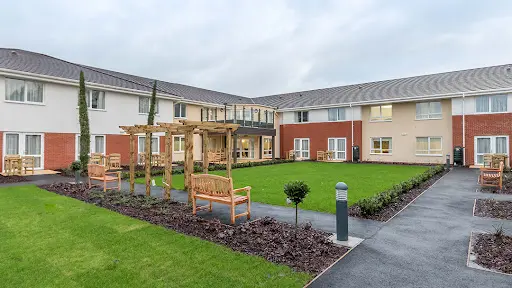
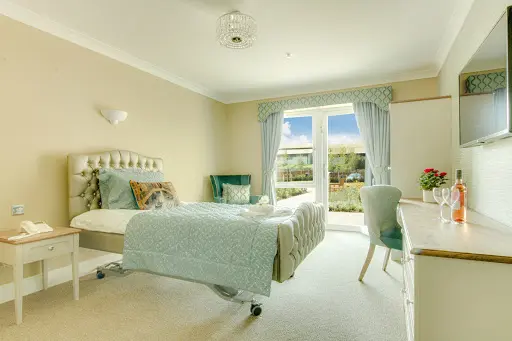
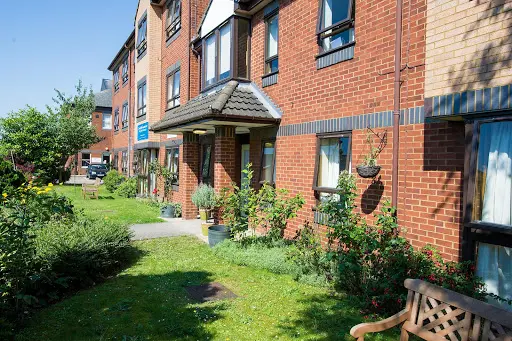
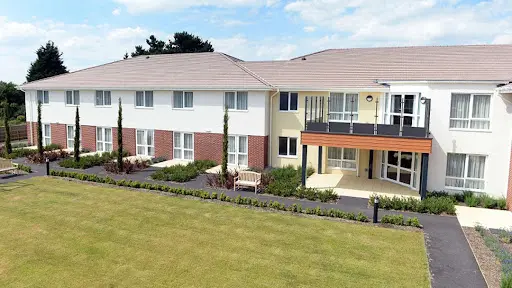
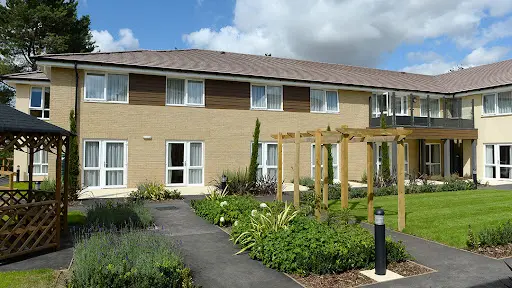
The home offers varied activities throughout the week — exercise classes keep residents active, while arts and crafts sessions and music programmes provide creative outlets. Residents enjoy regular outings too. The building itself feels light and airy, creating pleasant spaces for both quiet moments and social gatherings.
“Short-stay residents have found the supportive environment helps them regain strength and independence before returning home.”
DCC does not edit or curate content in this tab. For independently curated information, see The Evidence and DCC Verdict.