Croft House from Somerset Care
At a Glance
The information you need to decide whether this home warrants a closer look.
Residential homes
Staff warmth score
of reviewers answered yes
Good to know
- Registered beds67
- SpecialismsCaring for adults over 65 yrs, Caring for adults under 65 yrs, Dementia
- Last inspected2023-03-22
Save Croft House from Somerset Care to your shortlist
Keep a running list, add visit notes, and compare homes side-by-side. Free account — it takes a minute.
STAGE 4 — RESEARCHING CARE HOMES
Visit homes. Compare them side by side. Choose with confidence.
Most of us will view care homes the way we view houses, impression, atmosphere, the feeling in the corridor. We go home, try to remember what we saw, and make a permanent decision from a blurred memory.

The DCC shortlist gives every home you visit a structured record: the same twelve questions, answered the same way, every time. When you’re ready to choose, pull any two homes side by side and compare them directly. Same criteria, same evidence, your notes and your scores.
The Evidence
What the review data, the inspection reports, and the dementia-care evidence base tell us about this home.
What families say
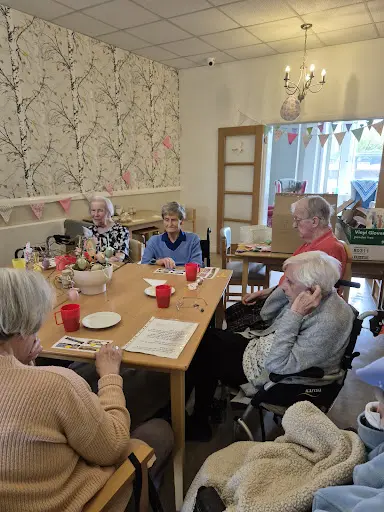
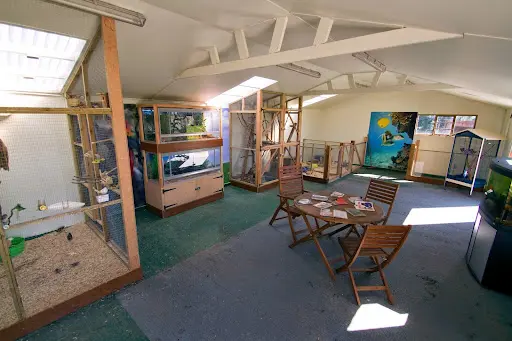
Visitors describe a warm atmosphere where staff remember names and welcome regular guests, including therapy pets. The home organizes seasonal celebrations, discos, and birthday parties that bring residents together. Several families have shared how video calls were quickly arranged to help overseas relatives stay connected.
The eight family priority themes
- Staff warmth72
- Compassion & dignity72
- Cleanliness70
- Activities & engagement65
- Food quality60
- Healthcare45
- Management & leadership72
- Resident happiness68
What inspectors found
Inspected 2023-03-22
Is this home safe?
Is the care effective?
The Effective domain was rated Requires Improvement at the March 2023 inspection. This is the only domain not rated Good and it is the one most directly connected to whether your parent's individual needs are properly understood, planned for, and met. Effective covers training, care plans, healthcare access, nutrition, and hydration. The published text does not specify what the inspector found lacking, which makes it impossible to assess how serious or how resolved the issues are.Is this home caring?
The Caring domain was rated Good. This domain covers how staff treat the people who live at the home, including warmth, dignity, privacy, and whether residents are supported to maintain independence. The published text does not include specific inspector observations, resident quotes, or examples of staff interaction. The rating is positive but the evidence behind it is not visible in the summary available.Is the home responsive?
The Responsive domain was rated Good. This covers whether the home tailors its care to individual needs, offers meaningful activities, involves families, and plans appropriately for the end of life. The published text does not include specific examples of activities, individual care adjustments, or family involvement practices. The rating is positive, but no detail is available to go further than that.Is the home well-led?
The Well-led domain was rated Good. The home is run by Somerset Care Limited and has two named registered managers and a nominated individual recorded on the registration. Multiple named managers in post can indicate strong oversight, though it can also raise questions about continuity if responsibilities are split. The published text does not describe the managers' tenure, the culture within the staff team, or how the home handles feedback and complaints.
Source: CQC inspection report →
What the evidence base says
Croft House cares for adults both under and over 65, with particular experience in dementia support. The team understands how to adapt activities and routines for residents living with dementia, creating structure through regular social events while respecting individual preferences and abilities. All areas worth probing directly during a visit.
The DCC Verdict
Our editorial view, built from the three lenses: what families tell us, what inspectors record, and how the home sits against good dementia-care practice.
DCC Family Score
Croft House scores 71 out of 100, reflecting a broadly positive inspection with Good ratings in four out of five domains. The score is held back by a Requires Improvement in the Effective domain, which covers training, care plans, healthcare, and food quality, areas that matter directly to how well your parent's individual needs are understood and met.
Homes in South West typically score 68–82.The three-lens summary
What families tell us
Visitors describe a warm atmosphere where staff remember names and welcome regular guests, including therapy pets. The home organizes seasonal celebrations, discos, and birthday parties that bring residents together. Several families have shared how video calls were quickly arranged to help overseas relatives stay connected.
What inspectors have recorded
Staff have been particularly praised for their compassionate approach during end-of-life care, keeping families informed and involved throughout. While most experiences reflect attentive, friendly service, some visitors have noted occasional delays at the entrance and variations in housekeeping standards that the home may want to address.
How it sits against good practice
The combination of Somerset countryside and experienced care makes Croft House worth considering for families seeking dementia support in a comfortable setting.
Worth a visit
Croft House in Williton was rated Good overall at its inspection in March 2023, with Good ratings in Safe, Caring, Responsive, and Well-led. The home is registered with Somerset Care Limited and has named registered managers in post. It supports adults over and under 65, including people living with dementia, across 67 beds. The rating that needs your attention is Requires Improvement in the Effective domain. This covers how well the home understands and meets your parent's individual needs, including training, care planning, healthcare access, and food. Because the published inspection report contains only summary-level data, the specific concerns behind this rating are not spelled out in the text available. Before visiting, ask the manager directly what was found to be lacking in the Effective domain, what has been done since March 2023 to address it, and whether a follow-up inspection has taken place or is planned.
The three questions to ask when you visitSave this home. Compare it against your shortlist.
Let our analysis show you how Croft House from Somerset Care measures up against the other homes you’re considering. Free account.
In Their Own Words
How Croft House from Somerset Care describes itself — collected from its own website. DCC has not edited or independently verified the content in this tab.
Where countryside comfort meets thoughtful dementia support
Dedicated residential home Support in Williton
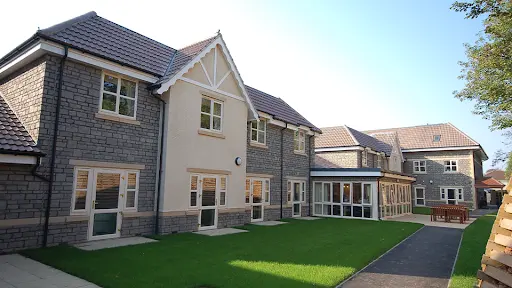
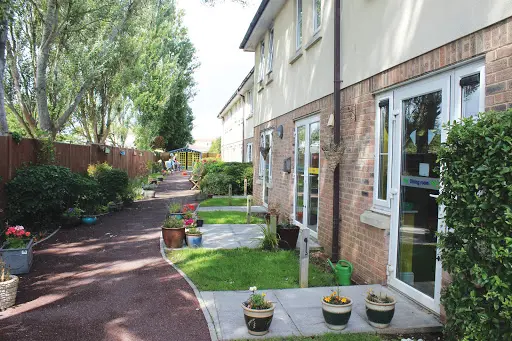
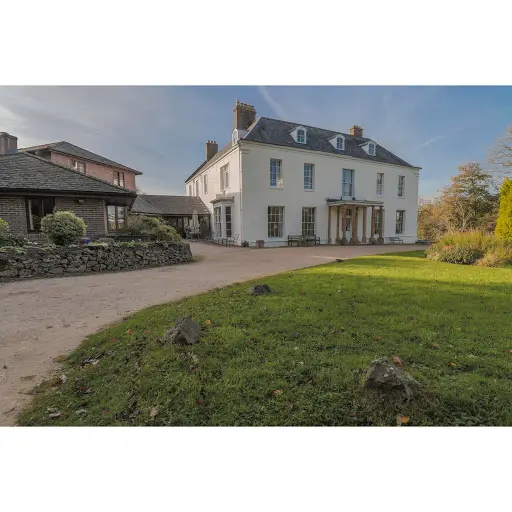
Families visiting Croft House in Williton often mention the bright rooms and sweeping countryside views that help their loved ones feel settled. The South West location puts this care home within easy reach of local shops and cafés, while the well-kept gardens provide peaceful spots for residents to enjoy Somerset's gentler days.
Who they care for
Croft House cares for adults both under and over 65, with particular experience in dementia support.
The team understands how to adapt activities and routines for residents living with dementia, creating structure through regular social events while respecting individual preferences and abilities.
“The combination of Somerset countryside and experienced care makes Croft House worth considering for families seeking dementia support in a comfortable setting.”
DCC does not edit or curate content in this tab. For independently curated information, see The Evidence and DCC Verdict.
The DCC Verdict
Our editorial view, built from the three lenses: what families tell us, what inspectors record, and how the home sits against good dementia-care practice.
DCC Family Score
Croft House scores 71 out of 100, reflecting a broadly positive inspection with Good ratings in four out of five domains. The score is held back by a Requires Improvement in the Effective domain, which covers training, care plans, healthcare, and food quality, areas that matter directly to how well your parent's individual needs are understood and met.
Homes in South West typically score 68–82.The three-lens summary
What families tell us
Visitors describe a warm atmosphere where staff remember names and welcome regular guests, including therapy pets. The home organizes seasonal celebrations, discos, and birthday parties that bring residents together. Several families have shared how video calls were quickly arranged to help overseas relatives stay connected.
What inspectors have recorded
Staff have been particularly praised for their compassionate approach during end-of-life care, keeping families informed and involved throughout. While most experiences reflect attentive, friendly service, some visitors have noted occasional delays at the entrance and variations in housekeeping standards that the home may want to address.
How it sits against good practice
The combination of Somerset countryside and experienced care makes Croft House worth considering for families seeking dementia support in a comfortable setting.
Worth a visit
Croft House in Williton was rated Good overall at its inspection in March 2023, with Good ratings in Safe, Caring, Responsive, and Well-led. The home is registered with Somerset Care Limited and has named registered managers in post. It supports adults over and under 65, including people living with dementia, across 67 beds. The rating that needs your attention is Requires Improvement in the Effective domain. This covers how well the home understands and meets your parent's individual needs, including training, care planning, healthcare access, and food. Because the published inspection report contains only summary-level data, the specific concerns behind this rating are not spelled out in the text available. Before visiting, ask the manager directly what was found to be lacking in the Effective domain, what has been done since March 2023 to address it, and whether a follow-up inspection has taken place or is planned.
The three questions to ask when you visitSave this home. Compare it against your shortlist.
Let our analysis show you how Croft House from Somerset Care measures up against the other homes you’re considering. Free account.
In Their Own Words
How Croft House from Somerset Care describes itself — collected from its own website. DCC has not edited or independently verified the content in this tab.
Where countryside comfort meets thoughtful dementia support
Dedicated residential home Support in Williton
Families visiting Croft House in Williton often mention the bright rooms and sweeping countryside views that help their loved ones feel settled. The South West location puts this care home within easy reach of local shops and cafés, while the well-kept gardens provide peaceful spots for residents to enjoy Somerset's gentler days.
Who they care for
Croft House cares for adults both under and over 65, with particular experience in dementia support.
The team understands how to adapt activities and routines for residents living with dementia, creating structure through regular social events while respecting individual preferences and abilities.
Management & ethos
Staff have been particularly praised for their compassionate approach during end-of-life care, keeping families informed and involved throughout. While most experiences reflect attentive, friendly service, some visitors have noted occasional delays at the entrance and variations in housekeeping standards that the home may want to address.
The home & environment
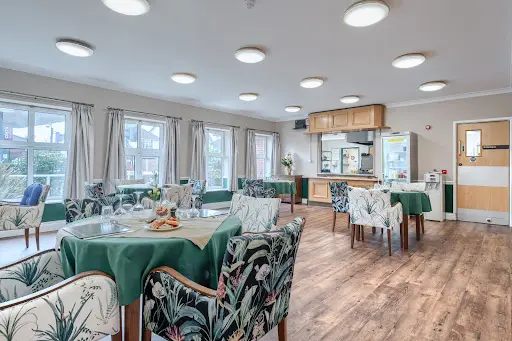
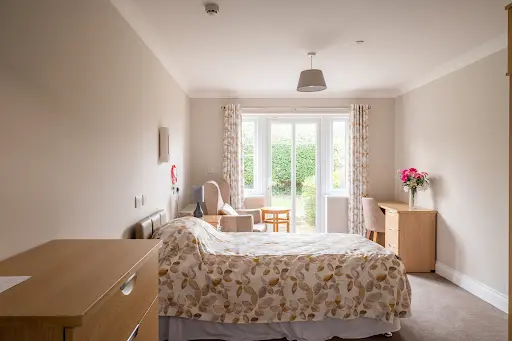
The kitchen team works closely with residents to adapt meals around individual tastes and dietary needs, particularly when someone isn't feeling their best. Rooms come with ensuite facilities and countryside views, while the on-site salon helps residents maintain their usual grooming routines.
“The combination of Somerset countryside and experienced care makes Croft House worth considering for families seeking dementia support in a comfortable setting.”
DCC does not edit or curate content in this tab. For independently curated information, see The Evidence and DCC Verdict.