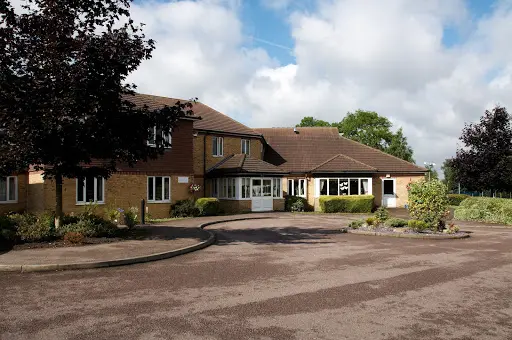
Clare Lodge Care Home in St Albans
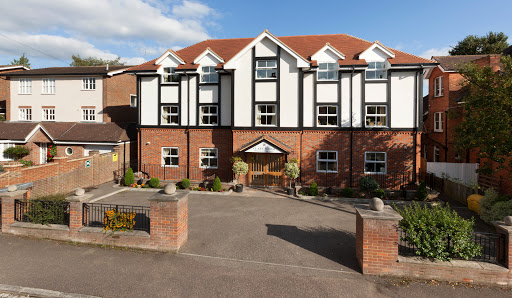
At a Glance
The information you need to decide whether this home warrants a closer look.
Residential homes
Staff warmth score
of reviewers answered yes
Good to know
- Registered beds24
- SpecialismsCaring for adults over 65 yrs, Dementia
- Last inspected2018-05-23
Save Clare Lodge Care Home in St Albans to your shortlist
Keep a running list, add visit notes, and compare homes side-by-side. Free account — it takes a minute.
STAGE 4 — RESEARCHING CARE HOMES
Visit homes. Compare them side by side. Choose with confidence.
Most of us will view care homes the way we view houses, impression, atmosphere, the feeling in the corridor. We go home, try to remember what we saw, and make a permanent decision from a blurred memory.

The DCC shortlist gives every home you visit a structured record: the same twelve questions, answered the same way, every time. When you’re ready to choose, pull any two homes side by side and compare them directly. Same criteria, same evidence, your notes and your scores.
The Evidence
What the review data, the inspection reports, and the dementia-care evidence base tell us about this home.
What families say
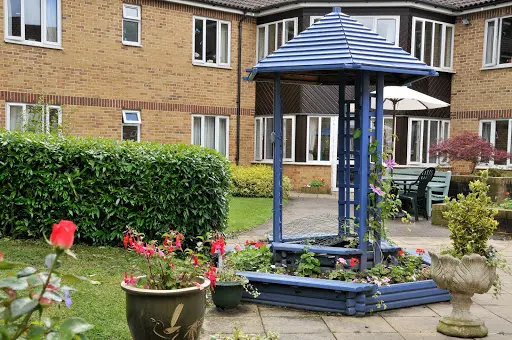
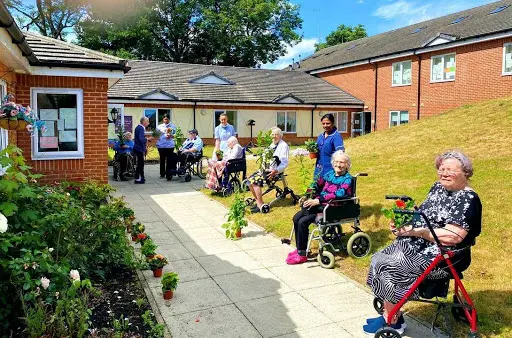
Families talk about arriving to find their relatives engaged in activities they'd thought were beyond them — whether that's joining in with quizzes or just sitting contentedly in the garden. The consistent message is that residents here seem to regain something they'd lost, whether it's mobility, mood, or simply the confidence to participate in daily life.
The eight family priority themes
- Staff warmth55
- Compassion & dignity55
- Cleanliness55
- Activities & engagement50
- Food quality50
- Healthcare50
- Management & leadership60
- Resident happiness55
What inspectors found
Inspected 2018-05-23
Is this home safe?
Is the care effective?
The Effective domain was rated Good at the April 2018 inspection. This domain covers staff training, care planning, healthcare access, nutritional support, and how well the home understands the needs of people living with dementia. The published summary does not include any specific findings in these areas. The July 2023 review did not identify evidence requiring a reassessment of this rating.Is this home caring?
The Caring domain was rated Good at the April 2018 inspection. This domain covers staff warmth, dignity, respect, and how well staff support residents to maintain independence. The published summary confirms the Good rating but includes no direct observations of staff interactions, no resident quotes, and no relative feedback. The July 2023 review did not identify evidence requiring a change to this rating.Is the home responsive?
The Responsive domain was rated Good at the April 2018 inspection. This domain covers activities, individual engagement, complaint handling, and end-of-life planning. The published summary confirms the rating but provides no specific detail about the activity programme, how individual interests are recorded, or how the home supports residents with more advanced dementia who may not be able to join group activities. The July 2023 review did not identify evidence requiring reassessment.Is the home well-led?
The Well-led domain was rated Good at the April 2018 inspection. The home is operated by B and M Investments Limited and has two named registered managers alongside a nominated individual, suggesting a defined accountability structure. The published summary does not describe governance processes, audit activity, staff culture, or how the management team is visible to residents and families day to day. The July 2023 review confirmed no reason to reassess the rating.
Source: CQC inspection report →
What the evidence base says
Clare Lodge specialises in dementia care and supports adults over 65. The home's approach centres on maintaining dignity and engagement through all stages of dementia. Staff here receive ongoing dementia-specific training that families say shows in their daily practice. The smaller resident numbers mean each person's needs and preferences can be properly understood and accommodated, from knowing who enjoys group activities to recognising when someone needs quiet time. All areas worth probing directly during a visit.
The DCC Verdict
Our editorial view, built from the three lenses: what families tell us, what inspectors record, and how the home sits against good dementia-care practice.
DCC Family Score
Clare Lodge Care Home was rated Good across all five inspection domains, but the published report contains very little specific detail, so most scores reflect a confirmed Good rating without the direct observations, quotes, or examples that would push them higher. The 67 family score reflects genuine positive standing, not a cause for concern, but it does mean you will need to gather specifics yourself on a visit.
Homes in East typically score 68–82.The three-lens summary
What families tell us
Families talk about arriving to find their relatives engaged in activities they'd thought were beyond them — whether that's joining in with quizzes or just sitting contentedly in the garden. The consistent message is that residents here seem to regain something they'd lost, whether it's mobility, mood, or simply the confidence to participate in daily life.
What inspectors have recorded
When concerns arise, families report that management responds quickly and keeps them involved in decisions. The stability of the staff team means carers genuinely know each resident's preferences and personality, which families say makes a real difference during difficult transitions or when health needs change.
How it sits against good practice
For families who've watched their loved ones decline elsewhere, the improvements they describe here offer something precious — genuine hope that good days are still possible.
Worth a visit
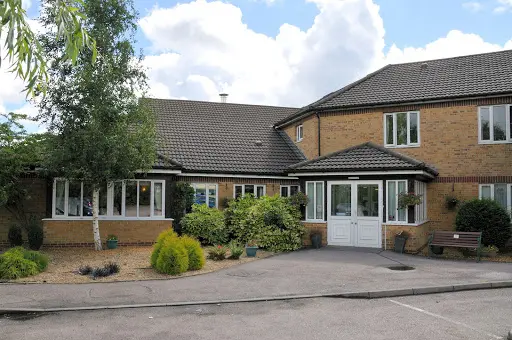
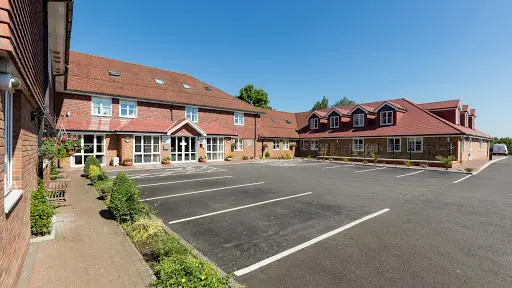
Clare Lodge Care Home, at 8 Battlefield Road, St Albans, was rated Good across all five inspection domains at its last inspection in April 2018. A monitoring review carried out in July 2023 found no evidence requiring a change to that rating, which means the Good status has been formally confirmed more recently than the original inspection date alone might suggest. The home is registered for 24 residents, specialises in dementia care and older adult care, and has a named management team in place. The main limitation here is that the published inspection summary is unusually brief. It confirms the Good ratings but includes no direct observations, no resident or relative quotes, and no specific examples of care practice. That is not a red flag, but it does mean this report cannot tell you what day-to-day life at Clare Lodge actually looks like. Before making a decision, visit in person, ask to see the staffing rota for a typical week including nights, ask how activities are tailored to individual residents living with dementia, and find out how the home communicates with families when something changes.
The three questions to ask when you visitSave this home. Compare it against your shortlist.
Let our analysis show you how Clare Lodge Care Home in St Albans measures up against the other homes you’re considering. Free account.
In Their Own Words
How Clare Lodge Care Home in St Albans describes itself — collected from its own website. DCC has not edited or independently verified the content in this tab.
Where dementia training meets genuine understanding every single day
Compassionate Care in St Albans at Clare Lodge Care Home
When families describe the transformation they've witnessed in their loved ones at Clare Lodge Care Home in east St Albans, the relief in their words is unmistakable. This smaller care home has built its reputation on something quite specific: helping residents with dementia not just cope, but actually improve in measurable ways. What sets it apart is how the team's specialist training translates into real moments — residents rediscovering their appetite, finding their voice again, or simply feeling comfortable enough to be themselves.
Who they care for
Clare Lodge specialises in dementia care and supports adults over 65. The home's approach centres on maintaining dignity and engagement through all stages of dementia.
Staff here receive ongoing dementia-specific training that families say shows in their daily practice. The smaller resident numbers mean each person's needs and preferences can be properly understood and accommodated, from knowing who enjoys group activities to recognising when someone needs quiet time.
“For families who've watched their loved ones decline elsewhere, the improvements they describe here offer something precious — genuine hope that good days are still possible.”
DCC does not edit or curate content in this tab. For independently curated information, see The Evidence and DCC Verdict.
The DCC Verdict
Our editorial view, built from the three lenses: what families tell us, what inspectors record, and how the home sits against good dementia-care practice.
DCC Family Score
Clare Lodge Care Home was rated Good across all five inspection domains, but the published report contains very little specific detail, so most scores reflect a confirmed Good rating without the direct observations, quotes, or examples that would push them higher. The 67 family score reflects genuine positive standing, not a cause for concern, but it does mean you will need to gather specifics yourself on a visit.
Homes in East typically score 68–82.The three-lens summary
What families tell us
Families talk about arriving to find their relatives engaged in activities they'd thought were beyond them — whether that's joining in with quizzes or just sitting contentedly in the garden. The consistent message is that residents here seem to regain something they'd lost, whether it's mobility, mood, or simply the confidence to participate in daily life.
What inspectors have recorded
When concerns arise, families report that management responds quickly and keeps them involved in decisions. The stability of the staff team means carers genuinely know each resident's preferences and personality, which families say makes a real difference during difficult transitions or when health needs change.
How it sits against good practice
For families who've watched their loved ones decline elsewhere, the improvements they describe here offer something precious — genuine hope that good days are still possible.
Worth a visit
Clare Lodge Care Home, at 8 Battlefield Road, St Albans, was rated Good across all five inspection domains at its last inspection in April 2018. A monitoring review carried out in July 2023 found no evidence requiring a change to that rating, which means the Good status has been formally confirmed more recently than the original inspection date alone might suggest. The home is registered for 24 residents, specialises in dementia care and older adult care, and has a named management team in place. The main limitation here is that the published inspection summary is unusually brief. It confirms the Good ratings but includes no direct observations, no resident or relative quotes, and no specific examples of care practice. That is not a red flag, but it does mean this report cannot tell you what day-to-day life at Clare Lodge actually looks like. Before making a decision, visit in person, ask to see the staffing rota for a typical week including nights, ask how activities are tailored to individual residents living with dementia, and find out how the home communicates with families when something changes.
The three questions to ask when you visitSave this home. Compare it against your shortlist.
Let our analysis show you how Clare Lodge Care Home in St Albans measures up against the other homes you’re considering. Free account.
In Their Own Words
How Clare Lodge Care Home in St Albans describes itself — collected from its own website. DCC has not edited or independently verified the content in this tab.
Where dementia training meets genuine understanding every single day
Compassionate Care in St Albans at Clare Lodge Care Home
When families describe the transformation they've witnessed in their loved ones at Clare Lodge Care Home in east St Albans, the relief in their words is unmistakable. This smaller care home has built its reputation on something quite specific: helping residents with dementia not just cope, but actually improve in measurable ways. What sets it apart is how the team's specialist training translates into real moments — residents rediscovering their appetite, finding their voice again, or simply feeling comfortable enough to be themselves.
Who they care for
Clare Lodge specialises in dementia care and supports adults over 65. The home's approach centres on maintaining dignity and engagement through all stages of dementia.
Staff here receive ongoing dementia-specific training that families say shows in their daily practice. The smaller resident numbers mean each person's needs and preferences can be properly understood and accommodated, from knowing who enjoys group activities to recognising when someone needs quiet time.
Management & ethos
When concerns arise, families report that management responds quickly and keeps them involved in decisions. The stability of the staff team means carers genuinely know each resident's preferences and personality, which families say makes a real difference during difficult transitions or when health needs change.
The home & environment
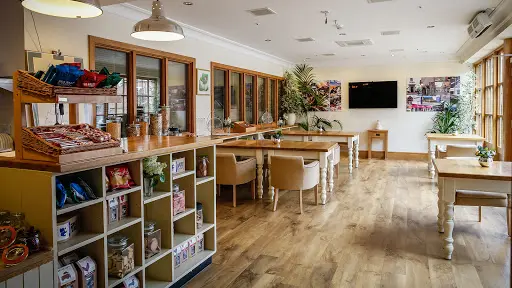
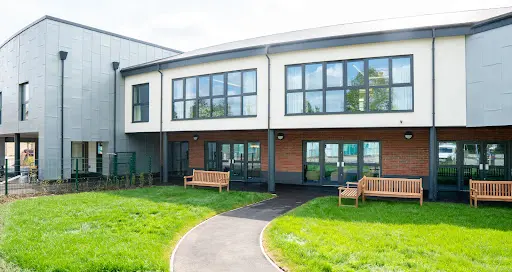
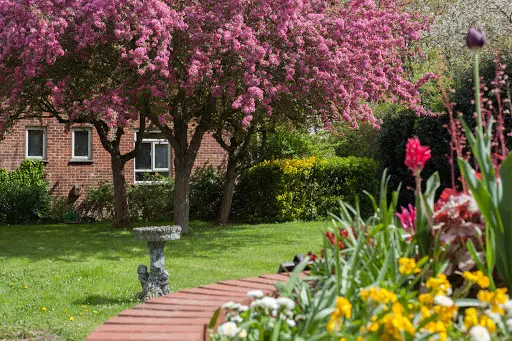
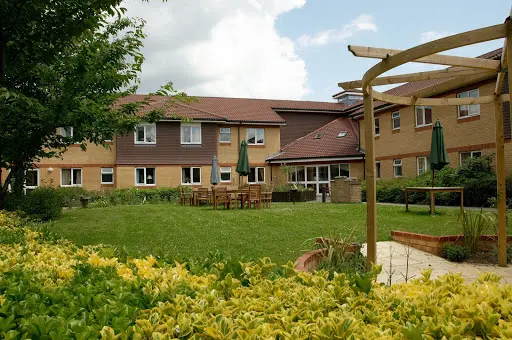
The home makes thoughtful use of its space, with quiet corners for those who need peace and communal areas for entertainment and activities. Families mention how the environment adapts to residents rather than expecting them to fit a rigid schedule — if someone prefers solitude to sing-alongs, that choice is respected and supported.
“For families who've watched their loved ones decline elsewhere, the improvements they describe here offer something precious — genuine hope that good days are still possible.”
DCC does not edit or curate content in this tab. For independently curated information, see The Evidence and DCC Verdict.