Chelston Park Nursing & Residential
At a Glance
The information you need to decide whether this home warrants a closer look.
Nursing homes
Staff warmth score
of reviewers answered yes
Good to know
- Registered beds86
- SpecialismsCaring for adults over 65 yrs, Dementia
- Last inspected2017-12-30
Save Chelston Park Nursing & Residential to your shortlist
Keep a running list, add visit notes, and compare homes side-by-side. Free account — it takes a minute.
STAGE 4 — RESEARCHING CARE HOMES
Visit homes. Compare them side by side. Choose with confidence.
Most of us will view care homes the way we view houses, impression, atmosphere, the feeling in the corridor. We go home, try to remember what we saw, and make a permanent decision from a blurred memory.

The DCC shortlist gives every home you visit a structured record: the same twelve questions, answered the same way, every time. When you’re ready to choose, pull any two homes side by side and compare them directly. Same criteria, same evidence, your notes and your scores.
The Evidence
What the review data, the inspection reports, and the dementia-care evidence base tell us about this home.
What families say
The eight family priority themes
- Staff warmth85
- Compassion & dignity90
- Cleanliness72
- Activities & engagement72
- Food quality65
- Healthcare72
- Management & leadership88
- Resident happiness78
What inspectors found
Inspected 2017-12-30
Is this home safe?
Is the care effective?
The Effective domain was rated Good. This covers training, care planning, healthcare access, and whether the home understands and meets the clinical and personal needs of each resident. The home is registered as a dementia nursing home, which means nursing staff are present and clinical oversight is expected to be more intensive than in a residential-only setting. The published inspection text does not include specific detail about how care plans are written, how frequently they are reviewed, or how GP and specialist access is arranged.Is this home caring?
Caring was rated Outstanding, which is the highest rating the inspectorate awards and is given to fewer than 5% of care homes nationally. To achieve this, inspectors must find direct, consistent evidence of genuine kindness, respect for dignity, and staff who know residents as individuals, not just as people requiring physical care. This rating applies across both the residential and the dementia nursing parts of the home. The published text does not reproduce specific inspector observations or resident and relative quotes, but the Outstanding rating itself is a meaningful signal.Is the home responsive?
Responsive was rated Good. This domain covers how well the home tailors daily life to each individual, including activities, meaningful engagement, respect for personal routines, and end-of-life care. A Good rating means inspectors found adequate provision but did not identify the exceptional, individualised practice that would earn Outstanding. The published text does not describe the activity programme, one-to-one engagement, or how the home supports residents in the later stages of dementia.Is the home well-led?
Well-led was rated Outstanding. The home has three registered managers named on the inspection record: Mrs Joanne Girdler, Ms Lourdes Teresa Duncan, and Mrs Shirley Anne Stone, with Mrs Girdler also listed as the nominated individual. An Outstanding well-led rating means inspectors found strong, visible leadership, a positive culture among staff, robust governance, and evidence of continuous improvement rather than just compliance. This is one of the rarest ratings awarded and is a meaningful indicator of a home with genuine organisational strength.
Source: CQC inspection report →
What the evidence base says
The home specialises in dementia care for people over 65, with staff experienced in supporting residents as their needs evolve. Families describe how the team has cared for their loved ones across several years, adapting support as dementia progressed. The continuity helps residents feel secure even as their world changes. All areas worth probing directly during a visit.
The DCC Verdict
Our editorial view, built from the three lenses: what families tell us, what inspectors record, and how the home sits against good dementia-care practice.
DCC Family Score
This home earned an Outstanding overall rating, with inspectors giving particular recognition to the quality of care and leadership. The scores reflect strong verified evidence in warmth and dignity, with some themes scoring lower simply because the published inspection text does not provide enough specific detail to rate them higher with confidence.
Homes in South West typically score 68–82.Worth a visit
Chelston Gardens Dementia Nursing Home, part of the Chelston Park group in Wellington, Somerset, holds an Outstanding overall rating following its inspection in early 2021, having improved from Good at its previous assessment. Inspectors rated the Caring and Well-led domains as Outstanding, meaning the home met the highest bar the inspectorate sets for both the kindness of its staff and the quality of its leadership. The Safe, Effective, and Responsive domains were all rated Good, with no areas of concern identified. The main limitation of this report is that the published inspection text available is brief, and so many details families rightly want, such as what mealtimes look and feel like, how many staff are on at night, and what a typical day looks like for someone in the later stages of dementia, are not recorded here. The Outstanding ratings give genuine grounds for confidence, but the inspection took place in early 2021, which means the picture may have shifted since. On your visit, ask to meet the registered manager, walk the dementia unit at a busy time of day, and ask specifically about one-to-one activity support for residents who cannot join group sessions.
The three questions to ask when you visitSave this home. Compare it against your shortlist.
Let our analysis show you how Chelston Park Nursing & Residential measures up against the other homes you’re considering. Free account.
In Their Own Words
How Chelston Park Nursing & Residential describes itself — collected from its own website. DCC has not edited or independently verified the content in this tab.
Where families trust through every stage of dementia's journey
Chelston Park Nursing and Residential Home – Chelston Gardens Dementia Nursing Home – Your Trusted nursing home
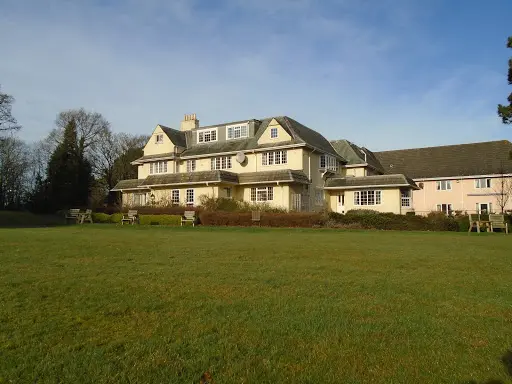
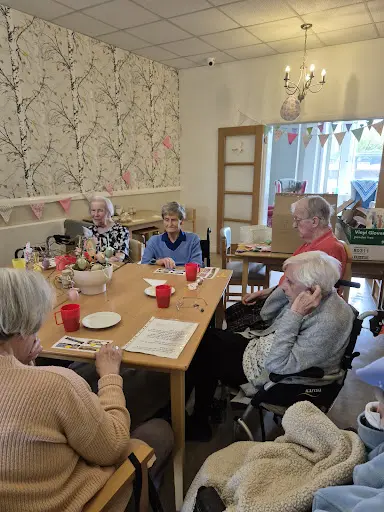
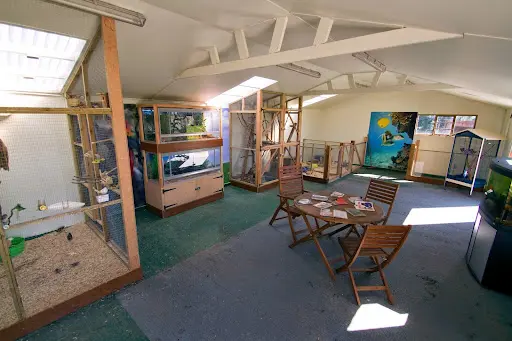
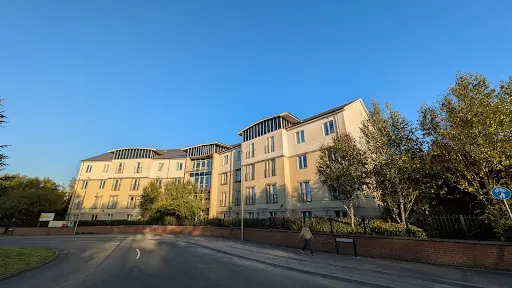
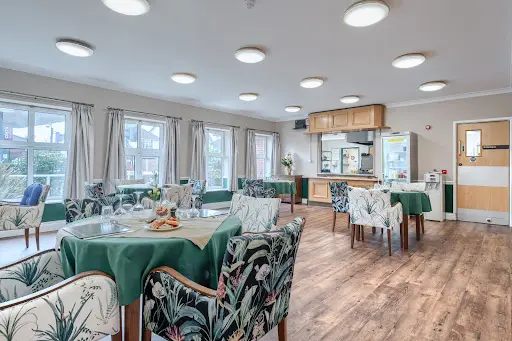
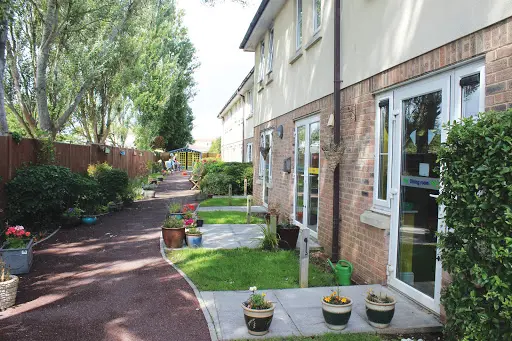
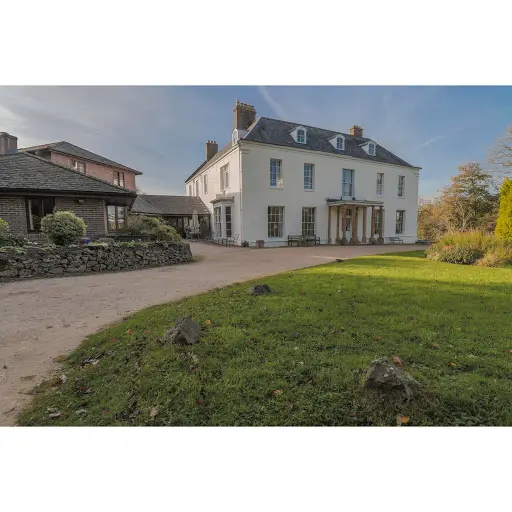
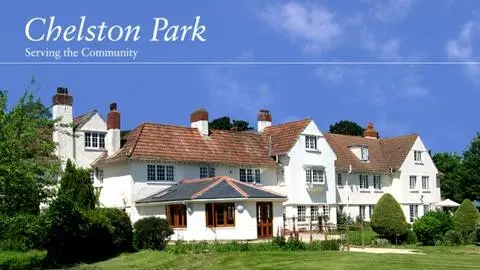
For families navigating dementia's unpredictable path, Chelston Park Nursing and Residential Home in Wellington provides something precious — consistency. This established care home has supported residents through years of changing needs, from early memory loss to more advanced stages. Set in well-kept grounds, it's become a steady presence for families during life's most challenging transitions.
Who they care for
The home specialises in dementia care for people over 65, with staff experienced in supporting residents as their needs evolve.
Families describe how the team has cared for their loved ones across several years, adapting support as dementia progressed. The continuity helps residents feel secure even as their world changes.
“If you'd like to see how Chelston Park approaches dementia care, arranging a visit lets you experience the atmosphere firsthand.”
DCC does not edit or curate content in this tab. For independently curated information, see The Evidence and DCC Verdict.
The DCC Verdict
Our editorial view, built from the three lenses: what families tell us, what inspectors record, and how the home sits against good dementia-care practice.
DCC Family Score
This home earned an Outstanding overall rating, with inspectors giving particular recognition to the quality of care and leadership. The scores reflect strong verified evidence in warmth and dignity, with some themes scoring lower simply because the published inspection text does not provide enough specific detail to rate them higher with confidence.
Homes in South West typically score 68–82.Worth a visit
Chelston Gardens Dementia Nursing Home, part of the Chelston Park group in Wellington, Somerset, holds an Outstanding overall rating following its inspection in early 2021, having improved from Good at its previous assessment. Inspectors rated the Caring and Well-led domains as Outstanding, meaning the home met the highest bar the inspectorate sets for both the kindness of its staff and the quality of its leadership. The Safe, Effective, and Responsive domains were all rated Good, with no areas of concern identified. The main limitation of this report is that the published inspection text available is brief, and so many details families rightly want, such as what mealtimes look and feel like, how many staff are on at night, and what a typical day looks like for someone in the later stages of dementia, are not recorded here. The Outstanding ratings give genuine grounds for confidence, but the inspection took place in early 2021, which means the picture may have shifted since. On your visit, ask to meet the registered manager, walk the dementia unit at a busy time of day, and ask specifically about one-to-one activity support for residents who cannot join group sessions.
The three questions to ask when you visitSave this home. Compare it against your shortlist.
Let our analysis show you how Chelston Park Nursing & Residential measures up against the other homes you’re considering. Free account.
In Their Own Words
How Chelston Park Nursing & Residential describes itself — collected from its own website. DCC has not edited or independently verified the content in this tab.
Where families trust through every stage of dementia's journey
Chelston Park Nursing and Residential Home – Chelston Gardens Dementia Nursing Home – Your Trusted nursing home
For families navigating dementia's unpredictable path, Chelston Park Nursing and Residential Home in Wellington provides something precious — consistency. This established care home has supported residents through years of changing needs, from early memory loss to more advanced stages. Set in well-kept grounds, it's become a steady presence for families during life's most challenging transitions.
Who they care for
The home specialises in dementia care for people over 65, with staff experienced in supporting residents as their needs evolve.
Families describe how the team has cared for their loved ones across several years, adapting support as dementia progressed. The continuity helps residents feel secure even as their world changes.
“If you'd like to see how Chelston Park approaches dementia care, arranging a visit lets you experience the atmosphere firsthand.”
DCC does not edit or curate content in this tab. For independently curated information, see The Evidence and DCC Verdict.