Cedar Lodge
At a Glance
The information you need to decide whether this home warrants a closer look.
Residential homes
Staff warmth score
of reviewers answered yes
Good to know
- Registered beds25
- SpecialismsCaring for adults over 65 yrs, Caring for adults under 65 yrs, Dementia
- Last inspected2022-10-04
Save Cedar Lodge to your shortlist
Keep a running list, add visit notes, and compare homes side-by-side. Free account — it takes a minute.
STAGE 4 — RESEARCHING CARE HOMES
Visit homes. Compare them side by side. Choose with confidence.
Most of us will view care homes the way we view houses, impression, atmosphere, the feeling in the corridor. We go home, try to remember what we saw, and make a permanent decision from a blurred memory.

The DCC shortlist gives every home you visit a structured record: the same twelve questions, answered the same way, every time. When you’re ready to choose, pull any two homes side by side and compare them directly. Same criteria, same evidence, your notes and your scores.
The Evidence
What the review data, the inspection reports, and the dementia-care evidence base tell us about this home.
What families say
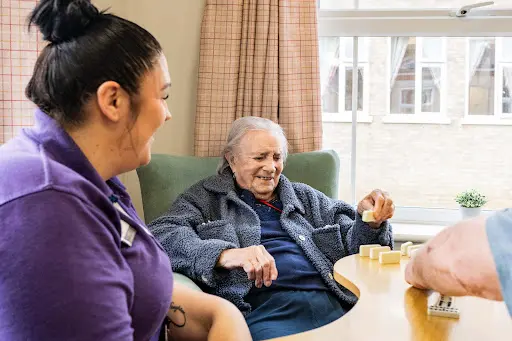
Visitors often mention how welcoming the atmosphere feels when they arrive. The home has an open approach to visiting, which helps families stay closely involved. People have commented on how staff go beyond just the practical side of care, taking time to get to know residents as individuals.
The eight family priority themes
- Staff warmth72
- Compassion & dignity72
- Cleanliness70
- Activities & engagement65
- Food quality65
- Healthcare70
- Management & leadership75
- Resident happiness70
What inspectors found
Inspected 2022-10-04
Is this home safe?
Is the care effective?
Inspectors rated the effective domain Good at the September 2024 assessment. This domain covers staff training, care planning, healthcare access including GP contact, and whether the home understands and meets individual needs including dietary requirements. No specific training records, care plan examples, or healthcare arrangements are described in the published summary. The home's specialism in dementia care means that dementia-specific training is particularly important to verify.Is this home caring?
The caring domain was rated Good at the September 2024 inspection. This covers staff warmth, dignity, respect for privacy, and how well the home supports independence. No direct observations of staff interactions, no resident or relative quotes, and no specific examples of caring practice are included in the published summary. This is the domain that families care about most, with staff warmth mentioned in 57.3% of positive reviews in our data set.Is the home responsive?
The responsive domain was rated Good at the September 2024 inspection. This covers how well the home tailors activities and daily life to individual preferences, how it responds to complaints, and whether end-of-life care is planned. No activity schedules, individual engagement examples, or complaint-handling records are described in the published summary. The home's dementia specialism makes individual responsiveness particularly important for residents who cannot easily communicate their own preferences.Is the home well-led?
The well-led domain was rated Good at the September 2024 inspection. A registered manager and a nominated individual are both named in the inspection record. The home is operated by Orion Healthcare Limited. No detail on management visibility, staff culture, governance processes, or how leadership has driven the improvement from Inadequate is included in the published summary. The fact that this improvement has happened is itself a leadership indicator, but the pace and sustainability of that change is not described.
Source: CQC inspection report →
What the evidence base says
Cedar Lodge cares for adults both under and over 65, including those living with dementia. For residents with dementia, the home's smaller scale can provide a less overwhelming environment. Staff here understand the importance of building trust and familiarity with residents who may find larger settings confusing. All areas worth probing directly during a visit.
The DCC Verdict
Our editorial view, built from the three lenses: what families tell us, what inspectors record, and how the home sits against good dementia-care practice.
DCC Family Score
Cedar Lodge has moved from Inadequate to Good across all five inspection domains, which is a meaningful improvement. However, the published report contains limited specific detail, so scores reflect cautious optimism rather than strong confirmed evidence.
Homes in East typically score 68–82.The three-lens summary
What families tell us
Visitors often mention how welcoming the atmosphere feels when they arrive. The home has an open approach to visiting, which helps families stay closely involved. People have commented on how staff go beyond just the practical side of care, taking time to get to know residents as individuals.
What inspectors have recorded
Families have found staff here to be warm and professional in their approach. The smaller size of the home seems to help staff give more individual attention to each resident.
How it sits against good practice
If you'd like to get a feel for Cedar Lodge yourself, arranging a visit is often the best way to see if it might be right for your family.
Worth a visit
Cedar Lodge, in Culford near Bury St. Edmunds, was assessed in September 2024 and rated Good across all five inspection domains: safe, effective, caring, responsive, and well-led. That report was published in July 2025. This is a significant improvement from a previous rating of Inadequate, and it tells you that inspectors found real progress across leadership, staffing, care, and safety. The home has 25 beds and specialises in dementia care as well as supporting adults under and over 65. The main caution for you as a family is that the published inspection summary contains very little specific detail. There are no inspector observations, no direct quotes from residents or relatives, and no specific examples of what has improved or how. A Good rating is genuinely meaningful, but you should treat this visit as an evidence-gathering exercise. Ask to see staffing rotas for the past two weeks, the actual activity records rather than the planned schedule, and how the home communicates with families when something changes. The improvement from Inadequate makes the manager's stability and the pace of that change important questions to ask directly.
The three questions to ask when you visitSave this home. Compare it against your shortlist.
Let our analysis show you how Cedar Lodge measures up against the other homes you’re considering. Free account.
In Their Own Words
How Cedar Lodge describes itself — collected from its own website. DCC has not edited or independently verified the content in this tab.
Small care home where staff take time to really know residents
Residential home in Bury St. Edmunds: True Peace of Mind
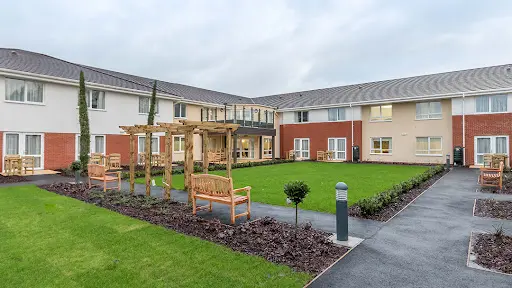
When you're looking for the right place for someone with complex care needs, finding staff who genuinely connect with residents matters enormously. Cedar Lodge in Bury St. Edmunds is a smaller home where families have noticed how staff build real relationships with the people they care for. Set in pleasant grounds on the eastern side of town, it's a place that welcomes regular visits from loved ones.
Who they care for
Cedar Lodge cares for adults both under and over 65, including those living with dementia.
For residents with dementia, the home's smaller scale can provide a less overwhelming environment. Staff here understand the importance of building trust and familiarity with residents who may find larger settings confusing.
“If you'd like to get a feel for Cedar Lodge yourself, arranging a visit is often the best way to see if it might be right for your family.”
DCC does not edit or curate content in this tab. For independently curated information, see The Evidence and DCC Verdict.
The DCC Verdict
Our editorial view, built from the three lenses: what families tell us, what inspectors record, and how the home sits against good dementia-care practice.
DCC Family Score
Cedar Lodge has moved from Inadequate to Good across all five inspection domains, which is a meaningful improvement. However, the published report contains limited specific detail, so scores reflect cautious optimism rather than strong confirmed evidence.
Homes in East typically score 68–82.The three-lens summary
What families tell us
Visitors often mention how welcoming the atmosphere feels when they arrive. The home has an open approach to visiting, which helps families stay closely involved. People have commented on how staff go beyond just the practical side of care, taking time to get to know residents as individuals.
What inspectors have recorded
Families have found staff here to be warm and professional in their approach. The smaller size of the home seems to help staff give more individual attention to each resident.
How it sits against good practice
If you'd like to get a feel for Cedar Lodge yourself, arranging a visit is often the best way to see if it might be right for your family.
Worth a visit
Cedar Lodge, in Culford near Bury St. Edmunds, was assessed in September 2024 and rated Good across all five inspection domains: safe, effective, caring, responsive, and well-led. That report was published in July 2025. This is a significant improvement from a previous rating of Inadequate, and it tells you that inspectors found real progress across leadership, staffing, care, and safety. The home has 25 beds and specialises in dementia care as well as supporting adults under and over 65. The main caution for you as a family is that the published inspection summary contains very little specific detail. There are no inspector observations, no direct quotes from residents or relatives, and no specific examples of what has improved or how. A Good rating is genuinely meaningful, but you should treat this visit as an evidence-gathering exercise. Ask to see staffing rotas for the past two weeks, the actual activity records rather than the planned schedule, and how the home communicates with families when something changes. The improvement from Inadequate makes the manager's stability and the pace of that change important questions to ask directly.
The three questions to ask when you visitSave this home. Compare it against your shortlist.
Let our analysis show you how Cedar Lodge measures up against the other homes you’re considering. Free account.
In Their Own Words
How Cedar Lodge describes itself — collected from its own website. DCC has not edited or independently verified the content in this tab.
Small care home where staff take time to really know residents
Residential home in Bury St. Edmunds: True Peace of Mind
When you're looking for the right place for someone with complex care needs, finding staff who genuinely connect with residents matters enormously. Cedar Lodge in Bury St. Edmunds is a smaller home where families have noticed how staff build real relationships with the people they care for. Set in pleasant grounds on the eastern side of town, it's a place that welcomes regular visits from loved ones.
Who they care for
Cedar Lodge cares for adults both under and over 65, including those living with dementia.
For residents with dementia, the home's smaller scale can provide a less overwhelming environment. Staff here understand the importance of building trust and familiarity with residents who may find larger settings confusing.
Management & ethos
Families have found staff here to be warm and professional in their approach. The smaller size of the home seems to help staff give more individual attention to each resident.
The home & environment
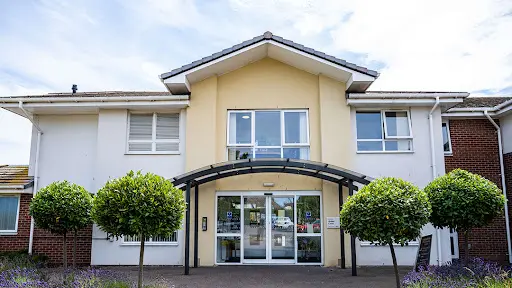
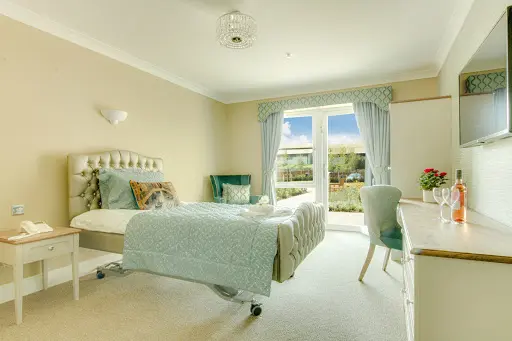
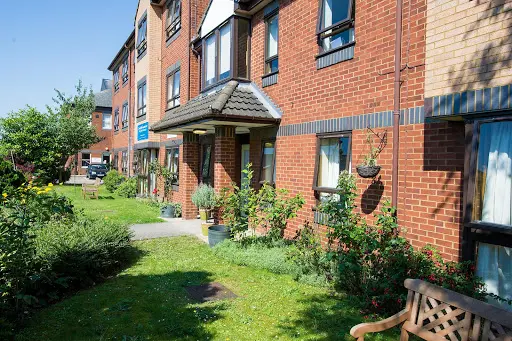
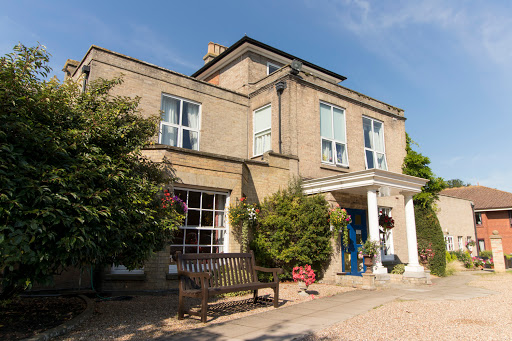
The home is described as bright and well-maintained, with pleasant outdoor spaces that residents can enjoy. Several visitors have noted how clean everything looks when they visit. Some rooms come with en-suite facilities, giving residents their own private space.
“If you'd like to get a feel for Cedar Lodge yourself, arranging a visit is often the best way to see if it might be right for your family.”
DCC does not edit or curate content in this tab. For independently curated information, see The Evidence and DCC Verdict.