Cedar Court Residential and Nursing Home – Sanctuary Care
At a Glance
The information you need to decide whether this home warrants a closer look.
Nursing homes, Rehabilitation (illness/injury)
Staff warmth score
of reviewers answered yes
Good to know
- Registered beds68
- SpecialismsCaring for adults over 65 yrs, Caring for adults under 65 yrs, Dementia, Physical disabilities
- Last inspected2021-03-13
Save Cedar Court Residential and Nursing Home – Sanctuary Care to your shortlist
Keep a running list, add visit notes, and compare homes side-by-side. Free account — it takes a minute.
STAGE 4 — RESEARCHING CARE HOMES
Visit homes. Compare them side by side. Choose with confidence.
Most of us will view care homes the way we view houses, impression, atmosphere, the feeling in the corridor. We go home, try to remember what we saw, and make a permanent decision from a blurred memory.

The DCC shortlist gives every home you visit a structured record: the same twelve questions, answered the same way, every time. When you’re ready to choose, pull any two homes side by side and compare them directly. Same criteria, same evidence, your notes and your scores.
The Evidence
What the review data, the inspection reports, and the dementia-care evidence base tell us about this home.
What families say
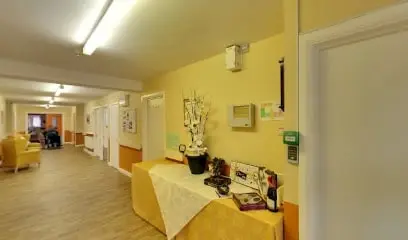
Families describe finding comfort in the clean, odour-free environment that feels more like a comfortable residence than a clinical setting. The variety of freshly-cooked meals with multiple daily options seems to genuinely lift spirits and support recovery.
The eight family priority themes
- Staff warmth52
- Compassion & dignity50
- Cleanliness55
- Activities & engagement50
- Food quality50
- Healthcare55
- Management & leadership62
- Resident happiness52
What inspectors found
Inspected 2021-03-13
Is this home safe?
Is the care effective?
Cedar Court was rated Good for effectiveness at its December 2020 inspection. The home's registration covers nursing care and rehabilitation alongside personal care, which requires demonstrable clinical competence. No specific detail about care plan content, GP access arrangements, dementia training, or food quality is recorded in the published summary. The caring domain, which overlaps with effective person-centred practice, carries no formal rating.Is this home caring?
The caring domain at Cedar Court carries no formal rating from the December 2020 inspection. This is an unusual gap for a home of this size and specialism profile. The published summary does not record any inspector observations about how staff interact with residents, whether people are addressed by preferred names, how staff respond to distress, or whether the pace of care feels unhurried. No resident or relative quotes are included in the published findings.Is the home responsive?
Cedar Court was rated Good for responsiveness at its December 2020 inspection. The home lists dementia, physical disabilities, and rehabilitation as specialisms, which implies some tailoring of care to individual needs. The published inspection summary contains no specific detail about the activities programme, how activities are adapted for people with advanced dementia, whether one-to-one engagement is offered, or how individual preferences are recorded and acted on. No resident or relative testimony about responsiveness is included.Is the home well-led?
Cedar Court was rated Good for being well-led at its December 2020 inspection. The home has a named registered manager (Mrs Keeley Sarah Bland) and a nominated individual (Mrs Louise Palmer), indicating a formal governance structure is in place. Sanctuary Care Limited runs the service. The published summary does not record specific detail about management visibility, how staff are supported, whether staff feel able to raise concerns, or how the home learns from complaints and incidents.
Source: CQC inspection report →
What the evidence base says
The team supports adults of all ages, including those under 65 with physical disabilities or care needs. They provide both residential and nursing care, with particular experience supporting people living with dementia. Staff have developed approaches to support residents with dementia alongside those with physical care needs. The home's experience spans different stages of dementia, providing continuity as needs change. All areas worth probing directly during a visit.
The DCC Verdict
Our editorial view, built from the three lenses: what families tell us, what inspectors record, and how the home sits against good dementia-care practice.
DCC Family Score
Cedar Court scores 62 out of 100. The Good rating across four domains is a positive foundation, but the inspection report contains very little specific detail, meaning the score reflects a general compliance baseline rather than confirmed, observed quality.
Homes in North East typically score 68–82.The three-lens summary
What families tell us
Families describe finding comfort in the clean, odour-free environment that feels more like a comfortable residence than a clinical setting. The variety of freshly-cooked meals with multiple daily options seems to genuinely lift spirits and support recovery.
What inspectors have recorded
How it sits against good practice
Finding the right care home involves many considerations — visiting Cedar Court could help you understand if their approach fits your family's needs.
Worth a visit
Cedar Court Residential and Nursing Home in Seaham was rated Good across four domains (safe, effective, responsive, and well-led) at its December 2020 inspection, with the report published in March 2021. The home is registered for nursing care, rehabilitation, and dementia support, and is run by Sanctuary Care Limited with a named registered manager and nominated individual in place. A monitoring review carried out in July 2023 found no evidence requiring a change to the rating. The main limitation here is that the published inspection summary is unusually sparse. Almost none of the specific detail that families rely on, such as staff warmth observations, food quality, activity programmes, night staffing numbers, or dementia care practice, is recorded in the available text. The caring domain has no formal rating at all. Before visiting, prepare a list of direct questions using the checklist above. On your visit, ask to see last week's actual staffing rota, observe how staff interact with your parent during a mealtime, and ask how the home specifically supports people with dementia day to day.
The three questions to ask when you visitSave this home. Compare it against your shortlist.
Let our analysis show you how Cedar Court Residential and Nursing Home – Sanctuary Care measures up against the other homes you’re considering. Free account.
In Their Own Words
How Cedar Court Residential and Nursing Home – Sanctuary Care describes itself — collected from its own website. DCC has not edited or independently verified the content in this tab.
Where recovery meets comfort in Seaham's caring community
Cedar Court Residential and Nursing Home – Your Trusted nursing home,rehabilitation (illness/injury)
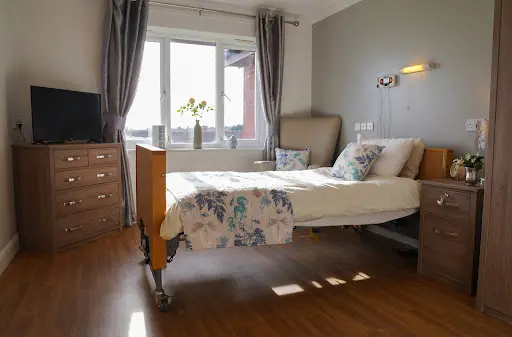
When you're looking for care that combines physical rehabilitation with genuine warmth, Cedar Court Residential and Nursing Home in Seaham offers support for both younger and older adults needing specialised care. This established home provides nursing and residential services, with particular expertise in dementia care and physical disability support. The spacious environment and fresh approach to daily living help residents feel settled during what can be a challenging transition.
Who they care for
The team supports adults of all ages, including those under 65 with physical disabilities or care needs. They provide both residential and nursing care, with particular experience supporting people living with dementia.
Staff have developed approaches to support residents with dementia alongside those with physical care needs. The home's experience spans different stages of dementia, providing continuity as needs change.
“Finding the right care home involves many considerations — visiting Cedar Court could help you understand if their approach fits your family's needs.”
DCC does not edit or curate content in this tab. For independently curated information, see The Evidence and DCC Verdict.
The DCC Verdict
Our editorial view, built from the three lenses: what families tell us, what inspectors record, and how the home sits against good dementia-care practice.
DCC Family Score
Cedar Court scores 62 out of 100. The Good rating across four domains is a positive foundation, but the inspection report contains very little specific detail, meaning the score reflects a general compliance baseline rather than confirmed, observed quality.
Homes in North East typically score 68–82.The three-lens summary
What families tell us
Families describe finding comfort in the clean, odour-free environment that feels more like a comfortable residence than a clinical setting. The variety of freshly-cooked meals with multiple daily options seems to genuinely lift spirits and support recovery.
What inspectors have recorded
How it sits against good practice
Finding the right care home involves many considerations — visiting Cedar Court could help you understand if their approach fits your family's needs.
Worth a visit
Cedar Court Residential and Nursing Home in Seaham was rated Good across four domains (safe, effective, responsive, and well-led) at its December 2020 inspection, with the report published in March 2021. The home is registered for nursing care, rehabilitation, and dementia support, and is run by Sanctuary Care Limited with a named registered manager and nominated individual in place. A monitoring review carried out in July 2023 found no evidence requiring a change to the rating. The main limitation here is that the published inspection summary is unusually sparse. Almost none of the specific detail that families rely on, such as staff warmth observations, food quality, activity programmes, night staffing numbers, or dementia care practice, is recorded in the available text. The caring domain has no formal rating at all. Before visiting, prepare a list of direct questions using the checklist above. On your visit, ask to see last week's actual staffing rota, observe how staff interact with your parent during a mealtime, and ask how the home specifically supports people with dementia day to day.
The three questions to ask when you visitSave this home. Compare it against your shortlist.
Let our analysis show you how Cedar Court Residential and Nursing Home – Sanctuary Care measures up against the other homes you’re considering. Free account.
In Their Own Words
How Cedar Court Residential and Nursing Home – Sanctuary Care describes itself — collected from its own website. DCC has not edited or independently verified the content in this tab.
Where recovery meets comfort in Seaham's caring community
Cedar Court Residential and Nursing Home – Your Trusted nursing home,rehabilitation (illness/injury)
When you're looking for care that combines physical rehabilitation with genuine warmth, Cedar Court Residential and Nursing Home in Seaham offers support for both younger and older adults needing specialised care. This established home provides nursing and residential services, with particular expertise in dementia care and physical disability support. The spacious environment and fresh approach to daily living help residents feel settled during what can be a challenging transition.
Who they care for
The team supports adults of all ages, including those under 65 with physical disabilities or care needs. They provide both residential and nursing care, with particular experience supporting people living with dementia.
Staff have developed approaches to support residents with dementia alongside those with physical care needs. The home's experience spans different stages of dementia, providing continuity as needs change.
The home & environment
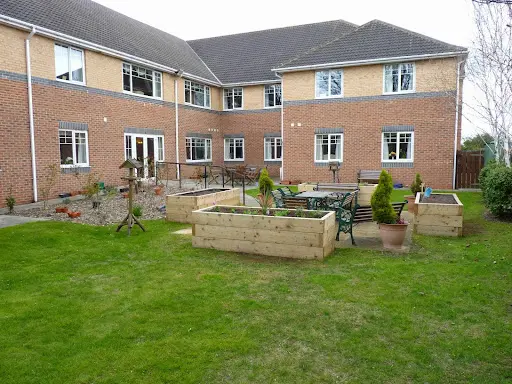
The kitchen team prepares fresh meals daily with several choices available, which families say makes a real difference to wellbeing and recovery. The home maintains clean, spacious communal areas and offers in-house laundry services.
“Finding the right care home involves many considerations — visiting Cedar Court could help you understand if their approach fits your family's needs.”
DCC does not edit or curate content in this tab. For independently curated information, see The Evidence and DCC Verdict.