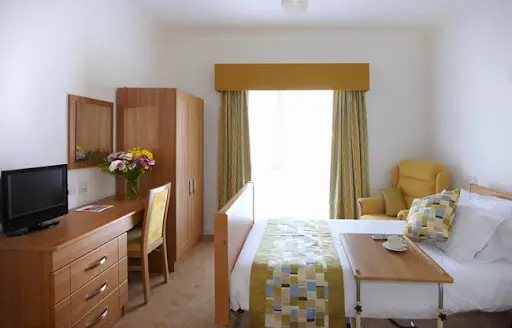
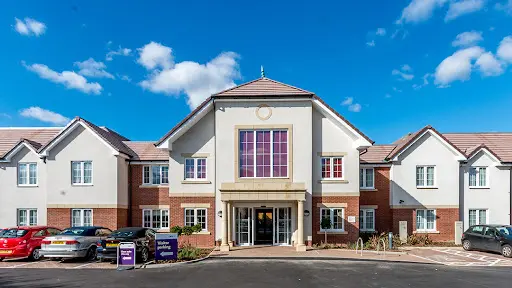
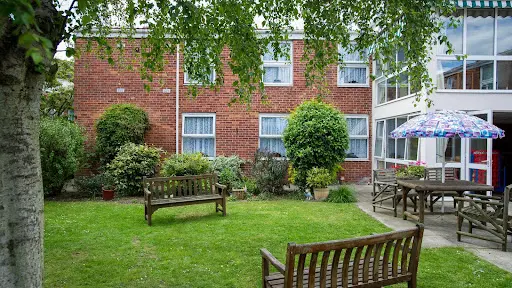
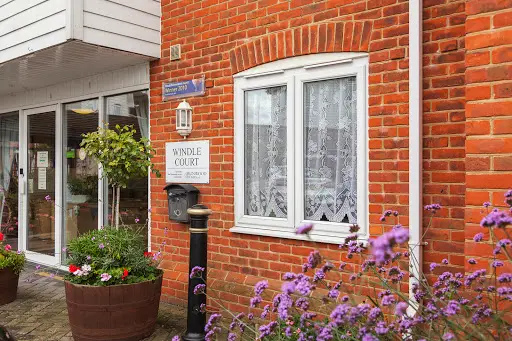
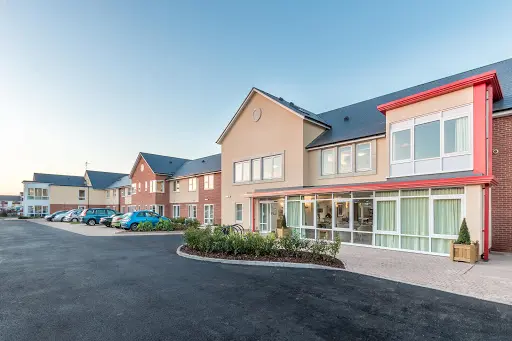
Broadoaks Residential Home

At a Glance
The information you need to decide whether this home warrants a closer look.
Residential homes
Staff warmth score
of reviewers answered yes
Good to know
- Registered beds39
- SpecialismsCaring for adults over 65 yrs, Dementia
- Last inspected2021-10-07
Save Broadoaks Residential Home to your shortlist
Keep a running list, add visit notes, and compare homes side-by-side. Free account — it takes a minute.
STAGE 4 — RESEARCHING CARE HOMES
Visit homes. Compare them side by side. Choose with confidence.
Most of us will view care homes the way we view houses, impression, atmosphere, the feeling in the corridor. We go home, try to remember what we saw, and make a permanent decision from a blurred memory.

The DCC shortlist gives every home you visit a structured record: the same twelve questions, answered the same way, every time. When you’re ready to choose, pull any two homes side by side and compare them directly. Same criteria, same evidence, your notes and your scores.
The Evidence
What the review data, the inspection reports, and the dementia-care evidence base tell us about this home.
What families say
People describe the staff here as wonderful and caring — whether that's families of residents or professionals who visit the home. There's a warmth that comes through in how they talk about the team.
The eight family priority themes
- Staff warmth50
- Compassion & dignity50
- Cleanliness50
- Activities & engagement50
- Food quality50
- Healthcare50
- Management & leadership50
- Resident happiness50
What inspectors found
Inspected 2021-10-07
Is this home safe?
Is the care effective?
The June 2024 assessment rated Effective as Good. No narrative detail is available in the data provided to confirm what specific evidence inspectors found — such as care plan quality, dementia training content, GP access arrangements or food quality observations. The home is registered as a dementia specialism, which means it should be able to demonstrate structured dementia-specific training for all staff. Without the full report text, none of these areas can be independently verified for this analysis.Is this home caring?
The June 2024 assessment rated Caring as Good. No direct inspector observations, resident quotes or relative testimony are available in the data provided to this analysis to illustrate what day-to-day kindness and dignity look like at Broadoaks. Staff warmth and compassion are the two highest-weighted themes in DCC Family Review data — together accounting for over 55% of what drives positive family experience — making this the domain where specific evidence matters most, and where its absence is most felt in this analysis.Is the home responsive?
The June 2024 assessment rated Responsive as Good. No specific information about the activities programme, individual engagement plans, outdoor access or end-of-life care arrangements is available in the data provided. The home's dementia registration implies a responsibility to provide tailored, meaningful occupation — not just group activities — but the evidence for how this is delivered at Broadoaks is not visible in this analysis.Is the home well-led?
The June 2024 assessment rated Well-led as Good, recovering from the Requires Improvement rating that followed the October 2021 inspection. The registered manager is Miss Sonya Ann Crosby, and the Nominated Individual is Mr Christian Croll of Eastwood Hall Limited. No narrative detail is available about management visibility, staff culture, governance systems or how the home responded to the 2021 concerns. The recovery from Requires Improvement to Good across all domains within approximately three years is a meaningful change that deserves direct exploration with the manager.
Source: CQC inspection report →
What the evidence base says
Broadoaks provides residential care for people over 65, with particular experience in supporting those living with dementia. The home welcomes residents with dementia as part of their regular community. Their approach focuses on maintaining dignity and quality of life for each individual. All areas worth probing directly during a visit.
The DCC Verdict
Our editorial view, built from the three lenses: what families tell us, what inspectors record, and how the home sits against good dementia-care practice.
DCC Family Score
Broadoaks currently holds a 'Requires Improvement' overall rating based on an October 2021 inspection — a decline from its previous Good rating — though a more recent assessment completed June 2024 (published December 2024) awarded Good across all five domains. Because the detailed 2024 report text was not available for analysis, scores reflect the structural uncertainty rather than confirmed evidence, and families should seek the full published report before making a decision.
Homes in East typically score 68–82.The three-lens summary
What families tell us
People describe the staff here as wonderful and caring — whether that's families of residents or professionals who visit the home. There's a warmth that comes through in how they talk about the team.
What inspectors have recorded
How it sits against good practice
Sometimes the best recommendation comes from those who choose to return.
Worth a visit
Broadoaks, a 39-bed residential home in Rochford specialising in dementia and older adult care, is currently listed with an overall rating of Requires Improvement, which reflects its October 2021 inspection — its fourth inspection since registration. That rating represented a decline from its previous Good. However, a more recent assessment was carried out in June 2024 and the report was published in December 2024; that assessment awarded Good ratings across all five domains (Safe, Effective, Caring, Responsive and Well-led). The registered manager is named as Miss Sonya Ann Crosby, with Mr Christian Croll as Nominated Individual. The available data does not include the narrative detail of the 2024 report, so it has not been possible to score individual themes or verify specific evidence about daily life, staffing, or care quality. The key uncertainty here is the gap between the two inspections: the fact that the home declined to Requires Improvement and then recovered to Good within a relatively short period is worth exploring on a visit. Recovery can be genuine and sustained, or it can reflect a home that performs well during inspection periods. When you visit, ask the manager specifically what went wrong in 2021 and what changed — a confident, transparent answer is itself a positive sign. Ask to see the current staffing rota, observe a mealtime, and ask how many permanent (non-agency) staff are on the dementia unit overnight. Because the full 2024 inspection narrative was not available for this analysis, all 21 evidence checklist items remain unverified and families are strongly encouraged to read the full published report on the official inspection website before making any decision.
The three questions to ask when you visitSave this home. Compare it against your shortlist.
Let our analysis show you how Broadoaks Residential Home measures up against the other homes you’re considering. Free account.
In Their Own Words
How Broadoaks Residential Home describes itself — collected from its own website. DCC has not edited or independently verified the content in this tab.
Where respite residents choose to return time and again
Broadoaks – Expert Care in Rochford
When someone who comes for respite care already misses a place between stays, that tells you something special. Broadoaks in Rochford offers residential care for people over 65, including those living with dementia. The fact that residents actively look forward to coming back speaks volumes about the care they receive.
Who they care for
Broadoaks provides residential care for people over 65, with particular experience in supporting those living with dementia.
The home welcomes residents with dementia as part of their regular community. Their approach focuses on maintaining dignity and quality of life for each individual.
“Sometimes the best recommendation comes from those who choose to return.”
DCC does not edit or curate content in this tab. For independently curated information, see The Evidence and DCC Verdict.
The DCC Verdict
Our editorial view, built from the three lenses: what families tell us, what inspectors record, and how the home sits against good dementia-care practice.
DCC Family Score
Broadoaks currently holds a 'Requires Improvement' overall rating based on an October 2021 inspection — a decline from its previous Good rating — though a more recent assessment completed June 2024 (published December 2024) awarded Good across all five domains. Because the detailed 2024 report text was not available for analysis, scores reflect the structural uncertainty rather than confirmed evidence, and families should seek the full published report before making a decision.
Homes in East typically score 68–82.The three-lens summary
What families tell us
People describe the staff here as wonderful and caring — whether that's families of residents or professionals who visit the home. There's a warmth that comes through in how they talk about the team.
What inspectors have recorded
How it sits against good practice
Sometimes the best recommendation comes from those who choose to return.
Worth a visit
Broadoaks, a 39-bed residential home in Rochford specialising in dementia and older adult care, is currently listed with an overall rating of Requires Improvement, which reflects its October 2021 inspection — its fourth inspection since registration. That rating represented a decline from its previous Good. However, a more recent assessment was carried out in June 2024 and the report was published in December 2024; that assessment awarded Good ratings across all five domains (Safe, Effective, Caring, Responsive and Well-led). The registered manager is named as Miss Sonya Ann Crosby, with Mr Christian Croll as Nominated Individual. The available data does not include the narrative detail of the 2024 report, so it has not been possible to score individual themes or verify specific evidence about daily life, staffing, or care quality. The key uncertainty here is the gap between the two inspections: the fact that the home declined to Requires Improvement and then recovered to Good within a relatively short period is worth exploring on a visit. Recovery can be genuine and sustained, or it can reflect a home that performs well during inspection periods. When you visit, ask the manager specifically what went wrong in 2021 and what changed — a confident, transparent answer is itself a positive sign. Ask to see the current staffing rota, observe a mealtime, and ask how many permanent (non-agency) staff are on the dementia unit overnight. Because the full 2024 inspection narrative was not available for this analysis, all 21 evidence checklist items remain unverified and families are strongly encouraged to read the full published report on the official inspection website before making any decision.
The three questions to ask when you visitSave this home. Compare it against your shortlist.
Let our analysis show you how Broadoaks Residential Home measures up against the other homes you’re considering. Free account.
In Their Own Words
How Broadoaks Residential Home describes itself — collected from its own website. DCC has not edited or independently verified the content in this tab.
Where respite residents choose to return time and again
Broadoaks – Expert Care in Rochford
When someone who comes for respite care already misses a place between stays, that tells you something special. Broadoaks in Rochford offers residential care for people over 65, including those living with dementia. The fact that residents actively look forward to coming back speaks volumes about the care they receive.
Who they care for
Broadoaks provides residential care for people over 65, with particular experience in supporting those living with dementia.
The home welcomes residents with dementia as part of their regular community. Their approach focuses on maintaining dignity and quality of life for each individual.
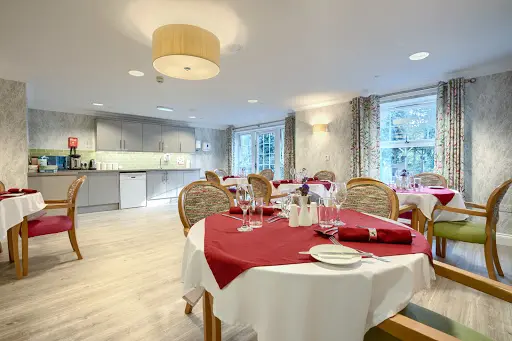
The home & environment
The kitchen prepares everything fresh, with home-cooked meals that get particular praise. The chef takes real care to work around individual dietary needs, making sure everyone can enjoy their food.
“Sometimes the best recommendation comes from those who choose to return.”
DCC does not edit or curate content in this tab. For independently curated information, see The Evidence and DCC Verdict.