Boulters Lock Care Home – Hartford Care
At a Glance
The information you need to decide whether this home warrants a closer look.
Residential homes
Staff warmth score
of reviewers answered yes
Good to know
- Registered beds32
- SpecialismsCaring for adults over 65 yrs, Caring for adults under 65 yrs, Dementia
- Last inspected2020-03-13
Save Boulters Lock Care Home – Hartford Care to your shortlist
Keep a running list, add visit notes, and compare homes side-by-side. Free account — it takes a minute.
STAGE 4 — RESEARCHING CARE HOMES
Visit homes. Compare them side by side. Choose with confidence.
Most of us will view care homes the way we view houses, impression, atmosphere, the feeling in the corridor. We go home, try to remember what we saw, and make a permanent decision from a blurred memory.

The DCC shortlist gives every home you visit a structured record: the same twelve questions, answered the same way, every time. When you’re ready to choose, pull any two homes side by side and compare them directly. Same criteria, same evidence, your notes and your scores.
The Evidence
What the review data, the inspection reports, and the dementia-care evidence base tell us about this home.
What families say
What strikes families most is how their relatives genuinely want to be here. People talk about seeing contentment in their loved ones that goes beyond settling in — it's about residents actively choosing to stay because they're happy. The atmosphere feels warm and welcoming, with activities thoughtfully designed to include everyone while respecting individual preferences.
The eight family priority themes
- Staff warmth72
- Compassion & dignity72
- Cleanliness70
- Activities & engagement68
- Food quality65
- Healthcare70
- Management & leadership75
- Resident happiness70
What inspectors found
Inspected 2020-03-13
Is this home safe?
Is the care effective?
Effective was rated Good at the March 2026 inspection. This domain covers care planning, staff training, healthcare access, nutrition, and hydration. A Good rating means inspectors found these areas to be functioning adequately. The home lists dementia as a specialism, which implies staff should have relevant training, and the Good rating in Effective suggests this was evidenced to inspectors. No specific detail about care plan content, training programmes, GP access arrangements, or food quality is included in the published summary.Is this home caring?
Caring was rated Good at the March 2026 inspection. This domain covers staff warmth, compassion, dignity, respect, and support for independence. A Good rating means inspectors were satisfied on these measures. However, the published summary contains no direct observations of staff interactions, no resident or relative quotes, and no specific examples of how staff demonstrate kindness or respect in practice. This is the domain families care most about, and the absence of supporting detail means you cannot draw conclusions from the rating alone.Is the home responsive?
Responsive was rated Good at the March 2026 inspection. This domain covers whether the home tailors care to individual needs, provides meaningful activities, and responds well to complaints and end-of-life needs. The home specialises in dementia care, which means responsiveness to changing needs and individual preferences should be a core competency. The published summary does not describe the activity programme, how the home supports residents who cannot participate in group activities, or how end-of-life preferences are recorded and honoured.Is the home well-led?
Well-led was rated Good at the March 2026 inspection. A named registered manager, Miss Ashley Marie Newman, and a nominated individual, Mrs Lisa White, are recorded as accountable for the service. The home is operated by Hartford Care (2) Limited. A Good rating in this domain indicates inspectors found governance, culture, and leadership to be satisfactory. The published summary does not describe the manager's tenure, staff turnover, how the home handles complaints, or whether staff feel able to raise concerns.
Source: CQC inspection report →
What the evidence base says
The home cares for adults both under and over 65, with particular experience supporting people living with dementia. For residents with dementia, the team's patient and respectful approach makes a real difference. Families report seeing cognitive improvements they didn't expect, with staff who understand how to support each person's unique journey. All areas worth probing directly during a visit.
The DCC Verdict
Our editorial view, built from the three lenses: what families tell us, what inspectors record, and how the home sits against good dementia-care practice.
DCC Family Score
Boulters Lock Residential Home holds a Good rating across all five inspection domains, which places it solidly in the positive range, but the published report contains limited specific detail, observations, or resident testimony, so scores reflect confirmed competence rather than standout evidence.
Homes in South East typically score 68–82.The three-lens summary
What families tell us
What strikes families most is how their relatives genuinely want to be here. People talk about seeing contentment in their loved ones that goes beyond settling in — it's about residents actively choosing to stay because they're happy. The atmosphere feels warm and welcoming, with activities thoughtfully designed to include everyone while respecting individual preferences.
What inspectors have recorded
The leadership team here runs a tight ship without losing the human touch. Staff work together as a genuinely collaborative unit, with different care disciplines supporting each other seamlessly. What families notice most is the consistency — compassionate, patient care that holds steady across shifts and over time.
How it sits against good practice
Sometimes the best recommendation comes from the residents themselves — when they tell their families they're exactly where they want to be.
Worth a visit
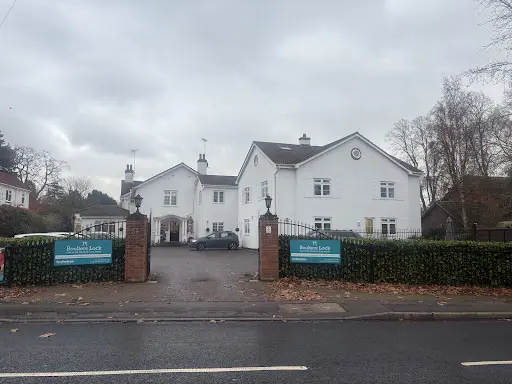
Boulters Lock Residential Home, at 56 Sheephouse Road in Maidenhead, was rated Good across all five inspection domains at its most recent assessment, published in March 2026. The home specialises in dementia care alongside general residential care for adults over and under 65, and has a registered manager and a nominated individual named and accountable for the service. A Good rating across every domain is a genuinely positive baseline: it means inspectors found no significant failings in safety, care practice, leadership, or responsiveness. However, the published inspection summary contains very limited specific detail. There are no direct quotes from residents or relatives, no inspector observations of staff interactions, and no description of the physical environment or daily life at the home. This means the rating tells you the inspection passed, but it does not tell you what visiting your parent there would actually feel like. Before making a decision, visit in person, ask to see last week's actual staffing rota (not the template), and ask the manager directly about night staffing ratios, how families are kept informed when something changes, and what one-to-one activity provision looks like for someone living with more advanced dementia.
The three questions to ask when you visitSave this home. Compare it against your shortlist.
Let our analysis show you how Boulters Lock Care Home – Hartford Care measures up against the other homes you’re considering. Free account.
In Their Own Words
How Boulters Lock Care Home – Hartford Care describes itself — collected from its own website. DCC has not edited or independently verified the content in this tab.
Where cognitive improvement and contentment go hand in hand
Boulters Lock Residential Home – Your Trusted residential home
When families see their loved ones actually improving — mentally and physically — after moving into care, it transforms everything. At Boulters Lock Residential Home in Maidenhead, this kind of progress happens regularly. Families describe watching relatives regain abilities they thought were lost, while the home's structured approach helps residents flourish at their own pace.
Who they care for
The home cares for adults both under and over 65, with particular experience supporting people living with dementia.
For residents with dementia, the team's patient and respectful approach makes a real difference. Families report seeing cognitive improvements they didn't expect, with staff who understand how to support each person's unique journey.
“Sometimes the best recommendation comes from the residents themselves — when they tell their families they're exactly where they want to be.”
DCC does not edit or curate content in this tab. For independently curated information, see The Evidence and DCC Verdict.
The DCC Verdict
Our editorial view, built from the three lenses: what families tell us, what inspectors record, and how the home sits against good dementia-care practice.
DCC Family Score
Boulters Lock Residential Home holds a Good rating across all five inspection domains, which places it solidly in the positive range, but the published report contains limited specific detail, observations, or resident testimony, so scores reflect confirmed competence rather than standout evidence.
Homes in South East typically score 68–82.The three-lens summary
What families tell us
What strikes families most is how their relatives genuinely want to be here. People talk about seeing contentment in their loved ones that goes beyond settling in — it's about residents actively choosing to stay because they're happy. The atmosphere feels warm and welcoming, with activities thoughtfully designed to include everyone while respecting individual preferences.
What inspectors have recorded
The leadership team here runs a tight ship without losing the human touch. Staff work together as a genuinely collaborative unit, with different care disciplines supporting each other seamlessly. What families notice most is the consistency — compassionate, patient care that holds steady across shifts and over time.
How it sits against good practice
Sometimes the best recommendation comes from the residents themselves — when they tell their families they're exactly where they want to be.
Worth a visit
Boulters Lock Residential Home, at 56 Sheephouse Road in Maidenhead, was rated Good across all five inspection domains at its most recent assessment, published in March 2026. The home specialises in dementia care alongside general residential care for adults over and under 65, and has a registered manager and a nominated individual named and accountable for the service. A Good rating across every domain is a genuinely positive baseline: it means inspectors found no significant failings in safety, care practice, leadership, or responsiveness. However, the published inspection summary contains very limited specific detail. There are no direct quotes from residents or relatives, no inspector observations of staff interactions, and no description of the physical environment or daily life at the home. This means the rating tells you the inspection passed, but it does not tell you what visiting your parent there would actually feel like. Before making a decision, visit in person, ask to see last week's actual staffing rota (not the template), and ask the manager directly about night staffing ratios, how families are kept informed when something changes, and what one-to-one activity provision looks like for someone living with more advanced dementia.
The three questions to ask when you visitSave this home. Compare it against your shortlist.
Let our analysis show you how Boulters Lock Care Home – Hartford Care measures up against the other homes you’re considering. Free account.
In Their Own Words
How Boulters Lock Care Home – Hartford Care describes itself — collected from its own website. DCC has not edited or independently verified the content in this tab.
Where cognitive improvement and contentment go hand in hand
Boulters Lock Residential Home – Your Trusted residential home
When families see their loved ones actually improving — mentally and physically — after moving into care, it transforms everything. At Boulters Lock Residential Home in Maidenhead, this kind of progress happens regularly. Families describe watching relatives regain abilities they thought were lost, while the home's structured approach helps residents flourish at their own pace.
Who they care for
The home cares for adults both under and over 65, with particular experience supporting people living with dementia.
For residents with dementia, the team's patient and respectful approach makes a real difference. Families report seeing cognitive improvements they didn't expect, with staff who understand how to support each person's unique journey.
Management & ethos
The leadership team here runs a tight ship without losing the human touch. Staff work together as a genuinely collaborative unit, with different care disciplines supporting each other seamlessly. What families notice most is the consistency — compassionate, patient care that holds steady across shifts and over time.
The home & environment
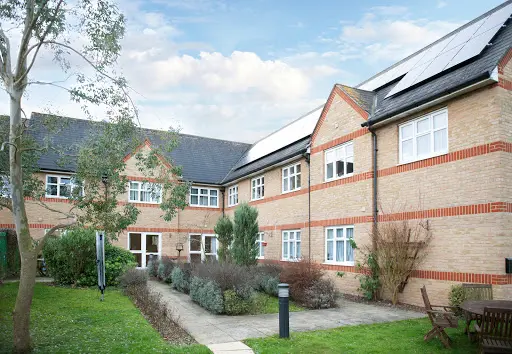
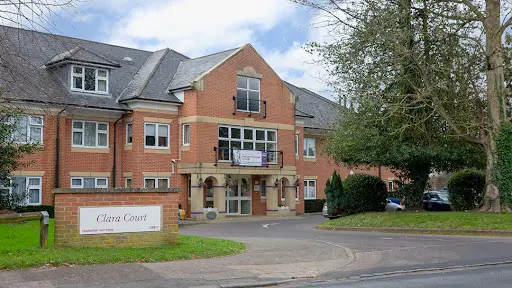
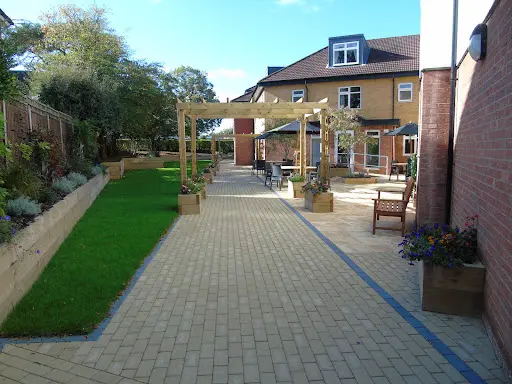
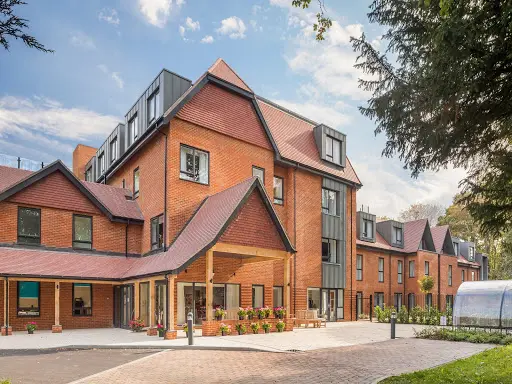
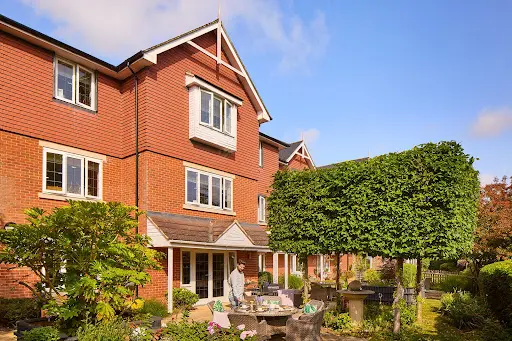
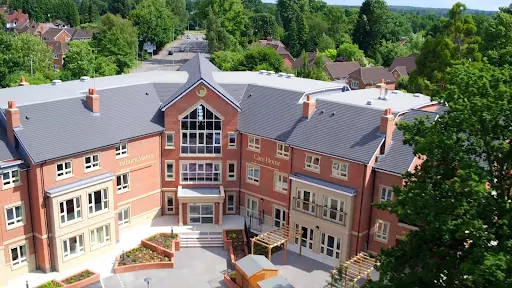
The kitchen team gets particular praise for superb, creative meals that residents clearly enjoy. The physical environment itself contributes to the positive atmosphere — families describe the setting as attractive and welcoming, creating spaces where residents feel comfortable and at home.
“Sometimes the best recommendation comes from the residents themselves — when they tell their families they're exactly where they want to be.”
DCC does not edit or curate content in this tab. For independently curated information, see The Evidence and DCC Verdict.