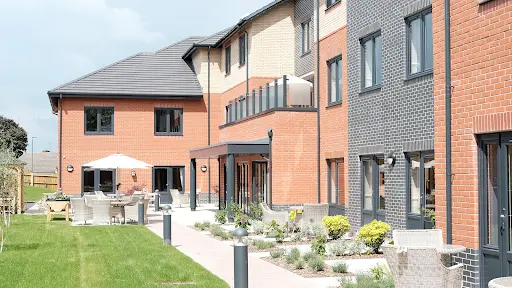
OSJCT Monkscroft Care Centre

At a Glance
The information you need to decide whether this home warrants a closer look.
Nursing homes
Staff warmth score
of reviewers answered yes
Good to know
- Registered beds80
- SpecialismsCaring for adults over 65 yrs, Caring for adults under 65 yrs, Dementia, Physical disabilities, Sensory impairment
- Last inspected2018-07-05
Save OSJCT Monkscroft Care Centre to your shortlist
Keep a running list, add visit notes, and compare homes side-by-side. Free account — it takes a minute.
STAGE 4 — RESEARCHING CARE HOMES
Visit homes. Compare them side by side. Choose with confidence.
Most of us will view care homes the way we view houses, impression, atmosphere, the feeling in the corridor. We go home, try to remember what we saw, and make a permanent decision from a blurred memory.

The DCC shortlist gives every home you visit a structured record: the same twelve questions, answered the same way, every time. When you’re ready to choose, pull any two homes side by side and compare them directly. Same criteria, same evidence, your notes and your scores.
The Evidence
What the review data, the inspection reports, and the dementia-care evidence base tell us about this home.
What families say
Families describe a place where visiting feels natural and relaxed. People mention unrestricted visiting hours and how they're encouraged to bring pets to see their relatives. The atmosphere strikes visitors as friendly rather than clinical, with staff across different departments taking time to connect with both residents and their families.
The eight family priority themes
- Staff warmth85
- Compassion & dignity90
- Cleanliness70
- Activities & engagement82
- Food quality60
- Healthcare72
- Management & leadership72
- Resident happiness82
What inspectors found
Inspected 2018-07-05
Is this home safe?
Is the care effective?
The Effective domain was rated Good in May 2018. This covers whether staff have the right training, whether care plans are thorough and up to date, and whether the home manages health needs well, including GP access, medicines reviews, and nutritional support. The home lists dementia as a specialism, which means inspectors would have expected to see evidence of dementia-specific training and adapted approaches. The published summary does not describe specific training programmes, care plan review cycles, or how the home involves families in health decisions. Food quality, which falls partly under Effective, is not described in the available text.Is this home caring?
The Caring domain was rated Outstanding in May 2018, the highest possible rating. This is a significant finding. Inspectors award Outstanding in Caring only when they observe or hear consistent, specific evidence of staff going beyond expected standards in how they treat the people in their care. This typically includes staff knowing residents as individuals, using preferred names, moving at the resident's pace, and responding to distress with patience and skill. The home supports people with dementia, physical disabilities, and sensory impairments, all of which require particularly thoughtful, adapted approaches to dignity and communication. The published summary does not reproduce the specific observations or quotes that supported this rating, but the rating itself is a strong marker.Is the home responsive?
The Responsive domain was rated Outstanding in May 2018, meaning inspectors found strong specific evidence that the home adapts meaningfully to individual needs, preferences, and life histories. For a home supporting people with dementia, this typically covers personalised activity programmes, individual engagement for those who cannot join groups, meaningful occupation linked to a person's background and interests, and thoughtful end-of-life support. The home supports a broad range of needs including physical disabilities and sensory impairments, which places additional demands on how the home tailors its response. The published summary does not reproduce the specific activities, care stories, or processes that supported this rating.Is the home well-led?
The Well-led domain was rated Good in May 2018. The home has a named registered manager and a nominated individual on record. A Good Well-led rating indicates that governance systems are functional, that the manager is known to staff and residents, and that the home has processes for monitoring quality and acting on concerns. The published summary does not describe leadership style, manager tenure at the time of inspection, or how staff are supported to raise concerns. The inspection was carried out more than six years ago, and leadership stability is one of the strongest predictors of sustained quality in a care home.
Source: CQC inspection report →
What the evidence base says
The home provides specialist support for physical disabilities, including complex rehabilitation needs and appropriate mobility equipment. They care for both younger and older adults, with experience supporting people through post-trauma recovery alongside more traditional care needs. Monkscroft has dedicated dementia facilities, though some aspects of specialist dementia care have faced scrutiny. The home works with families whose relatives have varying stages of dementia, from early diagnosis through to advanced needs. All areas worth probing directly during a visit.
The DCC Verdict
Our editorial view, built from the three lenses: what families tell us, what inspectors record, and how the home sits against good dementia-care practice.
DCC Family Score
Monkscroft Care Centre earned an Overall Outstanding rating, with particular strength in how staff treat your parent and how well the home responds to individual needs. Scores reflect the Outstanding ratings in Caring and Responsive, tempered by the fact that the inspection is now over six years old and some areas lack specific published detail.
Homes in South West typically score 68–82.The three-lens summary
What families tell us
Families describe a place where visiting feels natural and relaxed. People mention unrestricted visiting hours and how they're encouraged to bring pets to see their relatives. The atmosphere strikes visitors as friendly rather than clinical, with staff across different departments taking time to connect with both residents and their families.
What inspectors have recorded
The staff approach end-of-life care with particular sensitivity, supporting families through difficult times while maintaining residents' dignity. Most team members bring warmth to their work, though families have raised some concerns about consistency in dementia care standards and record-keeping that the home has needed to address.
How it sits against good practice
For families weighing up care options in Cheltenham, visiting Monkscroft offers the clearest sense of whether it might suit their relative's specific needs.
Worth a visit
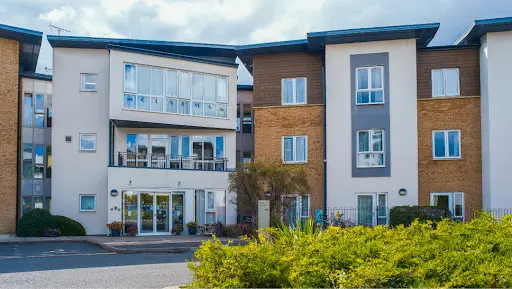
Monkscroft Care Centre on Shelley Road in Cheltenham was rated Overall Outstanding at its last inspection in May 2018, having previously been rated Good. The home, run by The Orders of St. John Care Trust, supports up to 80 people including those living with dementia, physical disabilities, and sensory impairments. Inspectors awarded Outstanding in both Caring and Responsive, the two domains that matter most to families, and Good across Safe, Effective, and Well-led. This is a genuinely strong result: fewer than five percent of care homes in England have ever achieved an Overall Outstanding rating. The most important caveat is that this inspection took place in May 2018, more than six years ago. A review in July 2023 found no reason to change the rating based on available data, but that is not the same as a fresh inspection. Staff, managers, and ownership structures can all change significantly over six years. Before making a decision, ask to meet the current registered manager, request to see the most recent internal quality audit or survey results, and spend time in the home during a busy period such as a mealtime or mid-morning activity session. The Outstanding foundations are real, but you will want to confirm they are still reflected in day-to-day life for the people who live there now.
The three questions to ask when you visitSave this home. Compare it against your shortlist.
Let our analysis show you how OSJCT Monkscroft Care Centre measures up against the other homes you’re considering. Free account.
In Their Own Words
How OSJCT Monkscroft Care Centre describes itself — collected from its own website. DCC has not edited or independently verified the content in this tab.
Where kindness meets clinical care in the heart of Cheltenham
Monkscroft Care Centre – Your Trusted nursing home
When families visit Monkscroft Care Centre in Cheltenham, they often notice the warmth first — staff who stop to chat, residents enjoying the garden, that sense of genuine welcome. This specialist care home supports people with dementia, physical disabilities and sensory impairments, including younger adults who need rehabilitation alongside traditional care.
Who they care for
The home provides specialist support for physical disabilities, including complex rehabilitation needs and appropriate mobility equipment. They care for both younger and older adults, with experience supporting people through post-trauma recovery alongside more traditional care needs.
Monkscroft has dedicated dementia facilities, though some aspects of specialist dementia care have faced scrutiny. The home works with families whose relatives have varying stages of dementia, from early diagnosis through to advanced needs.
“For families weighing up care options in Cheltenham, visiting Monkscroft offers the clearest sense of whether it might suit their relative's specific needs.”
DCC does not edit or curate content in this tab. For independently curated information, see The Evidence and DCC Verdict.
The DCC Verdict
Our editorial view, built from the three lenses: what families tell us, what inspectors record, and how the home sits against good dementia-care practice.
DCC Family Score
Monkscroft Care Centre earned an Overall Outstanding rating, with particular strength in how staff treat your parent and how well the home responds to individual needs. Scores reflect the Outstanding ratings in Caring and Responsive, tempered by the fact that the inspection is now over six years old and some areas lack specific published detail.
Homes in South West typically score 68–82.The three-lens summary
What families tell us
Families describe a place where visiting feels natural and relaxed. People mention unrestricted visiting hours and how they're encouraged to bring pets to see their relatives. The atmosphere strikes visitors as friendly rather than clinical, with staff across different departments taking time to connect with both residents and their families.
What inspectors have recorded
The staff approach end-of-life care with particular sensitivity, supporting families through difficult times while maintaining residents' dignity. Most team members bring warmth to their work, though families have raised some concerns about consistency in dementia care standards and record-keeping that the home has needed to address.
How it sits against good practice
For families weighing up care options in Cheltenham, visiting Monkscroft offers the clearest sense of whether it might suit their relative's specific needs.
Worth a visit
Monkscroft Care Centre on Shelley Road in Cheltenham was rated Overall Outstanding at its last inspection in May 2018, having previously been rated Good. The home, run by The Orders of St. John Care Trust, supports up to 80 people including those living with dementia, physical disabilities, and sensory impairments. Inspectors awarded Outstanding in both Caring and Responsive, the two domains that matter most to families, and Good across Safe, Effective, and Well-led. This is a genuinely strong result: fewer than five percent of care homes in England have ever achieved an Overall Outstanding rating. The most important caveat is that this inspection took place in May 2018, more than six years ago. A review in July 2023 found no reason to change the rating based on available data, but that is not the same as a fresh inspection. Staff, managers, and ownership structures can all change significantly over six years. Before making a decision, ask to meet the current registered manager, request to see the most recent internal quality audit or survey results, and spend time in the home during a busy period such as a mealtime or mid-morning activity session. The Outstanding foundations are real, but you will want to confirm they are still reflected in day-to-day life for the people who live there now.
The three questions to ask when you visitSave this home. Compare it against your shortlist.
Let our analysis show you how OSJCT Monkscroft Care Centre measures up against the other homes you’re considering. Free account.
In Their Own Words
How OSJCT Monkscroft Care Centre describes itself — collected from its own website. DCC has not edited or independently verified the content in this tab.
Where kindness meets clinical care in the heart of Cheltenham
Monkscroft Care Centre – Your Trusted nursing home
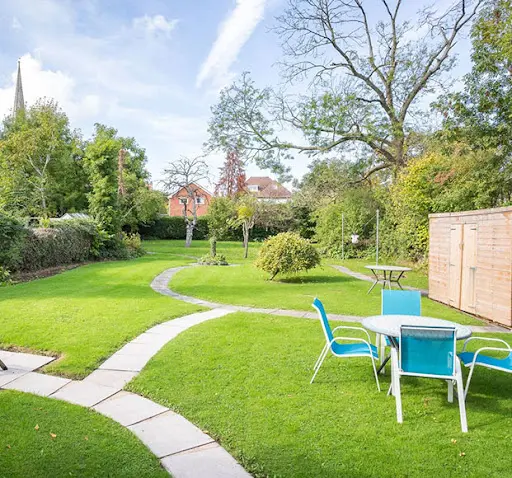
When families visit Monkscroft Care Centre in Cheltenham, they often notice the warmth first — staff who stop to chat, residents enjoying the garden, that sense of genuine welcome. This specialist care home supports people with dementia, physical disabilities and sensory impairments, including younger adults who need rehabilitation alongside traditional care.
Who they care for
The home provides specialist support for physical disabilities, including complex rehabilitation needs and appropriate mobility equipment. They care for both younger and older adults, with experience supporting people through post-trauma recovery alongside more traditional care needs.
Monkscroft has dedicated dementia facilities, though some aspects of specialist dementia care have faced scrutiny. The home works with families whose relatives have varying stages of dementia, from early diagnosis through to advanced needs.
Management & ethos
The staff approach end-of-life care with particular sensitivity, supporting families through difficult times while maintaining residents' dignity. Most team members bring warmth to their work, though families have raised some concerns about consistency in dementia care standards and record-keeping that the home has needed to address.
The home & environment
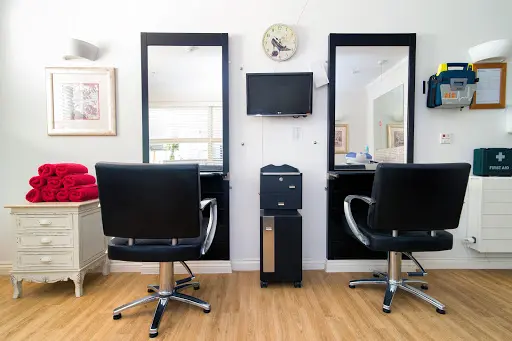
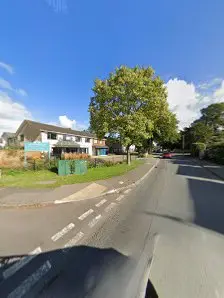
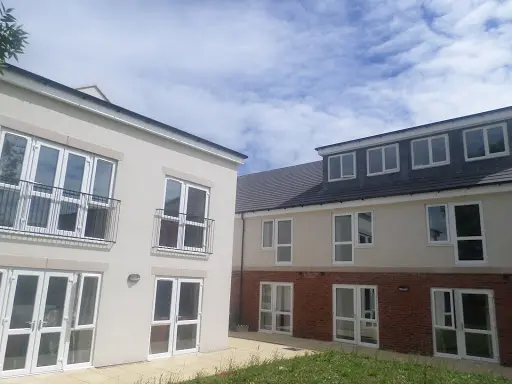
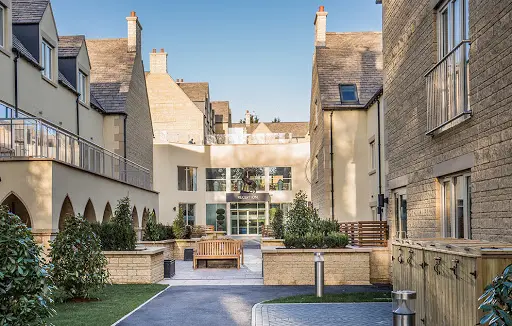
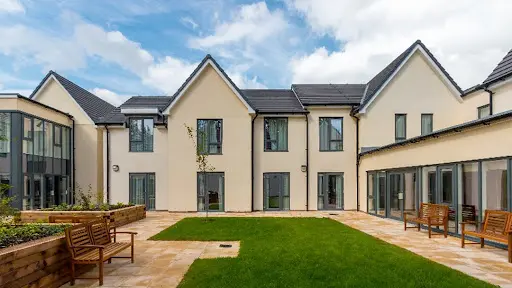
The home keeps its spaces notably clean and well-maintained, something visitors consistently notice. Residents can choose from home-cooked meals and spend time in the gardens when weather permits. The building includes ensuite rooms and comfortable areas where families can visit privately.
“For families weighing up care options in Cheltenham, visiting Monkscroft offers the clearest sense of whether it might suit their relative's specific needs.”
DCC does not edit or curate content in this tab. For independently curated information, see The Evidence and DCC Verdict.