George Hythe House – Care Home Leicester

At a Glance
The information you need to decide whether this home warrants a closer look.
Residential homes
Staff warmth score
of reviewers answered yes
Good to know
- Registered beds43
- SpecialismsCaring for adults over 65 yrs, Caring for adults under 65 yrs, Dementia, Learning disabilities, Mental health conditions, Physical disabilities
- Last inspected2022-05-25
Save George Hythe House – Care Home Leicester to your shortlist
Keep a running list, add visit notes, and compare homes side-by-side. Free account — it takes a minute.
STAGE 4 — RESEARCHING CARE HOMES
Visit homes. Compare them side by side. Choose with confidence.
Most of us will view care homes the way we view houses, impression, atmosphere, the feeling in the corridor. We go home, try to remember what we saw, and make a permanent decision from a blurred memory.

The DCC shortlist gives every home you visit a structured record: the same twelve questions, answered the same way, every time. When you’re ready to choose, pull any two homes side by side and compare them directly. Same criteria, same evidence, your notes and your scores.
The Evidence
What the review data, the inspection reports, and the dementia-care evidence base tell us about this home.
What families say
Families describe finding their relatives engaged in everything from swimming trips to silent discos. The calendar stays full with activities that get people moving and socialising — whether that's an outing to the zoo or the hairdresser visiting on-site. What stands out is how celebrations here reflect the diverse community, with festivals and special days marked in ways that honour different traditions.
The eight family priority themes
- Staff warmth72
- Compassion & dignity72
- Cleanliness70
- Activities & engagement68
- Food quality68
- Healthcare70
- Management & leadership72
- Resident happiness70
What inspectors found
Inspected 2022-05-25
Is this home safe?
Is the care effective?
The Effective domain was rated Good at the October 2024 assessment. Effective covers whether staff have the right training, whether care plans are kept up to date, whether healthcare needs such as GP access and medicines are well managed, and whether food and nutrition are properly addressed. The published inspection text available here does not include specific detail on any of these areas. The rating is positive, but the evidence base behind it is not described in the available findings.Is this home caring?
The Caring domain was rated Good at the October 2024 assessment. Caring covers how staff treat residents: whether they are warm and respectful, whether people are addressed by their preferred names, whether privacy is maintained, and whether residents are supported to remain as independent as possible. The published text available here does not include inspector observations of staff interactions, resident accounts of how they are treated, or specific examples of dignity being upheld.Is the home responsive?
The Responsive domain was rated Good at the October 2024 assessment. Responsive covers whether residents have a life here: whether activities are varied and meaningful, whether individual preferences are acted upon, and whether end-of-life care is planned and compassionate. The available inspection text does not describe the activity programme, whether one-to-one engagement is offered, or how the home responds to complaints and changing needs.Is the home well-led?
The Well-led domain was rated Good at the October 2024 assessment. This is particularly significant given the home's recent history: it previously held an Inadequate overall rating, and improvement to Good across all domains requires sustained leadership effort. The registered manager is named as Miss Vicky Louise Lyons, with Mrs Rachel Maria Delicata as the nominated individual. The available text does not describe management visibility, staff culture, governance systems, or how the home responds to feedback and incidents.
Source: CQC inspection report →
What the evidence base says
George Hythe House supports adults of all ages living with dementia, learning disabilities, mental health conditions and physical disabilities. For residents with dementia, the varied activity programme helps maintain engagement and connection. The team's understanding of individual needs means they can adapt their approach as someone's condition changes. All areas worth probing directly during a visit.
The DCC Verdict
Our editorial view, built from the three lenses: what families tell us, what inspectors record, and how the home sits against good dementia-care practice.
DCC Family Score
George Hythe House has moved from Inadequate to Good across all five domains at its most recent assessment, which is a meaningful improvement. However, the published inspection report contains very limited specific detail, so scores reflect general positive findings rather than strong direct evidence.
Homes in East Midlands typically score 68–82.The three-lens summary
What families tell us
Families describe finding their relatives engaged in everything from swimming trips to silent discos. The calendar stays full with activities that get people moving and socialising — whether that's an outing to the zoo or the hairdresser visiting on-site. What stands out is how celebrations here reflect the diverse community, with festivals and special days marked in ways that honour different traditions.
What inspectors have recorded
Staff here take time to really know each resident, adjusting support to match what works for that person rather than following a one-size-fits-all approach. Families appreciate getting regular updates about their loved ones, and finding staff who stop to chat when they visit. When residents reach the end of their lives, the team provides gentle care while keeping families closely informed.
How it sits against good practice
It's the mix of cultures and generations that gives this Leicester home its distinctive character — a place where diversity isn't just accepted but celebrated.
Worth a visit
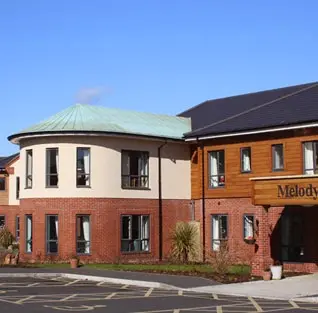
George Hythe House, on Croft Road in Leicester, was rated Good at its most recent assessment in October 2024, with that report published in March 2025. This is a significant improvement from a previous Inadequate rating, and inspectors awarded Good across all five domains: Safe, Effective, Caring, Responsive, and Well-led. The home is registered for 43 beds and supports a wide range of needs including dementia, mental health conditions, learning disabilities, and physical disabilities. The main limitation for families reading this report is that the published inspection text available for this assessment contains very limited specific detail. There are no direct inspector observations, resident or relative quotes, or descriptions of day-to-day life recorded in the findings available here. The Good rating is encouraging and the upward trajectory from Inadequate is meaningful, but you should not rely on that rating alone. When you visit, ask to see the most recent full inspection report, ask about night staffing numbers, agency staff use, and how the team supports residents with dementia specifically.
The three questions to ask when you visitSave this home. Compare it against your shortlist.
Let our analysis show you how George Hythe House – Care Home Leicester measures up against the other homes you’re considering. Free account.
In Their Own Words
How George Hythe House – Care Home Leicester describes itself — collected from its own website. DCC has not edited or independently verified the content in this tab.
Where different cultures celebrate together under one caring roof
George Hythe House – Expert Care in Leicester
Step through the doors of George Hythe House in Leicester and you'll find residents heading out to the cinema one day, gathering for a festival celebration the next. This care home has built its reputation on bringing together people from all walks of life, creating a community where everyone's background and beliefs are woven into daily life.
Who they care for
George Hythe House supports adults of all ages living with dementia, learning disabilities, mental health conditions and physical disabilities.
For residents with dementia, the varied activity programme helps maintain engagement and connection. The team's understanding of individual needs means they can adapt their approach as someone's condition changes.
“It's the mix of cultures and generations that gives this Leicester home its distinctive character — a place where diversity isn't just accepted but celebrated.”
DCC does not edit or curate content in this tab. For independently curated information, see The Evidence and DCC Verdict.
The DCC Verdict
Our editorial view, built from the three lenses: what families tell us, what inspectors record, and how the home sits against good dementia-care practice.
DCC Family Score
George Hythe House has moved from Inadequate to Good across all five domains at its most recent assessment, which is a meaningful improvement. However, the published inspection report contains very limited specific detail, so scores reflect general positive findings rather than strong direct evidence.
Homes in East Midlands typically score 68–82.The three-lens summary
What families tell us
Families describe finding their relatives engaged in everything from swimming trips to silent discos. The calendar stays full with activities that get people moving and socialising — whether that's an outing to the zoo or the hairdresser visiting on-site. What stands out is how celebrations here reflect the diverse community, with festivals and special days marked in ways that honour different traditions.
What inspectors have recorded
Staff here take time to really know each resident, adjusting support to match what works for that person rather than following a one-size-fits-all approach. Families appreciate getting regular updates about their loved ones, and finding staff who stop to chat when they visit. When residents reach the end of their lives, the team provides gentle care while keeping families closely informed.
How it sits against good practice
It's the mix of cultures and generations that gives this Leicester home its distinctive character — a place where diversity isn't just accepted but celebrated.
Worth a visit
George Hythe House, on Croft Road in Leicester, was rated Good at its most recent assessment in October 2024, with that report published in March 2025. This is a significant improvement from a previous Inadequate rating, and inspectors awarded Good across all five domains: Safe, Effective, Caring, Responsive, and Well-led. The home is registered for 43 beds and supports a wide range of needs including dementia, mental health conditions, learning disabilities, and physical disabilities. The main limitation for families reading this report is that the published inspection text available for this assessment contains very limited specific detail. There are no direct inspector observations, resident or relative quotes, or descriptions of day-to-day life recorded in the findings available here. The Good rating is encouraging and the upward trajectory from Inadequate is meaningful, but you should not rely on that rating alone. When you visit, ask to see the most recent full inspection report, ask about night staffing numbers, agency staff use, and how the team supports residents with dementia specifically.
The three questions to ask when you visitSave this home. Compare it against your shortlist.
Let our analysis show you how George Hythe House – Care Home Leicester measures up against the other homes you’re considering. Free account.
In Their Own Words
How George Hythe House – Care Home Leicester describes itself — collected from its own website. DCC has not edited or independently verified the content in this tab.
Where different cultures celebrate together under one caring roof
George Hythe House – Expert Care in Leicester
Step through the doors of George Hythe House in Leicester and you'll find residents heading out to the cinema one day, gathering for a festival celebration the next. This care home has built its reputation on bringing together people from all walks of life, creating a community where everyone's background and beliefs are woven into daily life.
Who they care for
George Hythe House supports adults of all ages living with dementia, learning disabilities, mental health conditions and physical disabilities.
For residents with dementia, the varied activity programme helps maintain engagement and connection. The team's understanding of individual needs means they can adapt their approach as someone's condition changes.
Management & ethos
Staff here take time to really know each resident, adjusting support to match what works for that person rather than following a one-size-fits-all approach. Families appreciate getting regular updates about their loved ones, and finding staff who stop to chat when they visit. When residents reach the end of their lives, the team provides gentle care while keeping families closely informed.
The home & environment
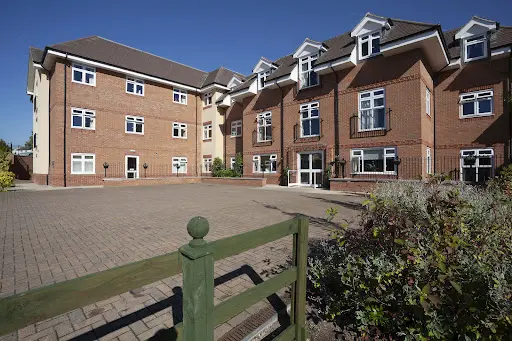
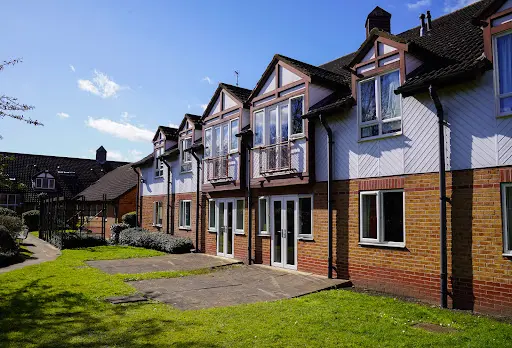
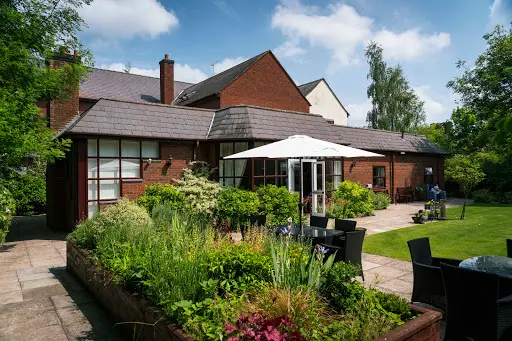
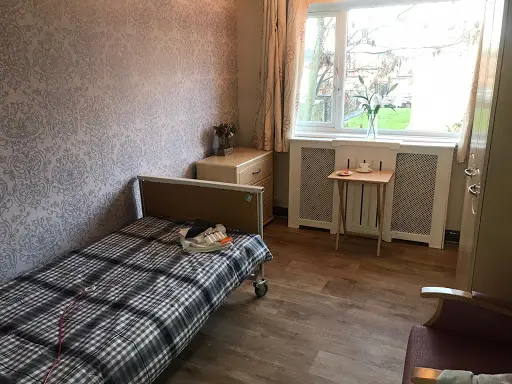
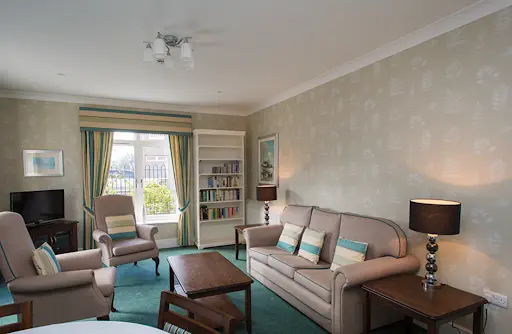
The home maintains clean, comfortable spaces throughout, with families consistently noting the pleasant atmosphere when they visit. Meals are prepared with individual dietary needs and cultural preferences in mind — whether someone needs softer textures or follows specific religious requirements, the kitchen adapts.
“It's the mix of cultures and generations that gives this Leicester home its distinctive character — a place where diversity isn't just accepted but celebrated.”
DCC does not edit or curate content in this tab. For independently curated information, see The Evidence and DCC Verdict.