Barchester – Cherry Trees Care Home
At a Glance
The information you need to decide whether this home warrants a closer look.
Nursing homes
Staff warmth score
of reviewers answered yes
Good to know
- Registered beds81
- SpecialismsCaring for adults over 65 yrs, Caring for adults under 65 yrs, Dementia, Physical disabilities
- Last inspected2021-09-11
Save Barchester – Cherry Trees Care Home to your shortlist
Keep a running list, add visit notes, and compare homes side-by-side. Free account — it takes a minute.
STAGE 4 — RESEARCHING CARE HOMES
Visit homes. Compare them side by side. Choose with confidence.
Most of us will view care homes the way we view houses, impression, atmosphere, the feeling in the corridor. We go home, try to remember what we saw, and make a permanent decision from a blurred memory.

The DCC shortlist gives every home you visit a structured record: the same twelve questions, answered the same way, every time. When you’re ready to choose, pull any two homes side by side and compare them directly. Same criteria, same evidence, your notes and your scores.
The Evidence
What the review data, the inspection reports, and the dementia-care evidence base tell us about this home.
What families say
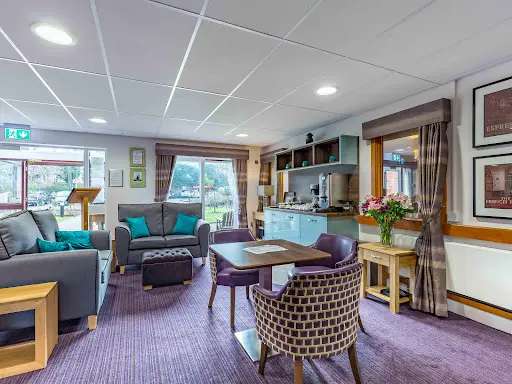
Families consistently describe a welcoming atmosphere where residents genuinely want to spend time in the communal areas. The daily mix of games, music sessions, poetry readings and exercise classes means there's always something happening. What strikes visitors most is how staff remember the little things — which residents prefer quieter activities, who loves a singalong, and when someone just needs a friendly chat.
The eight family priority themes
- Staff warmth72
- Compassion & dignity72
- Cleanliness70
- Activities & engagement60
- Food quality60
- Healthcare70
- Management & leadership75
- Resident happiness70
What inspectors found
Inspected 2021-09-11
Is this home safe?
Is the care effective?
Effective was rated Good, covering training, care planning, healthcare access, and nutrition. Cherry Trees lists dementia as a specialism, which means inspectors would have looked at whether staff have appropriate dementia-specific training and whether care plans reflect individual needs. The published summary does not provide specific examples of how care plans are written, reviewed, or shared with families. Similarly, there is no specific detail about GP access frequency, medication review processes, or how dietary needs are assessed.Is this home caring?
Caring was rated Good, which covers staff warmth, dignity, respect, and support for independence. For a home supporting people with dementia and physical disabilities, the Caring domain is particularly significant because residents may not always be able to speak for themselves if something is wrong. The published summary includes no direct quotes from residents or relatives, and no specific inspector observations of staff interactions. The improvement from Requires Improvement to Good across the whole inspection suggests that concerns about care quality identified previously were addressed.Is the home responsive?
Responsive was rated Good, covering activities, engagement, individuality, and end-of-life care. For people living with dementia, responsiveness means the home adapts to the person rather than expecting the person to fit the home's routine. The published summary provides no specific information about the activities programme, how one-to-one engagement is provided for people who cannot join groups, or how end-of-life wishes are recorded and honoured. The specialism in dementia suggests the home should have considered approaches for people at different stages of the condition.Is the home well-led?
Well-led was rated Good, which is significant because this domain was almost certainly a factor in the previous Requires Improvement rating. The inspection names a registered manager (Mrs Deborah Louise Osborne) and a nominated individual (Mr Dominic Jude Kay) from Barchester Healthcare Homes Limited, which is a large national provider. A Good Well-led rating indicates inspectors were satisfied that governance, accountability, and culture were functioning appropriately at the time of inspection. No specific detail is provided about how the manager supports staff, how feedback is gathered from residents and families, or how the home handles complaints.
Source: CQC inspection report →
What the evidence base says
The home cares for adults both under and over 65, including those with physical disabilities. Their dementia care forms a core part of what they do. Families report seeing genuine improvements in their relatives with advanced dementia — from increased engagement in activities to more stable behavior patterns. The team appears to understand that dementia care goes beyond meeting physical needs, focusing on maintaining connections and finding ways to reach each resident. All areas worth probing directly during a visit.
The DCC Verdict
Our editorial view, built from the three lenses: what families tell us, what inspectors record, and how the home sits against good dementia-care practice.
DCC Family Score
Cherry Trees scored 72 out of 100. The home achieved a Good rating across all five inspection domains after previously requiring improvement, which is an encouraging trajectory, but the published inspection text contains limited specific detail to push scores higher with confidence.
Homes in West Midlands typically score 68–82.The three-lens summary
What families tell us
Families consistently describe a welcoming atmosphere where residents genuinely want to spend time in the communal areas. The daily mix of games, music sessions, poetry readings and exercise classes means there's always something happening. What strikes visitors most is how staff remember the little things — which residents prefer quieter activities, who loves a singalong, and when someone just needs a friendly chat.
What inspectors have recorded
The management team takes an open-door approach that families clearly appreciate. Rather than keeping relatives at arm's length, they're brought into conversations about care decisions and treated as partners in their loved one's journey. Staff consistency means residents build real relationships with their carers, while the attentive approach ensures individual needs don't get lost in daily routines.
How it sits against good practice
Sometimes the right care home is the one where your loved one doesn't just exist, but actually lives.
Worth a visit
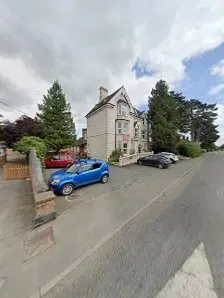
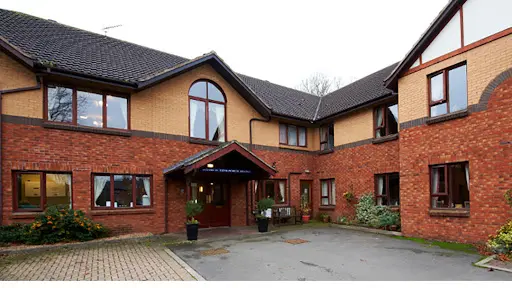
Cherry Trees, on Stratford Road in Alcester, was rated Good across all five inspection domains at its last inspection in August 2021. That result followed a previous rating of Requires Improvement, which means inspectors found meaningful progress in safety, care quality, and leadership. The home is run by Barchester Healthcare Homes Limited and has 81 beds, supporting people over and under 65 with dementia and physical disabilities. A July 2023 review of available data found no reason to change the rating. The main limitation here is that the published inspection summary is brief and contains very little specific detail: no direct observations of staff interactions, no quotes from residents or relatives, and no specifics on staffing ratios, activities, food, or the environment. A Good rating across all domains is a positive sign, particularly given the improvement from the previous inspection, but it tells you less than a full narrative report would. When you visit, ask to see the staffing rota for a typical week (including overnight shifts), check how many shifts were covered by agency staff last month, and watch how staff interact with residents in corridors and communal areas when they do not know they are being observed.
The three questions to ask when you visitSave this home. Compare it against your shortlist.
Let our analysis show you how Barchester – Cherry Trees Care Home measures up against the other homes you’re considering. Free account.
In Their Own Words
How Barchester – Cherry Trees Care Home describes itself — collected from its own website. DCC has not edited or independently verified the content in this tab.
Where daily activities and genuine warmth create moments of real connection
Cherry Trees – Expert Care in Alcester
For families searching for dementia care that truly understands their loved one's needs, Cherry Trees in Alcester offers something special. This West Midlands care home has built its reputation on keeping residents engaged through daily activities while maintaining the personal touch that makes all the difference. Whether caring for those over 65 or supporting younger adults with physical disabilities, the team here seems to grasp what really matters.
Who they care for
The home cares for adults both under and over 65, including those with physical disabilities. Their dementia care forms a core part of what they do.
Families report seeing genuine improvements in their relatives with advanced dementia — from increased engagement in activities to more stable behavior patterns. The team appears to understand that dementia care goes beyond meeting physical needs, focusing on maintaining connections and finding ways to reach each resident.
“Sometimes the right care home is the one where your loved one doesn't just exist, but actually lives.”
DCC does not edit or curate content in this tab. For independently curated information, see The Evidence and DCC Verdict.
The DCC Verdict
Our editorial view, built from the three lenses: what families tell us, what inspectors record, and how the home sits against good dementia-care practice.
DCC Family Score
Cherry Trees scored 72 out of 100. The home achieved a Good rating across all five inspection domains after previously requiring improvement, which is an encouraging trajectory, but the published inspection text contains limited specific detail to push scores higher with confidence.
Homes in West Midlands typically score 68–82.The three-lens summary
What families tell us
Families consistently describe a welcoming atmosphere where residents genuinely want to spend time in the communal areas. The daily mix of games, music sessions, poetry readings and exercise classes means there's always something happening. What strikes visitors most is how staff remember the little things — which residents prefer quieter activities, who loves a singalong, and when someone just needs a friendly chat.
What inspectors have recorded
The management team takes an open-door approach that families clearly appreciate. Rather than keeping relatives at arm's length, they're brought into conversations about care decisions and treated as partners in their loved one's journey. Staff consistency means residents build real relationships with their carers, while the attentive approach ensures individual needs don't get lost in daily routines.
How it sits against good practice
Sometimes the right care home is the one where your loved one doesn't just exist, but actually lives.
Worth a visit
Cherry Trees, on Stratford Road in Alcester, was rated Good across all five inspection domains at its last inspection in August 2021. That result followed a previous rating of Requires Improvement, which means inspectors found meaningful progress in safety, care quality, and leadership. The home is run by Barchester Healthcare Homes Limited and has 81 beds, supporting people over and under 65 with dementia and physical disabilities. A July 2023 review of available data found no reason to change the rating. The main limitation here is that the published inspection summary is brief and contains very little specific detail: no direct observations of staff interactions, no quotes from residents or relatives, and no specifics on staffing ratios, activities, food, or the environment. A Good rating across all domains is a positive sign, particularly given the improvement from the previous inspection, but it tells you less than a full narrative report would. When you visit, ask to see the staffing rota for a typical week (including overnight shifts), check how many shifts were covered by agency staff last month, and watch how staff interact with residents in corridors and communal areas when they do not know they are being observed.
The three questions to ask when you visitSave this home. Compare it against your shortlist.
Let our analysis show you how Barchester – Cherry Trees Care Home measures up against the other homes you’re considering. Free account.
In Their Own Words
How Barchester – Cherry Trees Care Home describes itself — collected from its own website. DCC has not edited or independently verified the content in this tab.
Where daily activities and genuine warmth create moments of real connection
Cherry Trees – Expert Care in Alcester
For families searching for dementia care that truly understands their loved one's needs, Cherry Trees in Alcester offers something special. This West Midlands care home has built its reputation on keeping residents engaged through daily activities while maintaining the personal touch that makes all the difference. Whether caring for those over 65 or supporting younger adults with physical disabilities, the team here seems to grasp what really matters.
Who they care for
The home cares for adults both under and over 65, including those with physical disabilities. Their dementia care forms a core part of what they do.
Families report seeing genuine improvements in their relatives with advanced dementia — from increased engagement in activities to more stable behavior patterns. The team appears to understand that dementia care goes beyond meeting physical needs, focusing on maintaining connections and finding ways to reach each resident.
Management & ethos
The management team takes an open-door approach that families clearly appreciate. Rather than keeping relatives at arm's length, they're brought into conversations about care decisions and treated as partners in their loved one's journey. Staff consistency means residents build real relationships with their carers, while the attentive approach ensures individual needs don't get lost in daily routines.
The home & environment
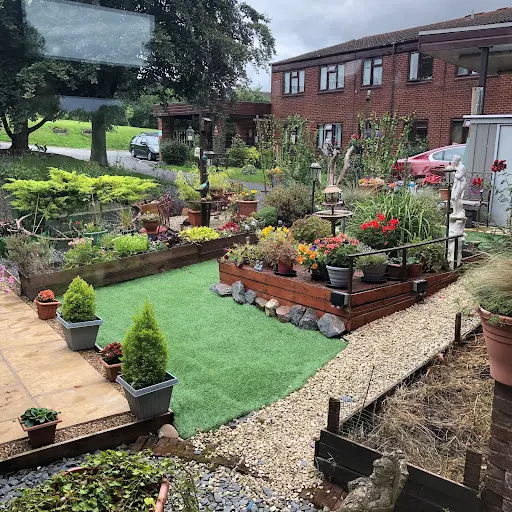
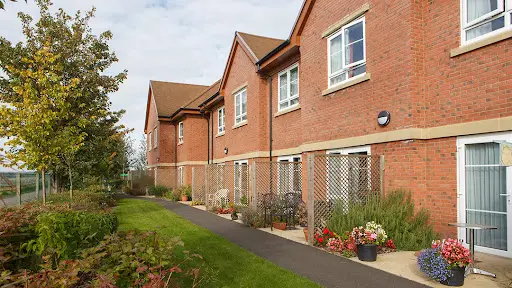
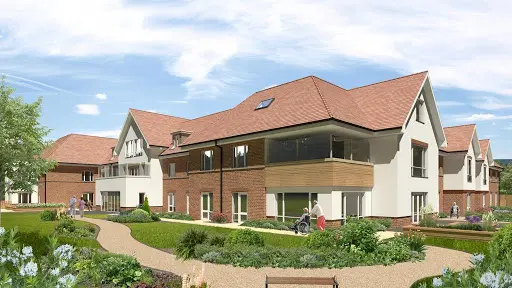
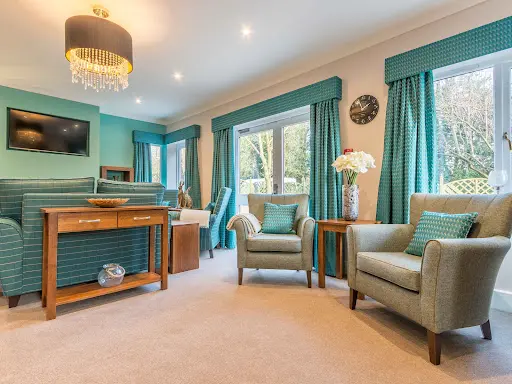
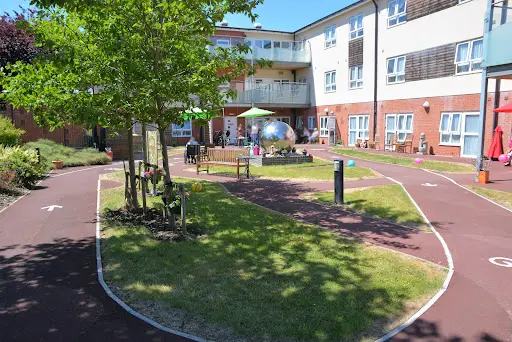
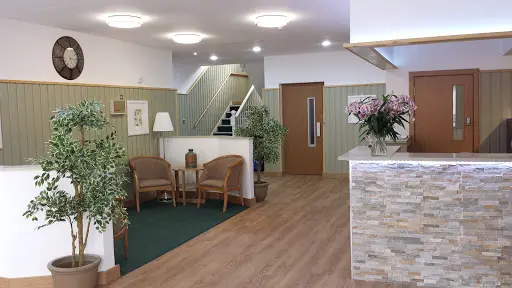
The home maintains clean, comfortable spaces throughout, with pleasant gardens and a courtyard that residents enjoy when weather permits. Meals receive particular praise, with families noting how appetizing the food looks and how much their relatives enjoy mealtimes. The communal areas feel lived-in rather than clinical, encouraging residents to treat them as extensions of their own space.
“Sometimes the right care home is the one where your loved one doesn't just exist, but actually lives.”
DCC does not edit or curate content in this tab. For independently curated information, see The Evidence and DCC Verdict.