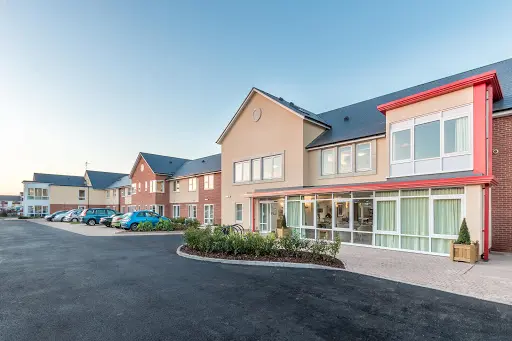
Barchester – Park View Care Home
At a Glance
The information you need to decide whether this home warrants a closer look.
Nursing homes
Staff warmth score
of reviewers answered yes
Good to know
- Registered beds108
- SpecialismsCaring for adults over 65 yrs, Caring for adults under 65 yrs, Dementia
- Last inspected2018-08-31
Save Barchester – Park View Care Home to your shortlist
Keep a running list, add visit notes, and compare homes side-by-side. Free account — it takes a minute.
STAGE 4 — RESEARCHING CARE HOMES
Visit homes. Compare them side by side. Choose with confidence.
Most of us will view care homes the way we view houses, impression, atmosphere, the feeling in the corridor. We go home, try to remember what we saw, and make a permanent decision from a blurred memory.

The DCC shortlist gives every home you visit a structured record: the same twelve questions, answered the same way, every time. When you’re ready to choose, pull any two homes side by side and compare them directly. Same criteria, same evidence, your notes and your scores.
The Evidence
What the review data, the inspection reports, and the dementia-care evidence base tell us about this home.
What families say
Families talk about the warm reception they get every time they visit. Staff remember who you are, and they're quick to share updates about how your loved one is doing. There's a real sense of community here — residents join in with activities they enjoy, and the atmosphere feels relaxed and friendly.
The eight family priority themes
- Staff warmth55
- Compassion & dignity55
- Cleanliness55
- Activities & engagement30
- Food quality50
- Healthcare55
- Management & leadership65
- Resident happiness55
What inspectors found
Inspected 2018-08-31
Is this home safe?
Is the care effective?
The Effective domain was rated Good at the July 2018 inspection. This covers training, care planning, healthcare access, nutrition, and whether staff have the skills to meet residents' needs. The home specialises in dementia care, meaning staff should have relevant training. The published inspection text does not include specific detail about training content, care plan quality, GP access arrangements, or food provision beyond the domain rating.Is this home caring?
The Caring domain was rated Good at the July 2018 inspection. This covers how staff interact with residents, whether people are treated with dignity and respect, whether privacy is maintained, and whether residents are supported to be as independent as possible. The published inspection text includes no specific observations, resident quotes, or examples of staff behaviour beyond the domain rating itself.Is the home responsive?
The Responsive domain was rated Requires Improvement at the July 2018 inspection, and this was the only domain that did not reach Good. Responsive covers whether residents have a meaningful daily life, whether activities are tailored to individual needs, whether complaints are handled well, and whether the home responds to residents' preferences and changing needs. The published text does not specify what the inspectors found lacking, which limits what can be reported here. This rating had not changed from the previous inspection in this domain.Is the home well-led?
The Well-led domain was rated Good at the July 2018 inspection. A named registered manager, Mrs Renata Kindereviciene, is recorded, and a nominated individual, Mr Dominic Jude Kay, is listed for the provider, Barchester Healthcare Homes Limited. The improvement from a previous Requires Improvement overall rating to Good suggests the leadership team was able to identify problems and drive improvement. The published inspection text does not include specific observations about management visibility, staff culture, or governance detail beyond the domain rating.
Source: CQC inspection report →
What the evidence base says
Park View cares for adults of all ages, including younger people under 65 who need residential support. The home has experience supporting people living with dementia alongside those who need general residential care. For residents with dementia, the stable staff team means familiar faces every day, which helps people feel more settled. The home's secure entrance system provides safety without making the place feel restrictive. All areas worth probing directly during a visit.
The DCC Verdict
Our editorial view, built from the three lenses: what families tell us, what inspectors record, and how the home sits against good dementia-care practice.
DCC Family Score
Park View scores 68 out of 100, reflecting a home that improved from Requires Improvement to Good overall, but with a persistent Requires Improvement rating for Responsive care that limits confidence in activities and individual engagement. Most themes score in the mid-range because the published inspection text provides very little specific detail beyond domain ratings.
Homes in London typically score 68–82.The three-lens summary
What families tell us
Families talk about the warm reception they get every time they visit. Staff remember who you are, and they're quick to share updates about how your loved one is doing. There's a real sense of community here — residents join in with activities they enjoy, and the atmosphere feels relaxed and friendly.
What inspectors have recorded
Staff here are known for being accessible and responsive. When families have questions or concerns, they get proper answers quickly. The care teams show real flexibility and compassion, particularly when residents need extra support. What's especially reassuring is the low staff turnover — the same faces tend to stick around, which means residents get consistency in their care.
How it sits against good practice
Many families who've experienced other care homes say Park View stands out for all the right reasons. It's the kind of place where good care feels like the norm, not the exception.
Worth a visit
Park View, at 1-2 Morland Road, Dagenham, was rated Good overall at its last inspection in July 2018, having previously been rated Requires Improvement. That improvement matters: it tells you the home identified what was wrong and fixed it. Four of the five inspection domains, Safe, Effective, Caring, and Well-led, are all rated Good. A named registered manager is in post, and the home is operated by Barchester Healthcare Homes Limited, a large national provider with its own quality frameworks. The one area that did not improve is Responsive, which remains at Requires Improvement. This is the domain that covers whether your parent will have a meaningful daily life, including activities, individual engagement, and how well the home responds to personal preferences. The inspection was carried out in July 2018, now nearly seven years ago, and a lot can change in that time. Before deciding, visit in person, ask to see two weeks of actual activity records rather than a planned schedule, and specifically ask what a typical day looks like for a resident who cannot join group sessions.
The three questions to ask when you visitSave this home. Compare it against your shortlist.
Let our analysis show you how Barchester – Park View Care Home measures up against the other homes you’re considering. Free account.
In Their Own Words
How Barchester – Park View Care Home describes itself — collected from its own website. DCC has not edited or independently verified the content in this tab.
Where families find genuine warmth and attentive care
Park View – Your Trusted nursing home
When you visit Park View in Dagenham, you'll quickly understand why so many families feel relieved they found this place. Staff here have a knack for making everyone feel welcome — whether you're a worried relative dropping in or someone considering the home for yourself. The care teams take time to know each resident properly, and it shows in the thoughtful way they go about their work.
Who they care for
Park View cares for adults of all ages, including younger people under 65 who need residential support. The home has experience supporting people living with dementia alongside those who need general residential care.
For residents with dementia, the stable staff team means familiar faces every day, which helps people feel more settled. The home's secure entrance system provides safety without making the place feel restrictive.
“Many families who've experienced other care homes say Park View stands out for all the right reasons. It's the kind of place where good care feels like the norm, not the exception.”
DCC does not edit or curate content in this tab. For independently curated information, see The Evidence and DCC Verdict.
The DCC Verdict
Our editorial view, built from the three lenses: what families tell us, what inspectors record, and how the home sits against good dementia-care practice.
DCC Family Score
Park View scores 68 out of 100, reflecting a home that improved from Requires Improvement to Good overall, but with a persistent Requires Improvement rating for Responsive care that limits confidence in activities and individual engagement. Most themes score in the mid-range because the published inspection text provides very little specific detail beyond domain ratings.
Homes in London typically score 68–82.The three-lens summary
What families tell us
Families talk about the warm reception they get every time they visit. Staff remember who you are, and they're quick to share updates about how your loved one is doing. There's a real sense of community here — residents join in with activities they enjoy, and the atmosphere feels relaxed and friendly.
What inspectors have recorded
Staff here are known for being accessible and responsive. When families have questions or concerns, they get proper answers quickly. The care teams show real flexibility and compassion, particularly when residents need extra support. What's especially reassuring is the low staff turnover — the same faces tend to stick around, which means residents get consistency in their care.
How it sits against good practice
Many families who've experienced other care homes say Park View stands out for all the right reasons. It's the kind of place where good care feels like the norm, not the exception.
Worth a visit
Park View, at 1-2 Morland Road, Dagenham, was rated Good overall at its last inspection in July 2018, having previously been rated Requires Improvement. That improvement matters: it tells you the home identified what was wrong and fixed it. Four of the five inspection domains, Safe, Effective, Caring, and Well-led, are all rated Good. A named registered manager is in post, and the home is operated by Barchester Healthcare Homes Limited, a large national provider with its own quality frameworks. The one area that did not improve is Responsive, which remains at Requires Improvement. This is the domain that covers whether your parent will have a meaningful daily life, including activities, individual engagement, and how well the home responds to personal preferences. The inspection was carried out in July 2018, now nearly seven years ago, and a lot can change in that time. Before deciding, visit in person, ask to see two weeks of actual activity records rather than a planned schedule, and specifically ask what a typical day looks like for a resident who cannot join group sessions.
The three questions to ask when you visitSave this home. Compare it against your shortlist.
Let our analysis show you how Barchester – Park View Care Home measures up against the other homes you’re considering. Free account.
In Their Own Words
How Barchester – Park View Care Home describes itself — collected from its own website. DCC has not edited or independently verified the content in this tab.
Where families find genuine warmth and attentive care
Park View – Your Trusted nursing home
When you visit Park View in Dagenham, you'll quickly understand why so many families feel relieved they found this place. Staff here have a knack for making everyone feel welcome — whether you're a worried relative dropping in or someone considering the home for yourself. The care teams take time to know each resident properly, and it shows in the thoughtful way they go about their work.
Who they care for
Park View cares for adults of all ages, including younger people under 65 who need residential support. The home has experience supporting people living with dementia alongside those who need general residential care.
For residents with dementia, the stable staff team means familiar faces every day, which helps people feel more settled. The home's secure entrance system provides safety without making the place feel restrictive.
Management & ethos
Staff here are known for being accessible and responsive. When families have questions or concerns, they get proper answers quickly. The care teams show real flexibility and compassion, particularly when residents need extra support. What's especially reassuring is the low staff turnover — the same faces tend to stick around, which means residents get consistency in their care.
The home & environment
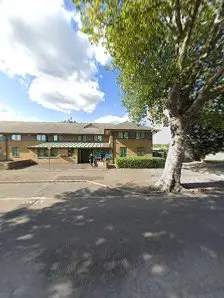
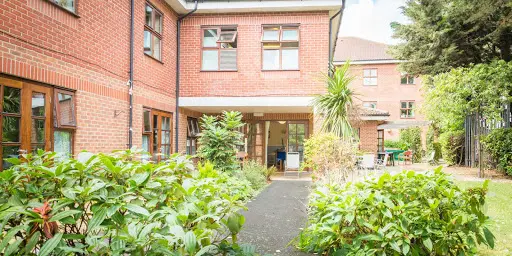
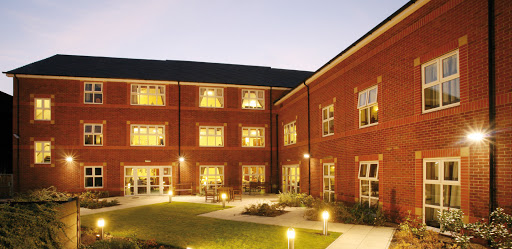
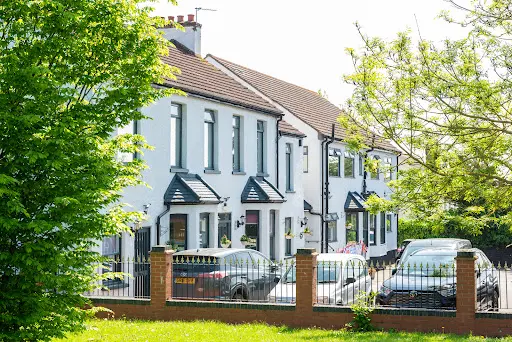
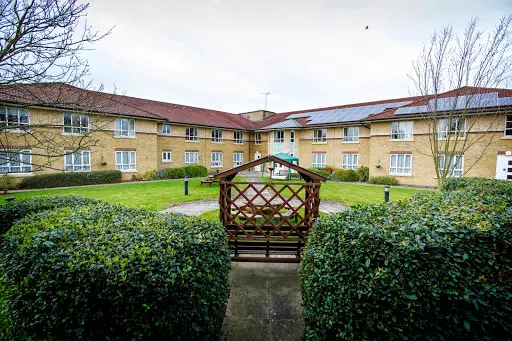
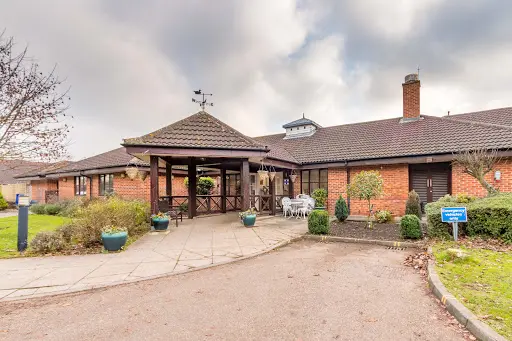
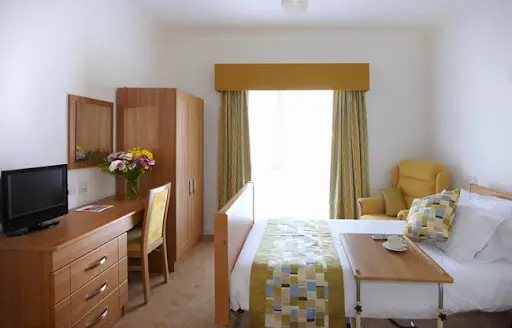
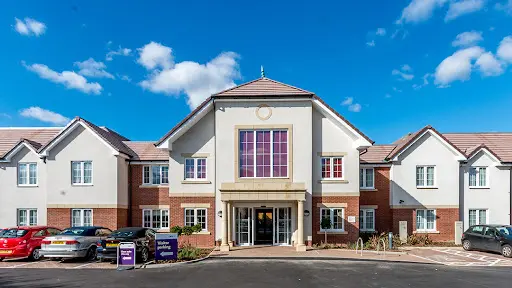
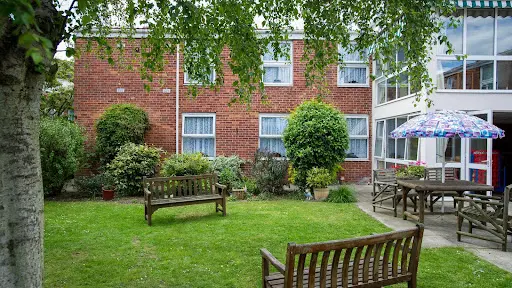
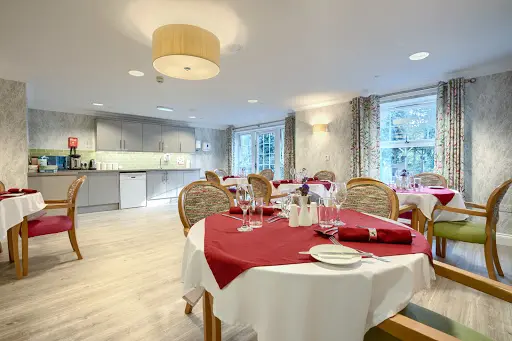
The home stays spotlessly clean without feeling clinical. You'll find pleasant spaces indoors and well-kept gardens where residents can spend time when the weather's nice. The activities programme keeps people busy with regular outings and entertainment, and families often mention how much their relatives enjoy getting involved.
“Many families who've experienced other care homes say Park View stands out for all the right reasons. It's the kind of place where good care feels like the norm, not the exception.”
DCC does not edit or curate content in this tab. For independently curated information, see The Evidence and DCC Verdict.