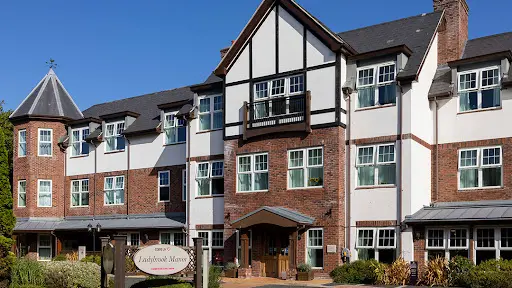
Barchester – Arbour Court Care Home
At a Glance
The information you need to decide whether this home warrants a closer look.
Nursing homes
Staff warmth score
of reviewers answered yes
Good to know
- Registered beds60
- SpecialismsCaring for adults over 65 yrs, Dementia, Mental health conditions
- Last inspected2019-10-31
Save Barchester – Arbour Court Care Home to your shortlist
Keep a running list, add visit notes, and compare homes side-by-side. Free account — it takes a minute.
STAGE 4 — RESEARCHING CARE HOMES
Visit homes. Compare them side by side. Choose with confidence.
Most of us will view care homes the way we view houses, impression, atmosphere, the feeling in the corridor. We go home, try to remember what we saw, and make a permanent decision from a blurred memory.

The DCC shortlist gives every home you visit a structured record: the same twelve questions, answered the same way, every time. When you’re ready to choose, pull any two homes side by side and compare them directly. Same criteria, same evidence, your notes and your scores.
The Evidence
What the review data, the inspection reports, and the dementia-care evidence base tell us about this home.
What families say
Families talk about walking in to find their relatives engaged in activities that actually matter to them, not just passing time. There's a sense that staff know each resident well — their preferences, their rhythms, what brings them comfort. Several families mention how their relatives gained weight and rediscovered their appetite here, often after struggling elsewhere.
The eight family priority themes
- Staff warmth72
- Compassion & dignity72
- Cleanliness70
- Activities & engagement65
- Food quality65
- Healthcare70
- Management & leadership75
- Resident happiness70
What inspectors found
Inspected 2019-10-31
Is this home safe?
Is the care effective?
The Effective domain was rated Good at the March 2025 inspection. This domain covers training, care planning, access to healthcare professionals, and whether food and hydration needs are properly met. No specific detail is available in the published findings about the content of dementia training, how frequently care plans are reviewed, or how the home coordinates with GPs and community health teams.Is this home caring?
The Caring domain was rated Good at the March 2025 inspection. This domain covers how staff treat the people in their care: whether they are kind, respectful, unhurried, and whether they protect privacy and dignity. No direct quotes from residents or relatives are included in the available published text, and no specific inspector observations about staff behaviour are recorded.Is the home responsive?
The Responsive domain was rated Good at the March 2025 inspection. This domain covers whether the home responds to individual needs, offers meaningful activities, supports independence, and plans appropriately for end of life. The home is registered to care for people with dementia and mental health conditions, which means responsiveness to individual communication styles and changing needs is especially important. No specific detail about activity programmes, one-to-one engagement, or end-of-life planning is available in the published findings.Is the home well-led?
The Well-led domain was rated Good at the March 2025 inspection. A named registered manager, Mrs Lisa Victoria O'Neill, is in post, with Barchester Healthcare Homes Limited as the provider and Mr Dominic Jude Kay as the nominated individual. The improvement from a previous Requires Improvement rating across the whole home suggests that management has driven meaningful change. No specific detail about management culture, staff empowerment, governance processes, or complaint handling is included in the available published text.
Source: CQC inspection report →
What the evidence base says
The home specialises in dementia care, mental health conditions, and caring for over-65s. Their approach to dementia focuses on understanding each person as an individual, adapting support as needs change. Rather than following rigid protocols, staff here respond to what works for each resident with dementia. Families particularly value how the team maintains residents' dignity and autonomy, finding ways to honour preferences even when communication becomes challenging. All areas worth probing directly during a visit.
The DCC Verdict
Our editorial view, built from the three lenses: what families tell us, what inspectors record, and how the home sits against good dementia-care practice.
DCC Family Score
Arbour Court has improved from Requires Improvement to a Good rating across all five inspection domains, which is a meaningful step in the right direction. However, because the published report text contains very limited specific detail, most scores reflect the confirmed Good rating rather than direct inspector observations or resident testimony.
Homes in North West typically score 68–82.The three-lens summary
What families tell us
Families talk about walking in to find their relatives engaged in activities that actually matter to them, not just passing time. There's a sense that staff know each resident well — their preferences, their rhythms, what brings them comfort. Several families mention how their relatives gained weight and rediscovered their appetite here, often after struggling elsewhere.
What inspectors have recorded
Staff consistency stands out here — families get to know the same faces over time, building real trust. When health issues arise, families feel confident that changes get spotted quickly and the right support kicks in. The nursing team seems particularly skilled at managing complex conditions alongside dementia, giving families reassurance during difficult times.
How it sits against good practice
For families navigating dementia's complexities, Arbour Court offers something precious — care that evolves with your loved one's journey.
Worth a visit
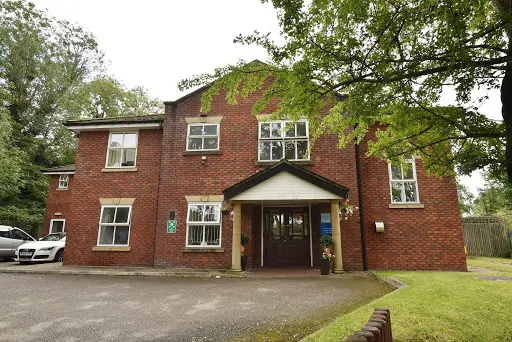
Arbour Court, on Buxton Lane in Stockport, was assessed in March 2025 and rated Good across all five domains: Safe, Effective, Caring, Responsive, and Well-led. This is a notable improvement from its previous rating of Requires Improvement and signals that the home has addressed the concerns that led to that earlier rating. The home is registered for 60 beds and specialises in nursing care for older adults, people living with dementia, and people with mental health conditions. It is run by Barchester Healthcare Homes Limited, with a named registered manager in post. The main limitation of this report is that the published inspection text contains very limited specific detail. Inspectors found enough to award Good across every domain, but the available findings do not include direct observations of staff behaviour, resident or relative quotes, staffing ratios, or specific examples of care in practice. That means the Good rating is real and meaningful, but you cannot rely on this report alone to understand what daily life looks like for your parent. Before making a decision, visit the home in person, ask to see last week's actual staffing rota, and request a conversation with the registered manager about how the home has changed since its Requires Improvement rating.
The three questions to ask when you visitSave this home. Compare it against your shortlist.
Let our analysis show you how Barchester – Arbour Court Care Home measures up against the other homes you’re considering. Free account.
In Their Own Words
How Barchester – Arbour Court Care Home describes itself — collected from its own website. DCC has not edited or independently verified the content in this tab.
Where families find genuine dementia expertise and dignity through every stage
Arbour Court – Expert Care in Stockport
When dementia changes everything, finding care that truly understands can feel impossible. Arbour Court in Stockport has built something families describe as transformative — a place where residents with dementia and complex health needs experience individualised care that adapts as their needs evolve. What strikes families most is how staff see the person behind the condition, creating moments of connection even in advanced stages.
Who they care for
The home specialises in dementia care, mental health conditions, and caring for over-65s. Their approach to dementia focuses on understanding each person as an individual, adapting support as needs change.
Rather than following rigid protocols, staff here respond to what works for each resident with dementia. Families particularly value how the team maintains residents' dignity and autonomy, finding ways to honour preferences even when communication becomes challenging.
“For families navigating dementia's complexities, Arbour Court offers something precious — care that evolves with your loved one's journey.”
DCC does not edit or curate content in this tab. For independently curated information, see The Evidence and DCC Verdict.
The DCC Verdict
Our editorial view, built from the three lenses: what families tell us, what inspectors record, and how the home sits against good dementia-care practice.
DCC Family Score
Arbour Court has improved from Requires Improvement to a Good rating across all five inspection domains, which is a meaningful step in the right direction. However, because the published report text contains very limited specific detail, most scores reflect the confirmed Good rating rather than direct inspector observations or resident testimony.
Homes in North West typically score 68–82.The three-lens summary
What families tell us
Families talk about walking in to find their relatives engaged in activities that actually matter to them, not just passing time. There's a sense that staff know each resident well — their preferences, their rhythms, what brings them comfort. Several families mention how their relatives gained weight and rediscovered their appetite here, often after struggling elsewhere.
What inspectors have recorded
Staff consistency stands out here — families get to know the same faces over time, building real trust. When health issues arise, families feel confident that changes get spotted quickly and the right support kicks in. The nursing team seems particularly skilled at managing complex conditions alongside dementia, giving families reassurance during difficult times.
How it sits against good practice
For families navigating dementia's complexities, Arbour Court offers something precious — care that evolves with your loved one's journey.
Worth a visit
Arbour Court, on Buxton Lane in Stockport, was assessed in March 2025 and rated Good across all five domains: Safe, Effective, Caring, Responsive, and Well-led. This is a notable improvement from its previous rating of Requires Improvement and signals that the home has addressed the concerns that led to that earlier rating. The home is registered for 60 beds and specialises in nursing care for older adults, people living with dementia, and people with mental health conditions. It is run by Barchester Healthcare Homes Limited, with a named registered manager in post. The main limitation of this report is that the published inspection text contains very limited specific detail. Inspectors found enough to award Good across every domain, but the available findings do not include direct observations of staff behaviour, resident or relative quotes, staffing ratios, or specific examples of care in practice. That means the Good rating is real and meaningful, but you cannot rely on this report alone to understand what daily life looks like for your parent. Before making a decision, visit the home in person, ask to see last week's actual staffing rota, and request a conversation with the registered manager about how the home has changed since its Requires Improvement rating.
The three questions to ask when you visitSave this home. Compare it against your shortlist.
Let our analysis show you how Barchester – Arbour Court Care Home measures up against the other homes you’re considering. Free account.
In Their Own Words
How Barchester – Arbour Court Care Home describes itself — collected from its own website. DCC has not edited or independently verified the content in this tab.
Where families find genuine dementia expertise and dignity through every stage
Arbour Court – Expert Care in Stockport
When dementia changes everything, finding care that truly understands can feel impossible. Arbour Court in Stockport has built something families describe as transformative — a place where residents with dementia and complex health needs experience individualised care that adapts as their needs evolve. What strikes families most is how staff see the person behind the condition, creating moments of connection even in advanced stages.
Who they care for
The home specialises in dementia care, mental health conditions, and caring for over-65s. Their approach to dementia focuses on understanding each person as an individual, adapting support as needs change.
Rather than following rigid protocols, staff here respond to what works for each resident with dementia. Families particularly value how the team maintains residents' dignity and autonomy, finding ways to honour preferences even when communication becomes challenging.
Management & ethos
Staff consistency stands out here — families get to know the same faces over time, building real trust. When health issues arise, families feel confident that changes get spotted quickly and the right support kicks in. The nursing team seems particularly skilled at managing complex conditions alongside dementia, giving families reassurance during difficult times.
The home & environment
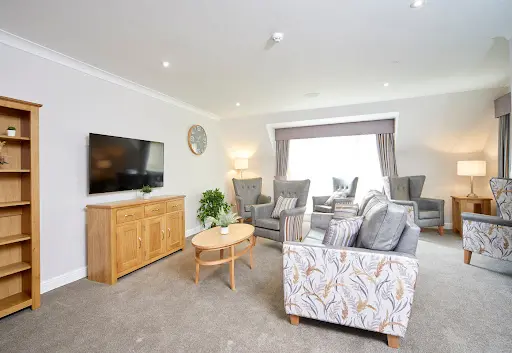
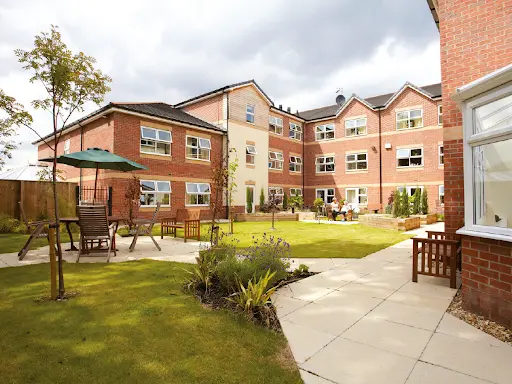
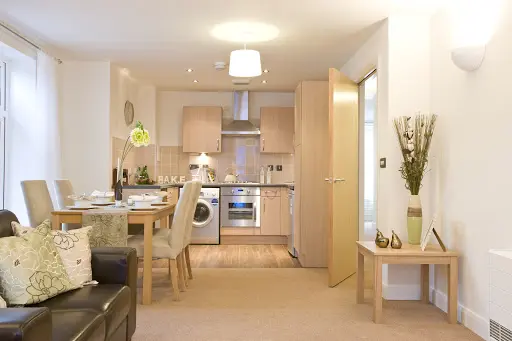
The food seems to work wonders for residents who'd lost interest in eating. Families describe how staff figure out what each person likes and find ways to encourage them, leading to noticeable improvements in health and energy. The home welcomes visitors any time, which means relatives can pop in whenever suits them and stay involved in daily life.
“For families navigating dementia's complexities, Arbour Court offers something precious — care that evolves with your loved one's journey.”
DCC does not edit or curate content in this tab. For independently curated information, see The Evidence and DCC Verdict.