Silver Birch Care Home
At a Glance
The information you need to decide whether this home warrants a closer look.
Nursing homes
Staff warmth score
of reviewers answered yes
Good to know
- Registered beds75
- SpecialismsCaring for adults over 65 yrs, Caring for adults under 65 yrs, Dementia, Physical disabilities, Sensory impairment
- Last inspected2022-01-07
Save Silver Birch Care Home to your shortlist
Keep a running list, add visit notes, and compare homes side-by-side. Free account — it takes a minute.
STAGE 4 — RESEARCHING CARE HOMES
Visit homes. Compare them side by side. Choose with confidence.
Most of us will view care homes the way we view houses, impression, atmosphere, the feeling in the corridor. We go home, try to remember what we saw, and make a permanent decision from a blurred memory.

The DCC shortlist gives every home you visit a structured record: the same twelve questions, answered the same way, every time. When you’re ready to choose, pull any two homes side by side and compare them directly. Same criteria, same evidence, your notes and your scores.
The Evidence
What the review data, the inspection reports, and the dementia-care evidence base tell us about this home.
What families say
Families notice how the manager greets them by name and stops to chat, setting a tone that flows through every interaction. People describe feeling genuinely welcomed rather than processed, whether they're visiting for the first time or coming daily. Even visiting professionals mention the calm, friendly atmosphere that makes the home feel settled and comfortable.
The eight family priority themes
- Staff warmth72
- Compassion & dignity72
- Cleanliness72
- Activities & engagement68
- Food quality68
- Healthcare70
- Management & leadership74
- Resident happiness70
What inspectors found
Inspected 2022-01-07
Is this home safe?
Is the care effective?
The Effective domain was rated Good at the December 2024 inspection. This domain covers whether care plans reflect individual needs, whether staff have the right training, whether residents have timely access to healthcare professionals such as GPs and specialist nurses, and whether food and nutrition needs are met. The published summary does not include specific observations on any of these areas. No concerns were raised, but the absence of published detail means it is not possible to say how care plans are structured, how often they are reviewed, or what dementia training staff have completed.Is this home caring?
The Caring domain was rated Good at the December 2024 inspection. This domain assesses whether staff treat people with kindness and respect, whether privacy and dignity are maintained, and whether residents are supported to remain as independent as possible. The published summary does not include direct inspector observations of staff interactions, resident testimony about how they are treated, or specific examples of dignity in practice. A Good rating indicates inspectors were satisfied, but the absence of detail means it is not possible to corroborate this from the published text alone.Is the home responsive?
The Responsive domain was rated Good at the December 2024 inspection. This domain covers whether the home provides activities and engagement tailored to individual interests, whether complaints are handled well, and whether end-of-life care is planned and delivered with sensitivity. The published summary does not include a description of the activity programme, examples of individual engagement, or information about how complaints are managed. No concerns were raised, but the lack of published detail makes it impossible to assess whether activities are genuinely tailored or primarily group-based.Is the home well-led?
The Well-led domain was rated Good at the December 2024 inspection. The home is run by Alysia Caring (Silver Birch) Ltd, with Mrs Sophie Jane Brown as registered manager and Mrs Lauren Anna Liveras as nominated individual. This indicates a clear governance structure is in place. The published summary does not include detail about how the manager is visible to residents and staff, how the home learns from incidents, or how staff are supported to raise concerns. No governance concerns were raised at the inspection.
Source: CQC inspection report →
What the evidence base says
The home supports people with sensory impairments, physical disabilities, and dementia, welcoming both younger adults under 65 and older residents. They provide skilled nursing care including end-of-life support, with particular strength in helping people recover after hospital stays. For residents living with dementia, the team focuses on maintaining dignity and supporting choices wherever possible. Staff take time to learn each person's history and preferences, using this knowledge to provide genuinely individualised care that respects who someone has always been. All areas worth probing directly during a visit.
The DCC Verdict
Our editorial view, built from the three lenses: what families tell us, what inspectors record, and how the home sits against good dementia-care practice.
DCC Family Score
Silver Birch Care Home received a Good rating across all five inspection domains at its most recent assessment in December 2024. However, the published report contains very limited specific detail, so scores reflect a confirmed Good rating without the kind of direct observations, quotes, or specific examples that would push them higher.
Homes in East typically score 68–82.The three-lens summary
What families tell us
Families notice how the manager greets them by name and stops to chat, setting a tone that flows through every interaction. People describe feeling genuinely welcomed rather than processed, whether they're visiting for the first time or coming daily. Even visiting professionals mention the calm, friendly atmosphere that makes the home feel settled and comfortable.
What inspectors have recorded
The manager stays visible and approachable, regularly checking in with families and responding quickly when concerns arise. Staff across every role — from cleaners to nurses — show the same commitment and warmth, suggesting strong leadership that values every team member. When the sector's staffing pressures hit, the team here responds with flexibility and empathy rather than letting standards slip.
How it sits against good practice
At Silver Birch, the details matter — not just the medical ones, but the human ones that make each day feel purposeful and valued.
Worth a visit
Silver Birch Care Home, at 3 Europa Way in Ipswich, was rated Good across all five inspection domains at its most recent assessment on 3 December 2024, with the report published in May 2025. The home is a 75-bed nursing home run by Alysia Caring (Silver Birch) Ltd, with a named registered manager and nominated individual in place. It is registered to care for people living with dementia, physical disabilities, and sensory impairments, as well as adults of all ages requiring nursing care. A Good rating across every domain is a positive and reassuring baseline. The main uncertainty here is that the published inspection report contains very little specific detail. There are no direct inspector observations, no resident or family quotes, and no specific examples of practice to draw on. A Good rating tells you the home met the standard at the time of inspection, but it does not tell you what daily life actually looks like for your parent. Before making a decision, visit the home in person, ideally at a mealtime or during an activity session, and use the checklist questions in this report to probe areas the inspection did not cover, particularly night staffing ratios, agency staff use, dementia-specific training, and how the home keeps families informed.
The three questions to ask when you visitSave this home. Compare it against your shortlist.
Let our analysis show you how Silver Birch Care Home measures up against the other homes you’re considering. Free account.
In Their Own Words
How Silver Birch Care Home describes itself — collected from its own website. DCC has not edited or independently verified the content in this tab.
Where dignity and individual choice shape every single day
Silver Birch Care Home – Your Trusted nursing home
When families describe Silver Birch Care Home in Ipswich, they talk about staff who remember the small things — how someone takes their tea, which chair they prefer, what makes them smile. This East Ipswich home creates a place where residents keep making their own choices, supported by a team who see the person first.
Who they care for
The home supports people with sensory impairments, physical disabilities, and dementia, welcoming both younger adults under 65 and older residents. They provide skilled nursing care including end-of-life support, with particular strength in helping people recover after hospital stays.
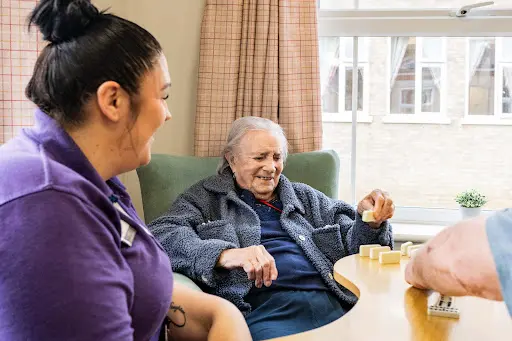
For residents living with dementia, the team focuses on maintaining dignity and supporting choices wherever possible. Staff take time to learn each person's history and preferences, using this knowledge to provide genuinely individualised care that respects who someone has always been.
“At Silver Birch, the details matter — not just the medical ones, but the human ones that make each day feel purposeful and valued.”
DCC does not edit or curate content in this tab. For independently curated information, see The Evidence and DCC Verdict.
The DCC Verdict
Our editorial view, built from the three lenses: what families tell us, what inspectors record, and how the home sits against good dementia-care practice.
DCC Family Score
Silver Birch Care Home received a Good rating across all five inspection domains at its most recent assessment in December 2024. However, the published report contains very limited specific detail, so scores reflect a confirmed Good rating without the kind of direct observations, quotes, or specific examples that would push them higher.
Homes in East typically score 68–82.The three-lens summary
What families tell us
Families notice how the manager greets them by name and stops to chat, setting a tone that flows through every interaction. People describe feeling genuinely welcomed rather than processed, whether they're visiting for the first time or coming daily. Even visiting professionals mention the calm, friendly atmosphere that makes the home feel settled and comfortable.
What inspectors have recorded
The manager stays visible and approachable, regularly checking in with families and responding quickly when concerns arise. Staff across every role — from cleaners to nurses — show the same commitment and warmth, suggesting strong leadership that values every team member. When the sector's staffing pressures hit, the team here responds with flexibility and empathy rather than letting standards slip.
How it sits against good practice
At Silver Birch, the details matter — not just the medical ones, but the human ones that make each day feel purposeful and valued.
Worth a visit
Silver Birch Care Home, at 3 Europa Way in Ipswich, was rated Good across all five inspection domains at its most recent assessment on 3 December 2024, with the report published in May 2025. The home is a 75-bed nursing home run by Alysia Caring (Silver Birch) Ltd, with a named registered manager and nominated individual in place. It is registered to care for people living with dementia, physical disabilities, and sensory impairments, as well as adults of all ages requiring nursing care. A Good rating across every domain is a positive and reassuring baseline. The main uncertainty here is that the published inspection report contains very little specific detail. There are no direct inspector observations, no resident or family quotes, and no specific examples of practice to draw on. A Good rating tells you the home met the standard at the time of inspection, but it does not tell you what daily life actually looks like for your parent. Before making a decision, visit the home in person, ideally at a mealtime or during an activity session, and use the checklist questions in this report to probe areas the inspection did not cover, particularly night staffing ratios, agency staff use, dementia-specific training, and how the home keeps families informed.
The three questions to ask when you visitSave this home. Compare it against your shortlist.
Let our analysis show you how Silver Birch Care Home measures up against the other homes you’re considering. Free account.
In Their Own Words
How Silver Birch Care Home describes itself — collected from its own website. DCC has not edited or independently verified the content in this tab.
Where dignity and individual choice shape every single day
Silver Birch Care Home – Your Trusted nursing home
When families describe Silver Birch Care Home in Ipswich, they talk about staff who remember the small things — how someone takes their tea, which chair they prefer, what makes them smile. This East Ipswich home creates a place where residents keep making their own choices, supported by a team who see the person first.
Who they care for
The home supports people with sensory impairments, physical disabilities, and dementia, welcoming both younger adults under 65 and older residents. They provide skilled nursing care including end-of-life support, with particular strength in helping people recover after hospital stays.
For residents living with dementia, the team focuses on maintaining dignity and supporting choices wherever possible. Staff take time to learn each person's history and preferences, using this knowledge to provide genuinely individualised care that respects who someone has always been.
Management & ethos
The manager stays visible and approachable, regularly checking in with families and responding quickly when concerns arise. Staff across every role — from cleaners to nurses — show the same commitment and warmth, suggesting strong leadership that values every team member. When the sector's staffing pressures hit, the team here responds with flexibility and empathy rather than letting standards slip.
The home & environment
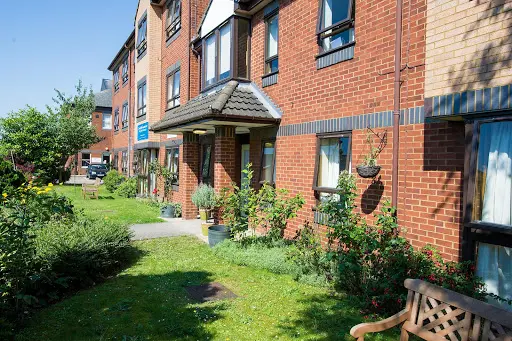
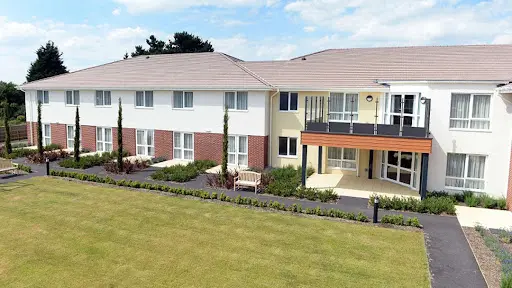
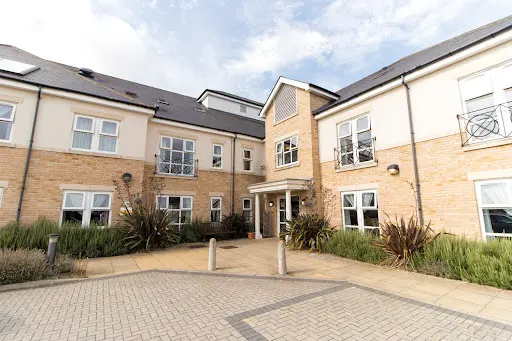
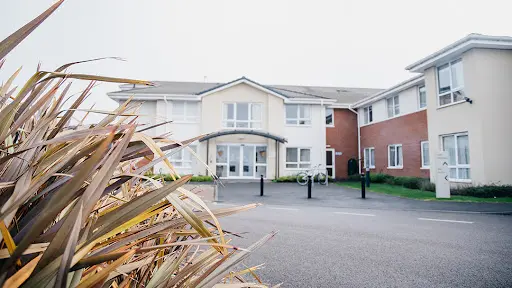
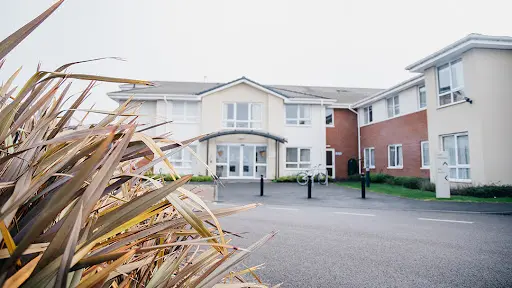
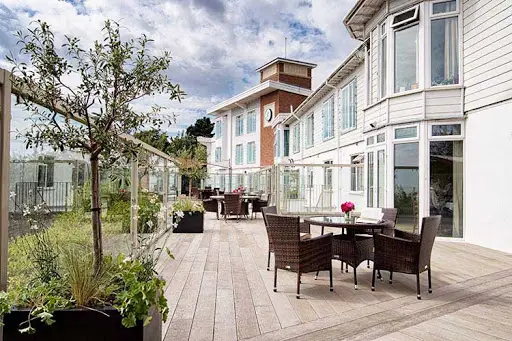
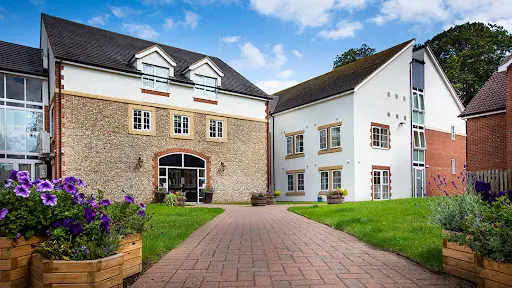
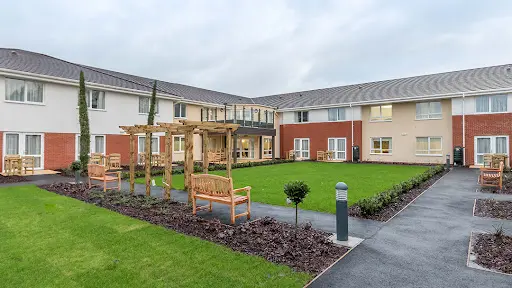
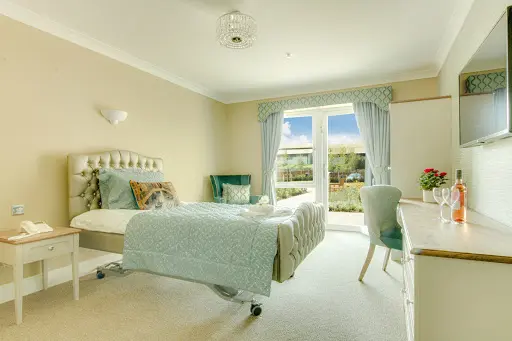
The home stays spotless without feeling clinical — families consistently mention how clean and well-maintained everything looks. There's space to watch trains go by from certain rooms, which some residents particularly enjoy. The attention to cleanliness extends throughout, creating fresh, pleasant spaces where people want to spend time.
“At Silver Birch, the details matter — not just the medical ones, but the human ones that make each day feel purposeful and valued.”
DCC does not edit or curate content in this tab. For independently curated information, see The Evidence and DCC Verdict.