Brook Lodge Care Home
At a Glance
The information you need to decide whether this home warrants a closer look.
Residential homes
Staff warmth score
of reviewers answered yes
Good to know
- Registered beds66
- SpecialismsCaring for adults over 65 yrs, Caring for adults under 65 yrs, Dementia, Physical disabilities
- Last inspected2025-09-11
Save Brook Lodge Care Home to your shortlist
Keep a running list, add visit notes, and compare homes side-by-side. Free account — it takes a minute.
STAGE 4 — RESEARCHING CARE HOMES
Visit homes. Compare them side by side. Choose with confidence.
Most of us will view care homes the way we view houses, impression, atmosphere, the feeling in the corridor. We go home, try to remember what we saw, and make a permanent decision from a blurred memory.

The DCC shortlist gives every home you visit a structured record: the same twelve questions, answered the same way, every time. When you’re ready to choose, pull any two homes side by side and compare them directly. Same criteria, same evidence, your notes and your scores.
The Evidence
What the review data, the inspection reports, and the dementia-care evidence base tell us about this home.
What families say
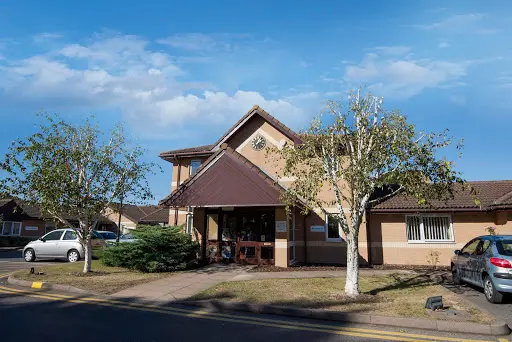
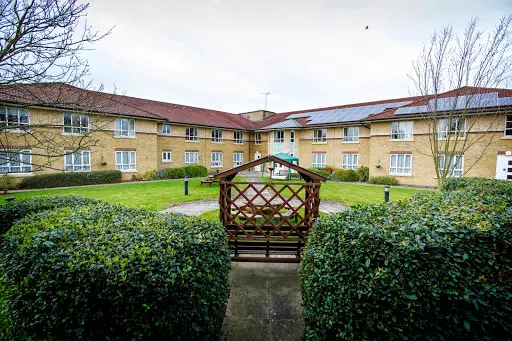
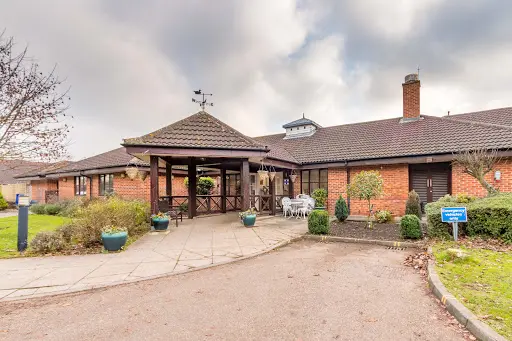
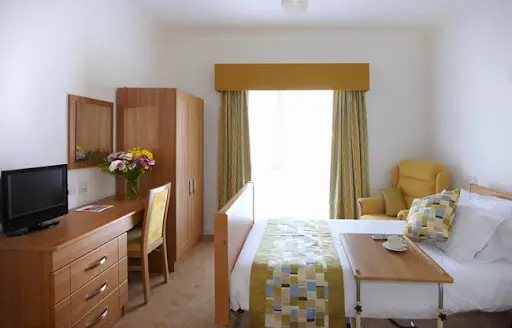
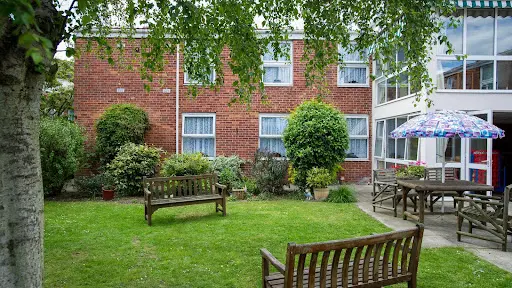
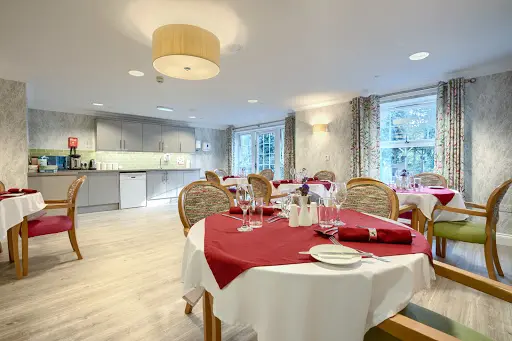
Visitors often comment on how spacious and inviting the home feels, with its clean, well-decorated spaces creating a comfortable atmosphere. Families particularly appreciate seeing their loved ones engaged and content, whether that's through the developing activity programme or simply through meaningful one-on-one time with staff.
The eight family priority themes
- Staff warmth72
- Compassion & dignity72
- Cleanliness70
- Activities & engagement68
- Food quality68
- Healthcare70
- Management & leadership72
- Resident happiness70
What inspectors found
Inspected 2025-09-11 Report published 2025-09-11
Is this home safe?
Is the care effective?
The Effective domain was rated Good at the September 2025 inspection. This domain covers whether staff have the right training, whether care plans are kept up to date and personalised, whether people have access to healthcare professionals, and whether food and nutrition needs are properly understood. The home's registration includes dementia care, which requires specific training and care planning competence. The published text does not include specific examples of care plan content, training records reviewed, GP access arrangements, or food quality observations.Is this home caring?
The Caring domain was rated Good at the September 2025 inspection. This domain covers whether staff treat people with kindness and respect, whether privacy and dignity are upheld, and whether people are supported to remain as independent as possible. No direct inspector observations of staff interactions, no quotes from people living at the home, and no specific examples of dignity practice are available in the published text. The Good rating indicates inspectors were satisfied with what they observed.Is the home responsive?
The Responsive domain was rated Good at the September 2025 inspection. This domain covers whether the home responds to individual needs and preferences, whether activities are meaningful and varied, and whether end-of-life care is planned appropriately. The home supports people with dementia and physical disabilities, both of whom require tailored rather than generic activity provision. No specific activity examples, individual engagement observations, or end-of-life planning evidence are available in the published text.Is the home well-led?
The Well-led domain was rated Good at the September 2025 inspection. Miss Samantha Caroline Wheatley is the registered manager and Ms Rachel Louise Harvey is the nominated individual for the provider, Danforth Care No. 1 Limited. A Good Well-led rating indicates inspectors were satisfied with governance, accountability, and the overall culture of the home. No specific evidence about manager visibility, staff empowerment, complaint handling, or learning from incidents is available in the published text.
Source: CQC inspection report →
What the evidence base says
Brook Lodge supports younger adults under 65 as well as older people, including those living with physical disabilities. The home provides specialised dementia care alongside support for general age-related needs. Families whose parents or relatives have dementia speak particularly highly of the person-centred approach here. Staff take time to understand each person's individual needs and preferences, helping them settle in with patience and skill. All areas worth probing directly during a visit.
The DCC Verdict
Our editorial view, built from the three lenses: what families tell us, what inspectors record, and how the home sits against good dementia-care practice.
DCC Family Score
Brook Lodge Care Home was rated Good across all five inspection domains in September 2025, which is a positive and consistent result. However, the published inspection text provides limited specific detail, so scores reflect confirmed Good ratings rather than rich observational evidence.
Homes in East typically score 68–82.The three-lens summary
What families tell us
Visitors often comment on how spacious and inviting the home feels, with its clean, well-decorated spaces creating a comfortable atmosphere. Families particularly appreciate seeing their loved ones engaged and content, whether that's through the developing activity programme or simply through meaningful one-on-one time with staff.
What inspectors have recorded
The team's professional yet caring approach shines through in how they tailor support to each person's needs. From practical help with funding options to thoughtful measures like ensuring residents stay well-hydrated during hot weather, the staff show real commitment to both the details and the bigger picture of good care.
How it sits against good practice
While visitor protocols could be more consistent, what matters most — the quality of care residents receive — appears to be genuinely good here.
Worth a visit
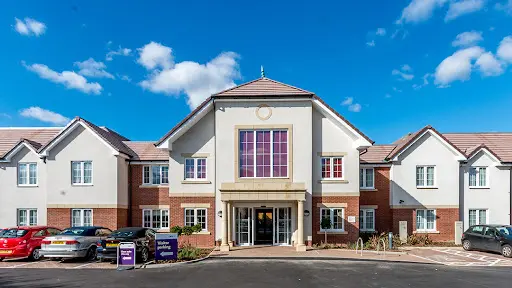
Brook Lodge Care Home, on Ghyll Grove in Basildon, was rated Good across all five inspection domains at its most recent inspection on 11 September 2025. The home is registered for 66 beds and provides dementia care, support for people with physical disabilities, and care for both under-65 and over-65 adults. A named registered manager and nominated individual are in post. A consistent Good rating across every domain is a genuinely positive result and suggests the home is meeting expected standards in safety, care quality, staffing, and leadership. The main limitation of this report is that the published inspection text provides very little specific detail: no direct quotes from people living at the home, no inspector observations of staff interactions, and no specific evidence about food, activities, or night staffing. A Good rating tells you the threshold was met; it does not tell you how warmly staff speak to your parent, what mealtimes feel like, or what happens at two in the morning. Before making a decision, visit at different times of day, ask to see last week's actual staffing rota (not a template), and ask specifically how many carers are on duty overnight across the 66 beds.
The three questions to ask when you visitSave this home. Compare it against your shortlist.
Let our analysis show you how Brook Lodge Care Home measures up against the other homes you’re considering. Free account.
In Their Own Words
How Brook Lodge Care Home describes itself — collected from its own website. DCC has not edited or independently verified the content in this tab.
Where professional care meets genuine warmth in Basildon
Brook Lodge Care Home – Your Trusted residential home
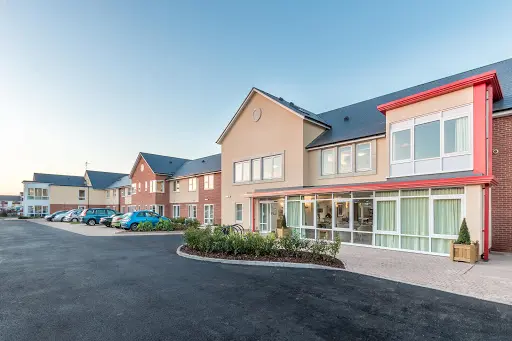
When families describe the staff at Brook Lodge Care Home in Basildon as treating care work like a vocation, not just a job, it speaks volumes. This purpose-built home has earned a reputation for helping residents not just settle in, but truly thrive — with many families reporting their loved ones looking healthier and happier than they have in months.
Who they care for
Brook Lodge supports younger adults under 65 as well as older people, including those living with physical disabilities. The home provides specialised dementia care alongside support for general age-related needs.
Families whose parents or relatives have dementia speak particularly highly of the person-centred approach here. Staff take time to understand each person's individual needs and preferences, helping them settle in with patience and skill.
“While visitor protocols could be more consistent, what matters most — the quality of care residents receive — appears to be genuinely good here.”
DCC does not edit or curate content in this tab. For independently curated information, see The Evidence and DCC Verdict.
The DCC Verdict
Our editorial view, built from the three lenses: what families tell us, what inspectors record, and how the home sits against good dementia-care practice.
DCC Family Score
Brook Lodge Care Home was rated Good across all five inspection domains in September 2025, which is a positive and consistent result. However, the published inspection text provides limited specific detail, so scores reflect confirmed Good ratings rather than rich observational evidence.
Homes in East typically score 68–82.The three-lens summary
What families tell us
Visitors often comment on how spacious and inviting the home feels, with its clean, well-decorated spaces creating a comfortable atmosphere. Families particularly appreciate seeing their loved ones engaged and content, whether that's through the developing activity programme or simply through meaningful one-on-one time with staff.
What inspectors have recorded
The team's professional yet caring approach shines through in how they tailor support to each person's needs. From practical help with funding options to thoughtful measures like ensuring residents stay well-hydrated during hot weather, the staff show real commitment to both the details and the bigger picture of good care.
How it sits against good practice
While visitor protocols could be more consistent, what matters most — the quality of care residents receive — appears to be genuinely good here.
Worth a visit
Brook Lodge Care Home, on Ghyll Grove in Basildon, was rated Good across all five inspection domains at its most recent inspection on 11 September 2025. The home is registered for 66 beds and provides dementia care, support for people with physical disabilities, and care for both under-65 and over-65 adults. A named registered manager and nominated individual are in post. A consistent Good rating across every domain is a genuinely positive result and suggests the home is meeting expected standards in safety, care quality, staffing, and leadership. The main limitation of this report is that the published inspection text provides very little specific detail: no direct quotes from people living at the home, no inspector observations of staff interactions, and no specific evidence about food, activities, or night staffing. A Good rating tells you the threshold was met; it does not tell you how warmly staff speak to your parent, what mealtimes feel like, or what happens at two in the morning. Before making a decision, visit at different times of day, ask to see last week's actual staffing rota (not a template), and ask specifically how many carers are on duty overnight across the 66 beds.
The three questions to ask when you visitSave this home. Compare it against your shortlist.
Let our analysis show you how Brook Lodge Care Home measures up against the other homes you’re considering. Free account.
In Their Own Words
How Brook Lodge Care Home describes itself — collected from its own website. DCC has not edited or independently verified the content in this tab.
Where professional care meets genuine warmth in Basildon
Brook Lodge Care Home – Your Trusted residential home
When families describe the staff at Brook Lodge Care Home in Basildon as treating care work like a vocation, not just a job, it speaks volumes. This purpose-built home has earned a reputation for helping residents not just settle in, but truly thrive — with many families reporting their loved ones looking healthier and happier than they have in months.
Who they care for
Brook Lodge supports younger adults under 65 as well as older people, including those living with physical disabilities. The home provides specialised dementia care alongside support for general age-related needs.
Families whose parents or relatives have dementia speak particularly highly of the person-centred approach here. Staff take time to understand each person's individual needs and preferences, helping them settle in with patience and skill.
Management & ethos
The team's professional yet caring approach shines through in how they tailor support to each person's needs. From practical help with funding options to thoughtful measures like ensuring residents stay well-hydrated during hot weather, the staff show real commitment to both the details and the bigger picture of good care.
The home & environment
The home maintains consistently high standards of cleanliness throughout, something families notice and appreciate on every visit. Residents enjoy good food here, with several people mentioning how well their loved ones are eating — some even gaining healthy weight after admission.
“While visitor protocols could be more consistent, what matters most — the quality of care residents receive — appears to be genuinely good here.”
DCC does not edit or curate content in this tab. For independently curated information, see The Evidence and DCC Verdict.