Droitwich Mews Care Home

At a Glance
The information you need to decide whether this home warrants a closer look.
Residential homes
Staff warmth score
of reviewers answered yes
Good to know
- Registered beds70
- SpecialismsCaring for adults over 65 yrs, Caring for adults under 65 yrs, Dementia, Physical disabilities, Sensory impairment
- Last inspected2025-01-23
Save Droitwich Mews Care Home to your shortlist
Keep a running list, add visit notes, and compare homes side-by-side. Free account — it takes a minute.
STAGE 4 — RESEARCHING CARE HOMES
Visit homes. Compare them side by side. Choose with confidence.
Most of us will view care homes the way we view houses, impression, atmosphere, the feeling in the corridor. We go home, try to remember what we saw, and make a permanent decision from a blurred memory.

The DCC shortlist gives every home you visit a structured record: the same twelve questions, answered the same way, every time. When you’re ready to choose, pull any two homes side by side and compare them directly. Same criteria, same evidence, your notes and your scores.
The Evidence
What the review data, the inspection reports, and the dementia-care evidence base tell us about this home.
What families say
Families describe watching their relatives relax into the routine here, choosing when to join in and when to rest. The minibus trips out and the regular entertainment give people plenty to look forward to. There's a real sense that residents can be themselves, whether that means joining the cinema afternoons or just sitting peacefully in their favourite spot.
The eight family priority themes
- Staff warmth62
- Compassion & dignity62
- Cleanliness63
- Activities & engagement60
- Food quality58
- Healthcare60
- Management & leadership62
- Resident happiness60
What inspectors found
Inspected 2025-01-23 Report published 2025-01-23
Is this home safe?
Is the care effective?
The Effective domain was rated Good at the January 2025 inspection. This domain covers training, care planning, access to healthcare professionals, nutrition, and how well the home responds to changes in a person's health. The home lists dementia as a specialism, indicating it is expected to demonstrate dementia-specific competence. No specific detail about training content, GP access arrangements, or care plan quality is recorded in the published summary.Is this home caring?
The Caring domain was rated Good at the January 2025 inspection. This is the domain most closely linked to what families report mattering most: whether staff are warm, whether your parent is treated with dignity, and whether he or she is addressed as an individual. No direct quotes from people living at the home or their relatives are recorded in the published summary, and no specific inspector observations about staff interactions are included.Is the home responsive?
The Responsive domain was rated Good at the January 2025 inspection. This domain covers how well the home tailors its care to individual needs, the quality and variety of its activities programme, and how it handles complaints and end-of-life care. The home supports people with a range of conditions including dementia, physical disabilities, and sensory impairments, which requires meaningful individualisation. No specific activities, one-to-one provision, or complaint-handling examples are recorded in the published summary.Is the home well-led?
The Well-led domain was rated Good at the January 2025 inspection. The registered manager is Miss Hannah Rose Atkinson, and the nominated individual is Mrs Natasha Southall. The home is operated by Avery Homes Droitwich Limited. A Good rating in this domain indicates that inspectors were satisfied with governance, leadership culture, and accountability arrangements at the time of the visit. No specific detail about manager tenure, staff feedback mechanisms, or quality audit processes is recorded in the published summary.
Source: CQC inspection report →
What the evidence base says
The home supports people with physical disabilities and sensory impairments, as well as those living with dementia. They care for both younger adults and those over 65. For people living with dementia, the calm environment and flexible routines seem to work well. The team adapts activities and meal times to suit each person's needs and preferences. All areas worth probing directly during a visit.
The DCC Verdict
Our editorial view, built from the three lenses: what families tell us, what inspectors record, and how the home sits against good dementia-care practice.
DCC Family Score
Droitwich Mews Care Home was rated Good across all five inspection domains in January 2025, which is encouraging, but the published report contains very limited narrative detail, so scores sit in the mid-range reflecting a confirmed Good rating without the specific observations, quotes, or data points needed to score higher with confidence.
Homes in West Midlands typically score 68–82.The three-lens summary
What families tell us
Families describe watching their relatives relax into the routine here, choosing when to join in and when to rest. The minibus trips out and the regular entertainment give people plenty to look forward to. There's a real sense that residents can be themselves, whether that means joining the cinema afternoons or just sitting peacefully in their favourite spot.
What inspectors have recorded
The team here seems to understand what matters to families, especially those living far away. They've helped people set up video calls, scan post, and stay involved in care reviews even from a distance. When problems come up, families find the staff sort things out without fuss. That said, one family did have a difficult experience with a very delayed assessment process that left them without the placement they'd hoped for.
How it sits against good practice
It's worth spending time here to see if the atmosphere feels right for your family member — that sense of calm and choice seems to be what makes the difference.
Worth a visit
Droitwich Mews Care Home in Droitwich, Worcestershire was rated Good across all five inspection domains at its most recent inspection in January 2025, with the report published in March 2025. The home is registered to provide residential care for up to 70 people, including those living with dementia, adults with physical disabilities and sensory impairments, and both younger adults and those over 65. A Good rating across every domain is a positive baseline: it means inspectors were satisfied with safety, staffing, care quality, responsiveness, and leadership at the time of the visit. The main limitation of this report is that the published inspection summary contains very little narrative detail. There are no direct quotes from people living at the home or their families, no specific inspector observations, and no data on staffing ratios, activity programmes, or food quality. This means the Family Score sits in the mid-range not because anything was found to be wrong, but because the evidence available is too thin to score higher with confidence. Before visiting, prepare a list of specific questions: ask the manager to show you the staffing rota for last week (counting permanent versus agency names, particularly on night shifts), ask the activities coordinator for the actual schedule from the past fortnight rather than a template, and spend time in a communal area observing whether staff interactions feel unhurried and warm.
The three questions to ask when you visitSave this home. Compare it against your shortlist.
Let our analysis show you how Droitwich Mews Care Home measures up against the other homes you’re considering. Free account.
In Their Own Words
How Droitwich Mews Care Home describes itself — collected from its own website. DCC has not edited or independently verified the content in this tab.
Light-filled spaces where residents choose their own rhythm
Droitwich Mews Care Home – Your Trusted residential home
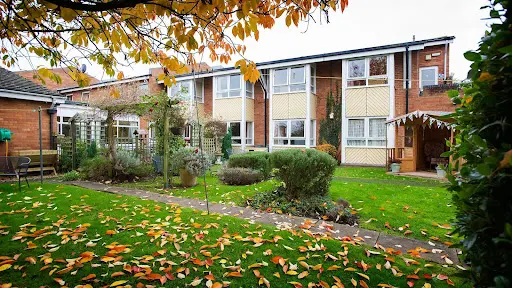
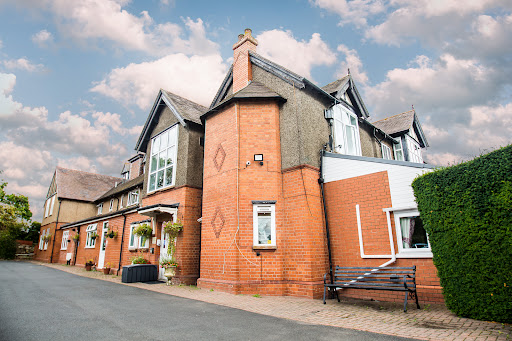
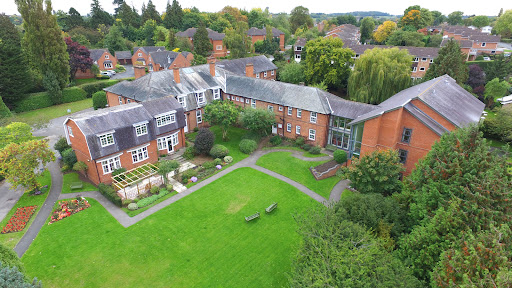
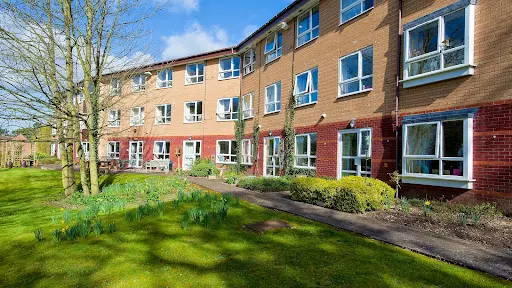
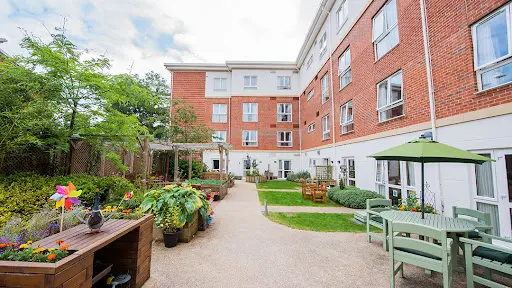
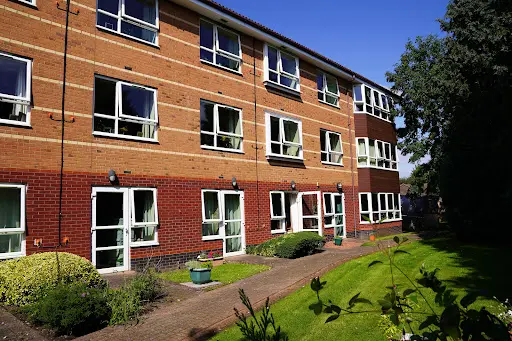
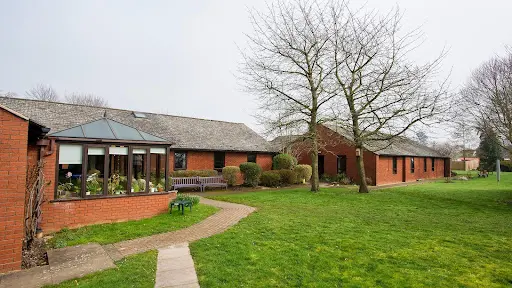
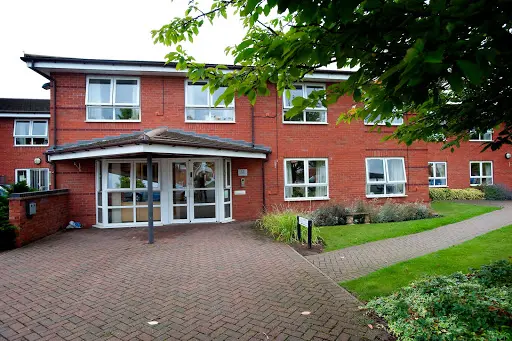
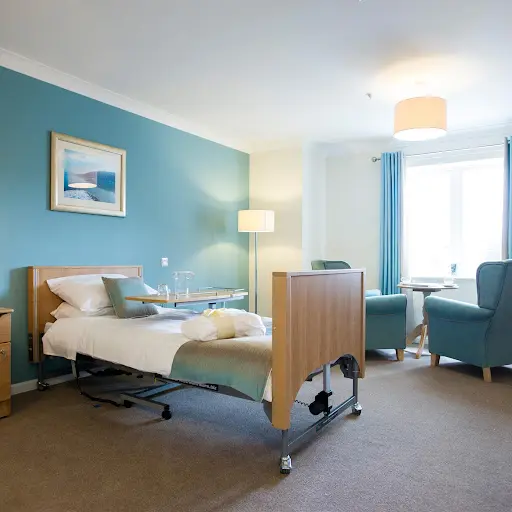
When families first walk into Droitwich Mews Care Home in Droitwich, they often comment on how bright and airy it feels. The thick carpets and neutral colours create a calm atmosphere throughout this newer building. Residents here seem to settle quickly, whether they're joining activities in the lounges or enjoying quiet time in the gardens.
Who they care for
The home supports people with physical disabilities and sensory impairments, as well as those living with dementia. They care for both younger adults and those over 65.
For people living with dementia, the calm environment and flexible routines seem to work well. The team adapts activities and meal times to suit each person's needs and preferences.
“It's worth spending time here to see if the atmosphere feels right for your family member — that sense of calm and choice seems to be what makes the difference.”
DCC does not edit or curate content in this tab. For independently curated information, see The Evidence and DCC Verdict.
The DCC Verdict
Our editorial view, built from the three lenses: what families tell us, what inspectors record, and how the home sits against good dementia-care practice.
DCC Family Score
Droitwich Mews Care Home was rated Good across all five inspection domains in January 2025, which is encouraging, but the published report contains very limited narrative detail, so scores sit in the mid-range reflecting a confirmed Good rating without the specific observations, quotes, or data points needed to score higher with confidence.
Homes in West Midlands typically score 68–82.The three-lens summary
What families tell us
Families describe watching their relatives relax into the routine here, choosing when to join in and when to rest. The minibus trips out and the regular entertainment give people plenty to look forward to. There's a real sense that residents can be themselves, whether that means joining the cinema afternoons or just sitting peacefully in their favourite spot.
What inspectors have recorded
The team here seems to understand what matters to families, especially those living far away. They've helped people set up video calls, scan post, and stay involved in care reviews even from a distance. When problems come up, families find the staff sort things out without fuss. That said, one family did have a difficult experience with a very delayed assessment process that left them without the placement they'd hoped for.
How it sits against good practice
It's worth spending time here to see if the atmosphere feels right for your family member — that sense of calm and choice seems to be what makes the difference.
Worth a visit
Droitwich Mews Care Home in Droitwich, Worcestershire was rated Good across all five inspection domains at its most recent inspection in January 2025, with the report published in March 2025. The home is registered to provide residential care for up to 70 people, including those living with dementia, adults with physical disabilities and sensory impairments, and both younger adults and those over 65. A Good rating across every domain is a positive baseline: it means inspectors were satisfied with safety, staffing, care quality, responsiveness, and leadership at the time of the visit. The main limitation of this report is that the published inspection summary contains very little narrative detail. There are no direct quotes from people living at the home or their families, no specific inspector observations, and no data on staffing ratios, activity programmes, or food quality. This means the Family Score sits in the mid-range not because anything was found to be wrong, but because the evidence available is too thin to score higher with confidence. Before visiting, prepare a list of specific questions: ask the manager to show you the staffing rota for last week (counting permanent versus agency names, particularly on night shifts), ask the activities coordinator for the actual schedule from the past fortnight rather than a template, and spend time in a communal area observing whether staff interactions feel unhurried and warm.
The three questions to ask when you visitSave this home. Compare it against your shortlist.
Let our analysis show you how Droitwich Mews Care Home measures up against the other homes you’re considering. Free account.
In Their Own Words
How Droitwich Mews Care Home describes itself — collected from its own website. DCC has not edited or independently verified the content in this tab.
Light-filled spaces where residents choose their own rhythm
Droitwich Mews Care Home – Your Trusted residential home
When families first walk into Droitwich Mews Care Home in Droitwich, they often comment on how bright and airy it feels. The thick carpets and neutral colours create a calm atmosphere throughout this newer building. Residents here seem to settle quickly, whether they're joining activities in the lounges or enjoying quiet time in the gardens.
Who they care for
The home supports people with physical disabilities and sensory impairments, as well as those living with dementia. They care for both younger adults and those over 65.
For people living with dementia, the calm environment and flexible routines seem to work well. The team adapts activities and meal times to suit each person's needs and preferences.
Management & ethos
The team here seems to understand what matters to families, especially those living far away. They've helped people set up video calls, scan post, and stay involved in care reviews even from a distance. When problems come up, families find the staff sort things out without fuss. That said, one family did have a difficult experience with a very delayed assessment process that left them without the placement they'd hoped for.
The home & environment
The food gets particular praise — residents choose their meals daily, and the kitchen works around different diets and preferences. People can eat in their rooms or the dining area, whichever suits them best. The whole place stays fresh and spotlessly clean, from the lounges right through to the garden spaces where residents often sit when the weather's good.
“It's worth spending time here to see if the atmosphere feels right for your family member — that sense of calm and choice seems to be what makes the difference.”
DCC does not edit or curate content in this tab. For independently curated information, see The Evidence and DCC Verdict.