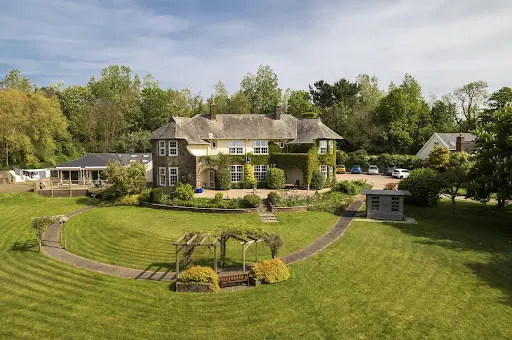
Mr 'C's
At a Glance
The information you need to decide whether this home warrants a closer look.
Nursing homes
Staff warmth score
of reviewers answered yes
Good to know
- Registered beds40
- SpecialismsCaring for adults over 65 yrs, Caring for adults under 65 yrs, Dementia
- Last inspected2022-07-06
Save Mr 'C's to your shortlist
Keep a running list, add visit notes, and compare homes side-by-side. Free account — it takes a minute.
STAGE 4 — RESEARCHING CARE HOMES
Visit homes. Compare them side by side. Choose with confidence.
Most of us will view care homes the way we view houses, impression, atmosphere, the feeling in the corridor. We go home, try to remember what we saw, and make a permanent decision from a blurred memory.

The DCC shortlist gives every home you visit a structured record: the same twelve questions, answered the same way, every time. When you’re ready to choose, pull any two homes side by side and compare them directly. Same criteria, same evidence, your notes and your scores.
The Evidence
What the review data, the inspection reports, and the dementia-care evidence base tell us about this home.
What families say
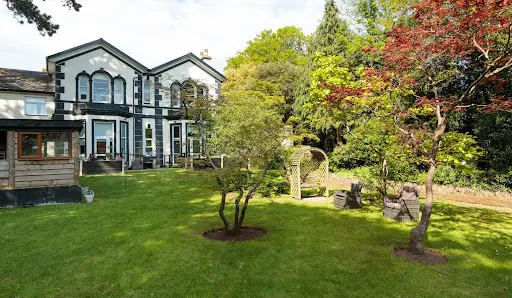
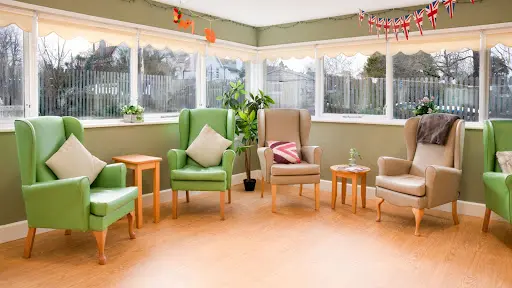
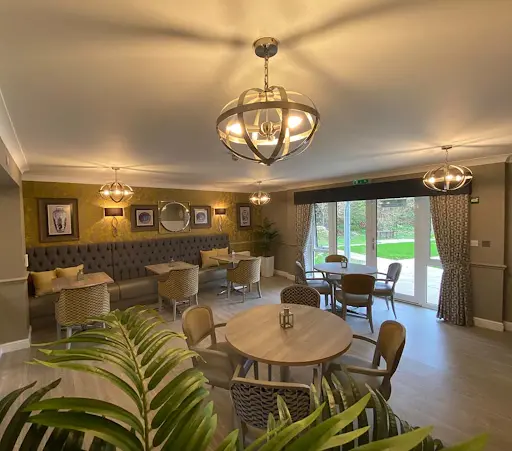
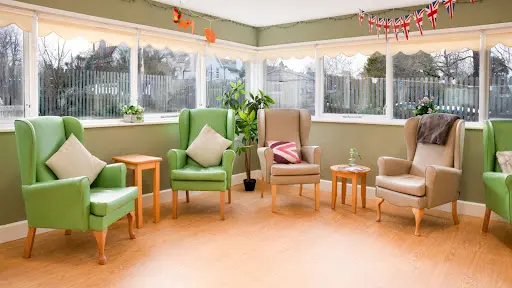
Families who've had positive experiences describe care workers as patient and hardworking, with one visitor noting how staff helped their relative's dementia symptoms stabilise during their stay. The bright, recently decorated communal spaces create a cheerful environment, though response times to call buttons can vary when the home is stretched thin.
The eight family priority themes
- Staff warmth72
- Compassion & dignity72
- Cleanliness68
- Activities & engagement55
- Food quality55
- Healthcare68
- Management & leadership72
- Resident happiness68
What inspectors found
Inspected 2022-07-06
Is this home safe?
Is the care effective?
The Effective domain was rated Good at the May 2022 inspection. This covers training, care planning, GP access, nutrition, and health monitoring. No specific examples of care plan content, training records, or GP involvement were published in the available text. The home has a dementia specialism, which means inspectors would have considered whether staff are trained appropriately for that group. The nominated individual, Mr William Davies, is named in the report alongside the registered manager.Is this home caring?
The Caring domain was rated Good at the May 2022 inspection. This domain covers staff warmth, dignity, respect, and independence. No specific inspector observations, resident quotes, or relative feedback were published in the available inspection text. A Good rating in this domain means inspectors did not find evidence of poor treatment and were sufficiently satisfied with interactions they observed. The home supports adults of different ages, including those under 65, which suggests some diversity in the population and potentially in how personalised care needs to be.Is the home responsive?
The Responsive domain was rated Good at the May 2022 inspection. This domain covers activities, individualised engagement, complaints handling, and end-of-life care. No specific activity examples, individual engagement strategies, or complaint outcomes were published in the available inspection text. The home's dementia specialism makes the quality of activities particularly important, as people with dementia benefit from engagement tailored to their individual histories and current abilities rather than generic group sessions.Is the home well-led?
The Well-led domain was rated Good at the May 2022 inspection, improving from a previous Requires Improvement rating. The registered manager is named as Ms Jane Delaney, and the nominated individual is Mr William Davies of Woodland Healthcare Limited, the operating organisation. A named, registered manager in post is a positive structural indicator. No detail about management visibility, staff culture, governance processes, or how the home uses feedback was published in the available inspection text.
Source: CQC inspection report →
What the evidence base says
Mr 'C's provides residential care for adults both under and over 65, including those living with dementia. For residents with dementia, the home offers specialised support, with at least one family reporting their relative's condition remained stable during their stay. All areas worth probing directly during a visit.
The DCC Verdict
Our editorial view, built from the three lenses: what families tell us, what inspectors record, and how the home sits against good dementia-care practice.
DCC Family Score
Mr C's has improved to a Good rating across all five inspection domains, which is a meaningful step forward from its previous Requires Improvement rating. However, the published inspection text contains very little specific detail, so most scores reflect that positive direction rather than verified, specific evidence.
Homes in South West typically score 68–82.The three-lens summary
What families tell us
Families who've had positive experiences describe care workers as patient and hardworking, with one visitor noting how staff helped their relative's dementia symptoms stabilise during their stay. The bright, recently decorated communal spaces create a cheerful environment, though response times to call buttons can vary when the home is stretched thin.
What inspectors have recorded
Communication emerges as the most divisive aspect of care here. Some families report significant difficulties reaching the home by phone and getting responses to concerns, while others find the staff approachable despite acknowledged understaffing. The home's budget-friendly pricing reflects these operational trade-offs, which some families accept while others find the gaps in professional standards too concerning.
How it sits against good practice
Prospective families should weigh the home's affordability against reported service inconsistencies when making their decision.
Worth a visit
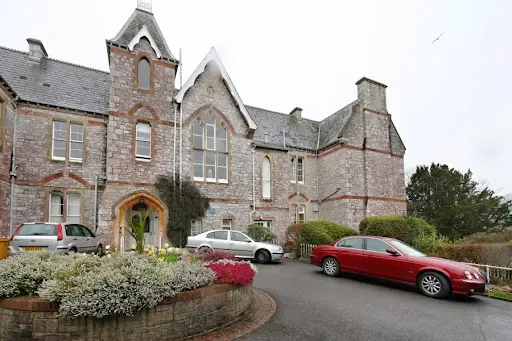
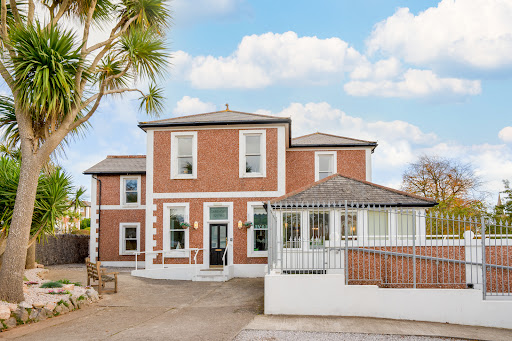
Mr C's at 4-6 Matlock Terrace, Torquay was rated Good across all five inspection domains at its last inspection in May 2022, a genuine improvement on its previous Requires Improvement rating. The home offers nursing care for up to 40 people, including those living with dementia and adults under 65, and has a named registered manager in post. An improvement of this kind across every domain is an encouraging sign that previous concerns were taken seriously and addressed. The main limitation for families is that the published inspection text contains very little specific detail about what inspectors actually observed inside the home. This means the Good rating is confirmed but the evidence behind it is not fully visible. Before visiting, prepare a specific list of questions: ask about night staffing ratios (how many nurses and carers are on overnight for 40 beds), how dementia care is delivered day to day, what the activity programme looks like in practice, and what proportion of shifts in the last month were covered by agency rather than permanent staff. A visit at a mealtime or mid-morning activity session will tell you more than any published report.
The three questions to ask when you visitSave this home. Compare it against your shortlist.
Let our analysis show you how Mr 'C's measures up against the other homes you’re considering. Free account.
In Their Own Words
How Mr 'C's describes itself — collected from its own website. DCC has not edited or independently verified the content in this tab.
Mixed experiences highlight staffing challenges in budget Torquay home
Dedicated nursing home Support in Torquay
Mr 'C's in Torquay presents a complex picture that reflects the pressures facing many budget care homes. While some families praise the dedication of individual care workers and the quality of home-cooked meals, others report concerning gaps in communication and professional standards. This divide suggests a home where committed staff struggle within significant operational constraints.
Who they care for
Mr 'C's provides residential care for adults both under and over 65, including those living with dementia.
For residents with dementia, the home offers specialised support, with at least one family reporting their relative's condition remained stable during their stay.
“Prospective families should weigh the home's affordability against reported service inconsistencies when making their decision.”
DCC does not edit or curate content in this tab. For independently curated information, see The Evidence and DCC Verdict.
The DCC Verdict
Our editorial view, built from the three lenses: what families tell us, what inspectors record, and how the home sits against good dementia-care practice.
DCC Family Score
Mr C's has improved to a Good rating across all five inspection domains, which is a meaningful step forward from its previous Requires Improvement rating. However, the published inspection text contains very little specific detail, so most scores reflect that positive direction rather than verified, specific evidence.
Homes in South West typically score 68–82.The three-lens summary
What families tell us
Families who've had positive experiences describe care workers as patient and hardworking, with one visitor noting how staff helped their relative's dementia symptoms stabilise during their stay. The bright, recently decorated communal spaces create a cheerful environment, though response times to call buttons can vary when the home is stretched thin.
What inspectors have recorded
Communication emerges as the most divisive aspect of care here. Some families report significant difficulties reaching the home by phone and getting responses to concerns, while others find the staff approachable despite acknowledged understaffing. The home's budget-friendly pricing reflects these operational trade-offs, which some families accept while others find the gaps in professional standards too concerning.
How it sits against good practice
Prospective families should weigh the home's affordability against reported service inconsistencies when making their decision.
Worth a visit
Mr C's at 4-6 Matlock Terrace, Torquay was rated Good across all five inspection domains at its last inspection in May 2022, a genuine improvement on its previous Requires Improvement rating. The home offers nursing care for up to 40 people, including those living with dementia and adults under 65, and has a named registered manager in post. An improvement of this kind across every domain is an encouraging sign that previous concerns were taken seriously and addressed. The main limitation for families is that the published inspection text contains very little specific detail about what inspectors actually observed inside the home. This means the Good rating is confirmed but the evidence behind it is not fully visible. Before visiting, prepare a specific list of questions: ask about night staffing ratios (how many nurses and carers are on overnight for 40 beds), how dementia care is delivered day to day, what the activity programme looks like in practice, and what proportion of shifts in the last month were covered by agency rather than permanent staff. A visit at a mealtime or mid-morning activity session will tell you more than any published report.
The three questions to ask when you visitSave this home. Compare it against your shortlist.
Let our analysis show you how Mr 'C's measures up against the other homes you’re considering. Free account.
In Their Own Words
How Mr 'C's describes itself — collected from its own website. DCC has not edited or independently verified the content in this tab.
Mixed experiences highlight staffing challenges in budget Torquay home
Dedicated nursing home Support in Torquay
Mr 'C's in Torquay presents a complex picture that reflects the pressures facing many budget care homes. While some families praise the dedication of individual care workers and the quality of home-cooked meals, others report concerning gaps in communication and professional standards. This divide suggests a home where committed staff struggle within significant operational constraints.
Who they care for
Mr 'C's provides residential care for adults both under and over 65, including those living with dementia.
For residents with dementia, the home offers specialised support, with at least one family reporting their relative's condition remained stable during their stay.
Management & ethos
Communication emerges as the most divisive aspect of care here. Some families report significant difficulties reaching the home by phone and getting responses to concerns, while others find the staff approachable despite acknowledged understaffing. The home's budget-friendly pricing reflects these operational trade-offs, which some families accept while others find the gaps in professional standards too concerning.
The home & environment
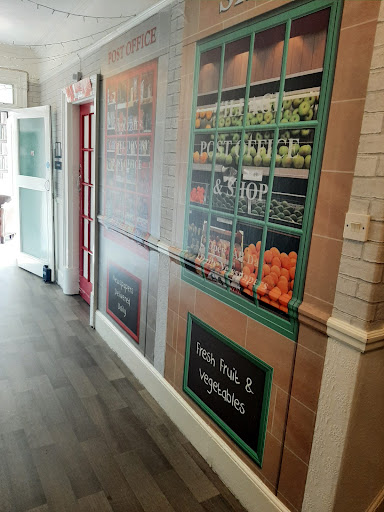
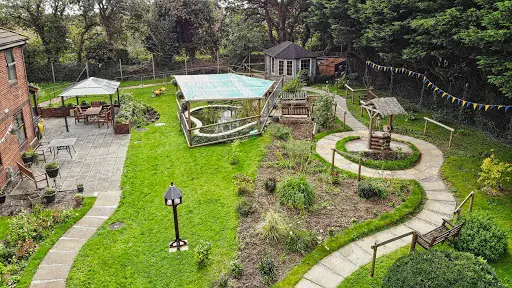
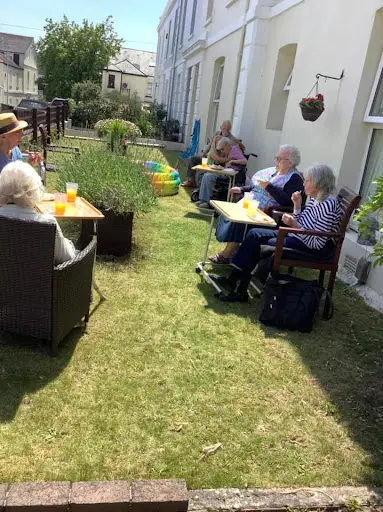
The kitchen receives consistent praise, with home-cooked meals offering good variety and staff accommodating individual dietary preferences. Communal areas are kept clean and tidy, with regular room cleaning maintaining standards throughout. While there's no dedicated garden, staff make efforts to ensure residents can enjoy the outdoor seating area when weather permits.
“Prospective families should weigh the home's affordability against reported service inconsistencies when making their decision.”
DCC does not edit or curate content in this tab. For independently curated information, see The Evidence and DCC Verdict.