Mountside Care Home
At a Glance
The information you need to decide whether this home warrants a closer look.
Residential homes
Staff warmth score
of reviewers answered yes
Good to know
- Registered beds52
- SpecialismsCaring for adults over 65 yrs, Caring for adults under 65 yrs, Dementia, Physical disabilities, Sensory impairment
- Last inspected2022-11-30
Save Mountside Care Home to your shortlist
Keep a running list, add visit notes, and compare homes side-by-side. Free account — it takes a minute.
STAGE 4 — RESEARCHING CARE HOMES
Visit homes. Compare them side by side. Choose with confidence.
Most of us will view care homes the way we view houses, impression, atmosphere, the feeling in the corridor. We go home, try to remember what we saw, and make a permanent decision from a blurred memory.

The DCC shortlist gives every home you visit a structured record: the same twelve questions, answered the same way, every time. When you’re ready to choose, pull any two homes side by side and compare them directly. Same criteria, same evidence, your notes and your scores.
The Evidence
What the review data, the inspection reports, and the dementia-care evidence base tell us about this home.
What families say
Visitors often comment on the cheerful atmosphere they find here. Family members say staff treat residents with genuine dignity and take time to respond properly to requests. The admissions process gets particular praise for being both professional and reassuring during what can be an anxious time.
The eight family priority themes
- Staff warmth55
- Compassion & dignity58
- Cleanliness60
- Activities & engagement50
- Food quality50
- Healthcare58
- Management & leadership42
- Resident happiness55
What inspectors found
Inspected 2022-11-30
Is this home safe?
Is the care effective?
The Effective domain was rated Good at the November 2022 inspection. This suggests that inspectors found training, care planning, and healthcare access to be at an acceptable standard. The home lists dementia as a specialism, which implies some expectation of specific knowledge and adapted practice. The published inspection text does not provide detail about care plan content, GP access arrangements, or dementia training programmes. Food quality and dietary management are also not described in the published findings.Is this home caring?
The Caring domain was rated Good at the November 2022 inspection. This indicates that inspectors found staff interactions, dignity, and respect to be at an acceptable level. The published inspection text does not include specific observations of staff behaviour, resident testimony about how they are treated, or examples of how the home protects privacy during personal care. No quotes from residents or relatives are available in the published findings for this domain.Is the home responsive?
The Responsive domain was rated Good at the November 2022 inspection. This suggests that inspectors found the home to be addressing individual needs, providing activities, and making arrangements for end-of-life care at an acceptable level. The home supports people with dementia, physical disabilities, and sensory impairment, which means responsiveness to varied and complex needs is particularly important. The published inspection text does not describe specific activities, individual engagement approaches, or end-of-life planning arrangements.Is the home well-led?
The Well-led domain was rated Requires Improvement at the November 2022 inspection, while the other four domains were rated Good. This means inspectors found specific gaps in how the home is managed, monitored, or governed at that time. The home is run by Downlands Care Limited, with a registered manager and a nominated individual identified in the registration record. A post-inspection data review in July 2023 found no evidence requiring a rating change, but the Well-led rating of Requires Improvement has not been formally revised upward.
Source: CQC inspection report →
What the evidence base says
The home cares for adults both under and over 65, including those with physical disabilities or sensory impairments. They also provide specialist dementia care. For residents with dementia, the combination of consistent routines and patient staff interaction appears particularly valuable. The home's experience supporting people with different stages of dementia helps families feel their loved ones will be understood. All areas worth probing directly during a visit.
The DCC Verdict
Our editorial view, built from the three lenses: what families tell us, what inspectors record, and how the home sits against good dementia-care practice.
DCC Family Score
Mountside Care Home scores in the mid-range overall, reflecting solid Good ratings across most care domains but held back by a Requires Improvement in Well-led. The inspection report provides limited specific detail, so several scores reflect the rating grade rather than rich observational evidence.
Homes in South East typically score 68–82.The three-lens summary
What families tell us
Visitors often comment on the cheerful atmosphere they find here. Family members say staff treat residents with genuine dignity and take time to respond properly to requests. The admissions process gets particular praise for being both professional and reassuring during what can be an anxious time.
What inspectors have recorded
How it sits against good practice
Sometimes it's the everyday moments that matter most — a proper cup of tea, someone who remembers how you like things done.
Worth a visit
Mountside Care Home, at 9-11 Laton Road, Hastings, was rated Good overall at its most recent inspection in November 2022, an improvement on its previous Requires Improvement rating. Four of the five inspection domains (Safe, Effective, Caring, and Responsive) were rated Good, which suggests the home had made meaningful progress in the quality of day-to-day care in the period leading up to the inspection. The home supports up to 52 people, including adults with dementia, physical disabilities, and sensory impairment. The main area of concern is the Well-led domain, which was rated Requires Improvement at the same inspection. This means inspectors found gaps in how the home is managed, monitored, or governed, and those gaps had not been fully resolved at the time of inspection. A post-inspection review in July 2023 found no reason to change the rating, but the Well-led rating remains an important question to explore. On a visit, ask to meet the registered manager, ask how long they have been in post, and ask what specific changes were made following the inspection. The published report provides very limited observational detail, so much of what you need to know about daily life, staffing levels, activity quality, and food will need to be assessed in person.
The three questions to ask when you visitSave this home. Compare it against your shortlist.
Let our analysis show you how Mountside Care Home measures up against the other homes you’re considering. Free account.
In Their Own Words
How Mountside Care Home describes itself — collected from its own website. DCC has not edited or independently verified the content in this tab.
Finding comfort through small kindnesses every day in Hastings
Dedicated residential home Support in Hastings
When families describe the care at Mountside Care Home in Hastings, they often mention how staff take time to chat and laugh with residents. This approach to care seems to make a real difference to people adjusting to their new surroundings. The home supports adults with various needs, including dementia care and physical disabilities.
Who they care for
The home cares for adults both under and over 65, including those with physical disabilities or sensory impairments. They also provide specialist dementia care.
For residents with dementia, the combination of consistent routines and patient staff interaction appears particularly valuable. The home's experience supporting people with different stages of dementia helps families feel their loved ones will be understood.
“Sometimes it's the everyday moments that matter most — a proper cup of tea, someone who remembers how you like things done.”
DCC does not edit or curate content in this tab. For independently curated information, see The Evidence and DCC Verdict.
The DCC Verdict
Our editorial view, built from the three lenses: what families tell us, what inspectors record, and how the home sits against good dementia-care practice.
DCC Family Score
Mountside Care Home scores in the mid-range overall, reflecting solid Good ratings across most care domains but held back by a Requires Improvement in Well-led. The inspection report provides limited specific detail, so several scores reflect the rating grade rather than rich observational evidence.
Homes in South East typically score 68–82.The three-lens summary
What families tell us
Visitors often comment on the cheerful atmosphere they find here. Family members say staff treat residents with genuine dignity and take time to respond properly to requests. The admissions process gets particular praise for being both professional and reassuring during what can be an anxious time.
What inspectors have recorded
How it sits against good practice
Sometimes it's the everyday moments that matter most — a proper cup of tea, someone who remembers how you like things done.
Worth a visit
Mountside Care Home, at 9-11 Laton Road, Hastings, was rated Good overall at its most recent inspection in November 2022, an improvement on its previous Requires Improvement rating. Four of the five inspection domains (Safe, Effective, Caring, and Responsive) were rated Good, which suggests the home had made meaningful progress in the quality of day-to-day care in the period leading up to the inspection. The home supports up to 52 people, including adults with dementia, physical disabilities, and sensory impairment. The main area of concern is the Well-led domain, which was rated Requires Improvement at the same inspection. This means inspectors found gaps in how the home is managed, monitored, or governed, and those gaps had not been fully resolved at the time of inspection. A post-inspection review in July 2023 found no reason to change the rating, but the Well-led rating remains an important question to explore. On a visit, ask to meet the registered manager, ask how long they have been in post, and ask what specific changes were made following the inspection. The published report provides very limited observational detail, so much of what you need to know about daily life, staffing levels, activity quality, and food will need to be assessed in person.
The three questions to ask when you visitSave this home. Compare it against your shortlist.
Let our analysis show you how Mountside Care Home measures up against the other homes you’re considering. Free account.
In Their Own Words
How Mountside Care Home describes itself — collected from its own website. DCC has not edited or independently verified the content in this tab.
Finding comfort through small kindnesses every day in Hastings
Dedicated residential home Support in Hastings
When families describe the care at Mountside Care Home in Hastings, they often mention how staff take time to chat and laugh with residents. This approach to care seems to make a real difference to people adjusting to their new surroundings. The home supports adults with various needs, including dementia care and physical disabilities.
Who they care for
The home cares for adults both under and over 65, including those with physical disabilities or sensory impairments. They also provide specialist dementia care.
For residents with dementia, the combination of consistent routines and patient staff interaction appears particularly valuable. The home's experience supporting people with different stages of dementia helps families feel their loved ones will be understood.
The home & environment
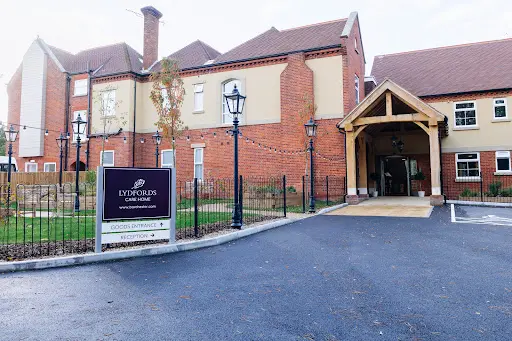
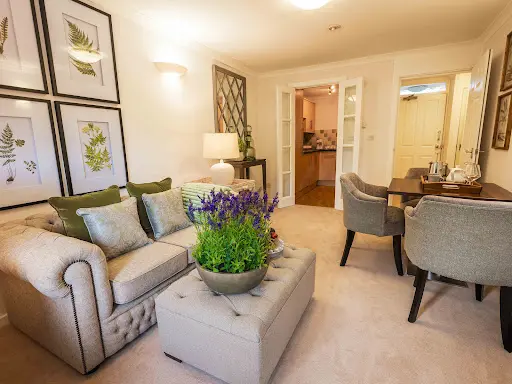
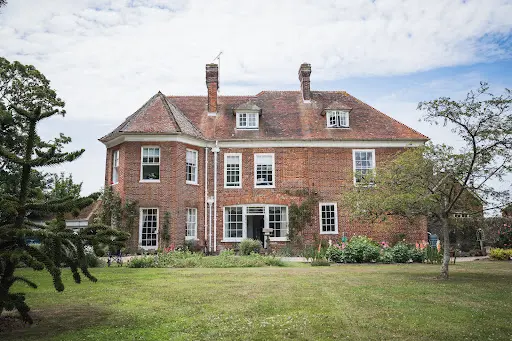
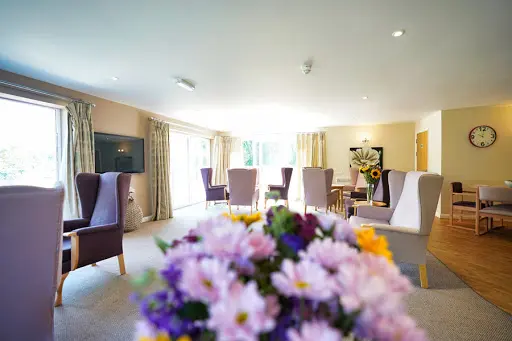
The kitchen prepares meals fresh each day, with families noting good nutrition and flexibility around dietary needs. The home itself is described as clean and well-furnished, with accessible outdoor areas for residents to enjoy. Weekly entertainment and personal services like hairdressing help maintain familiar routines.
“Sometimes it's the everyday moments that matter most — a proper cup of tea, someone who remembers how you like things done.”
DCC does not edit or curate content in this tab. For independently curated information, see The Evidence and DCC Verdict.