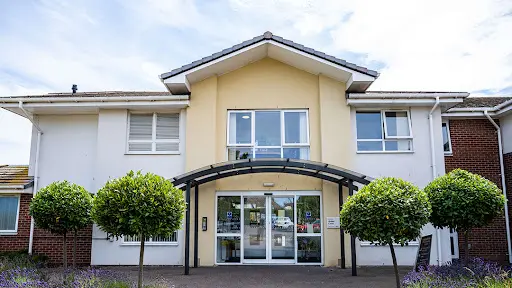
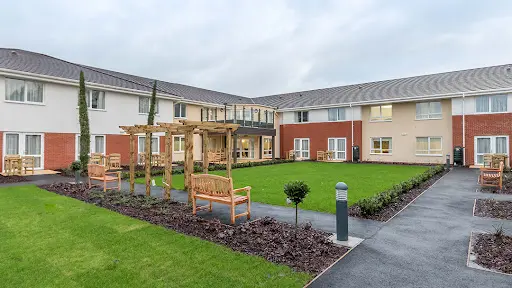
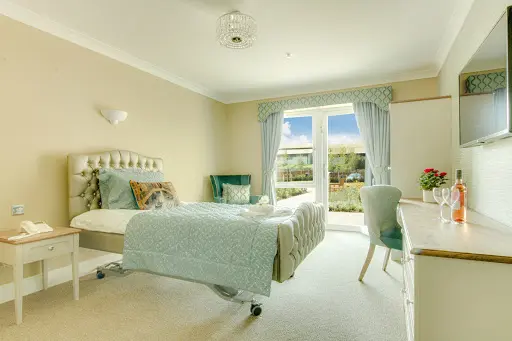
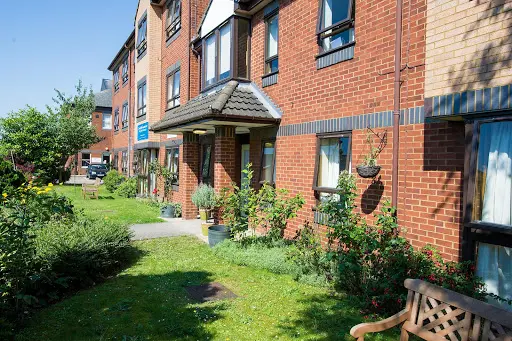
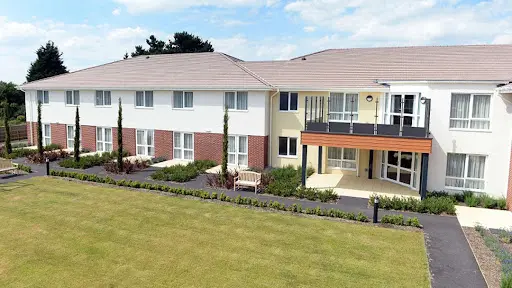
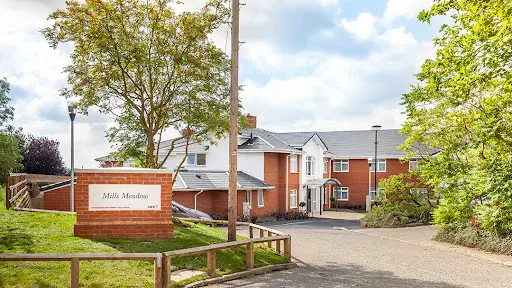
Mills Meadow Care Home – Care UK
At a Glance
The information you need to decide whether this home warrants a closer look.
Residential homes
Staff warmth score
of reviewers answered yes
Good to know
- Registered beds60
- SpecialismsCaring for adults over 65 yrs, Dementia
- Last inspected2019-08-30
Save Mills Meadow Care Home – Care UK to your shortlist
Keep a running list, add visit notes, and compare homes side-by-side. Free account — it takes a minute.
STAGE 4 — RESEARCHING CARE HOMES
Visit homes. Compare them side by side. Choose with confidence.
Most of us will view care homes the way we view houses, impression, atmosphere, the feeling in the corridor. We go home, try to remember what we saw, and make a permanent decision from a blurred memory.

The DCC shortlist gives every home you visit a structured record: the same twelve questions, answered the same way, every time. When you’re ready to choose, pull any two homes side by side and compare them directly. Same criteria, same evidence, your notes and your scores.
The Evidence
What the review data, the inspection reports, and the dementia-care evidence base tell us about this home.
What families say
Families consistently describe the atmosphere here as supportive and welcoming. The home organises themed social events that bring residents and visitors together, creating moments of shared enjoyment that go beyond routine care.
The eight family priority themes
- Staff warmth82
- Compassion & dignity85
- Cleanliness72
- Activities & engagement82
- Food quality65
- Healthcare68
- Management & leadership72
- Resident happiness78
What inspectors found
Inspected 2019-08-30
Is this home safe?
Is the care effective?
Mills Meadow was rated Good for effectiveness at its July 2019 inspection. This covers training, care planning, healthcare access, nutrition, and hydration. The home lists dementia as a specialism, which implies specific training and environmental adaptation, but the published summary provides no detail on what dementia training staff receive, how often care plans are reviewed, or how GP access is arranged. Food quality and choice are implied to meet baseline standards through the Good rating but are not described specifically.Is this home caring?
Inspectors rated caring as Outstanding at Mills Meadow in July 2019. This is the highest possible rating and requires strong, specific evidence of warmth, dignity, and respectful practice, not just general compliance. An Outstanding caring rating means inspectors observed or received testimony that staff treat the people who live here as individuals, not as a group to be managed. The published summary does not reproduce the specific observations or quotes that supported this rating, but the rating itself carries significant evidential weight.Is the home responsive?
Responsiveness was also rated Outstanding at the July 2019 inspection. This domain covers how well the home tailors daily life to each individual, the quality and variety of activities, how complaints are handled, and how end-of-life care is planned. An Outstanding rating here means inspectors found strong evidence that the home goes beyond a standard activity programme and organises care and daily life around individual histories, preferences, and changing needs. Specific activities, individual engagement approaches, and complaint-handling examples are not reproduced in the published summary.Is the home well-led?
Mills Meadow was rated Good for being well-led at the July 2019 inspection. The registered manager is named as Mrs Kate Laura Smith, and the nominated individual for Care UK Community Partnerships Ltd is Ms Rachel Louise Harvey. A Good well-led rating means inspectors were satisfied that governance systems, staff culture, and accountability structures were functioning adequately. The published summary does not describe specific examples of how the manager engages with staff, residents, or families, or how the home responds to quality concerns.
Source: CQC inspection report →
What the evidence base says
Mills Meadow provides specialist dementia care alongside their general care for adults over 65. The home's dementia care approach focuses on person-centred support that addresses both physical and emotional needs. Families with loved ones receiving dementia care here have noted the consistent quality of attention their relatives receive. All areas worth probing directly during a visit.
The DCC Verdict
Our editorial view, built from the three lenses: what families tell us, what inspectors record, and how the home sits against good dementia-care practice.
DCC Family Score
Mills Meadow scores well overall, driven by its Outstanding ratings for caring and responsiveness, which align closely with the things families tell us matter most. Scores for food, healthcare, and management are held back by limited specific detail in the published inspection findings.
Homes in East typically score 68–82.The three-lens summary
What families tell us
Families consistently describe the atmosphere here as supportive and welcoming. The home organises themed social events that bring residents and visitors together, creating moments of shared enjoyment that go beyond routine care.
What inspectors have recorded
What stands out across family experiences is how staff respond to both resident and family needs with genuine attentiveness. The team's approach combines professional care standards with the kind of personal touch that helps residents feel truly looked after.
How it sits against good practice
Mills Meadow continues to support residents through both short stays and longer-term care with the same steady commitment to wellbeing.
Worth a visit
Mills Meadow in Woodbridge was rated Outstanding at its last inspection in July 2019, having improved from Good at its previous assessment. Inspectors rated caring and responsiveness as Outstanding, meaning the home met an exceptionally high bar for kindness, dignity, and tailoring life at the home to each person as an individual. Safety, effectiveness, and leadership were rated Good, indicating solid and compliant practice across those areas. The main uncertainty here is the age of the evidence. The inspection took place in July 2019, more than five years ago, and a review in July 2023 found no reason to reassess the rating rather than confirming fresh findings. Staff teams, managers, and care practices can change considerably over five years. When you visit, ask specifically about manager tenure and any significant staffing changes since 2019, and observe whether the warmth and individuality that earned Outstanding are still visible in everyday interactions.
The three questions to ask when you visitSave this home. Compare it against your shortlist.
Let our analysis show you how Mills Meadow Care Home – Care UK measures up against the other homes you’re considering. Free account.
In Their Own Words
How Mills Meadow Care Home – Care UK describes itself — collected from its own website. DCC has not edited or independently verified the content in this tab.
Where professional care meets genuine warmth in Woodbridge
Compassionate Care in Woodbridge at Mills Meadow
When families describe the care at Mills Meadow in Woodbridge, they talk about staff who truly listen and respond. This care home for adults over 65 has built a reputation for creating an atmosphere where residents feel genuinely comfortable and families feel heard.
Who they care for
Mills Meadow provides specialist dementia care alongside their general care for adults over 65.
The home's dementia care approach focuses on person-centred support that addresses both physical and emotional needs. Families with loved ones receiving dementia care here have noted the consistent quality of attention their relatives receive.
“Mills Meadow continues to support residents through both short stays and longer-term care with the same steady commitment to wellbeing.”
DCC does not edit or curate content in this tab. For independently curated information, see The Evidence and DCC Verdict.
The DCC Verdict
Our editorial view, built from the three lenses: what families tell us, what inspectors record, and how the home sits against good dementia-care practice.
DCC Family Score
Mills Meadow scores well overall, driven by its Outstanding ratings for caring and responsiveness, which align closely with the things families tell us matter most. Scores for food, healthcare, and management are held back by limited specific detail in the published inspection findings.
Homes in East typically score 68–82.The three-lens summary
What families tell us
Families consistently describe the atmosphere here as supportive and welcoming. The home organises themed social events that bring residents and visitors together, creating moments of shared enjoyment that go beyond routine care.
What inspectors have recorded
What stands out across family experiences is how staff respond to both resident and family needs with genuine attentiveness. The team's approach combines professional care standards with the kind of personal touch that helps residents feel truly looked after.
How it sits against good practice
Mills Meadow continues to support residents through both short stays and longer-term care with the same steady commitment to wellbeing.
Worth a visit
Mills Meadow in Woodbridge was rated Outstanding at its last inspection in July 2019, having improved from Good at its previous assessment. Inspectors rated caring and responsiveness as Outstanding, meaning the home met an exceptionally high bar for kindness, dignity, and tailoring life at the home to each person as an individual. Safety, effectiveness, and leadership were rated Good, indicating solid and compliant practice across those areas. The main uncertainty here is the age of the evidence. The inspection took place in July 2019, more than five years ago, and a review in July 2023 found no reason to reassess the rating rather than confirming fresh findings. Staff teams, managers, and care practices can change considerably over five years. When you visit, ask specifically about manager tenure and any significant staffing changes since 2019, and observe whether the warmth and individuality that earned Outstanding are still visible in everyday interactions.
The three questions to ask when you visitSave this home. Compare it against your shortlist.
Let our analysis show you how Mills Meadow Care Home – Care UK measures up against the other homes you’re considering. Free account.
In Their Own Words
How Mills Meadow Care Home – Care UK describes itself — collected from its own website. DCC has not edited or independently verified the content in this tab.
Where professional care meets genuine warmth in Woodbridge
Compassionate Care in Woodbridge at Mills Meadow
When families describe the care at Mills Meadow in Woodbridge, they talk about staff who truly listen and respond. This care home for adults over 65 has built a reputation for creating an atmosphere where residents feel genuinely comfortable and families feel heard.
Who they care for
Mills Meadow provides specialist dementia care alongside their general care for adults over 65.
The home's dementia care approach focuses on person-centred support that addresses both physical and emotional needs. Families with loved ones receiving dementia care here have noted the consistent quality of attention their relatives receive.
Management & ethos
What stands out across family experiences is how staff respond to both resident and family needs with genuine attentiveness. The team's approach combines professional care standards with the kind of personal touch that helps residents feel truly looked after.
“Mills Meadow continues to support residents through both short stays and longer-term care with the same steady commitment to wellbeing.”
DCC does not edit or curate content in this tab. For independently curated information, see The Evidence and DCC Verdict.