Cleeve Lodge Residential Care Home
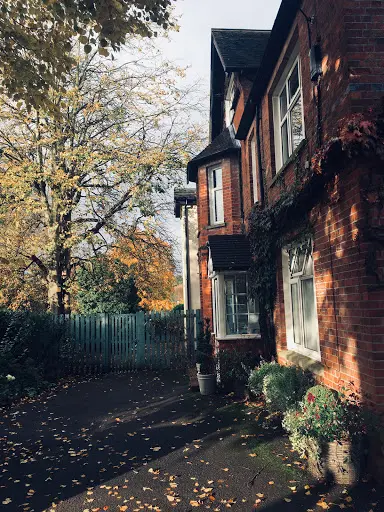
At a Glance
The information you need to decide whether this home warrants a closer look.
Residential homes
Staff warmth score
of reviewers answered yes
Good to know
- Registered beds23
- SpecialismsCaring for adults over 65 yrs, Dementia
- Last inspected2019-04-17
Save Cleeve Lodge Residential Care Home to your shortlist
Keep a running list, add visit notes, and compare homes side-by-side. Free account — it takes a minute.
STAGE 4 — RESEARCHING CARE HOMES
Visit homes. Compare them side by side. Choose with confidence.
Most of us will view care homes the way we view houses, impression, atmosphere, the feeling in the corridor. We go home, try to remember what we saw, and make a permanent decision from a blurred memory.

The DCC shortlist gives every home you visit a structured record: the same twelve questions, answered the same way, every time. When you’re ready to choose, pull any two homes side by side and compare them directly. Same criteria, same evidence, your notes and your scores.
The Evidence
What the review data, the inspection reports, and the dementia-care evidence base tell us about this home.
What families say
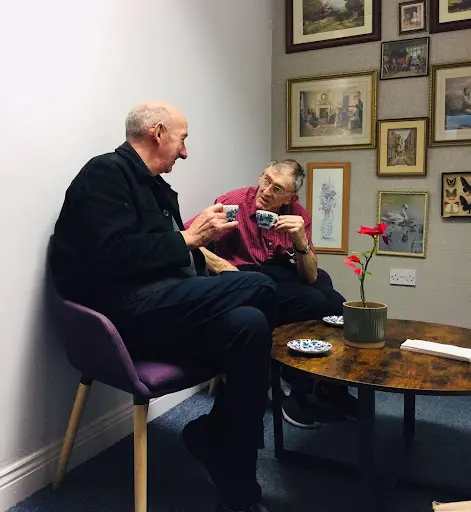
Visitors notice the friendly atmosphere straight away. The staff here have a knack for making people feel comfortable, whether you're popping in for a look around or spending time with someone you love. There's a quietness about the place that feels calming rather than isolated.
The eight family priority themes
- Staff warmth85
- Compassion & dignity88
- Cleanliness75
- Activities & engagement75
- Food quality72
- Healthcare88
- Management & leadership78
- Resident happiness78
What inspectors found
Inspected 2019-04-17
Is this home safe?
Is the care effective?
Inspectors rated Effective as Outstanding at the February 2025 inspection. This is the highest possible rating and requires specific, direct evidence rather than general compliance. In a home specialising in dementia care, Outstanding Effective means inspectors found that care plans were detailed and person-centred, staff training was substantive and applied in practice, and healthcare needs were identified and acted on promptly. The published summary does not include verbatim examples or direct observations, but the rating itself is a meaningful benchmark.Is this home caring?
Inspectors rated Caring as Outstanding at the February 2025 inspection. An Outstanding Caring rating is only awarded where inspectors find specific, consistent evidence across multiple observations, conversations with residents and relatives, and record reviews. In a dementia specialist home, this rating reflects how staff communicate with people who may not be able to express their needs verbally, how privacy is maintained during personal care, and whether independence is supported rather than replaced. The published summary does not include direct quotes from residents or relatives, which is a limitation of the available text.Is the home responsive?
Inspectors rated Responsive as Good at the February 2025 inspection. This means inspectors found that the home responded to individual needs and preferences, complaints were handled appropriately, and people's changing needs were acted on. The published summary does not include specific detail on the activities programme, how the home supports people with advanced dementia to stay engaged, or how end-of-life care is planned. These are areas that a Good rather than Outstanding rating leaves open to further exploration.Is the home well-led?
Inspectors rated Well-led as Good at the February 2025 inspection. The registered manager is Miss Emma-Jane O'Connor and the nominated individual is Mrs Satwant Gill. A Good Well-led rating means inspectors found governance systems were functioning, staff were supported, and there was a clear accountability structure. The published summary does not include detail on manager tenure, staff turnover, or how the home handles occupancy pressures, which are the leadership indicators most closely linked to quality trajectory over time.
Source: CQC inspection report →
What the evidence base says
Cleeve Lodge focuses on caring for people over 65, with particular experience in dementia support. For those living with dementia, the home provides specialised care in surroundings designed to feel familiar and safe. The quiet, settled atmosphere can be particularly helpful when the world feels overwhelming. All areas worth probing directly during a visit.
The DCC Verdict
Our editorial view, built from the three lenses: what families tell us, what inspectors record, and how the home sits against good dementia-care practice.
DCC Family Score
Cleeve Lodge scores strongly on the themes families care about most, with Outstanding ratings in Effective and Caring reflecting detailed evidence of kind, knowledgeable staff and good healthcare practice. Scores in areas such as food, activities, and cleanliness reflect a lack of specific inspection detail rather than any identified concern.
Homes in South East typically score 68–82.The three-lens summary
What families tell us
Visitors notice the friendly atmosphere straight away. The staff here have a knack for making people feel comfortable, whether you're popping in for a look around or spending time with someone you love. There's a quietness about the place that feels calming rather than isolated.
What inspectors have recorded
How it sits against good practice
Sometimes the right place just feels right when you walk through the door.
Worth a visit
Cleeve Lodge, a 23-bed residential home in Reading specialising in dementia care and care for older adults, was rated Outstanding at its most recent inspection in February 2025. Inspectors awarded Outstanding in both Effective and Caring, with Good ratings in Safe, Responsive, and Well-led. An Outstanding Caring rating is awarded only where inspectors find specific, consistent evidence of kind and respectful staff interactions, and an Outstanding Effective rating requires substantive proof that care planning, training, and healthcare are genuinely well executed rather than compliant on paper. The main limitation for families is that the published summary is brief, so specific detail on areas such as food, activities, night staffing, and dementia-specific environment design is not available. The inspection findings are strongly positive, but you should use your visit to gather the practical detail that matters for your parent. Ask to see a recent activity schedule, ask how many staff are on overnight, and spend time observing how staff and residents interact in communal spaces when nothing formal is happening.
The three questions to ask when you visitSave this home. Compare it against your shortlist.
Let our analysis show you how Cleeve Lodge Residential Care Home measures up against the other homes you’re considering. Free account.
In Their Own Words
How Cleeve Lodge Residential Care Home describes itself — collected from its own website. DCC has not edited or independently verified the content in this tab.
Where kindness meets comfort in Reading's dementia care
Compassionate Care in Reading at Cleeve Lodge
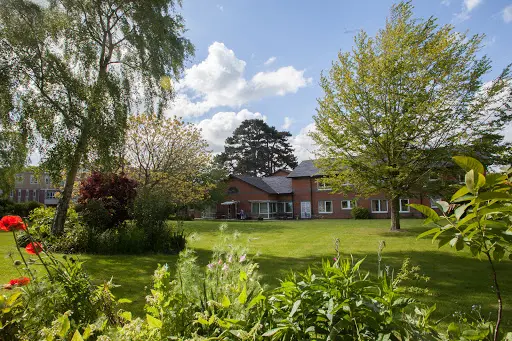
When dementia changes everything, the warmth of genuine care makes all the difference. Cleeve Lodge in Reading offers that reassuring combination of friendly faces and spotless surroundings that helps everyone breathe a little easier. Tucked away as a peaceful haven, this home welcomes those over 65 who need that extra support.
Who they care for
Cleeve Lodge focuses on caring for people over 65, with particular experience in dementia support.
For those living with dementia, the home provides specialised care in surroundings designed to feel familiar and safe. The quiet, settled atmosphere can be particularly helpful when the world feels overwhelming.
“Sometimes the right place just feels right when you walk through the door.”
DCC does not edit or curate content in this tab. For independently curated information, see The Evidence and DCC Verdict.
The DCC Verdict
Our editorial view, built from the three lenses: what families tell us, what inspectors record, and how the home sits against good dementia-care practice.
DCC Family Score
Cleeve Lodge scores strongly on the themes families care about most, with Outstanding ratings in Effective and Caring reflecting detailed evidence of kind, knowledgeable staff and good healthcare practice. Scores in areas such as food, activities, and cleanliness reflect a lack of specific inspection detail rather than any identified concern.
Homes in South East typically score 68–82.The three-lens summary
What families tell us
Visitors notice the friendly atmosphere straight away. The staff here have a knack for making people feel comfortable, whether you're popping in for a look around or spending time with someone you love. There's a quietness about the place that feels calming rather than isolated.
What inspectors have recorded
How it sits against good practice
Sometimes the right place just feels right when you walk through the door.
Worth a visit
Cleeve Lodge, a 23-bed residential home in Reading specialising in dementia care and care for older adults, was rated Outstanding at its most recent inspection in February 2025. Inspectors awarded Outstanding in both Effective and Caring, with Good ratings in Safe, Responsive, and Well-led. An Outstanding Caring rating is awarded only where inspectors find specific, consistent evidence of kind and respectful staff interactions, and an Outstanding Effective rating requires substantive proof that care planning, training, and healthcare are genuinely well executed rather than compliant on paper. The main limitation for families is that the published summary is brief, so specific detail on areas such as food, activities, night staffing, and dementia-specific environment design is not available. The inspection findings are strongly positive, but you should use your visit to gather the practical detail that matters for your parent. Ask to see a recent activity schedule, ask how many staff are on overnight, and spend time observing how staff and residents interact in communal spaces when nothing formal is happening.
The three questions to ask when you visitSave this home. Compare it against your shortlist.
Let our analysis show you how Cleeve Lodge Residential Care Home measures up against the other homes you’re considering. Free account.
In Their Own Words
How Cleeve Lodge Residential Care Home describes itself — collected from its own website. DCC has not edited or independently verified the content in this tab.
Where kindness meets comfort in Reading's dementia care
Compassionate Care in Reading at Cleeve Lodge
When dementia changes everything, the warmth of genuine care makes all the difference. Cleeve Lodge in Reading offers that reassuring combination of friendly faces and spotless surroundings that helps everyone breathe a little easier. Tucked away as a peaceful haven, this home welcomes those over 65 who need that extra support.
Who they care for
Cleeve Lodge focuses on caring for people over 65, with particular experience in dementia support.
For those living with dementia, the home provides specialised care in surroundings designed to feel familiar and safe. The quiet, settled atmosphere can be particularly helpful when the world feels overwhelming.
The home & environment
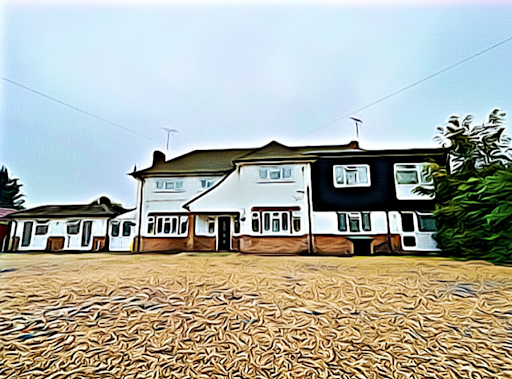
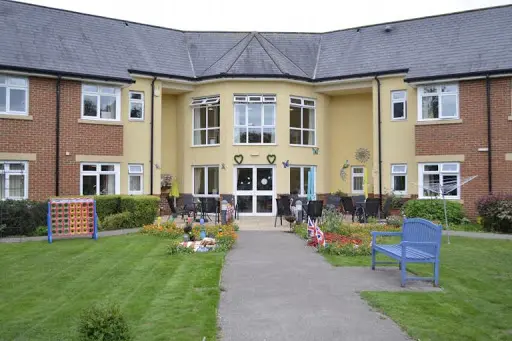
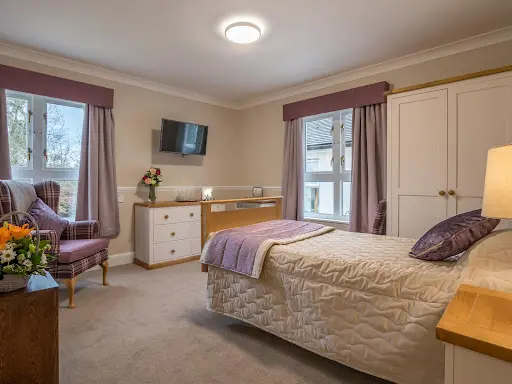
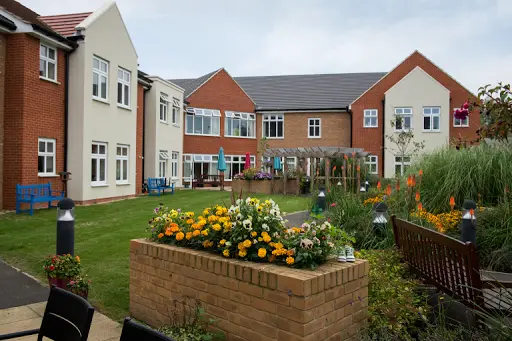
The home keeps everything clean and pleasant — the kind of attention to detail that shows they understand how surroundings affect wellbeing. It's the sort of place where you notice the care taken in maintaining a comfortable environment.
“Sometimes the right place just feels right when you walk through the door.”
DCC does not edit or curate content in this tab. For independently curated information, see The Evidence and DCC Verdict.