Exmouth House
At a Glance
The information you need to decide whether this home warrants a closer look.
Residential homes
Staff warmth score
of reviewers answered yes
Good to know
- Registered beds31
- SpecialismsCaring for adults over 65 yrs, Caring for adults under 65 yrs, Dementia
- Last inspected2020-05-06
Save Exmouth House to your shortlist
Keep a running list, add visit notes, and compare homes side-by-side. Free account — it takes a minute.
STAGE 4 — RESEARCHING CARE HOMES
Visit homes. Compare them side by side. Choose with confidence.
Most of us will view care homes the way we view houses, impression, atmosphere, the feeling in the corridor. We go home, try to remember what we saw, and make a permanent decision from a blurred memory.

The DCC shortlist gives every home you visit a structured record: the same twelve questions, answered the same way, every time. When you’re ready to choose, pull any two homes side by side and compare them directly. Same criteria, same evidence, your notes and your scores.
The Evidence
What the review data, the inspection reports, and the dementia-care evidence base tell us about this home.
What families say
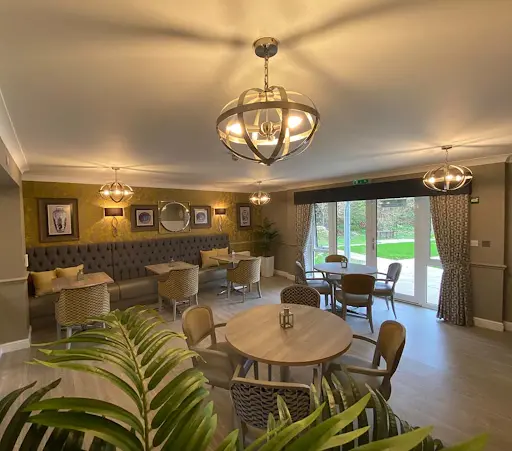
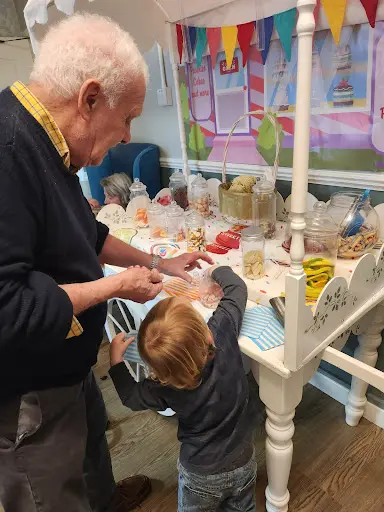
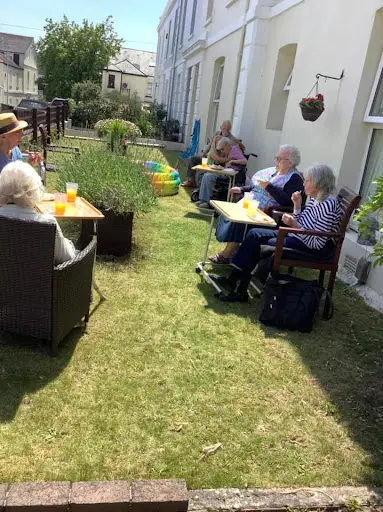
Families describe watching their relatives go from withdrawn to engaged, often within just a few weeks. The staff here seem to understand that settling in takes patience and genuine connection. Residents find themselves making friends naturally, whether chatting in the lounges or spending time together in the garden.
The eight family priority themes
- Staff warmth85
- Compassion & dignity88
- Cleanliness70
- Activities & engagement82
- Food quality65
- Healthcare68
- Management & leadership72
- Resident happiness80
What inspectors found
Inspected 2020-05-06
Is this home safe?
Is the care effective?
The Effective domain was rated Good at the March 2022 inspection. This covers training, care planning, healthcare access, and nutrition. The published summary does not include specific detail about how care plans are written or reviewed, what dementia training staff complete, or how GP and specialist access is arranged. No concerns were raised. The home holds a dementia specialism registration, which means it is formally recognised as providing care within this area.Is this home caring?
The Caring domain was rated Outstanding at the March 2022 inspection. This is the highest possible rating and means inspectors found specific, direct evidence that staff treat the people who live at Exmouth House with genuine warmth, dignity, and respect. The published summary does not reproduce the specific observations or quotes that underpinned this rating. No concerns were raised. An Outstanding Caring rating in combination with an Outstanding Responsive rating suggests a consistent culture of person-centred practice across day-to-day interactions.Is the home responsive?
The Responsive domain was rated Outstanding at the March 2022 inspection. This domain covers whether the home tailors activities, routines, and daily life to individual needs rather than running a one-size-fits-all programme. The published report text does not describe specific activities, one-to-one engagement practices, or end-of-life planning approaches in detail. No concerns were raised. The Outstanding rating, combined with the Caring domain rating, suggests the home has demonstrated a consistent approach to knowing and responding to each person as an individual.Is the home well-led?
The Well-led domain was rated Good at the March 2022 inspection. The home is operated by Amica Care Trust, with a named registered manager and a nominated individual identified in the published report. The published summary does not describe how the manager is visible to residents and families, how staff are supported to raise concerns, or what quality monitoring processes are in place. No concerns were raised. The improvement from Good to Outstanding overall since the previous inspection suggests leadership has been effective in driving genuine improvement.
Source: CQC inspection report →
What the evidence base says
The home cares for adults both under and over 65, including those living with dementia. While the home lists dementia as a specialism, families haven't shared specific details about their dementia care approach. You might want to ask about their methods for supporting residents with memory loss when you visit. All areas worth probing directly during a visit.
The DCC Verdict
Our editorial view, built from the three lenses: what families tell us, what inspectors record, and how the home sits against good dementia-care practice.
DCC Family Score
Exmouth House earned an Outstanding overall rating, with particularly strong inspection findings in how staff treat the people who live there and how well the home responds to individual needs. Several themes score lower simply because the published report text does not provide enough specific detail to confirm them, not because there are concerns.
Homes in South West typically score 68–82.The three-lens summary
What families tell us
Families describe watching their relatives go from withdrawn to engaged, often within just a few weeks. The staff here seem to understand that settling in takes patience and genuine connection. Residents find themselves making friends naturally, whether chatting in the lounges or spending time together in the garden.
What inspectors have recorded
Staff here are described as professional and attentive, with a manager who families find approachable. The team seems particularly skilled at reading what each resident needs to feel comfortable, especially during those first difficult days.
How it sits against good practice
Sometimes the right care home reveals itself not through grand gestures but through the small transformations — a smile returning, a friendship forming, a garden enjoyed.
Worth a visit
Exmouth House on Long Causeway in Exmouth holds an Outstanding overall rating from its most recent inspection, published in March 2022. This is the highest rating available, and the home improved to reach it from a previous rating of Good, which is a meaningful positive sign about the direction of care under its current management. Two of the five inspection domains, Caring and Responsive, were rated Outstanding, meaning inspectors found specific evidence that staff treat the people who live there with genuine warmth and that the home actively tailors life and activity to individual needs. The remaining three domains, Safe, Effective, and Well-led, were all rated Good, with no areas of concern identified. The main limitation of this report is that the published summary is short and does not contain the detailed inspector observations, resident quotes, or specific examples that would allow a fuller picture to be built. An Outstanding Caring rating is genuinely reassuring, but it should not replace a visit. When you go, watch how staff speak to your parent during the tour, whether they use their name, whether interactions feel unhurried, and whether someone with dementia in a communal area is being engaged or simply sitting unattended. Ask the manager specifically about night staffing numbers, agency staff use, and how your family would be kept informed if your parent's health changed.
The three questions to ask when you visitSave this home. Compare it against your shortlist.
Let our analysis show you how Exmouth House measures up against the other homes you’re considering. Free account.
In Their Own Words
How Exmouth House describes itself — collected from its own website. DCC has not edited or independently verified the content in this tab.
Where settling in becomes feeling at home in Exmouth
Exmouth House – Your Trusted residential home
For families watching a loved one struggle with the move into care, the transformation can feel almost miraculous. Exmouth House in Devon's coastal town seems to have a particular knack for helping residents find their feet — and their friends — in those crucial early weeks.
Who they care for
The home cares for adults both under and over 65, including those living with dementia.
While the home lists dementia as a specialism, families haven't shared specific details about their dementia care approach. You might want to ask about their methods for supporting residents with memory loss when you visit.
“Sometimes the right care home reveals itself not through grand gestures but through the small transformations — a smile returning, a friendship forming, a garden enjoyed.”
DCC does not edit or curate content in this tab. For independently curated information, see The Evidence and DCC Verdict.
The DCC Verdict
Our editorial view, built from the three lenses: what families tell us, what inspectors record, and how the home sits against good dementia-care practice.
DCC Family Score
Exmouth House earned an Outstanding overall rating, with particularly strong inspection findings in how staff treat the people who live there and how well the home responds to individual needs. Several themes score lower simply because the published report text does not provide enough specific detail to confirm them, not because there are concerns.
Homes in South West typically score 68–82.The three-lens summary
What families tell us
Families describe watching their relatives go from withdrawn to engaged, often within just a few weeks. The staff here seem to understand that settling in takes patience and genuine connection. Residents find themselves making friends naturally, whether chatting in the lounges or spending time together in the garden.
What inspectors have recorded
Staff here are described as professional and attentive, with a manager who families find approachable. The team seems particularly skilled at reading what each resident needs to feel comfortable, especially during those first difficult days.
How it sits against good practice
Sometimes the right care home reveals itself not through grand gestures but through the small transformations — a smile returning, a friendship forming, a garden enjoyed.
Worth a visit
Exmouth House on Long Causeway in Exmouth holds an Outstanding overall rating from its most recent inspection, published in March 2022. This is the highest rating available, and the home improved to reach it from a previous rating of Good, which is a meaningful positive sign about the direction of care under its current management. Two of the five inspection domains, Caring and Responsive, were rated Outstanding, meaning inspectors found specific evidence that staff treat the people who live there with genuine warmth and that the home actively tailors life and activity to individual needs. The remaining three domains, Safe, Effective, and Well-led, were all rated Good, with no areas of concern identified. The main limitation of this report is that the published summary is short and does not contain the detailed inspector observations, resident quotes, or specific examples that would allow a fuller picture to be built. An Outstanding Caring rating is genuinely reassuring, but it should not replace a visit. When you go, watch how staff speak to your parent during the tour, whether they use their name, whether interactions feel unhurried, and whether someone with dementia in a communal area is being engaged or simply sitting unattended. Ask the manager specifically about night staffing numbers, agency staff use, and how your family would be kept informed if your parent's health changed.
The three questions to ask when you visitSave this home. Compare it against your shortlist.
Let our analysis show you how Exmouth House measures up against the other homes you’re considering. Free account.
In Their Own Words
How Exmouth House describes itself — collected from its own website. DCC has not edited or independently verified the content in this tab.
Where settling in becomes feeling at home in Exmouth
Exmouth House – Your Trusted residential home
For families watching a loved one struggle with the move into care, the transformation can feel almost miraculous. Exmouth House in Devon's coastal town seems to have a particular knack for helping residents find their feet — and their friends — in those crucial early weeks.
Who they care for
The home cares for adults both under and over 65, including those living with dementia.
While the home lists dementia as a specialism, families haven't shared specific details about their dementia care approach. You might want to ask about their methods for supporting residents with memory loss when you visit.
Management & ethos
Staff here are described as professional and attentive, with a manager who families find approachable. The team seems particularly skilled at reading what each resident needs to feel comfortable, especially during those first difficult days.
The home & environment
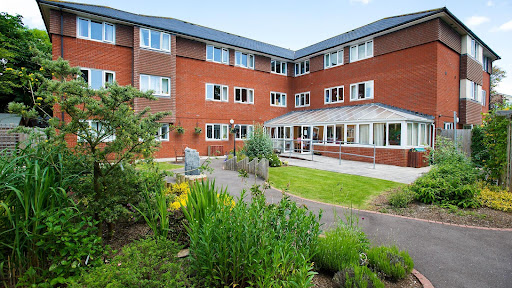
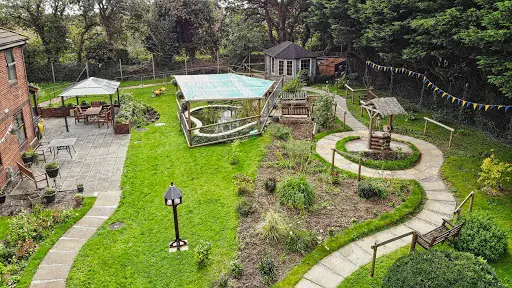
The home has garden spaces that residents can use freely, giving everyone the chance to enjoy fresh air and outdoor time. These areas become natural gathering spots where friendships develop over shared moments in the sunshine.
“Sometimes the right care home reveals itself not through grand gestures but through the small transformations — a smile returning, a friendship forming, a garden enjoyed.”
DCC does not edit or curate content in this tab. For independently curated information, see The Evidence and DCC Verdict.