Depperhaugh Care Home

At a Glance
The information you need to decide whether this home warrants a closer look.
Nursing homes
Staff warmth score
of reviewers answered yes
Good to know
- Registered beds30
- SpecialismsCaring for adults over 65 yrs, Caring for adults under 65 yrs, Dementia
- Last inspected2018-12-12
Save Depperhaugh Care Home to your shortlist
Keep a running list, add visit notes, and compare homes side-by-side. Free account — it takes a minute.
STAGE 4 — RESEARCHING CARE HOMES
Visit homes. Compare them side by side. Choose with confidence.
Most of us will view care homes the way we view houses, impression, atmosphere, the feeling in the corridor. We go home, try to remember what we saw, and make a permanent decision from a blurred memory.

The DCC shortlist gives every home you visit a structured record: the same twelve questions, answered the same way, every time. When you’re ready to choose, pull any two homes side by side and compare them directly. Same criteria, same evidence, your notes and your scores.
The Evidence
What the review data, the inspection reports, and the dementia-care evidence base tell us about this home.
What families say
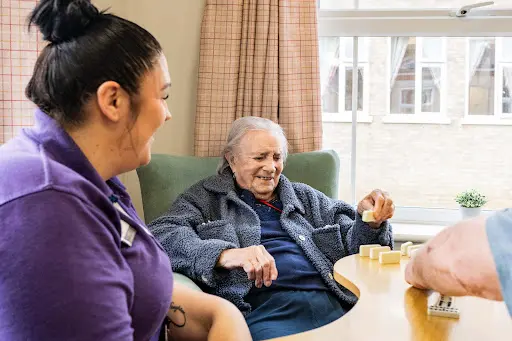
Families talk about walking in and finding staff who already know exactly how their relative likes their tea, what time they prefer to wake up, or which chair they find most comfortable. There's a consistent thread in feedback about staff taking time to chat with residents, learning their stories and preferences rather than just ticking boxes on care plans.
The eight family priority themes
- Staff warmth72
- Compassion & dignity72
- Cleanliness70
- Activities & engagement60
- Food quality60
- Healthcare70
- Management & leadership72
- Resident happiness70
What inspectors found
Inspected 2018-12-12
Is this home safe?
Is the care effective?
The Effective domain was rated Good at the October 2018 inspection. This domain covers training, care planning, healthcare access, and nutrition. The published summary does not include specific detail on what training staff have completed, how often care plans are reviewed, or how GP and specialist access is arranged. The home specialises in dementia care for both over and under 65s, which requires specific competencies beyond general nursing training. No specific examples or resident feedback are available in the published text.Is this home caring?
The Caring domain was rated Good at the October 2018 inspection. This domain covers staff warmth, dignity, respect, and support for independence. The published summary contains no direct quotes from residents or relatives and no specific inspector observations about how staff interacted with residents. It is not possible from the available text to say what the inspectors actually saw that led them to rate this domain Good. The home was previously rated Requires Improvement overall, which means caring practice may also have been less strong at an earlier point.Is the home responsive?
The Responsive domain was rated Good at the October 2018 inspection. This domain covers activities, individual engagement, complaints handling, and end-of-life care. The published summary includes no detail about what activities are available, whether they are tailored to individuals or run as group sessions only, or how the home handles complaints. For a home specialising in dementia care, this domain is particularly important because meaningful engagement can have a direct impact on wellbeing and behaviour.Is the home well-led?
The Well-led domain was rated Good at the October 2018 inspection. Mrs Debbie Louise Reeve is named as Registered Manager, and Mr Velummayilum Thayanandarajah is the Nominated Individual. The home improved from Requires Improvement to Good, which suggests that leadership played a role in driving that change. The July 2023 monitoring review found no reason to alter the rating. The published summary does not describe how the manager is visible to residents and families, or what governance processes are in place.
Source: CQC inspection report →
What the evidence base says
The Depperhaugh provides full nursing care for adults over 65, including those living with dementia. They also support younger adults who need nursing care. For residents with dementia, the combination of consistent staffing and peaceful surroundings seems particularly beneficial. The staff's focus on learning individual preferences becomes even more valuable when supporting someone whose needs might change day to day. All areas worth probing directly during a visit.
The DCC Verdict
Our editorial view, built from the three lenses: what families tell us, what inspectors record, and how the home sits against good dementia-care practice.
DCC Family Score
The Depperhaugh achieved a Good rating across all five inspection domains, improving from a previous Requires Improvement rating. However, the inspection report itself contains very little specific detail, so most scores reflect a confirmed positive direction rather than rich, observable evidence.
Homes in East typically score 68–82.The three-lens summary
What families tell us
Families talk about walking in and finding staff who already know exactly how their relative likes their tea, what time they prefer to wake up, or which chair they find most comfortable. There's a consistent thread in feedback about staff taking time to chat with residents, learning their stories and preferences rather than just ticking boxes on care plans.
What inspectors have recorded
The nursing team seems to have found that balance between professional standards and human warmth. Families describe staff who are both skilled in their clinical work and naturally caring in their approach — the kind of people who remember small details and check in regularly without making it feel intrusive.
How it sits against good practice
It's the kind of place where professional nursing comes wrapped in genuine warmth — and that makes all the difference.
Worth a visit
The Depperhaugh, on Chickering Road in Hoxne, was rated Good across all five inspection domains at its last inspection in October 2018. That result represented a meaningful improvement from a previous Requires Improvement rating, which suggests the home identified its weaknesses and took action. The registered manager is named and in post, and a subsequent monitoring review in July 2023 found no reason to change the rating. The honest limitation here is that the published inspection summary contains very little specific detail: no direct quotes from residents or relatives, no inspector observations of day-to-day life, and no specifics about staffing levels, activities, or food. A Good rating is a positive signal, but it was awarded over six years ago, and you should visit in person before making any decision. On that visit, focus on night staffing ratios (ask to see last week's actual rota, not the template), how staff interact with residents who are distressed, and whether the environment has been adapted to support people living with dementia.
The three questions to ask when you visitSave this home. Compare it against your shortlist.
Let our analysis show you how Depperhaugh Care Home measures up against the other homes you’re considering. Free account.
In Their Own Words
How Depperhaugh Care Home describes itself — collected from its own website. DCC has not edited or independently verified the content in this tab.
Where countryside calm meets genuinely thoughtful nursing care
Nursing home in Hoxne: True Peace of Mind
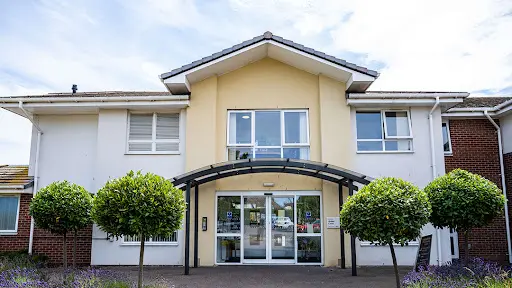
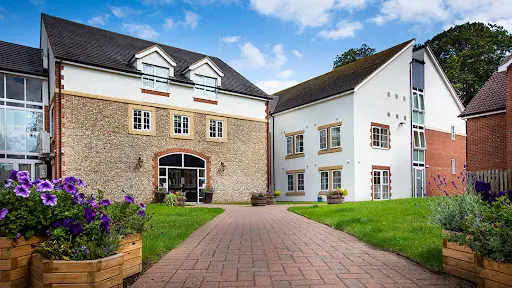
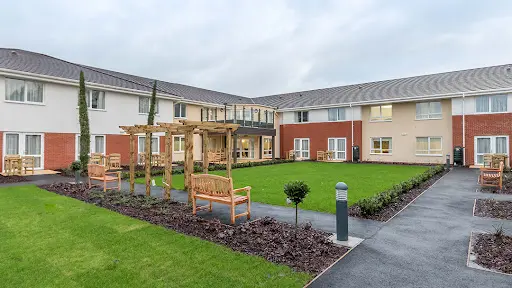
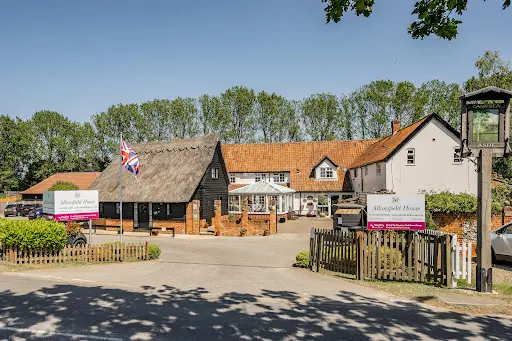
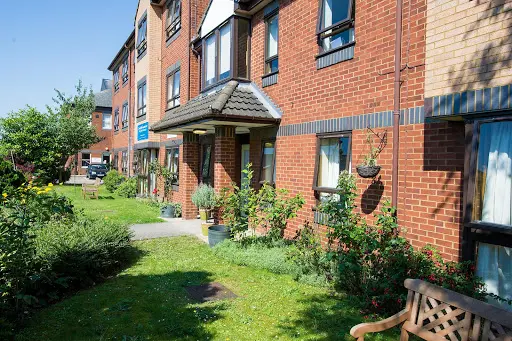
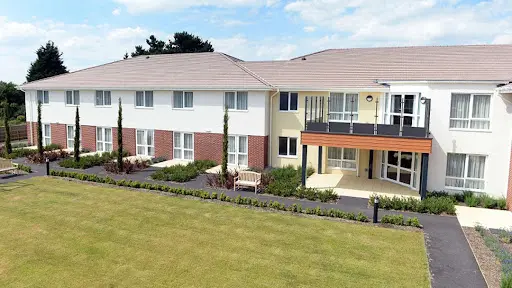
In the peaceful Suffolk countryside near Hoxne, The Depperhaugh offers something families often struggle to find — nursing care that feels unhurried and personal. Set in landscaped gardens with views across open farmland, this home creates a sense of space and tranquility that residents clearly appreciate. What matters most, though, is how the staff use that calm setting to really get to know each person they care for.
Who they care for
The Depperhaugh provides full nursing care for adults over 65, including those living with dementia. They also support younger adults who need nursing care.
For residents with dementia, the combination of consistent staffing and peaceful surroundings seems particularly beneficial. The staff's focus on learning individual preferences becomes even more valuable when supporting someone whose needs might change day to day.
“It's the kind of place where professional nursing comes wrapped in genuine warmth — and that makes all the difference.”
DCC does not edit or curate content in this tab. For independently curated information, see The Evidence and DCC Verdict.
The DCC Verdict
Our editorial view, built from the three lenses: what families tell us, what inspectors record, and how the home sits against good dementia-care practice.
DCC Family Score
The Depperhaugh achieved a Good rating across all five inspection domains, improving from a previous Requires Improvement rating. However, the inspection report itself contains very little specific detail, so most scores reflect a confirmed positive direction rather than rich, observable evidence.
Homes in East typically score 68–82.The three-lens summary
What families tell us
Families talk about walking in and finding staff who already know exactly how their relative likes their tea, what time they prefer to wake up, or which chair they find most comfortable. There's a consistent thread in feedback about staff taking time to chat with residents, learning their stories and preferences rather than just ticking boxes on care plans.
What inspectors have recorded
The nursing team seems to have found that balance between professional standards and human warmth. Families describe staff who are both skilled in their clinical work and naturally caring in their approach — the kind of people who remember small details and check in regularly without making it feel intrusive.
How it sits against good practice
It's the kind of place where professional nursing comes wrapped in genuine warmth — and that makes all the difference.
Worth a visit
The Depperhaugh, on Chickering Road in Hoxne, was rated Good across all five inspection domains at its last inspection in October 2018. That result represented a meaningful improvement from a previous Requires Improvement rating, which suggests the home identified its weaknesses and took action. The registered manager is named and in post, and a subsequent monitoring review in July 2023 found no reason to change the rating. The honest limitation here is that the published inspection summary contains very little specific detail: no direct quotes from residents or relatives, no inspector observations of day-to-day life, and no specifics about staffing levels, activities, or food. A Good rating is a positive signal, but it was awarded over six years ago, and you should visit in person before making any decision. On that visit, focus on night staffing ratios (ask to see last week's actual rota, not the template), how staff interact with residents who are distressed, and whether the environment has been adapted to support people living with dementia.
The three questions to ask when you visitSave this home. Compare it against your shortlist.
Let our analysis show you how Depperhaugh Care Home measures up against the other homes you’re considering. Free account.
In Their Own Words
How Depperhaugh Care Home describes itself — collected from its own website. DCC has not edited or independently verified the content in this tab.
Where countryside calm meets genuinely thoughtful nursing care
Nursing home in Hoxne: True Peace of Mind
In the peaceful Suffolk countryside near Hoxne, The Depperhaugh offers something families often struggle to find — nursing care that feels unhurried and personal. Set in landscaped gardens with views across open farmland, this home creates a sense of space and tranquility that residents clearly appreciate. What matters most, though, is how the staff use that calm setting to really get to know each person they care for.
Who they care for
The Depperhaugh provides full nursing care for adults over 65, including those living with dementia. They also support younger adults who need nursing care.
For residents with dementia, the combination of consistent staffing and peaceful surroundings seems particularly beneficial. The staff's focus on learning individual preferences becomes even more valuable when supporting someone whose needs might change day to day.
Management & ethos
The nursing team seems to have found that balance between professional standards and human warmth. Families describe staff who are both skilled in their clinical work and naturally caring in their approach — the kind of people who remember small details and check in regularly without making it feel intrusive.
The home & environment
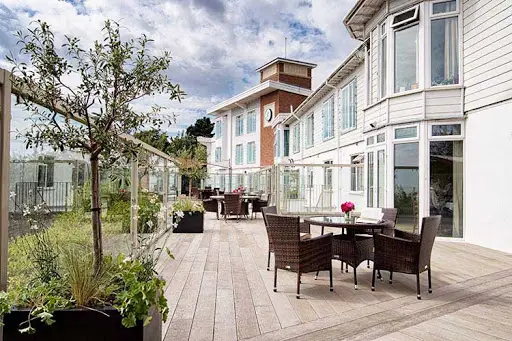
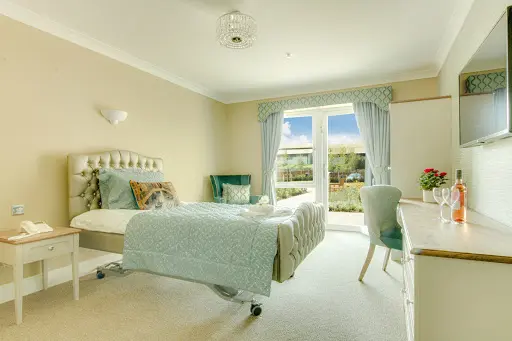
The grounds here get mentioned again and again — not just as pretty scenery, but as spaces residents actually use and enjoy. Wildlife visits the gardens, and there's room for outdoor gatherings when weather permits. Inside, meals are prepared fresh each day in the home's own kitchen, with proper home cooking that families say their relatives genuinely look forward to.
“It's the kind of place where professional nursing comes wrapped in genuine warmth — and that makes all the difference.”
DCC does not edit or curate content in this tab. For independently curated information, see The Evidence and DCC Verdict.