Orchard House

At a Glance
The information you need to decide whether this home warrants a closer look.
Residential homes
Staff warmth score
of reviewers answered yes
Good to know
- Registered beds30
- SpecialismsCaring for adults over 65 yrs, Dementia, Physical disabilities
- Last inspected2023-06-10
Save Orchard House to your shortlist
Keep a running list, add visit notes, and compare homes side-by-side. Free account — it takes a minute.
STAGE 4 — RESEARCHING CARE HOMES
Visit homes. Compare them side by side. Choose with confidence.
Most of us will view care homes the way we view houses, impression, atmosphere, the feeling in the corridor. We go home, try to remember what we saw, and make a permanent decision from a blurred memory.

The DCC shortlist gives every home you visit a structured record: the same twelve questions, answered the same way, every time. When you’re ready to choose, pull any two homes side by side and compare them directly. Same criteria, same evidence, your notes and your scores.
The Evidence
What the review data, the inspection reports, and the dementia-care evidence base tell us about this home.
What families say
The eight family priority themes
- Staff warmth72
- Compassion & dignity72
- Cleanliness70
- Activities & engagement65
- Food quality65
- Healthcare68
- Management & leadership75
- Resident happiness70
What inspectors found
Inspected 2023-06-10
Is this home safe?
Is the care effective?
The Effective domain was rated Good, covering training, care planning, nutrition, and healthcare access. This domain was previously part of a Requires Improvement rating, so the improvement is meaningful. No specific detail was published about dementia training content, care plan quality, GP access frequency, or food provision. The rating indicates inspectors were satisfied overall, but the published text does not allow verification of any individual element.Is this home caring?
The Caring domain was rated Good, which covers staff warmth, dignity, respect, and the preservation of independence. This is the domain that most directly reflects how your parent would be treated day to day. The published inspection text includes no specific observations of staff interactions, no quotes from residents or relatives, and no examples of dignity practices such as knocking before entering rooms or using preferred names. The Good rating indicates inspectors were satisfied at the time of the visit.Is the home responsive?
The Responsive domain was rated Good, covering activities, individualised engagement, and responsiveness to changing needs. This domain is relevant for understanding what your parent's daily life would look like, not just their clinical care. No specific activity programme, activity types, or observations of engagement were published. The Good rating indicates inspectors were satisfied with how the home responded to residents' preferences and needs at the time of the inspection.Is the home well-led?
The Well-led domain was rated Good, and a named registered manager, Ms Michelle Hayward, is recorded as responsible for the home under the Broadoak Group of Care Homes. The improvement from Requires Improvement to Good across all five domains is the strongest signal available about the quality of current leadership. The published text does not describe how long the manager has been in post, how staff are supported, how the home gathers resident and family feedback, or how governance processes work in practice.
Source: CQC inspection report →
What the evidence base says
The team supports residents aged over 65 with dementia and physical disabilities. Their experience includes managing complex health conditions and providing palliative care. Staff have experience supporting residents through different stages of dementia, working to maintain dignity and connection even as cognitive abilities change. All areas worth probing directly during a visit.
The DCC Verdict
Our editorial view, built from the three lenses: what families tell us, what inspectors record, and how the home sits against good dementia-care practice.
DCC Family Score
Orchard House improved from Requires Improvement to Good across all five inspection domains, which is a meaningful step forward. However, the published inspection text contains very little specific detail, so most scores reflect a confirmed positive direction rather than strong, observable evidence.
Homes in East Midlands typically score 68–82.Worth a visit
Orchard House on Weston Drive in Market Bosworth was rated Good at its most recent inspection, carried out on 4 May 2023. Notably, this is an improvement on a previous Requires Improvement rating, meaning inspectors were satisfied that earlier concerns had been addressed. The home is registered for 30 beds and lists dementia, physical disabilities, and older adults as its specialisms. All five inspection domains, covering safety, effectiveness, caring, responsiveness, and leadership, were rated Good. The main limitation here is that the published inspection text is very brief and contains almost no specific observations, quotes, or examples. A Good rating tells you the direction of travel is positive, but it does not tell you what mealtimes look like, how staff interact in the corridor, or what happens to your parent at two in the morning. Before making a decision, visit the home at different times of day, ask to see last week's actual staffing rota rather than a template, and ask the manager directly about night staffing numbers, agency staff usage, and how families are kept informed.
The three questions to ask when you visitSave this home. Compare it against your shortlist.
Let our analysis show you how Orchard House measures up against the other homes you’re considering. Free account.
In Their Own Words
How Orchard House describes itself — collected from its own website. DCC has not edited or independently verified the content in this tab.
Dedicated staff provide compassionate support through life's final chapter
Orchard House – Your Trusted residential home
When families face the most difficult moments, finding care that combines professional support with genuine compassion matters deeply. Orchard House in Market Bosworth offers specialist care for older adults, including those living with dementia and physical disabilities. The care home has drawn both heartfelt praise for staff dedication during end-of-life care and serious concerns about medical oversight that families should carefully consider.
Who they care for
The team supports residents aged over 65 with dementia and physical disabilities. Their experience includes managing complex health conditions and providing palliative care.
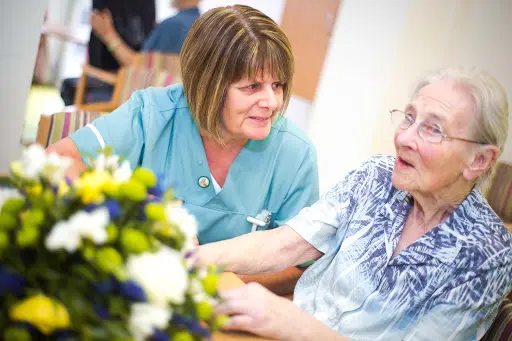
Staff have experience supporting residents through different stages of dementia, working to maintain dignity and connection even as cognitive abilities change.
“Given the mixed feedback, visiting Orchard House and speaking directly with staff about their care approach will help you make the right decision for your family.”
DCC does not edit or curate content in this tab. For independently curated information, see The Evidence and DCC Verdict.
The DCC Verdict
Our editorial view, built from the three lenses: what families tell us, what inspectors record, and how the home sits against good dementia-care practice.
DCC Family Score
Orchard House improved from Requires Improvement to Good across all five inspection domains, which is a meaningful step forward. However, the published inspection text contains very little specific detail, so most scores reflect a confirmed positive direction rather than strong, observable evidence.
Homes in East Midlands typically score 68–82.Worth a visit
Orchard House on Weston Drive in Market Bosworth was rated Good at its most recent inspection, carried out on 4 May 2023. Notably, this is an improvement on a previous Requires Improvement rating, meaning inspectors were satisfied that earlier concerns had been addressed. The home is registered for 30 beds and lists dementia, physical disabilities, and older adults as its specialisms. All five inspection domains, covering safety, effectiveness, caring, responsiveness, and leadership, were rated Good. The main limitation here is that the published inspection text is very brief and contains almost no specific observations, quotes, or examples. A Good rating tells you the direction of travel is positive, but it does not tell you what mealtimes look like, how staff interact in the corridor, or what happens to your parent at two in the morning. Before making a decision, visit the home at different times of day, ask to see last week's actual staffing rota rather than a template, and ask the manager directly about night staffing numbers, agency staff usage, and how families are kept informed.
The three questions to ask when you visitSave this home. Compare it against your shortlist.
Let our analysis show you how Orchard House measures up against the other homes you’re considering. Free account.
In Their Own Words
How Orchard House describes itself — collected from its own website. DCC has not edited or independently verified the content in this tab.
Dedicated staff provide compassionate support through life's final chapter
Orchard House – Your Trusted residential home
When families face the most difficult moments, finding care that combines professional support with genuine compassion matters deeply. Orchard House in Market Bosworth offers specialist care for older adults, including those living with dementia and physical disabilities. The care home has drawn both heartfelt praise for staff dedication during end-of-life care and serious concerns about medical oversight that families should carefully consider.
Who they care for
The team supports residents aged over 65 with dementia and physical disabilities. Their experience includes managing complex health conditions and providing palliative care.
Staff have experience supporting residents through different stages of dementia, working to maintain dignity and connection even as cognitive abilities change.
Management & ethos
Families have shared contrasting experiences with care standards here. Some describe staff who form genuine connections with residents and provide dignified support during end-of-life transitions. Others have raised significant concerns about medical care, particularly around wound prevention and timely health interventions. These mixed accounts suggest families should visit personally and ask detailed questions about care protocols.
“Given the mixed feedback, visiting Orchard House and speaking directly with staff about their care approach will help you make the right decision for your family.”
DCC does not edit or curate content in this tab. For independently curated information, see The Evidence and DCC Verdict.