Claydon House
At a Glance
The information you need to decide whether this home warrants a closer look.
Nursing homes
Staff warmth score
of reviewers answered yes
Good to know
- Registered beds49
- SpecialismsCaring for adults over 65 yrs, Dementia
- Last inspected2022-09-16
Save Claydon House to your shortlist
Keep a running list, add visit notes, and compare homes side-by-side. Free account — it takes a minute.
STAGE 4 — RESEARCHING CARE HOMES
Visit homes. Compare them side by side. Choose with confidence.
Most of us will view care homes the way we view houses, impression, atmosphere, the feeling in the corridor. We go home, try to remember what we saw, and make a permanent decision from a blurred memory.

The DCC shortlist gives every home you visit a structured record: the same twelve questions, answered the same way, every time. When you’re ready to choose, pull any two homes side by side and compare them directly. Same criteria, same evidence, your notes and your scores.
The Evidence
What the review data, the inspection reports, and the dementia-care evidence base tell us about this home.
What families say
Visitors often mention hearing laughter from the day rooms and seeing residents chatting comfortably with staff. There's a sense that people here are treated as individuals, with their own preferences and ways of doing things respected. Families report being struck by how quickly their relatives have adjusted, sometimes within just days of arriving.
The eight family priority themes
- Staff warmth72
- Compassion & dignity72
- Cleanliness72
- Activities & engagement65
- Food quality65
- Healthcare70
- Management & leadership74
- Resident happiness70
What inspectors found
Inspected 2022-09-16
Is this home safe?
Is the care effective?
The inspection rated Effective as Good at Claydon House. The home holds a dementia specialism alongside nursing registration, which indicates it is required to demonstrate appropriate training and care planning for people with dementia. No specific detail about care plan content, GP access, dementia training programmes, or nutrition monitoring is available in the published inspection summary.Is this home caring?
The inspection rated Caring as Good at Claydon House. Caring is the domain most closely linked to what families experience day to day. No specific inspector observations about staff warmth, use of preferred names, response to distress, or unhurried pace of care are available in the published inspection summary for this report.Is the home responsive?
The inspection rated Responsive as Good at Claydon House. Responsiveness covers how well the home tailors daily life to individual needs, including activities, engagement, and end-of-life care planning. No specific detail about the activities programme, individual engagement for people with advanced dementia, or end-of-life planning is available in the published inspection summary.Is the home well-led?
The inspection rated Well-led as Good at Claydon House. The home has a named registered manager, Mrs Lesley Joy Andrew, and a nominated individual, Ms Rachel Harvey, representing the provider organisation Aria Healthcare Group Ltd. Leadership stability and a visible manager are positive indicators. No specific detail about governance systems, staff culture, complaint handling, or how the home responds to feedback is available in the published inspection summary.
Source: CQC inspection report →
What the evidence base says
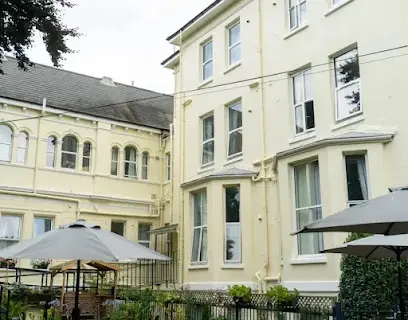
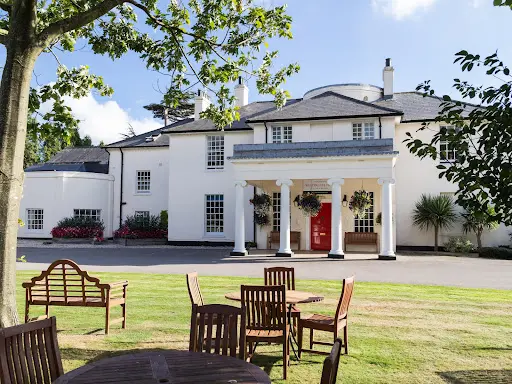
The home specialises in caring for people over 65, including those living with dementia. Their approach seems particularly well-suited to supporting residents with more complex dementia needs. The calm atmosphere and thoughtfully designed spaces appear to work especially well for people with dementia. The accessible gardens give residents safe outdoor spaces to enjoy, while the comfortable communal areas provide peaceful spots for spending time with visitors or simply relaxing. All areas worth probing directly during a visit.
The DCC Verdict
Our editorial view, built from the three lenses: what families tell us, what inspectors record, and how the home sits against good dementia-care practice.
DCC Family Score
Claydon House was rated Good across all five inspection domains at its most recent assessment in December 2024, which is a positive baseline. However, the published report text available for this analysis contains very limited specific detail, so scores reflect the Good rating rather than rich observational evidence.
Homes in South East typically score 68–82.The three-lens summary
What families tell us
Visitors often mention hearing laughter from the day rooms and seeing residents chatting comfortably with staff. There's a sense that people here are treated as individuals, with their own preferences and ways of doing things respected. Families report being struck by how quickly their relatives have adjusted, sometimes within just days of arriving.
What inspectors have recorded
Staff across all departments appear genuinely responsive to residents' needs, from the nursing team through to support workers. Families describe a culture where listening comes first and staff take time to understand what each person wants. The overall impression is of a team that works together to create an environment where people feel heard and valued.
How it sits against good practice
If you're looking for somewhere that combines genuine attentiveness with a comfortable, well-maintained environment, Claydon House might be worth exploring further.
Worth a visit
Claydon House, a 49-bed nursing home in Lewes specialising in dementia and older adult care, was rated Good across all five inspection domains at its most recent assessment in December 2024, with the report published in March 2025. The home is run by Aria Healthcare Group Ltd and has a named registered manager, Mrs Lesley Joy Andrew, in post. A consistent Good rating across every domain is a solid foundation, and the home's registration to provide nursing care as well as personal care means your parent's clinical needs can be met on site if they change over time. The main uncertainty here is practical: the published inspection text available for this analysis contains very limited specific detail, so it is not possible to tell you what inspectors actually observed about staff warmth, food quality, dementia environments, or activities. A Good rating tells you the home met the standard; it does not tell you what daily life looks like. Before making a decision, arrange a visit and use the checklist questions above, particularly around night staffing numbers, agency staff usage, and what one-to-one activity looks like for residents who cannot join groups.
The three questions to ask when you visitSave this home. Compare it against your shortlist.
Let our analysis show you how Claydon House measures up against the other homes you’re considering. Free account.
In Their Own Words
How Claydon House describes itself — collected from its own website. DCC has not edited or independently verified the content in this tab.
Where careful listening creates genuine comfort and contentment
Claydon House – Your Trusted nursing home
Families describe a special kind of attentiveness at Claydon House in Lewes, where staff seem to really hear what residents need. It's the sort of place where people settle in quickly, often surprising their relatives with how content they seem. The care team here appears to understand that small moments of connection matter just as much as the bigger aspects of care.
Who they care for
The home specialises in caring for people over 65, including those living with dementia. Their approach seems particularly well-suited to supporting residents with more complex dementia needs.
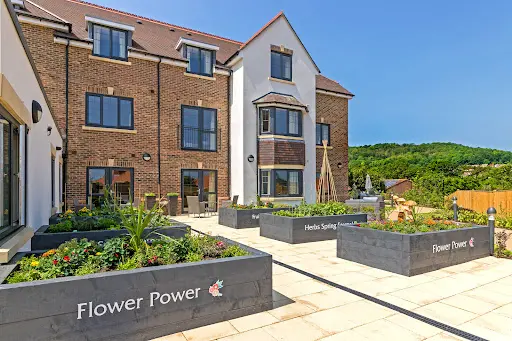
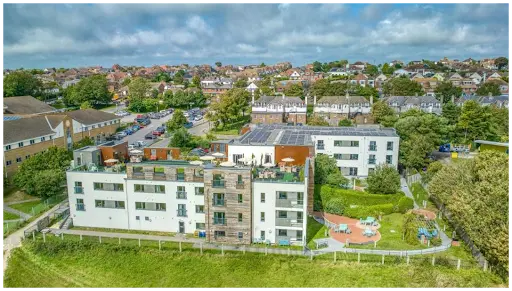
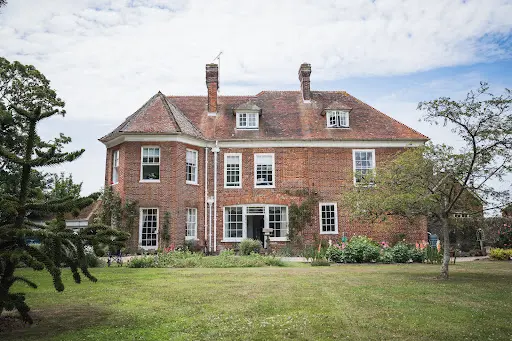
The calm atmosphere and thoughtfully designed spaces appear to work especially well for people with dementia. The accessible gardens give residents safe outdoor spaces to enjoy, while the comfortable communal areas provide peaceful spots for spending time with visitors or simply relaxing.
“If you're looking for somewhere that combines genuine attentiveness with a comfortable, well-maintained environment, Claydon House might be worth exploring further.”
DCC does not edit or curate content in this tab. For independently curated information, see The Evidence and DCC Verdict.
The DCC Verdict
Our editorial view, built from the three lenses: what families tell us, what inspectors record, and how the home sits against good dementia-care practice.
DCC Family Score
Claydon House was rated Good across all five inspection domains at its most recent assessment in December 2024, which is a positive baseline. However, the published report text available for this analysis contains very limited specific detail, so scores reflect the Good rating rather than rich observational evidence.
Homes in South East typically score 68–82.The three-lens summary
What families tell us
Visitors often mention hearing laughter from the day rooms and seeing residents chatting comfortably with staff. There's a sense that people here are treated as individuals, with their own preferences and ways of doing things respected. Families report being struck by how quickly their relatives have adjusted, sometimes within just days of arriving.
What inspectors have recorded
Staff across all departments appear genuinely responsive to residents' needs, from the nursing team through to support workers. Families describe a culture where listening comes first and staff take time to understand what each person wants. The overall impression is of a team that works together to create an environment where people feel heard and valued.
How it sits against good practice
If you're looking for somewhere that combines genuine attentiveness with a comfortable, well-maintained environment, Claydon House might be worth exploring further.
Worth a visit
Claydon House, a 49-bed nursing home in Lewes specialising in dementia and older adult care, was rated Good across all five inspection domains at its most recent assessment in December 2024, with the report published in March 2025. The home is run by Aria Healthcare Group Ltd and has a named registered manager, Mrs Lesley Joy Andrew, in post. A consistent Good rating across every domain is a solid foundation, and the home's registration to provide nursing care as well as personal care means your parent's clinical needs can be met on site if they change over time. The main uncertainty here is practical: the published inspection text available for this analysis contains very limited specific detail, so it is not possible to tell you what inspectors actually observed about staff warmth, food quality, dementia environments, or activities. A Good rating tells you the home met the standard; it does not tell you what daily life looks like. Before making a decision, arrange a visit and use the checklist questions above, particularly around night staffing numbers, agency staff usage, and what one-to-one activity looks like for residents who cannot join groups.
The three questions to ask when you visitSave this home. Compare it against your shortlist.
Let our analysis show you how Claydon House measures up against the other homes you’re considering. Free account.
In Their Own Words
How Claydon House describes itself — collected from its own website. DCC has not edited or independently verified the content in this tab.
Where careful listening creates genuine comfort and contentment
Claydon House – Your Trusted nursing home
Families describe a special kind of attentiveness at Claydon House in Lewes, where staff seem to really hear what residents need. It's the sort of place where people settle in quickly, often surprising their relatives with how content they seem. The care team here appears to understand that small moments of connection matter just as much as the bigger aspects of care.
Who they care for
The home specialises in caring for people over 65, including those living with dementia. Their approach seems particularly well-suited to supporting residents with more complex dementia needs.
The calm atmosphere and thoughtfully designed spaces appear to work especially well for people with dementia. The accessible gardens give residents safe outdoor spaces to enjoy, while the comfortable communal areas provide peaceful spots for spending time with visitors or simply relaxing.
Management & ethos
Staff across all departments appear genuinely responsive to residents' needs, from the nursing team through to support workers. Families describe a culture where listening comes first and staff take time to understand what each person wants. The overall impression is of a team that works together to create an environment where people feel heard and valued.
The home & environment
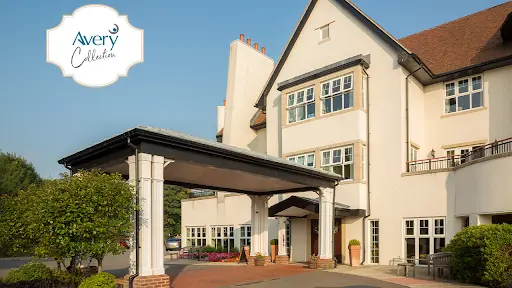
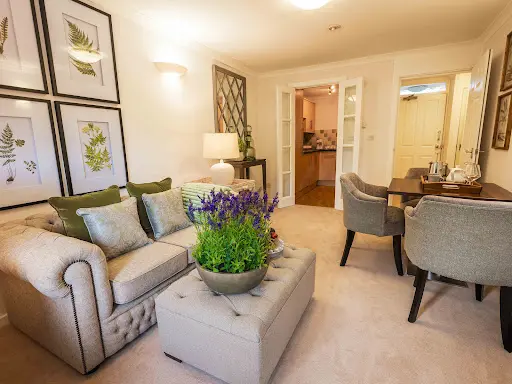
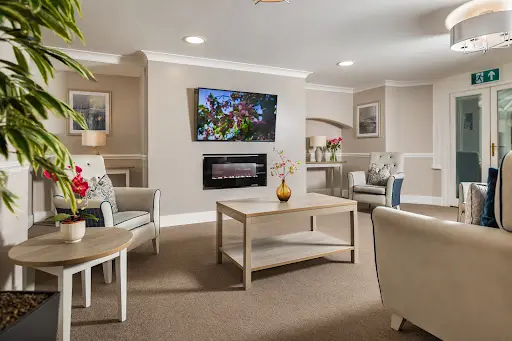
The dining experience seems to be a real highlight, with families specifically mentioning how much residents enjoy their meals. The home feels spacious and comfortable throughout, from the bedrooms to the communal areas. Outside, the gardens provide accessible spaces that work well for everyone, including those living with more advanced dementia.
“If you're looking for somewhere that combines genuine attentiveness with a comfortable, well-maintained environment, Claydon House might be worth exploring further.”
DCC does not edit or curate content in this tab. For independently curated information, see The Evidence and DCC Verdict.