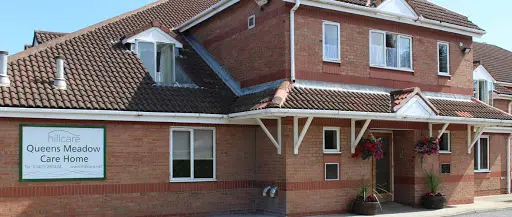
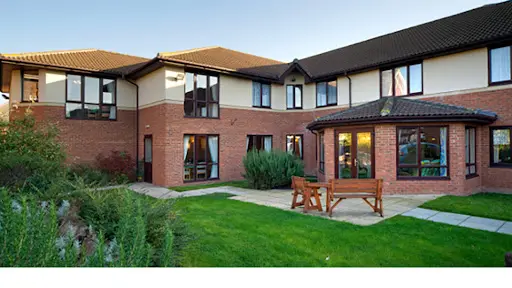
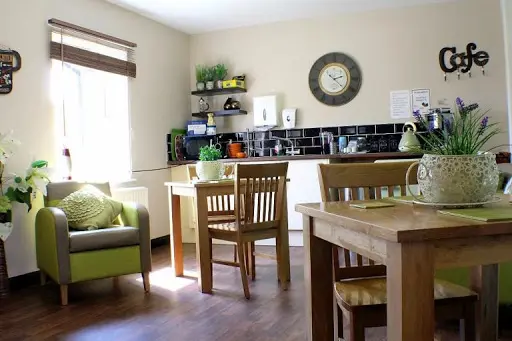
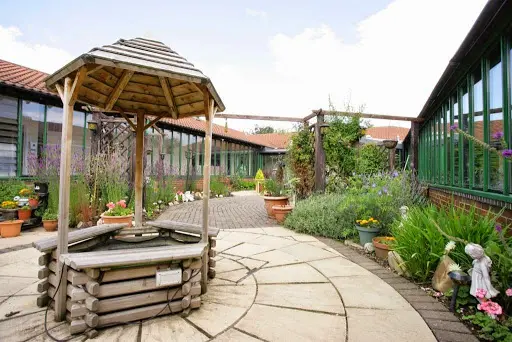
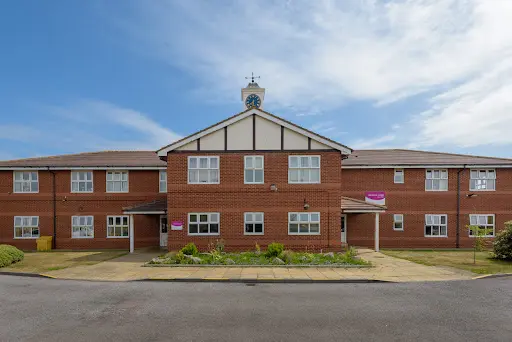
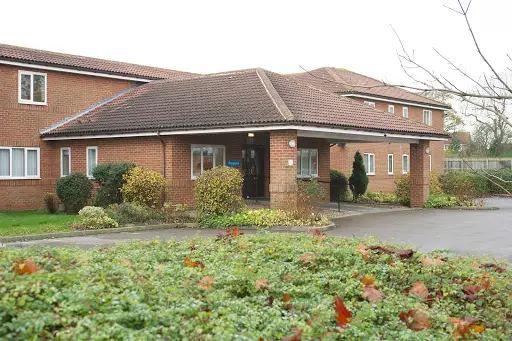
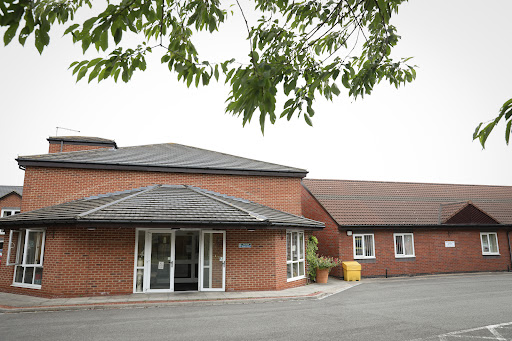
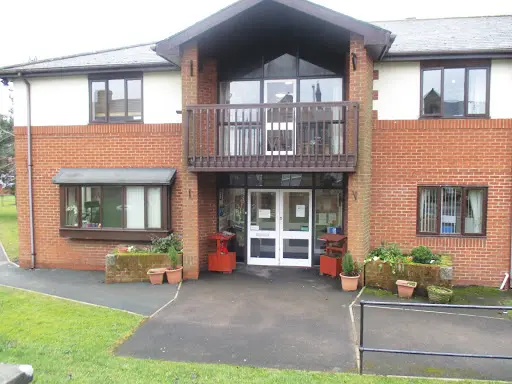
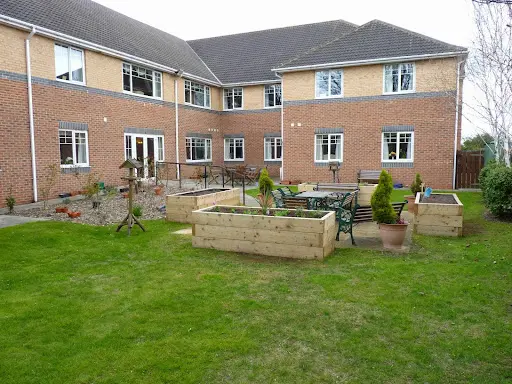
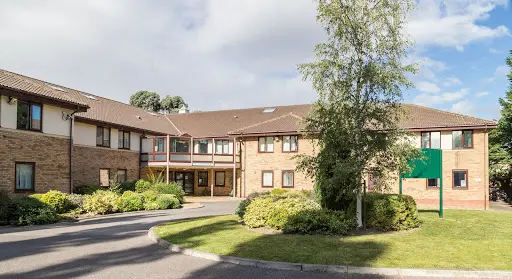
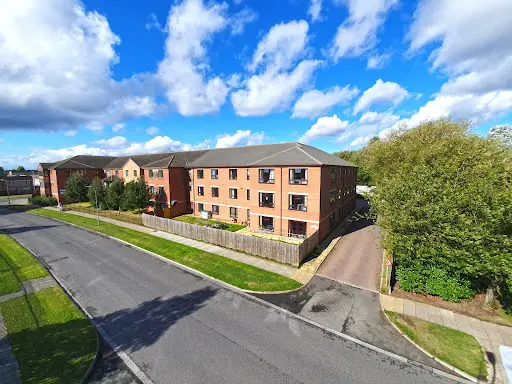
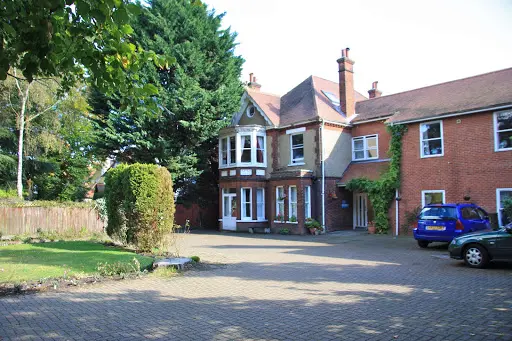
Lindisfarne Hartlepool Care Home

At a Glance
The information you need to decide whether this home warrants a closer look.
Nursing homes
Staff warmth score
of reviewers answered yes
Good to know
- Registered beds54
- SpecialismsCaring for adults over 65 yrs, Caring for adults under 65 yrs, Dementia, Mental health conditions, Physical disabilities, Sensory impairment
- Last inspected2023-02-07
Save Lindisfarne Hartlepool Care Home to your shortlist
Keep a running list, add visit notes, and compare homes side-by-side. Free account — it takes a minute.
STAGE 4 — RESEARCHING CARE HOMES
Visit homes. Compare them side by side. Choose with confidence.
Most of us will view care homes the way we view houses, impression, atmosphere, the feeling in the corridor. We go home, try to remember what we saw, and make a permanent decision from a blurred memory.

The DCC shortlist gives every home you visit a structured record: the same twelve questions, answered the same way, every time. When you’re ready to choose, pull any two homes side by side and compare them directly. Same criteria, same evidence, your notes and your scores.
The Evidence
What the review data, the inspection reports, and the dementia-care evidence base tell us about this home.
What families say
The eight family priority themes
- Staff warmth72
- Compassion & dignity72
- Cleanliness70
- Activities & engagement60
- Food quality58
- Healthcare70
- Management & leadership45
- Resident happiness68
What inspectors found
Inspected 2023-02-07
Is this home safe?
Is the care effective?
The Effective domain was rated Good, covering training, care planning, healthcare access, and nutrition. This means inspectors were satisfied that staff had the knowledge and tools to deliver competent care. The home supports people with dementia, mental health conditions, and physical and sensory impairments, so training breadth matters here. No specific findings about food quality, care plan detail, or GP access frequency were included in the available published summary.Is this home caring?
The Caring domain was rated Good, which is the domain most directly linked to how staff treat the people who live there. Inspectors were satisfied that dignity, respect, and compassionate interactions met the required standard. This domain covers how staff speak to residents, whether people are addressed by their preferred names, and whether care is delivered without rushing. No verbatim quotes from residents or relatives were available in the published inspection summary.Is the home responsive?
The Responsive domain was rated Good, covering activities, individual engagement, respect for preferences, and end-of-life care planning. This means inspectors found the home was broadly meeting people's individual needs. The home supports a wide range of conditions, which requires a genuinely varied and adaptive approach to daily life. No specific activities, individual engagement examples, or end-of-life planning details were available in the published inspection summary.Is the home well-led?
Well-led was the only domain rated Requires Improvement at the December 2022 inspection, meaning inspectors identified shortfalls in leadership, governance, or management oversight. This is notable because the other four domains were all rated Good, suggesting the care being delivered day to day was broadly positive, but the systems and accountability structures around it had gaps. The specific nature of those gaps is not detailed in the available inspection summary. The home's overall rating improved from Requires Improvement to Good despite this domain remaining below standard.
Source: CQC inspection report →
What the evidence base says
The home cares for both younger and older adults with varied needs, including sensory impairments, mental health conditions, and physical disabilities. Families dealing with vascular dementia have found stable, long-term placements here. The home accepts residents with dementia alongside other health conditions. All areas worth probing directly during a visit.
The DCC Verdict
Our editorial view, built from the three lenses: what families tell us, what inspectors record, and how the home sits against good dementia-care practice.
DCC Family Score
Lindisfarne Hartlepool scores 72 out of 100, reflecting solid inspection findings across care, safety, and staffing, held back by a Requires Improvement rating for leadership and governance, which is the area families most need to watch on a visit.
Homes in North East typically score 68–82.Worth a visit
Lindisfarne Hartlepool, a 54-bed nursing home run by Gainford Care Homes Limited, was rated Good overall at its inspection in December 2022, with Good ratings across Safe, Effective, Caring, and Responsive. This is a genuine improvement on its previous rating of Requires Improvement, and inspectors found the home to be meeting standards in the areas that matter most to families: safe care, dignified treatment, and access to healthcare. The home supports a wide range of needs including dementia, mental health conditions, physical disabilities, and sensory impairment. The one area inspectors flagged as still needing improvement is Well-led, meaning leadership and governance did not fully meet inspection standards at the time of the visit. This does not mean the home is unsafe, but it does mean management oversight, quality monitoring, or staff accountability systems had gaps that inspectors identified. When you visit, ask specifically what has changed since the inspection: what the manager has put in place to address the Well-led concerns, and how the home measures whether those changes are working. Also ask about night staffing numbers and agency staff use, since these are the two areas where gaps most often appear between daytime inspection findings and the overnight experience your parent would have.
The three questions to ask when you visitSave this home. Compare it against your shortlist.
Let our analysis show you how Lindisfarne Hartlepool Care Home measures up against the other homes you’re considering. Free account.
In Their Own Words
How Lindisfarne Hartlepool Care Home describes itself — collected from its own website. DCC has not edited or independently verified the content in this tab.
Long-term specialist care for complex health needs in Hartlepool
Nursing home in Hartlepool: True Peace of Mind
When health conditions become more complex, finding the right care setting matters even more. Lindisfarne Hartlepool provides specialist support for people with multiple health needs, including dementia and physical disabilities. The home has shown particular strength in maintaining continuity of care through challenging times.
Who they care for
The home cares for both younger and older adults with varied needs, including sensory impairments, mental health conditions, and physical disabilities.
Families dealing with vascular dementia have found stable, long-term placements here. The home accepts residents with dementia alongside other health conditions.
“For families navigating multiple health challenges, stability and understanding make all the difference.”
DCC does not edit or curate content in this tab. For independently curated information, see The Evidence and DCC Verdict.
The DCC Verdict
Our editorial view, built from the three lenses: what families tell us, what inspectors record, and how the home sits against good dementia-care practice.
DCC Family Score
Lindisfarne Hartlepool scores 72 out of 100, reflecting solid inspection findings across care, safety, and staffing, held back by a Requires Improvement rating for leadership and governance, which is the area families most need to watch on a visit.
Homes in North East typically score 68–82.Worth a visit
Lindisfarne Hartlepool, a 54-bed nursing home run by Gainford Care Homes Limited, was rated Good overall at its inspection in December 2022, with Good ratings across Safe, Effective, Caring, and Responsive. This is a genuine improvement on its previous rating of Requires Improvement, and inspectors found the home to be meeting standards in the areas that matter most to families: safe care, dignified treatment, and access to healthcare. The home supports a wide range of needs including dementia, mental health conditions, physical disabilities, and sensory impairment. The one area inspectors flagged as still needing improvement is Well-led, meaning leadership and governance did not fully meet inspection standards at the time of the visit. This does not mean the home is unsafe, but it does mean management oversight, quality monitoring, or staff accountability systems had gaps that inspectors identified. When you visit, ask specifically what has changed since the inspection: what the manager has put in place to address the Well-led concerns, and how the home measures whether those changes are working. Also ask about night staffing numbers and agency staff use, since these are the two areas where gaps most often appear between daytime inspection findings and the overnight experience your parent would have.
The three questions to ask when you visitSave this home. Compare it against your shortlist.
Let our analysis show you how Lindisfarne Hartlepool Care Home measures up against the other homes you’re considering. Free account.
In Their Own Words
How Lindisfarne Hartlepool Care Home describes itself — collected from its own website. DCC has not edited or independently verified the content in this tab.
Long-term specialist care for complex health needs in Hartlepool
Nursing home in Hartlepool: True Peace of Mind
When health conditions become more complex, finding the right care setting matters even more. Lindisfarne Hartlepool provides specialist support for people with multiple health needs, including dementia and physical disabilities. The home has shown particular strength in maintaining continuity of care through challenging times.
Who they care for
The home cares for both younger and older adults with varied needs, including sensory impairments, mental health conditions, and physical disabilities.
Families dealing with vascular dementia have found stable, long-term placements here. The home accepts residents with dementia alongside other health conditions.
Management & ethos
The team here seems to understand that complex health needs require consistent, thoughtful support. When residents face serious health challenges, staff work to maintain relationships and provide stability — even coordinating successful returns after hospital stays.
“For families navigating multiple health challenges, stability and understanding make all the difference.”
DCC does not edit or curate content in this tab. For independently curated information, see The Evidence and DCC Verdict.