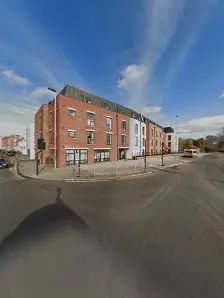
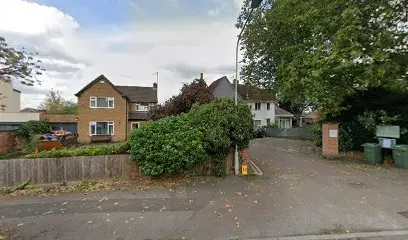
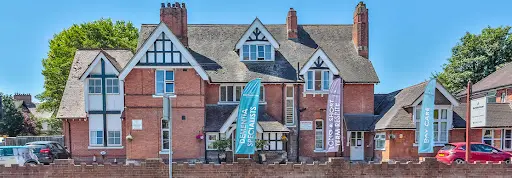
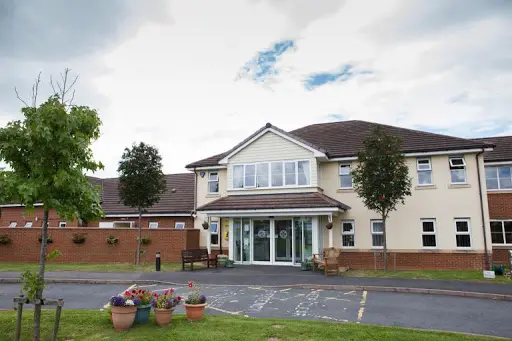
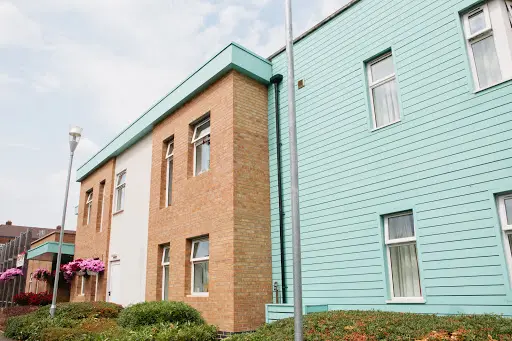
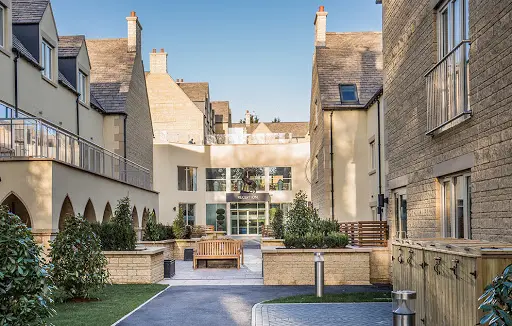
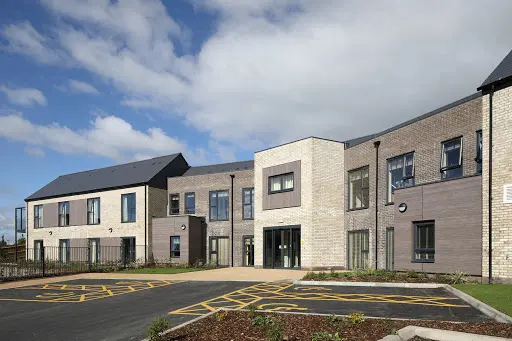
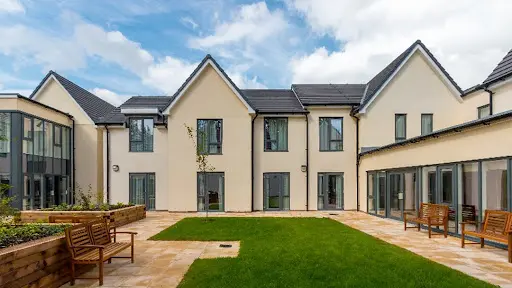
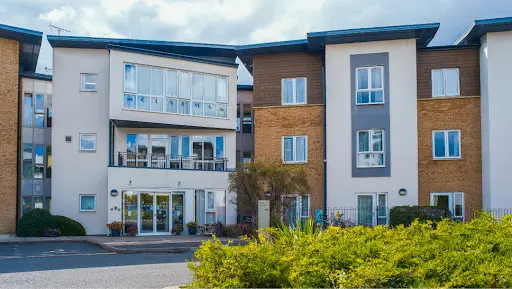
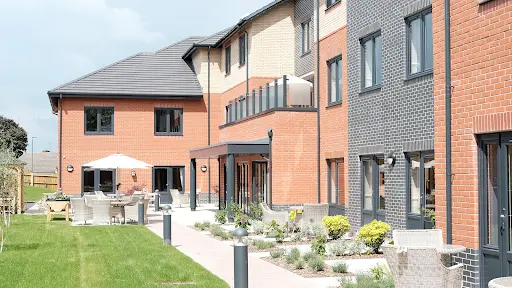
Westbourne Care Home

At a Glance
The information you need to decide whether this home warrants a closer look.
Residential homes
Staff warmth score
of reviewers answered yes
Good to know
- Registered beds36
- SpecialismsCaring for adults over 65 yrs, Caring for adults under 65 yrs, Dementia
- Last inspected2019-02-28
Save Westbourne Care Home to your shortlist
Keep a running list, add visit notes, and compare homes side-by-side. Free account — it takes a minute.
STAGE 4 — RESEARCHING CARE HOMES
Visit homes. Compare them side by side. Choose with confidence.
Most of us will view care homes the way we view houses, impression, atmosphere, the feeling in the corridor. We go home, try to remember what we saw, and make a permanent decision from a blurred memory.

The DCC shortlist gives every home you visit a structured record: the same twelve questions, answered the same way, every time. When you’re ready to choose, pull any two homes side by side and compare them directly. Same criteria, same evidence, your notes and your scores.
The Evidence
What the review data, the inspection reports, and the dementia-care evidence base tell us about this home.
What families say
Families describe staff who build genuine connections with residents, staying attentive to their day-to-day needs. The atmosphere feels welcoming, with staff taking time to know each person individually.
The eight family priority themes
- Staff warmth55
- Compassion & dignity55
- Cleanliness55
- Activities & engagement50
- Food quality50
- Healthcare55
- Management & leadership60
- Resident happiness55
What inspectors found
Inspected 2019-02-28
Is this home safe?
Is the care effective?
The home was rated Good for effectiveness at its January 2019 inspection. The published text does not include specific detail about care plan quality, GP access arrangements, dementia training content, food provision, or how the home monitors and responds to changes in residents' health. The declared dementia specialism is noted in the registration record but is not described in the inspection findings.Is this home caring?
The home was rated Good for caring at its January 2019 inspection. The published text includes no inspector observations of staff interactions, no resident or relative quotes about how staff treat people, and no detail about how dignity and privacy are maintained day to day. The Good rating stands but is unsupported by specific evidence in the available text.Is the home responsive?
The home was rated Good for responsiveness at its January 2019 inspection. The published text contains no specific detail about the activities programme, how the home supports individual interests and preferences, what happens for residents who cannot join group activities, or how the home manages end-of-life care. The home is registered with a dementia specialism but no dementia-specific responsive practice is described.Is the home well-led?
The home was rated Good for leadership at its January 2019 inspection and is run by Westbourne Care Limited, with a nominated individual named in the registration. The published text contains no specific observations about the management culture, staff morale, how concerns are handled, or whether the manager is visible and known to residents and staff. The monitoring review of July 2023 found no evidence of deterioration in the rating.
Source: CQC inspection report →
What the evidence base says
The home welcomes younger adults under 65 alongside older residents, creating a mixed community. Their dementia care services support people at various stages of their journey. Staff work to maintain connections and dignity for residents living with dementia. The team adapts their approach to meet individual needs as conditions change over time. All areas worth probing directly during a visit.
The DCC Verdict
Our editorial view, built from the three lenses: what families tell us, what inspectors record, and how the home sits against good dementia-care practice.
DCC Family Score
Westbourne Care Home was rated Good across all five inspection domains, which is a positive foundation. However, because the inspection was carried out in January 2019, more than six years ago, there is very limited specific evidence available to support higher scores in any theme.
Homes in South West typically score 68–82.The three-lens summary
What families tell us
Families describe staff who build genuine connections with residents, staying attentive to their day-to-day needs. The atmosphere feels welcoming, with staff taking time to know each person individually.
What inspectors have recorded
Recent changes in leadership have brought some uncertainty about the consistency of care standards. While the current team shows dedication, families suggest asking detailed questions about care planning and how specific health needs will be managed.
How it sits against good practice
Choosing the right care involves understanding both strengths and areas to explore further.
Worth a visit
Westbourne Care Home, at 190 Reservoir Road, Gloucester, was rated Good across all five inspection domains at its last inspection in January 2019. A monitoring review carried out in July 2023 found no evidence that the rating needed to be changed. The home is registered to care for up to 36 people, including those living with dementia and adults both over and under 65. The critical issue for your visit is that the published inspection findings contain almost no specific detail about what daily life is actually like here. The Good rating is now more than six years old, and a lot can change in that time: staff, management, ownership culture, and daily routines. Before you make any decision, visit in person, ideally unannounced or at an off-peak time such as early evening. Use the checklist questions in this report to fill the gaps the inspection record cannot answer, particularly around night staffing numbers, agency staff use, dementia-specific training, and how the home keeps families informed.
The three questions to ask when you visitSave this home. Compare it against your shortlist.
Let our analysis show you how Westbourne Care Home measures up against the other homes you’re considering. Free account.
In Their Own Words
How Westbourne Care Home describes itself — collected from its own website. DCC has not edited or independently verified the content in this tab.
Caring staff bring comfort during life's hardest moments in Gloucester
Dedicated residential home Support in Gloucester
When families face difficult transitions, the warmth of staff can make all the difference. Westbourne Care Home in Gloucester provides residential care for adults over and under 65, with specialist support for people living with dementia. The team here has earned particular recognition for their compassionate approach during end-of-life care.
Who they care for
The home welcomes younger adults under 65 alongside older residents, creating a mixed community. Their dementia care services support people at various stages of their journey.
Staff work to maintain connections and dignity for residents living with dementia. The team adapts their approach to meet individual needs as conditions change over time.
“Choosing the right care involves understanding both strengths and areas to explore further.”
DCC does not edit or curate content in this tab. For independently curated information, see The Evidence and DCC Verdict.
The DCC Verdict
Our editorial view, built from the three lenses: what families tell us, what inspectors record, and how the home sits against good dementia-care practice.
DCC Family Score
Westbourne Care Home was rated Good across all five inspection domains, which is a positive foundation. However, because the inspection was carried out in January 2019, more than six years ago, there is very limited specific evidence available to support higher scores in any theme.
Homes in South West typically score 68–82.The three-lens summary
What families tell us
Families describe staff who build genuine connections with residents, staying attentive to their day-to-day needs. The atmosphere feels welcoming, with staff taking time to know each person individually.
What inspectors have recorded
Recent changes in leadership have brought some uncertainty about the consistency of care standards. While the current team shows dedication, families suggest asking detailed questions about care planning and how specific health needs will be managed.
How it sits against good practice
Choosing the right care involves understanding both strengths and areas to explore further.
Worth a visit
Westbourne Care Home, at 190 Reservoir Road, Gloucester, was rated Good across all five inspection domains at its last inspection in January 2019. A monitoring review carried out in July 2023 found no evidence that the rating needed to be changed. The home is registered to care for up to 36 people, including those living with dementia and adults both over and under 65. The critical issue for your visit is that the published inspection findings contain almost no specific detail about what daily life is actually like here. The Good rating is now more than six years old, and a lot can change in that time: staff, management, ownership culture, and daily routines. Before you make any decision, visit in person, ideally unannounced or at an off-peak time such as early evening. Use the checklist questions in this report to fill the gaps the inspection record cannot answer, particularly around night staffing numbers, agency staff use, dementia-specific training, and how the home keeps families informed.
The three questions to ask when you visitSave this home. Compare it against your shortlist.
Let our analysis show you how Westbourne Care Home measures up against the other homes you’re considering. Free account.
In Their Own Words
How Westbourne Care Home describes itself — collected from its own website. DCC has not edited or independently verified the content in this tab.
Caring staff bring comfort during life's hardest moments in Gloucester
Dedicated residential home Support in Gloucester
When families face difficult transitions, the warmth of staff can make all the difference. Westbourne Care Home in Gloucester provides residential care for adults over and under 65, with specialist support for people living with dementia. The team here has earned particular recognition for their compassionate approach during end-of-life care.
Who they care for
The home welcomes younger adults under 65 alongside older residents, creating a mixed community. Their dementia care services support people at various stages of their journey.
Staff work to maintain connections and dignity for residents living with dementia. The team adapts their approach to meet individual needs as conditions change over time.
Management & ethos
Recent changes in leadership have brought some uncertainty about the consistency of care standards. While the current team shows dedication, families suggest asking detailed questions about care planning and how specific health needs will be managed.
“Choosing the right care involves understanding both strengths and areas to explore further.”
DCC does not edit or curate content in this tab. For independently curated information, see The Evidence and DCC Verdict.