OSJCT Hayward Care Centre
At a Glance
The information you need to decide whether this home warrants a closer look.
Nursing homes, Residential homes
Staff warmth score
of reviewers answered yes
Good to know
- Registered beds80
- SpecialismsCaring for adults over 65 yrs, Caring for adults under 65 yrs, Dementia, Physical disabilities, Sensory impairment
- Last inspected2022-09-01
Save OSJCT Hayward Care Centre to your shortlist
Keep a running list, add visit notes, and compare homes side-by-side. Free account — it takes a minute.
STAGE 4 — RESEARCHING CARE HOMES
Visit homes. Compare them side by side. Choose with confidence.
Most of us will view care homes the way we view houses, impression, atmosphere, the feeling in the corridor. We go home, try to remember what we saw, and make a permanent decision from a blurred memory.

The DCC shortlist gives every home you visit a structured record: the same twelve questions, answered the same way, every time. When you’re ready to choose, pull any two homes side by side and compare them directly. Same criteria, same evidence, your notes and your scores.
The Evidence
What the review data, the inspection reports, and the dementia-care evidence base tell us about this home.
What families say
Families describe staff as friendly and approachable, creating a welcoming atmosphere for both residents and visitors. The team's warmth comes through whether someone's staying for respite care or making the home their permanent residence.
The eight family priority themes
- Staff warmth75
- Compassion & dignity75
- Cleanliness72
- Activities & engagement70
- Food quality65
- Healthcare60
- Management & leadership75
- Resident happiness70
What inspectors found
Inspected 2022-09-01
Is this home safe?
Is the care effective?
The Effective domain was rated Requires Improvement at the July 2025 inspection. This is the only domain not rated Good and is the primary reason the home's overall rating declined from its previous Good. The Effective domain covers how well the home uses training, care planning, healthcare monitoring, and nutrition to deliver good outcomes. The available report text does not specify which aspects were found to be below standard, so the nature and scale of the shortfalls cannot be described from the published summary alone.Is this home caring?
The Caring domain was rated Good at the July 2025 inspection. Inspectors were satisfied with the warmth, dignity, and respect shown to the people who live here. The home supports people with dementia, physical disabilities, and sensory impairments, which requires staff to adapt how they communicate and show kindness. Specific inspector observations, resident testimony, or family quotes are not included in the available published text.Is the home responsive?
The Responsive domain was rated Good at the July 2025 inspection. This domain covers how well the home tailors its activities, daily routines, and care to individuals, and how it handles complaints and end-of-life care. For a home with 80 beds and a specialism in dementia, a Good rating here indicates inspectors were broadly satisfied. The available published text does not include specific examples of activities, individual engagement, or how the home responds to changing needs.Is the home well-led?
The Well-led domain was rated Good at the July 2025 inspection. The home is run by The Orders of St. John Care Trust, a registered provider with a named Registered Manager and Nominated Individual in post. A stable leadership structure is a positive indicator, though the available published text does not describe the manager's tenure, staff culture, or how the home acts on feedback and incidents.
Source: CQC inspection report →
What the evidence base says
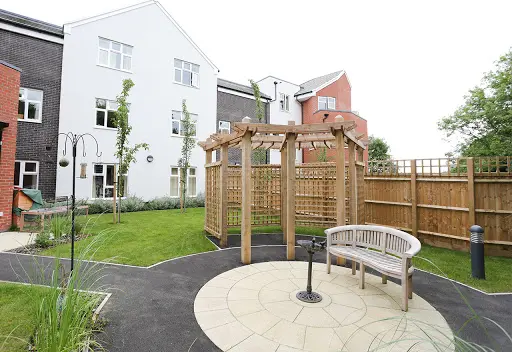
The home cares for adults both under and over 65, supporting people with dementia, physical disabilities, and sensory impairments. For residents living with dementia, the secure grounds offer freedom to move safely outdoors. The experienced team understands how to provide the right balance of support and independence. All areas worth probing directly during a visit.
The DCC Verdict
Our editorial view, built from the three lenses: what families tell us, what inspectors record, and how the home sits against good dementia-care practice.
DCC Family Score
Hayward Care Centre scores 72 out of 100. Most domains were rated Good at the latest inspection in July 2025, which is reassuring, but the Effective domain was rated Requires Improvement, meaning there are identified gaps in areas such as training, care planning, or healthcare oversight that the home has not yet fully resolved.
Homes in South West typically score 68–82.The three-lens summary
What families tell us
Families describe staff as friendly and approachable, creating a welcoming atmosphere for both residents and visitors. The team's warmth comes through whether someone's staying for respite care or making the home their permanent residence.
What inspectors have recorded
What really stands out is how staff handle the most difficult times. Families report that the team provides dignified, compassionate support during end-of-life care, maintaining a professional yet caring approach throughout.
How it sits against good practice
While one visitor mentioned some difficulty with the entrance system, the consistent theme is of a place where dignity and kindness guide the care.
Worth a visit
Hayward Care Centre, in Devizes, was rated Requires Improvement overall at its most recent inspection on 29 July 2025, published in December 2025. This is a decline from its previous Good rating. However, the picture is mixed: Safe, Caring, Responsive, and Well-led were all rated Good, which means inspectors were broadly satisfied with staff kindness, safety, activities, and leadership. The Effective domain, which covers training, care planning, and healthcare, was rated Requires Improvement, and that is the area of most concern for families. The published report summary available for this analysis is limited, which means it is not possible to describe specific observations, resident testimony, or detail about what the Effective shortfalls involve. Before visiting, it is worth asking the manager directly: what was found to be below standard in the Effective domain, what has been done about it since September 2022 when the previous inspection took place, and whether an action plan is available for you to read. On the visit itself, pay close attention to whether staff know your parent by name, whether the environment is clearly designed for people living with dementia, and whether you can see a care plan with a recent review date.
The three questions to ask when you visitSave this home. Compare it against your shortlist.
Let our analysis show you how OSJCT Hayward Care Centre measures up against the other homes you’re considering. Free account.
In Their Own Words
How OSJCT Hayward Care Centre describes itself — collected from its own website. DCC has not edited or independently verified the content in this tab.
Where compassionate dementia care meets dignity in Devizes
Dedicated nursing home,residential home Support in Devizes
When families face the hardest moments, they need to know their loved ones will be treated with genuine compassion. Hayward Care Centre in Devizes brings together experienced staff who understand what matters most — whether that's supporting someone through dementia or ensuring comfort during end-of-life care. The home provides specialist support for adults of all ages with various needs.
Who they care for
The home cares for adults both under and over 65, supporting people with dementia, physical disabilities, and sensory impairments.
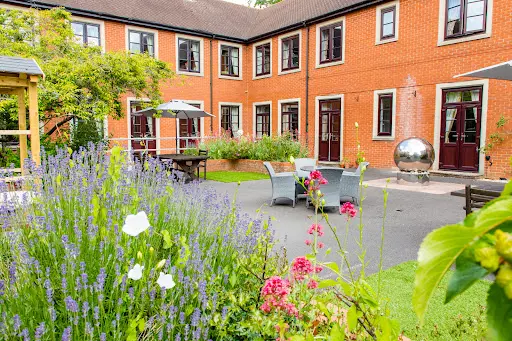
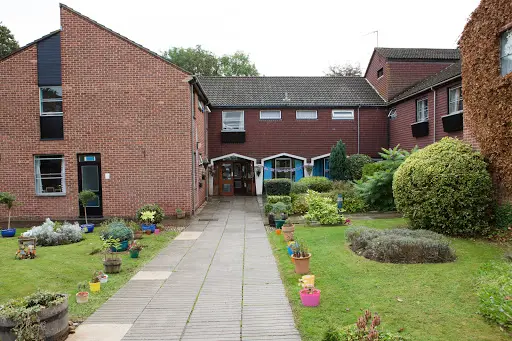
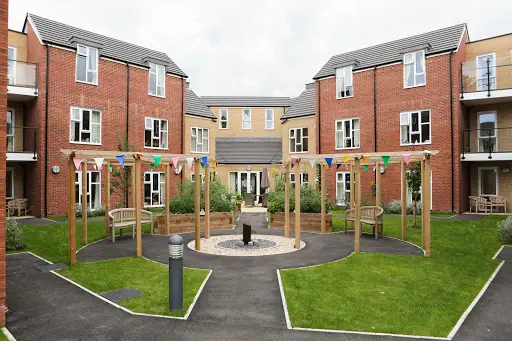
For residents living with dementia, the secure grounds offer freedom to move safely outdoors. The experienced team understands how to provide the right balance of support and independence.
“While one visitor mentioned some difficulty with the entrance system, the consistent theme is of a place where dignity and kindness guide the care.”
DCC does not edit or curate content in this tab. For independently curated information, see The Evidence and DCC Verdict.
The DCC Verdict
Our editorial view, built from the three lenses: what families tell us, what inspectors record, and how the home sits against good dementia-care practice.
DCC Family Score
Hayward Care Centre scores 72 out of 100. Most domains were rated Good at the latest inspection in July 2025, which is reassuring, but the Effective domain was rated Requires Improvement, meaning there are identified gaps in areas such as training, care planning, or healthcare oversight that the home has not yet fully resolved.
Homes in South West typically score 68–82.The three-lens summary
What families tell us
Families describe staff as friendly and approachable, creating a welcoming atmosphere for both residents and visitors. The team's warmth comes through whether someone's staying for respite care or making the home their permanent residence.
What inspectors have recorded
What really stands out is how staff handle the most difficult times. Families report that the team provides dignified, compassionate support during end-of-life care, maintaining a professional yet caring approach throughout.
How it sits against good practice
While one visitor mentioned some difficulty with the entrance system, the consistent theme is of a place where dignity and kindness guide the care.
Worth a visit
Hayward Care Centre, in Devizes, was rated Requires Improvement overall at its most recent inspection on 29 July 2025, published in December 2025. This is a decline from its previous Good rating. However, the picture is mixed: Safe, Caring, Responsive, and Well-led were all rated Good, which means inspectors were broadly satisfied with staff kindness, safety, activities, and leadership. The Effective domain, which covers training, care planning, and healthcare, was rated Requires Improvement, and that is the area of most concern for families. The published report summary available for this analysis is limited, which means it is not possible to describe specific observations, resident testimony, or detail about what the Effective shortfalls involve. Before visiting, it is worth asking the manager directly: what was found to be below standard in the Effective domain, what has been done about it since September 2022 when the previous inspection took place, and whether an action plan is available for you to read. On the visit itself, pay close attention to whether staff know your parent by name, whether the environment is clearly designed for people living with dementia, and whether you can see a care plan with a recent review date.
The three questions to ask when you visitSave this home. Compare it against your shortlist.
Let our analysis show you how OSJCT Hayward Care Centre measures up against the other homes you’re considering. Free account.
In Their Own Words
How OSJCT Hayward Care Centre describes itself — collected from its own website. DCC has not edited or independently verified the content in this tab.
Where compassionate dementia care meets dignity in Devizes
Dedicated nursing home,residential home Support in Devizes
When families face the hardest moments, they need to know their loved ones will be treated with genuine compassion. Hayward Care Centre in Devizes brings together experienced staff who understand what matters most — whether that's supporting someone through dementia or ensuring comfort during end-of-life care. The home provides specialist support for adults of all ages with various needs.
Who they care for
The home cares for adults both under and over 65, supporting people with dementia, physical disabilities, and sensory impairments.
For residents living with dementia, the secure grounds offer freedom to move safely outdoors. The experienced team understands how to provide the right balance of support and independence.
Management & ethos
What really stands out is how staff handle the most difficult times. Families report that the team provides dignified, compassionate support during end-of-life care, maintaining a professional yet caring approach throughout.
The home & environment
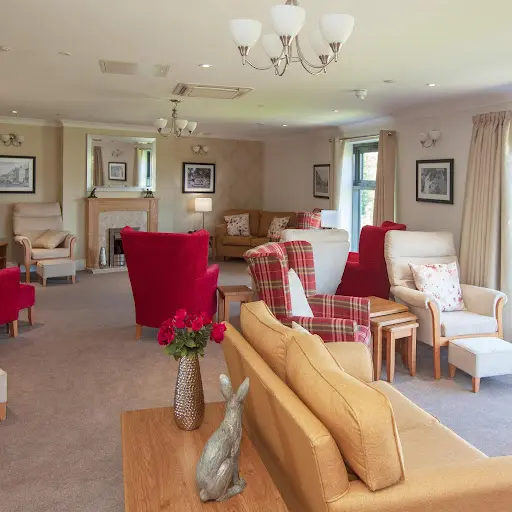
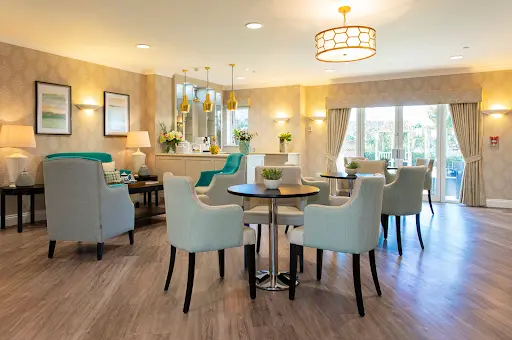
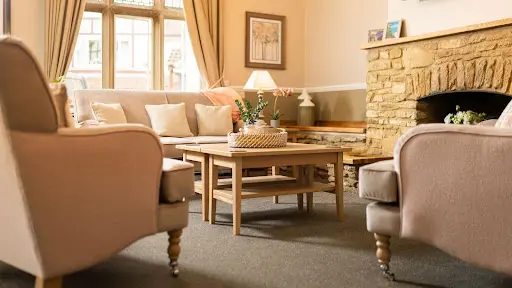
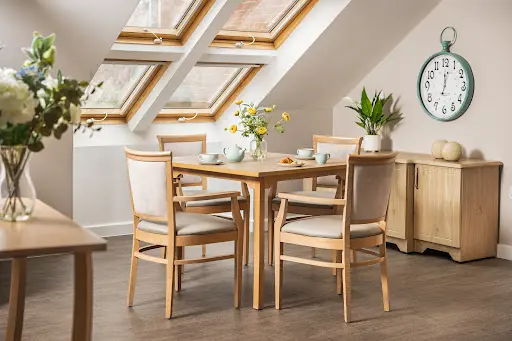
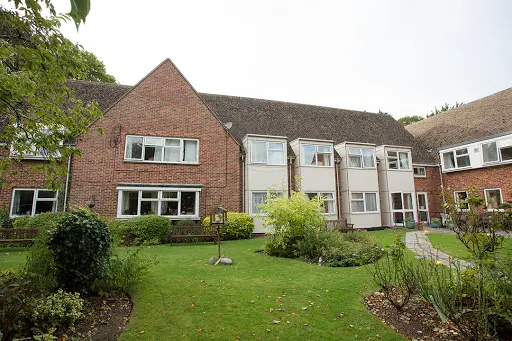
The centre offers en-suite rooms that give residents their own private space, while secure gardens provide fresh air and outdoor enjoyment. Weekly entertainment keeps things lively, and the kitchen works around individual preferences with flexible meal times.
“While one visitor mentioned some difficulty with the entrance system, the consistent theme is of a place where dignity and kindness guide the care.”
DCC does not edit or curate content in this tab. For independently curated information, see The Evidence and DCC Verdict.