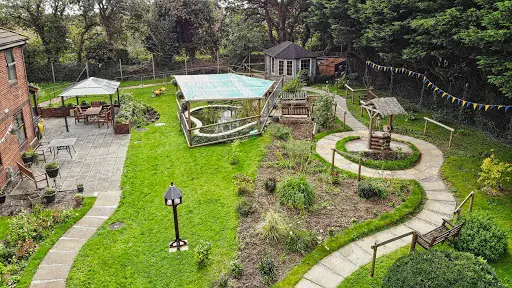
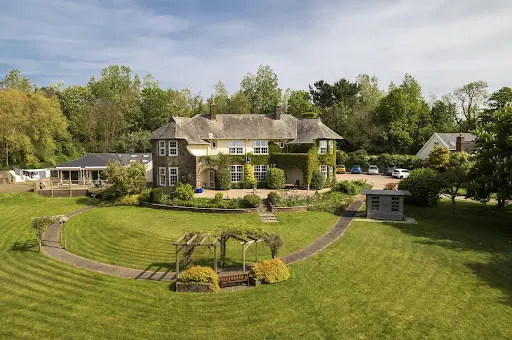
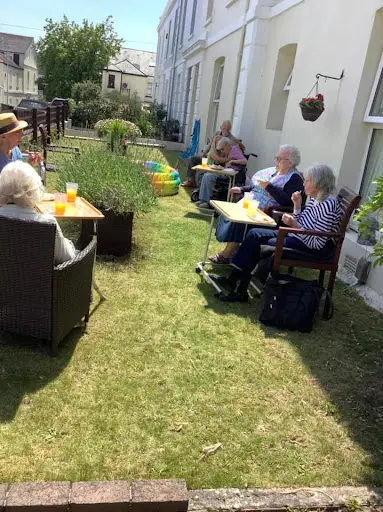
Rose Lodge Care Home
At a Glance
The information you need to decide whether this home warrants a closer look.
Residential homes
Staff warmth score
of reviewers answered yes
Good to know
- Registered beds34
- SpecialismsCaring for adults over 65 yrs, Caring for people whose rights are restricted under the Mental Health Act, Dementia, Mental health conditions
- Last inspected2019-04-06
Save Rose Lodge Care Home to your shortlist
Keep a running list, add visit notes, and compare homes side-by-side. Free account — it takes a minute.
STAGE 4 — RESEARCHING CARE HOMES
Visit homes. Compare them side by side. Choose with confidence.
Most of us will view care homes the way we view houses, impression, atmosphere, the feeling in the corridor. We go home, try to remember what we saw, and make a permanent decision from a blurred memory.

The DCC shortlist gives every home you visit a structured record: the same twelve questions, answered the same way, every time. When you’re ready to choose, pull any two homes side by side and compare them directly. Same criteria, same evidence, your notes and your scores.
The Evidence
What the review data, the inspection reports, and the dementia-care evidence base tell us about this home.
What families say
The eight family priority themes
- Staff warmth88
- Compassion & dignity90
- Cleanliness72
- Activities & engagement85
- Food quality75
- Healthcare85
- Management & leadership75
- Resident happiness82
What inspectors found
Inspected 2019-04-06
Is this home safe?
Is the care effective?
The Effective domain was rated Outstanding, the highest possible rating. This means inspectors found that care was consistently effective in improving and maintaining people's health and wellbeing, going beyond what is routinely expected. For a home specialising in dementia care, an Outstanding Effective rating indicates that staff understand how dementia affects each individual, that care plans are detailed and used in practice, and that healthcare is proactively coordinated. The published summary does not reproduce the specific evidence that led to this rating.Is this home caring?
The Caring domain was rated Outstanding. This is the domain most directly tied to day-to-day experience and it reflects how staff treat people as individuals, whether dignity and privacy are genuinely respected, and whether people feel supported to retain as much independence as possible. An Outstanding rating here requires inspectors to have observed specific interactions, gathered resident and relative feedback, and found consistent evidence across different staff, different times of day, and different levels of need. The published summary does not reproduce the specific observations or quotes that were recorded.Is the home responsive?
The Responsive domain was rated Outstanding. This covers whether the home meets individual needs rather than fitting people into a standard routine, whether activities are meaningful and tailored, and whether end-of-life care is handled with compassion and personalisation. Outstanding Responsive also means that when things go wrong or when needs change, the home adapts quickly and involves the person and their family. The published summary does not detail the specific evidence behind this rating.Is the home well-led?
The Well-led domain was rated Good. The registered manager at the time of inspection was Miss Tracey Jane Long, who was also the nominated individual, meaning she held both operational and legal responsibility for the home. A Good Well-led rating indicates that governance systems were functioning, staff felt supported, and there was a culture of improvement. It did not reach Outstanding, which may reflect that leadership processes, while sound, lacked the exceptional documentation of learning and staff empowerment that the higher rating requires.
Source: CQC inspection report →
What the evidence base says
The team here focuses on dementia and mental health conditions, with particular experience supporting residents whose needs fall under the Mental Health Act. This clinical knowledge shapes their approach to daily care. Staff bring genuine understanding to dementia care, adapting their approach as residents' needs change. The structured activity programme offers both lively and quieter options, letting each person engage at their own comfort level. All areas worth probing directly during a visit.
The DCC Verdict
Our editorial view, built from the three lenses: what families tell us, what inspectors record, and how the home sits against good dementia-care practice.
DCC Family Score
Rose Lodge scored 82 out of 100, reflecting three Outstanding domain ratings covering how staff care for people, how effectively care is delivered, and how well the home responds to individual needs. The Good ratings in Safety and Leadership are solid but carry less specific inspection detail, which is why the score sits just below the top tier.
Homes in South West typically score 68–82.Worth a visit
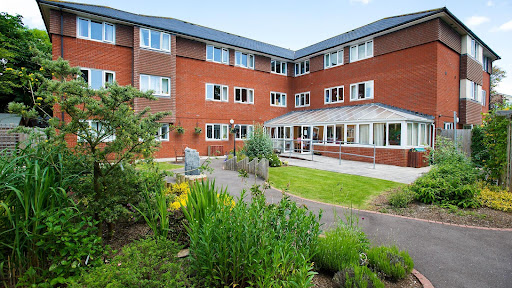
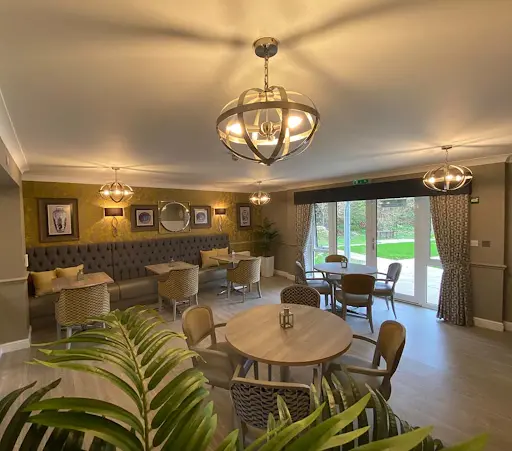
Rose Lodge in Exmouth was rated Outstanding overall at its inspection in December 2018, with Outstanding ratings in Effective, Caring, and Responsive, and Good ratings in Safe and Well-led. The home cares for up to 34 people, including those living with dementia and those whose rights may be restricted under the Mental Health Act. An Outstanding rating across three domains is achieved by fewer than five per cent of care homes in England, and it reflects sustained, specific evidence of care that goes well beyond minimum standards. The main limitation is that this inspection took place in December 2018, meaning the published findings are now over six years old. The home was reviewed in July 2023 and the rating was not changed, but a monitoring review is not the same as a fresh full inspection. Much can change in six years, including staff, management, and the physical environment. When you visit, ask the manager how long she has been in post, how many of the staff from 2018 are still working there, and request the most recent internal quality audit. Walk slowly through the home and observe whether staff interactions feel unhurried and personal, not just polite.
The three questions to ask when you visitSave this home. Compare it against your shortlist.
Let our analysis show you how Rose Lodge Care Home measures up against the other homes you’re considering. Free account.
In Their Own Words
How Rose Lodge Care Home describes itself — collected from its own website. DCC has not edited or independently verified the content in this tab.
Specialist dementia care with thoughtful touches in coastal Exmouth
Dedicated residential home Support in Exmouth
For families navigating dementia or mental health conditions, finding the right care feels overwhelming. Rose Lodge in Exmouth specialises in these complex needs, offering structured support for residents over 65. The home also cares for people whose rights are restricted under the Mental Health Act, bringing clinical expertise to challenging situations.
Who they care for
The team here focuses on dementia and mental health conditions, with particular experience supporting residents whose needs fall under the Mental Health Act. This clinical knowledge shapes their approach to daily care.
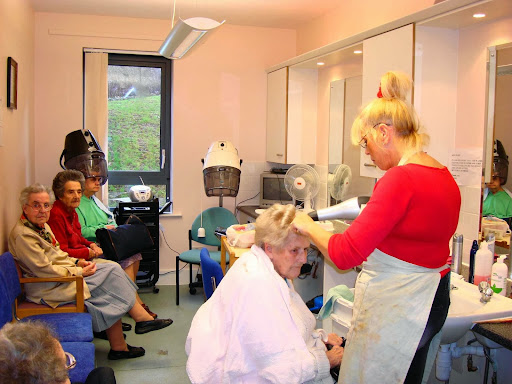
Staff bring genuine understanding to dementia care, adapting their approach as residents' needs change. The structured activity programme offers both lively and quieter options, letting each person engage at their own comfort level.
“If you're considering Rose Lodge, arranging a visit will give you the clearest picture of whether it feels right for your family.”
DCC does not edit or curate content in this tab. For independently curated information, see The Evidence and DCC Verdict.
The DCC Verdict
Our editorial view, built from the three lenses: what families tell us, what inspectors record, and how the home sits against good dementia-care practice.
DCC Family Score
Rose Lodge scored 82 out of 100, reflecting three Outstanding domain ratings covering how staff care for people, how effectively care is delivered, and how well the home responds to individual needs. The Good ratings in Safety and Leadership are solid but carry less specific inspection detail, which is why the score sits just below the top tier.
Homes in South West typically score 68–82.Worth a visit
Rose Lodge in Exmouth was rated Outstanding overall at its inspection in December 2018, with Outstanding ratings in Effective, Caring, and Responsive, and Good ratings in Safe and Well-led. The home cares for up to 34 people, including those living with dementia and those whose rights may be restricted under the Mental Health Act. An Outstanding rating across three domains is achieved by fewer than five per cent of care homes in England, and it reflects sustained, specific evidence of care that goes well beyond minimum standards. The main limitation is that this inspection took place in December 2018, meaning the published findings are now over six years old. The home was reviewed in July 2023 and the rating was not changed, but a monitoring review is not the same as a fresh full inspection. Much can change in six years, including staff, management, and the physical environment. When you visit, ask the manager how long she has been in post, how many of the staff from 2018 are still working there, and request the most recent internal quality audit. Walk slowly through the home and observe whether staff interactions feel unhurried and personal, not just polite.
The three questions to ask when you visitSave this home. Compare it against your shortlist.
Let our analysis show you how Rose Lodge Care Home measures up against the other homes you’re considering. Free account.
In Their Own Words
How Rose Lodge Care Home describes itself — collected from its own website. DCC has not edited or independently verified the content in this tab.
Specialist dementia care with thoughtful touches in coastal Exmouth
Dedicated residential home Support in Exmouth
For families navigating dementia or mental health conditions, finding the right care feels overwhelming. Rose Lodge in Exmouth specialises in these complex needs, offering structured support for residents over 65. The home also cares for people whose rights are restricted under the Mental Health Act, bringing clinical expertise to challenging situations.
Who they care for
The team here focuses on dementia and mental health conditions, with particular experience supporting residents whose needs fall under the Mental Health Act. This clinical knowledge shapes their approach to daily care.
Staff bring genuine understanding to dementia care, adapting their approach as residents' needs change. The structured activity programme offers both lively and quieter options, letting each person engage at their own comfort level.
“If you're considering Rose Lodge, arranging a visit will give you the clearest picture of whether it feels right for your family.”
DCC does not edit or curate content in this tab. For independently curated information, see The Evidence and DCC Verdict.