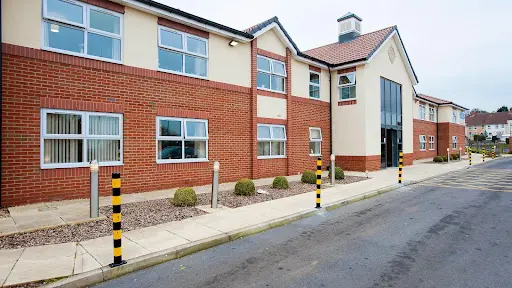
Arbour Lodge Residential Care Home
At a Glance
The information you need to decide whether this home warrants a closer look.
Residential homes
Staff warmth score
of reviewers answered yes
Good to know
- Registered beds29
- SpecialismsCaring for adults over 65 yrs, Dementia, Mental health conditions, Physical disabilities, Sensory impairment
- Last inspected2023-12-16
Save Arbour Lodge Residential Care Home to your shortlist
Keep a running list, add visit notes, and compare homes side-by-side. Free account — it takes a minute.
STAGE 4 — RESEARCHING CARE HOMES
Visit homes. Compare them side by side. Choose with confidence.
Most of us will view care homes the way we view houses, impression, atmosphere, the feeling in the corridor. We go home, try to remember what we saw, and make a permanent decision from a blurred memory.

The DCC shortlist gives every home you visit a structured record: the same twelve questions, answered the same way, every time. When you’re ready to choose, pull any two homes side by side and compare them directly. Same criteria, same evidence, your notes and your scores.
The Evidence
What the review data, the inspection reports, and the dementia-care evidence base tell us about this home.
What families say
Families talk about seeing their relatives genuinely happy again, participating in music sessions and social activities they'd previously withdrawn from. The difference appears to come from how staff respond to difficult moments — treating distress as communication rather than something to suppress. Residents who arrived anxious or aggressive have reportedly become calmer and more willing to engage.
The eight family priority themes
- Staff warmth55
- Compassion & dignity55
- Cleanliness55
- Activities & engagement50
- Food quality50
- Healthcare55
- Management & leadership60
- Resident happiness55
What inspectors found
Inspected 2023-12-16
Is this home safe?
Is the care effective?
The Effective domain was rated Good at the November 2023 inspection. The published report does not describe specific findings about care plan quality, GP access, dementia training content, or food provision. The home holds registration for dementia care alongside several other specialisms, which implies a need for staff training across multiple areas of practice. No concerns about effectiveness were identified in the available findings. The detail behind this rating is not available in the published text.Is this home caring?
The Caring domain was rated Good at the November 2023 inspection. No direct quotes from residents or relatives are available in the published text, and no specific inspector observations about staff behaviour, use of preferred names, or unhurried pace are described. The home cares for people with dementia and other complex needs, which places particular demands on the quality of daily interactions. The Good rating in Caring is confirmed but is not supported by descriptive evidence in the available report.Is the home responsive?
The Responsive domain was rated Good at the November 2023 inspection. The published report contains no specific information about the activities programme, one-to-one engagement, how individual preferences are recorded, or end-of-life planning arrangements. The home supports people with a range of conditions including dementia, which means meaningful individual engagement is particularly important. No concerns were identified in this domain. The evidence behind the rating is not described in detail in the available text.Is the home well-led?
The Well-led domain was rated Good at the November 2023 inspection, which is significant given the home's previous Requires Improvement rating. The inspection record names a registered manager and a nominated individual, indicating a clear formal leadership structure. The published text does not describe the manager's tenure, visibility on the floor, staff culture, or how the home learns from incidents and complaints. The improvement from Requires Improvement to Good across all domains suggests that leadership has been effective in driving change, though the detail of how is not available.
Source: CQC inspection report →
What the evidence base says
The home cares for people with dementia, mental health conditions, physical disabilities and sensory impairments. They're set up for residents over 65 who need specialist support. Their dementia care approach focuses on understanding behaviour as communication. When someone becomes distressed, staff work to identify what they might be trying to express — fear, discomfort, or unmet needs — rather than simply managing the behaviour itself. All areas worth probing directly during a visit.
The DCC Verdict
Our editorial view, built from the three lenses: what families tell us, what inspectors record, and how the home sits against good dementia-care practice.
DCC Family Score
Arbour Lodge has improved from Requires Improvement to Good across all five inspection domains, which is a meaningful step forward. However, the published inspection text provides limited specific detail, so the score reflects a confirmed positive direction rather than rich, observed evidence of outstanding practice.
Homes in West Midlands typically score 68–82.The three-lens summary
What families tell us
Families talk about seeing their relatives genuinely happy again, participating in music sessions and social activities they'd previously withdrawn from. The difference appears to come from how staff respond to difficult moments — treating distress as communication rather than something to suppress. Residents who arrived anxious or aggressive have reportedly become calmer and more willing to engage.
What inspectors have recorded
Staff appear to really listen to what residents are trying to communicate, even when words fail them. Families mention being able to observe care directly, not just during scheduled visits, which seems to build real confidence. The team's approach to challenging behaviours — looking for underlying needs rather than jumping to medication — stands out in families' accounts.
How it sits against good practice
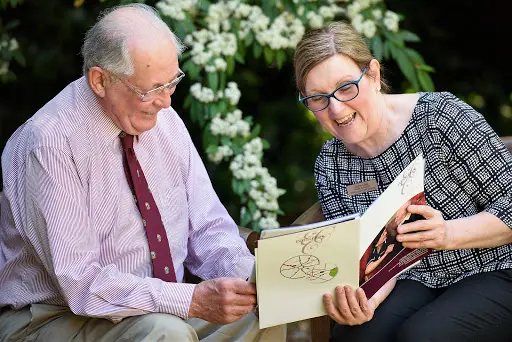
Sometimes the best evidence of good care is watching someone rediscover their smile.
Worth a visit
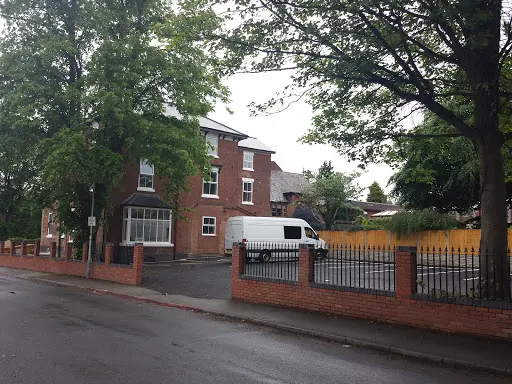
Arbour Lodge, at 92 Richmond Road in Wolverhampton, was rated Good at its most recent inspection in November 2023, with the report published in December 2023. This is a meaningful improvement: the home previously held a Requires Improvement rating, and all five inspection domains, Safe, Effective, Caring, Responsive, and Well-led, have now been brought up to Good. The home supports 29 residents and is registered to care for people with dementia, mental health conditions, physical disabilities, and sensory impairments, as well as older adults generally. The main limitation of this report is that the published inspection text is brief and contains very little specific detail about what inspectors actually observed. There are no direct quotes from residents or relatives, no descriptions of staff interactions, and no specifics about food, activities, staffing ratios, or night cover. The Good rating confirms that the home has addressed previous concerns, but it does not tell you what day-to-day life looks like for your parent. When you visit, ask to see last week's staffing rota, ask how many staff are on overnight, and ask what changed since the previous Requires Improvement rating. Those answers will tell you far more than the rating alone.
The three questions to ask when you visitSave this home. Compare it against your shortlist.
Let our analysis show you how Arbour Lodge Residential Care Home measures up against the other homes you’re considering. Free account.
In Their Own Words
How Arbour Lodge Residential Care Home describes itself — collected from its own website. DCC has not edited or independently verified the content in this tab.
Where understanding replaces medication for dementia care
Arbour Lodge – Expert Care in Wolverhampton
When families describe watching their loved ones transform from withdrawn to engaged, you know something special is happening. Arbour Lodge in Wolverhampton seems to have cracked the code that many dementia care homes struggle with — they see the person behind the condition. Rather than reaching for sedatives when residents become distressed, staff here dig deeper to understand what's really going on.
Who they care for
The home cares for people with dementia, mental health conditions, physical disabilities and sensory impairments. They're set up for residents over 65 who need specialist support.
Their dementia care approach focuses on understanding behaviour as communication. When someone becomes distressed, staff work to identify what they might be trying to express — fear, discomfort, or unmet needs — rather than simply managing the behaviour itself.
“Sometimes the best evidence of good care is watching someone rediscover their smile.”
DCC does not edit or curate content in this tab. For independently curated information, see The Evidence and DCC Verdict.
The DCC Verdict
Our editorial view, built from the three lenses: what families tell us, what inspectors record, and how the home sits against good dementia-care practice.
DCC Family Score
Arbour Lodge has improved from Requires Improvement to Good across all five inspection domains, which is a meaningful step forward. However, the published inspection text provides limited specific detail, so the score reflects a confirmed positive direction rather than rich, observed evidence of outstanding practice.
Homes in West Midlands typically score 68–82.The three-lens summary
What families tell us
Families talk about seeing their relatives genuinely happy again, participating in music sessions and social activities they'd previously withdrawn from. The difference appears to come from how staff respond to difficult moments — treating distress as communication rather than something to suppress. Residents who arrived anxious or aggressive have reportedly become calmer and more willing to engage.
What inspectors have recorded
Staff appear to really listen to what residents are trying to communicate, even when words fail them. Families mention being able to observe care directly, not just during scheduled visits, which seems to build real confidence. The team's approach to challenging behaviours — looking for underlying needs rather than jumping to medication — stands out in families' accounts.
How it sits against good practice
Sometimes the best evidence of good care is watching someone rediscover their smile.
Worth a visit
Arbour Lodge, at 92 Richmond Road in Wolverhampton, was rated Good at its most recent inspection in November 2023, with the report published in December 2023. This is a meaningful improvement: the home previously held a Requires Improvement rating, and all five inspection domains, Safe, Effective, Caring, Responsive, and Well-led, have now been brought up to Good. The home supports 29 residents and is registered to care for people with dementia, mental health conditions, physical disabilities, and sensory impairments, as well as older adults generally. The main limitation of this report is that the published inspection text is brief and contains very little specific detail about what inspectors actually observed. There are no direct quotes from residents or relatives, no descriptions of staff interactions, and no specifics about food, activities, staffing ratios, or night cover. The Good rating confirms that the home has addressed previous concerns, but it does not tell you what day-to-day life looks like for your parent. When you visit, ask to see last week's staffing rota, ask how many staff are on overnight, and ask what changed since the previous Requires Improvement rating. Those answers will tell you far more than the rating alone.
The three questions to ask when you visitSave this home. Compare it against your shortlist.
Let our analysis show you how Arbour Lodge Residential Care Home measures up against the other homes you’re considering. Free account.
In Their Own Words
How Arbour Lodge Residential Care Home describes itself — collected from its own website. DCC has not edited or independently verified the content in this tab.
Where understanding replaces medication for dementia care
Arbour Lodge – Expert Care in Wolverhampton
When families describe watching their loved ones transform from withdrawn to engaged, you know something special is happening. Arbour Lodge in Wolverhampton seems to have cracked the code that many dementia care homes struggle with — they see the person behind the condition. Rather than reaching for sedatives when residents become distressed, staff here dig deeper to understand what's really going on.
Who they care for
The home cares for people with dementia, mental health conditions, physical disabilities and sensory impairments. They're set up for residents over 65 who need specialist support.
Their dementia care approach focuses on understanding behaviour as communication. When someone becomes distressed, staff work to identify what they might be trying to express — fear, discomfort, or unmet needs — rather than simply managing the behaviour itself.
Management & ethos
Staff appear to really listen to what residents are trying to communicate, even when words fail them. Families mention being able to observe care directly, not just during scheduled visits, which seems to build real confidence. The team's approach to challenging behaviours — looking for underlying needs rather than jumping to medication — stands out in families' accounts.
The home & environment
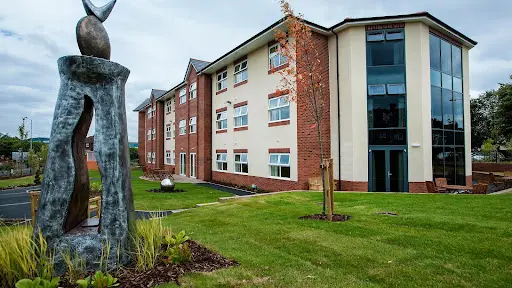
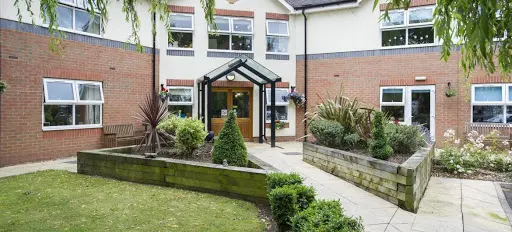
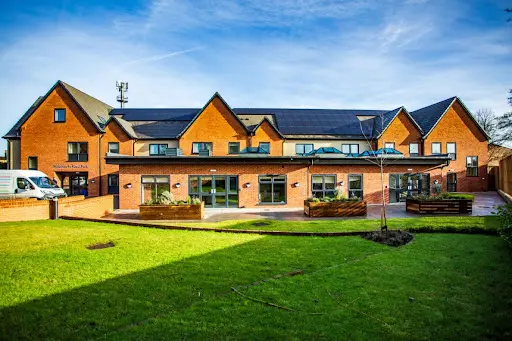
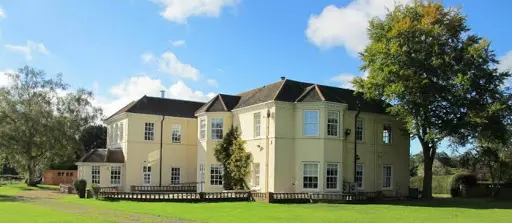
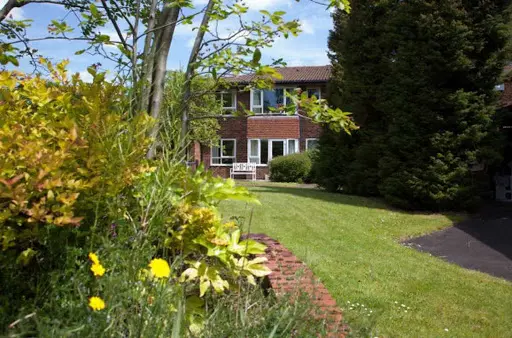
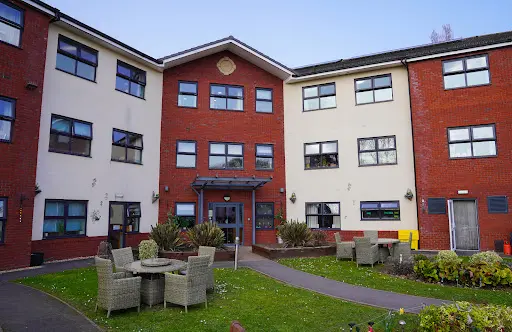
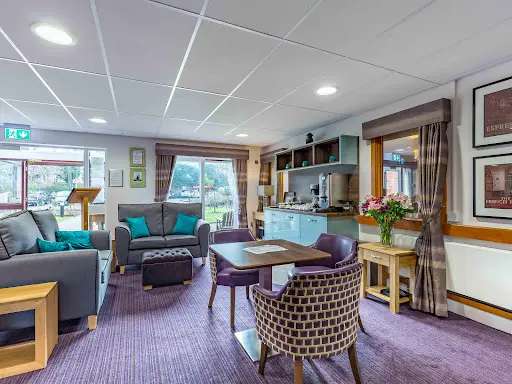
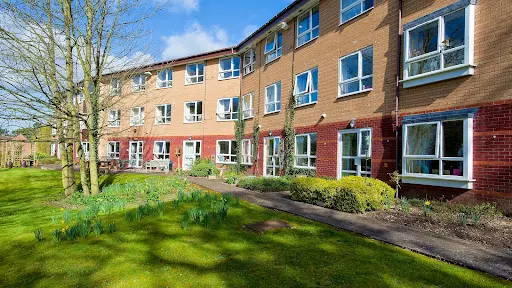
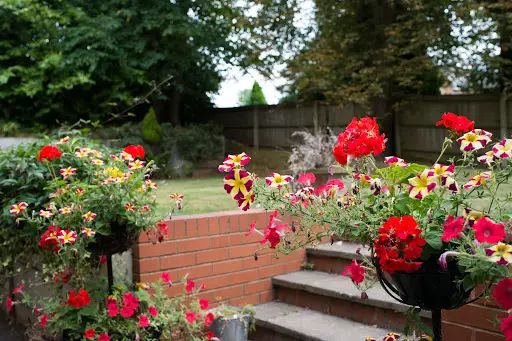
Music sessions seem to be a particular bright spot, with residents who rarely speak suddenly singing along or tapping their feet. The home itself gets described as beautiful, though families focus more on what happens inside than the surroundings themselves.
“Sometimes the best evidence of good care is watching someone rediscover their smile.”
DCC does not edit or curate content in this tab. For independently curated information, see The Evidence and DCC Verdict.